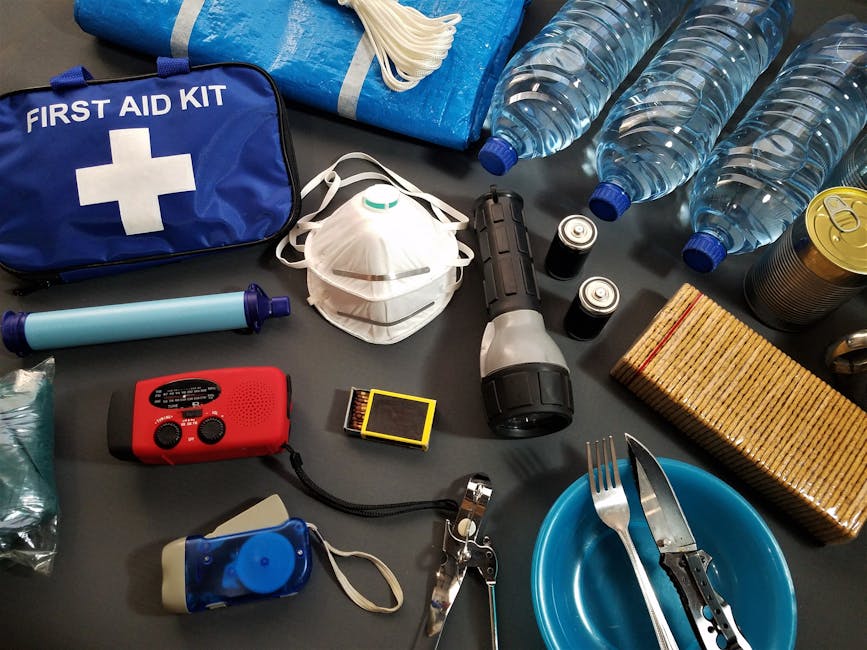
A 3-month food supply is where emergency preparedness becomes genuinely serious. It protects against job loss, supply chain disruptions, extended natural disasters, or regional crises that stretch well past the 72-hour or 2-week window. FEMA's national preparedness program encourages households to build toward long-term food resilience well beyond the 72-hour baseline. It's also where the planning gets more complex — so this guide breaks it down methodically, starting with the math.
How Many Calories Do You Need for 90 Days?
Start with your household's daily calorie requirement. A single adult at 2,000 calories/day needs:
- 2,000 × 90 = 180,000 calories for one adult
- Family of 4 at 7,600 cal/day: 7,600 × 90 = 684,000 calories
That sounds overwhelming. Broken into food categories, it becomes manageable. Use our food storage calculator guide to crunch exact numbers for your household.
What Are the Three Essential Food Categories for 3-Month Storage?
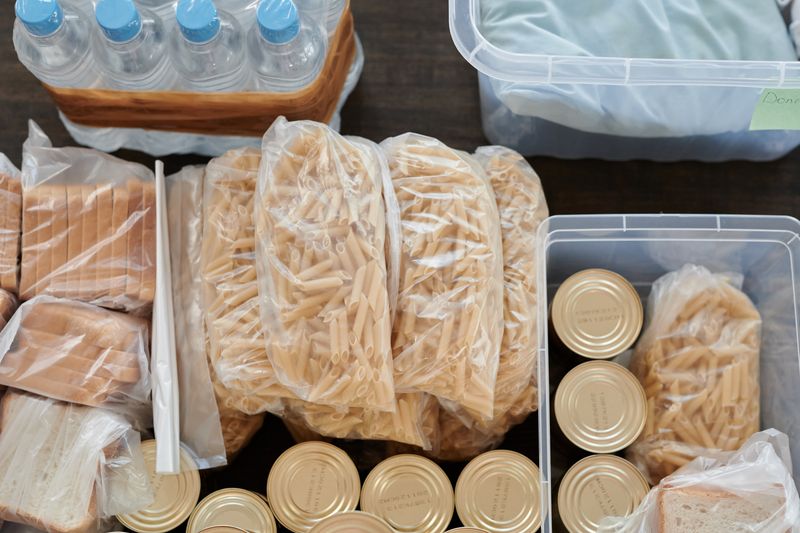
Category 1: Bulk Dry Staples (Your Calorie Foundation)
These are your cheapest, most shelf-stable foods. They should make up 60–70% of your 3-month supply by calories. According to the Extension.org emergency preparedness program, bulk grains properly stored in sealed containers below 70°F can remain nutritious and safe for decades.
| Food | Qty/Person (90 days) | Calories | Cost Approx |
|---|---|---|---|
| White rice | 50 lbs | 82,500 | $25–$40 |
| Dried beans (mixed) | 25 lbs | 39,000 | $30–$50 |
| Rolled oats | 20 lbs | 34,000 | $15–$25 |
| Pasta | 10 lbs | 16,000 | $10–$20 |
| Flour (all-purpose) | 10 lbs | 16,400 | $5–$10 |
Category 2: Canned Goods & Protein (Your Nutrition Layer)
Dry staples provide calories; canned goods provide nutrients, protein, and cooking variety. Aim for 20–25% of your calorie supply from this category:
- Canned tuna / salmon: 30–40 cans per person
- Canned chicken: 20 cans per person
- Canned beans: 30 cans per person
- Canned soups / stews: 30–40 cans per person
- Canned tomatoes, corn, mixed vegetables: 30+ cans per person
- Peanut butter: 6–8 jars per person
- Vegetable oil: 4 × 32 oz bottles per person
Category 3: Freeze-Dried Meals (Your Quality of Life Layer)
After 4–6 weeks of rice and beans, morale collapses. Freeze-dried meals provide variety, palatability, and familiar tastes — they're the difference between surviving and actually coping. Budget 10–15% of your calorie supply here:
My Patriot Supply — 3-Month Emergency Food Supply Kit
2,000 cal/day average · 140+ servings/person · 25-year shelf life · Gluten-free options · Portable buckets
From $997 (1 person / 3 months)
View on My Patriot Supply →Valley Food Storage — 3-Month Premium Kit
Real ingredients · 2,100+ cal/day · No preservatives · 25-year shelf life · Excellent taste ratings
From $1,099 (1 person / 3 months)
View on Valley Food Storage →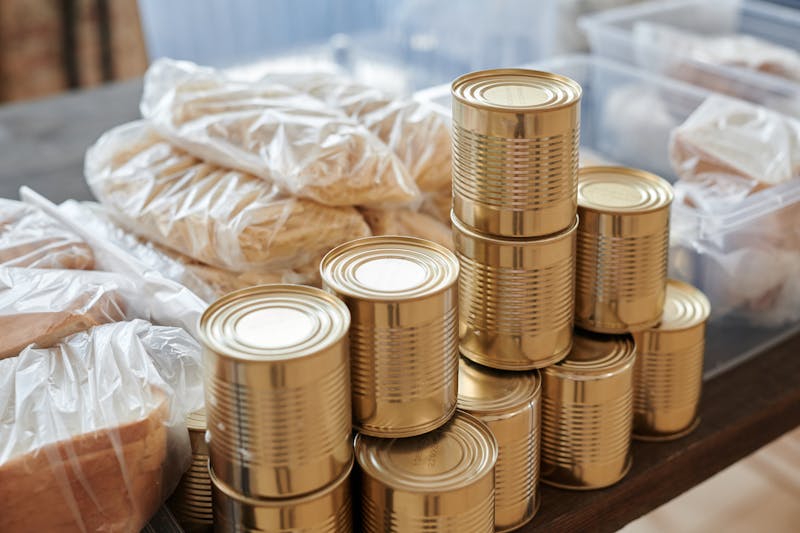
Freeze-Dried vs. Canned vs. Dry Goods: Full Comparison
| Factor | Freeze-Dried | Canned Goods | Dry Goods |
|---|---|---|---|
| Shelf life | 25–30 years | 3–7 years | 5–30 years |
| Cost per calorie | High ($0.04–$0.08) | Medium ($0.01–$0.03) | Very low ($0.003–$0.01) |
| Taste | Excellent (when done right) | Good | Fair (requires cooking skill) |
| Prep required | Boiling water only | Minimal to none | Cooking required |
| Weight | Very light | Heavy | Medium |
| Water required | Yes (1–2 cups/serving) | No | Yes (cooking) |
How Much Storage Space Does a 3-Month Supply Require?
For one adult's 3-month supply (hybrid approach):
- Bulk dry goods (rice, beans, oats): 4–5 food-grade 5-gallon buckets ≈ 8 cubic feet
- Canned goods (100+ cans): 4 levels of a 4-shelf unit ≈ 10 cubic feet
- Freeze-dried kit buckets: 4–6 buckets ≈ 6 cubic feet
- Water (14 gallons minimum for cooking): 4–5 cubic feet
- Total: roughly 30 cubic feet — about two large chest freezers side by side
For a family of four, you're looking at a dedicated 6×4 ft storage area (walk-in closet, basement corner, or large pantry space).
The Phased Build Approach
Building a 3-month supply over 3–6 months is financially painless and practically easier than doing it all at once:
Month 1: Foundation
Buy bulk dry goods. 50 lbs rice, 25 lbs beans, 20 lbs oats. Cost: ~$80–$120 for one adult. This alone gives you 170,000+ calories — nearly your entire 90-day calorie base.
Month 2: Protein & Canned Layer
Stock canned goods. 30+ cans of fish, chicken, beans, soups. Add peanut butter and oil. Cost: ~$100–$150 for one adult.
Month 3: Quality Layer
Add a pre-packaged freeze-dried kit for variety and taste. Either buy one of the kits above or supplement with Mountain House pouches bought individually. Cost: ~$100–$250.
Month 4–6: Refinement
Fill gaps. Add vitamins, comfort foods, cooking supplies (camp stove, fuel, cookware). Build your water storage. Review and rotate.
For brand-by-brand comparison of the best freeze-dried options for long-term storage, see our Mountain House vs ReadyWise comparison. If you're starting from scratch on a tight budget, see our budget preparedness guide.
Recommended Products
Frequently Asked Questions
Related Resources
- Portable power and emergency energy solutions Every survival kit needs reliable emergency power.
How much does a 3-month food supply cost?
For one adult, a grocery-store 3-month supply costs $300–$500. A pre-packaged freeze-dried kit from companies like My Patriot Supply or Valley Food Storage runs $800–$1,200 per person. For a family of four, budget $1,200–$2,000 using mixed grocery and freeze-dried approach. Building gradually over 3–6 months makes this financially manageable.
How much space does a 3-month food supply take up?
A 3-month supply for one adult in bulk dry goods (rice, beans, oats) occupies roughly 10–15 cubic feet — about the size of a small chest freezer. Mixed with canned goods, expect 15–25 cubic feet per person. A single dedicated shelving unit (6 ft tall, 3 ft wide) handles one person's supply.
What's the best food for long-term storage?
The best long-term storage foods are white rice (25–30 year shelf life), dried beans (25–30 years), rolled oats (5–8 years in sealed container), honey (indefinite), salt (indefinite), and freeze-dried meals (25–30 years). This combination provides calories, protein, and some variety with minimal investment.
Is freeze-dried food worth the extra cost for a 3-month supply?
For 3-month supplies, freeze-dried food is worth it for variety, taste, and ease — not as your only food source. A hybrid approach works best: bulk dry goods (rice, beans, oats) form the calorie foundation at low cost, while freeze-dried meals add variety and palatability. After weeks of rice and beans, freeze-dried Beef Stroganoff is a morale game-changer.