EMERGENCY PREPAREDNESS
Practical emergency food storage guides, calculators, and brand comparisons — built for regular people, not doomsday preppers. No fear-mongering. Just a plan.
Browse the GuidesALL GUIDES
From your first 72-hour kit to a full 3-month supply — step by step.
PLANNING
Calculate exactly how much food your household needs for 72 hours, 2 weeks, or 3 months — with a printable worksheet.
Read the Guide →GETTING STARTED
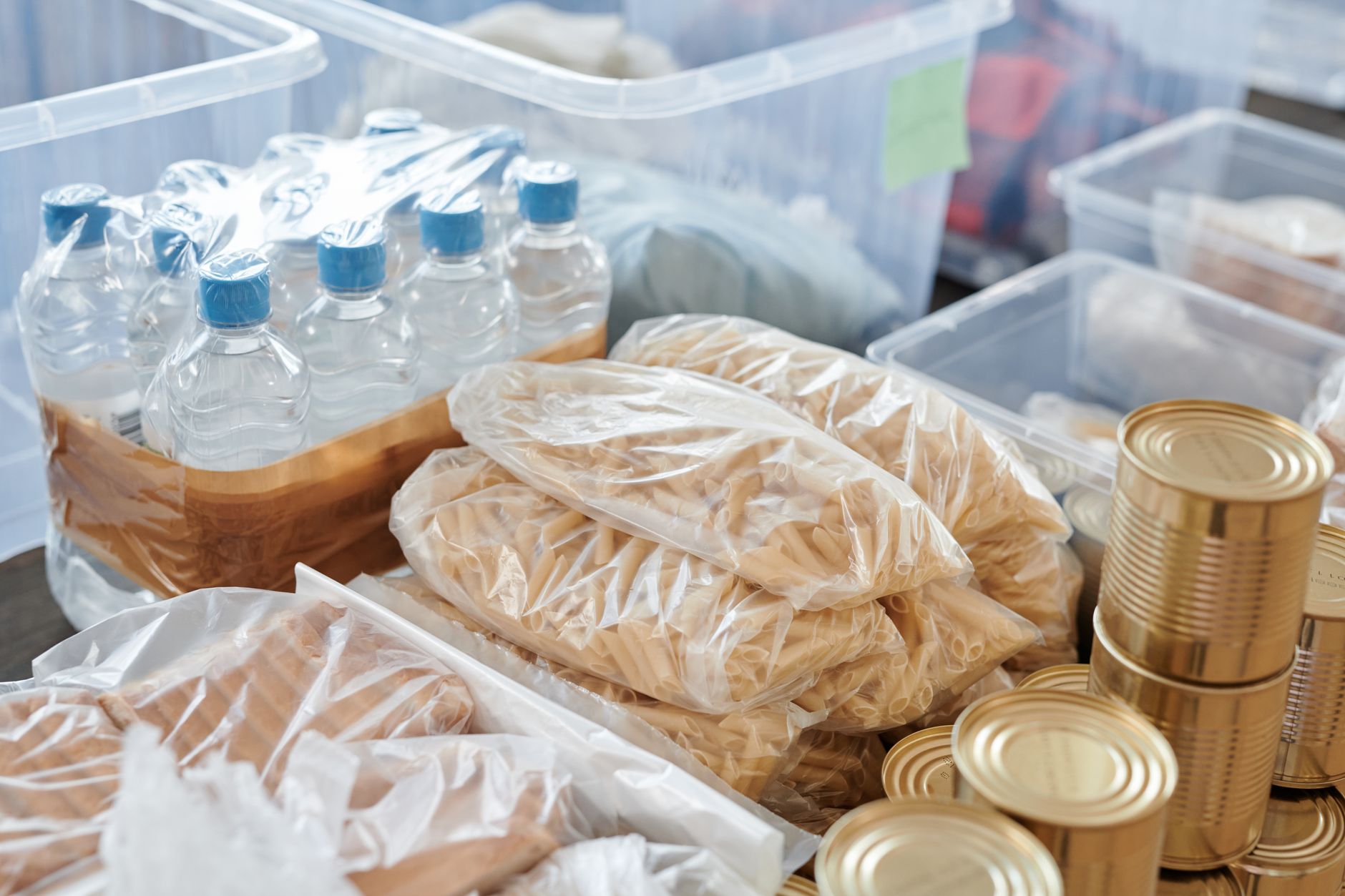
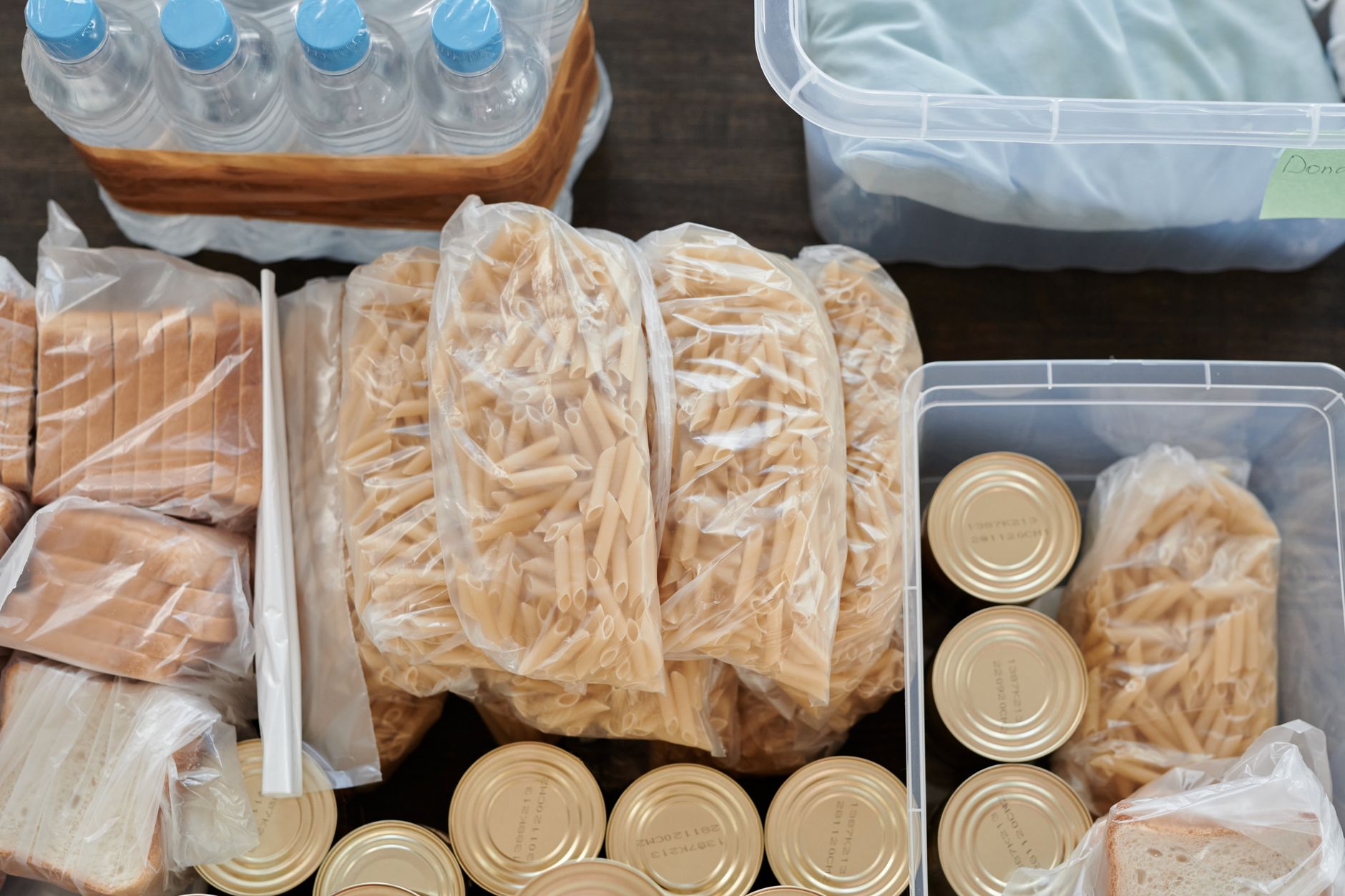
Exactly what food and water to pack for 72 hours per person. Pre-built kit vs. DIY comparison included.
Read the Guide →FOOD STORAGE
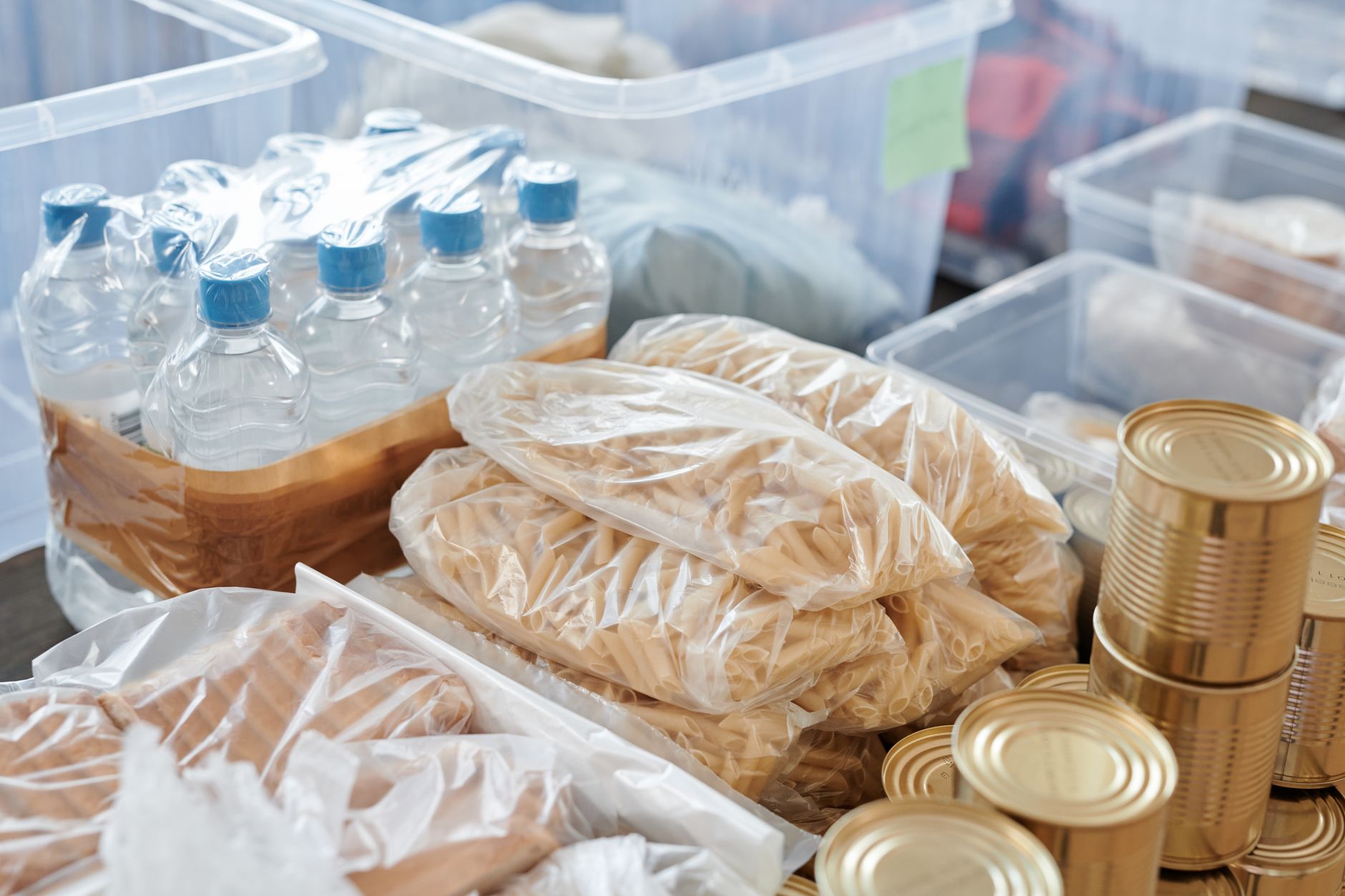
A complete pantry list for two weeks per person, with storage tips, rotation methods, and cost breakdown.
Read the Guide →LONG-TERM STORAGE
Full 90-day planning: freeze-dried vs. canned vs. dry goods, calorie math, and storage space requirements.
Read the Guide →BRAND COMPARISON
Head-to-head on taste, cost per serving, shelf life, variety, and calories. We pick a winner for each category.
Read the Guide →WATER
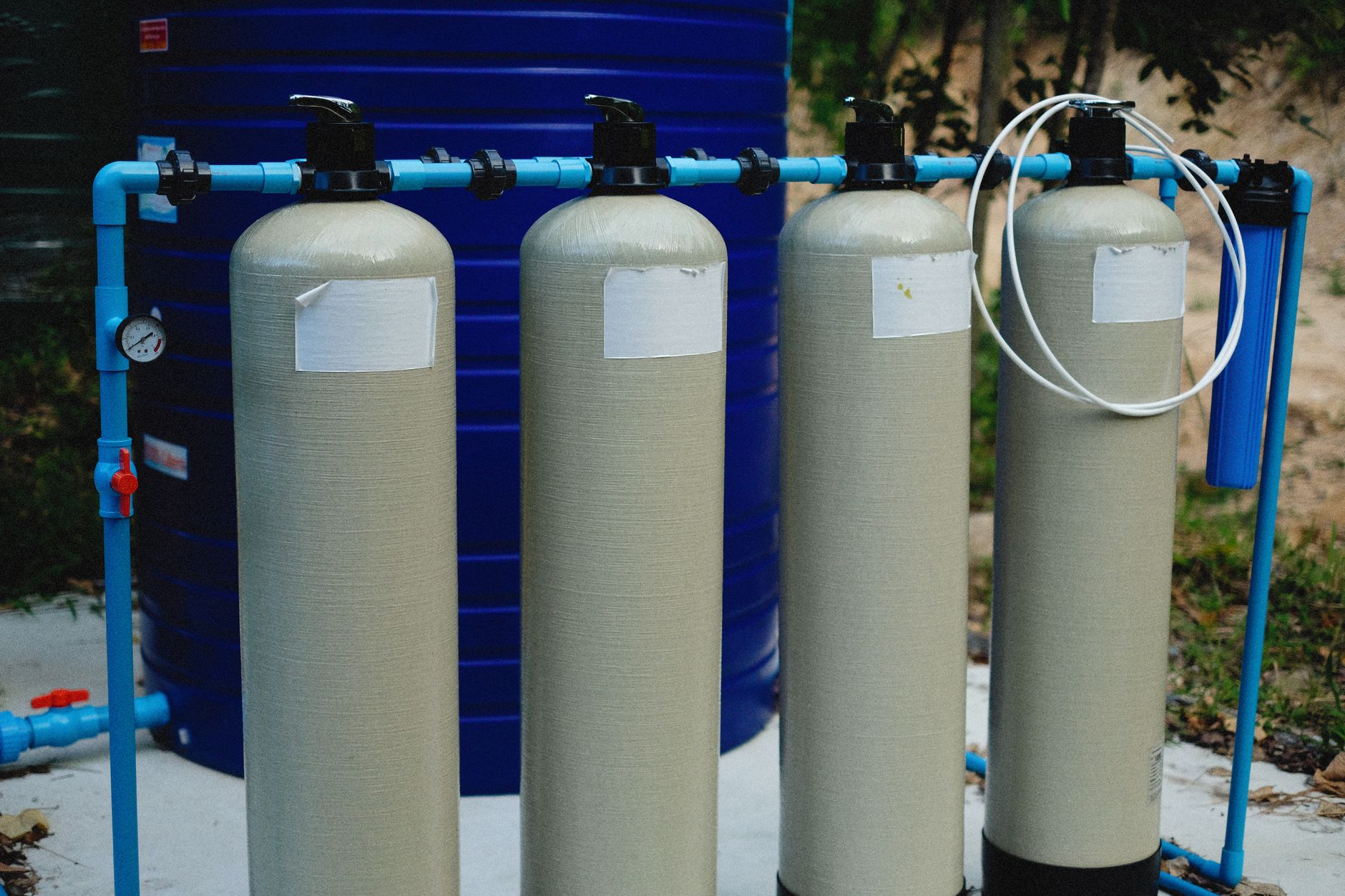
Boiling, tablets, filters, UV — when to use each, effectiveness vs. bacteria and viruses, and how much to store.
Read the Guide →BUDGET
Three-tier approach — exactly what to buy at each price point, including dollar store and grocery options.
Read the Guide →URBAN LIVING
Small-space storage solutions, urban-specific risks, and a complete kit checklist — no basement required.
Read the Guide →REVIEWS
Top-rated emergency food kits reviewed on taste, shelf life, calories, and value. Updated for 2026.
Read the Guide →GEAR
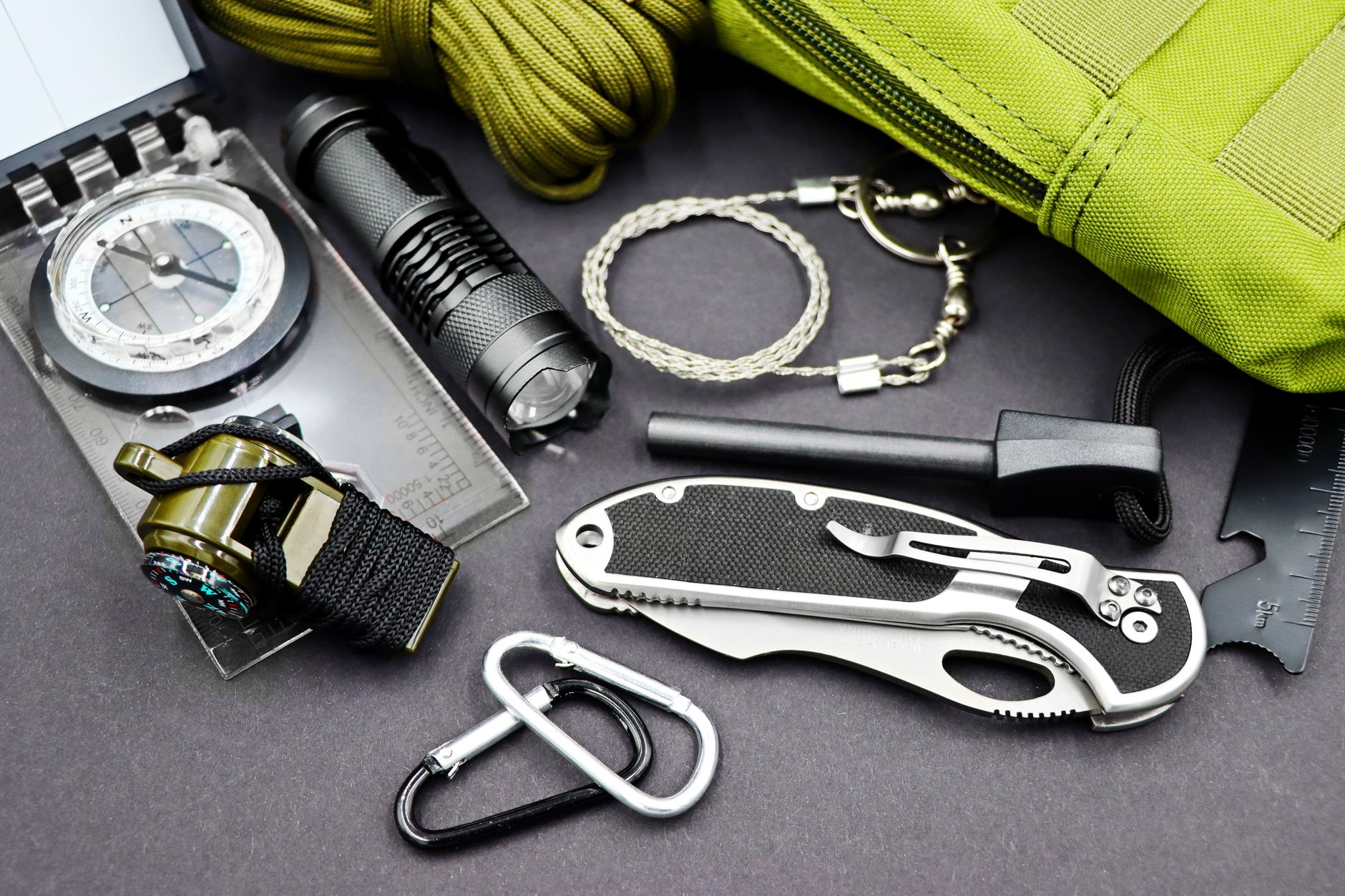
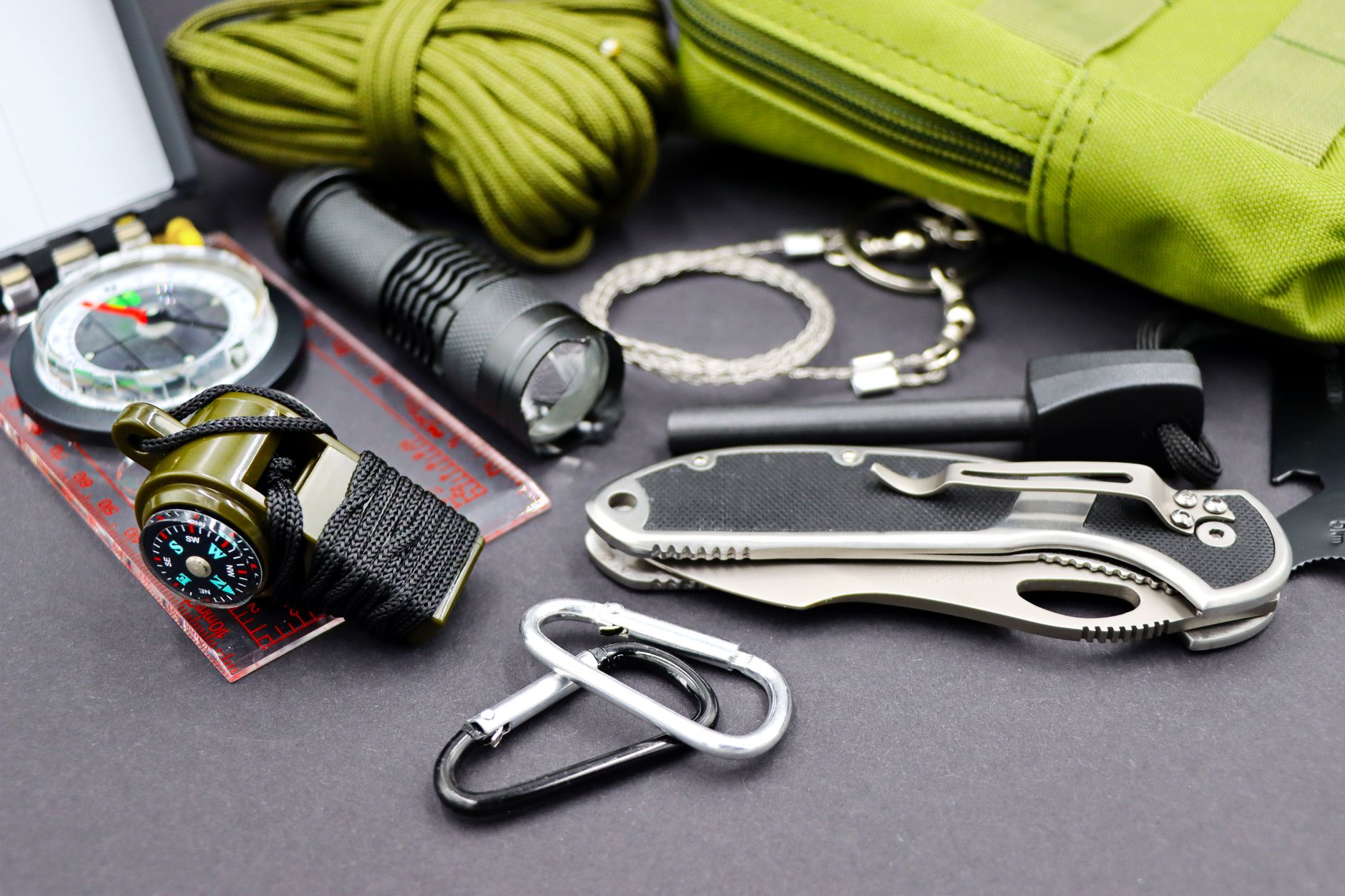
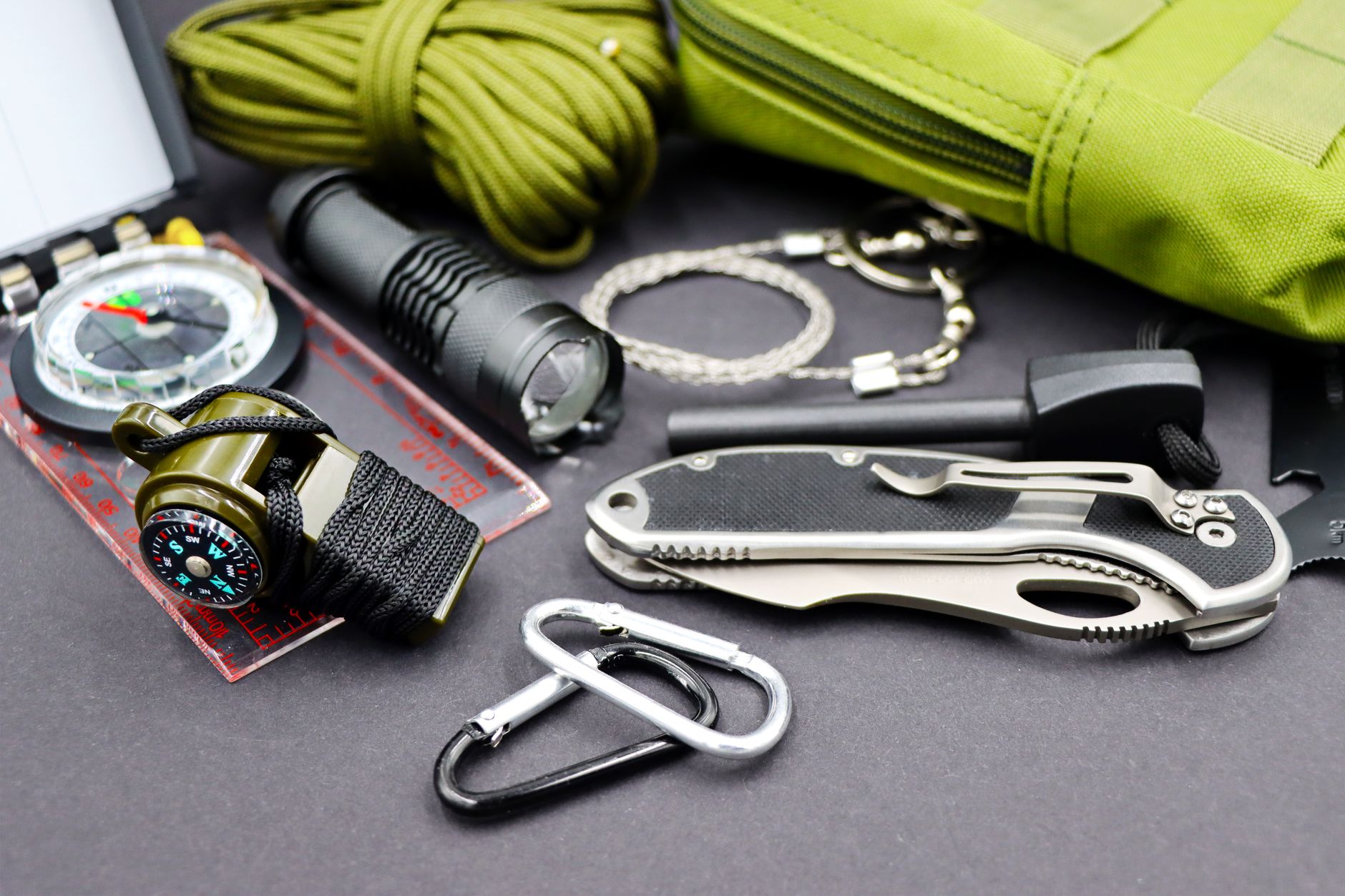
Top pre-built bug out bags tested for comfort, capacity, and value — plus what to add when building your own.
Read the Guide →OUR APPROACH
We don't use collapse scenarios or end-of-world framing to sell you stuff. Preparedness is practical risk management — like having car insurance.
Every guide includes calorie math, cost breakdowns, and space requirements. No vague advice — just the actual quantities you need.
Whether you're in a studio apartment or a farmhouse, our guides scale to your situation. Start with $50 and build from there.
Start with a 72-hour kit (3 days), then build to 2 weeks, then 1-3 months. For a family of 4, aim for 1,200-2,400 calories per person per day. Our food storage calculator helps determine exact needs based on family size and duration.
Freeze-dried food retains 97% of nutrients, has 25+ year shelf life, and rehydrates quickly. Dehydrated food retains 60-70% of nutrients, has 10-15 year shelf life, and requires longer rehydration. Freeze-dried is better for long-term storage, dehydrated for shorter-term or budget options.
Store in cool (50-70°F), dark, dry locations. Use airtight containers with oxygen absorbers. Rotate stock using FIFO (first in, first out). Avoid temperature fluctuations and moisture. Basements, closets, and under-bed storage work well.
Top brands: Mountain House (best taste, 30+ year shelf life), Augason Farms (best value, large quantities), ReadyWise (good variety), Valley Food Storage (organic options), and Legacy Food Storage (family-sized kits). Each excels in different areas — taste, price, or shelf life.
Free PDF: 72-hour kit checklist, 2-week supply calculator, food rotation schedule, and emergency contact template.
No spam. Unsubscribe anytime.