A 72-hour kit is the single most important thing you can do for emergency preparedness. FEMA recommends it, the Red Cross recommends it, and there's a reason: most emergencies — power outages, severe storms, water disruptions — are resolved within 72 hours. This checklist tells you exactly what to pack, how much of it, and why.
The Core Rule: 1 Gallon of Water + 2,000 Calories Per Person Per Day
That's the foundation. Everything in this guide builds from those two numbers. For three days, you need:
- Water: 3 gallons per person (minimum)
- Food: ~6,000 calories per adult (or use this: each adult needs about 4–5 pounds of varied shelf-stable food)
For a family of four (2 adults + 2 children), that's roughly 12 gallons of water and 20,000–24,000 calories of food. It sounds like a lot. It fits in two duffel bags and a plastic storage tub.
What Should You Include in a 72-Hour Food Checklist?
| Food Item | Quantity | ~Calories | Notes |
|---|---|---|---|
| Energy/meal bars | 6–9 bars | 1,800 | No prep needed, 5-year shelf life |
| Peanut butter (single-serve packs) | 6 packs (1.15 oz each) | 1,200 | High-fat, dense calories |
| Crackers (whole grain) | 1 sleeve (~1.5 oz/day) | 600 | Pairs with PB, tuna, or beans |
| Canned fish (tuna/salmon) | 3 cans | 450 | Protein; eat straight from can |
| Trail mix / nuts | 12 oz | 1,800 | Calorie-dense, no prep |
| Canned soup / stew | 2 cans | 400 | Edible cold; comfort food |
| Dried fruit | 6 oz | 450 | Morale + sugar for energy |
| Hard candy / chocolate | small bag | 300 | Morale item; quick energy |
| Total | — | ~7,000 cal | ~2,333/day — right on target |
How Much Water Should You Store for 72 Hours?
Water is more critical than food for short emergencies. You can function for 3 days without much food; without water, you're in serious trouble within 24–48 hours.
| Item | Quantity Per Person | Notes |
|---|---|---|
| Stored water (bottled or jugs) | 3 gallons | Minimum; double in hot weather |
| Water purification tablets | 1 pack (50 tablets) | Backup if stored water runs out |
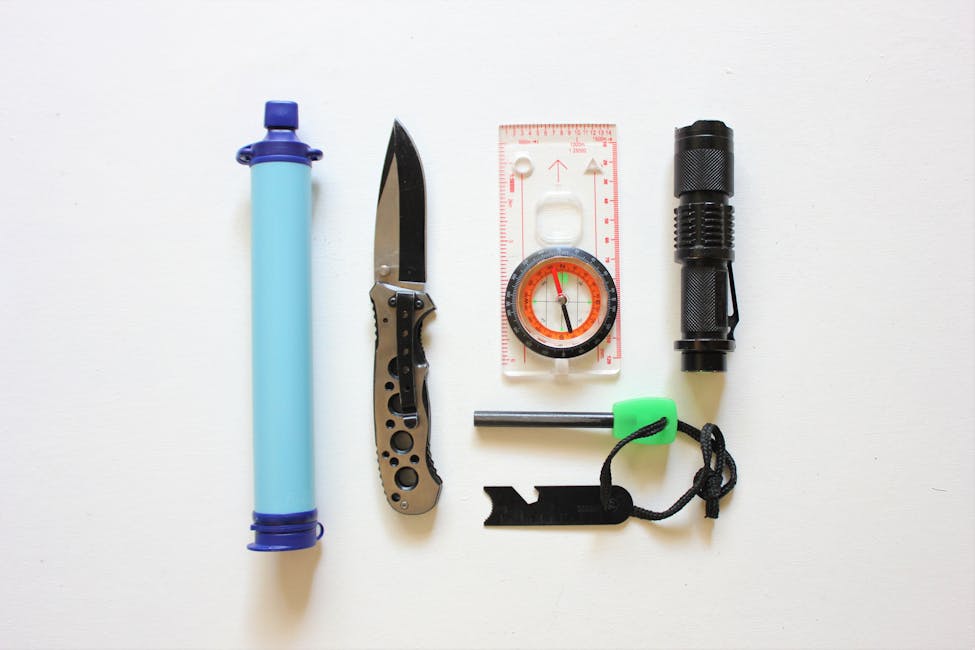
| Water filter (LifeStraw or similar) | 1 per household | Filters up to 1,000 gallons |
Pre-Built Kit vs. Build Your Own
Both approaches work. Here's a straight comparison to help you decide:
Pre-Built Kit: ReadyWise 72-Hour Emergency Food Supply
ReadyWise 72-Hour Emergency Food Supply Kit
Pre-portioned meals for 1 person · ~1,800 cal/day · 25-year shelf life · Easy-open pouches · No cooking skills needed
~$49.99
View ReadyWise Kit →Pros: Grab-and-go convenience. Long shelf life. Variety of meals. No assembly required.
Cons: Typically lower calorie count than advertised on label. Requires boiling water for most meals. Less flexibility for dietary restrictions.
Build Your Own: ~$45–$65 at Any Grocery Store
Using the checklist above, a 72-hour food supply for one adult costs roughly $45–$65 at a regular grocery store — comparable to a pre-built kit. The advantage is you choose every item and you know exactly what calories you're getting.
DIY 72-Hour Kit Shopping List (Amazon Staples)
Clif Bars (12-pack) · Jif peanut butter squeeze packs · Wasa crackers · Wild Planet tuna (6-pack) · Planters trail mix · Progresso soup (4-pack) · Sunsweet dried mango · Water tablets
~$55–$65 total
Build Your Kit on Amazon →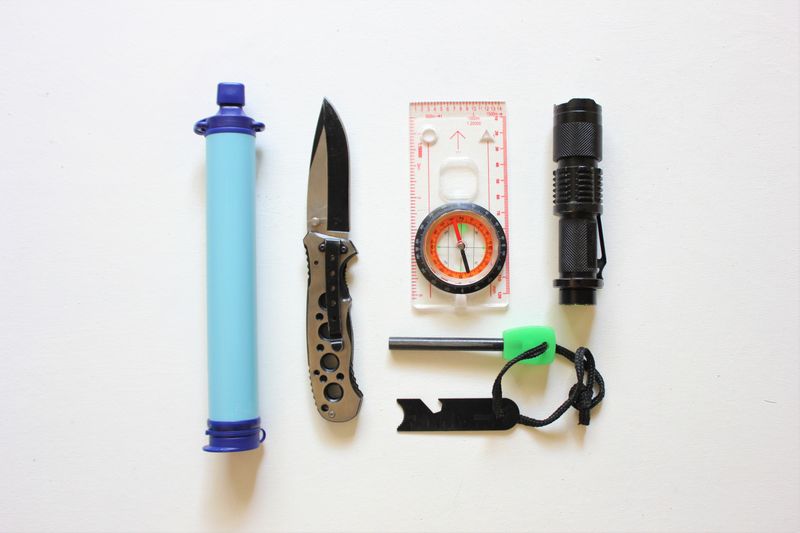
What Are the Shelf Life Requirements for Emergency Kit Foods?
Your 72-hour kit is only useful if the food is still good when you need it. Set a calendar reminder to rotate your kit every 12 months. Here's what to expect from common kit foods:
- Energy bars (Clif, Kind, Datrex): 12–24 months. Check date and rotate annually.
- Peanut butter single-serve packs: 9–12 months. Buy commercial squeeze packs, not homemade.
- Crackers: 6–12 months in airtight packaging. Store in a sealed bag inside your kit.
- Canned fish/soup: 3–5 years. Longest-lasting option in the kit.
- Trail mix / nuts: 6–12 months. Oils go rancid; store cool and dark.
- Dried fruit: 12–18 months sealed.
- Water (commercial bottles): Technically indefinite if sealed, but best rotated every 1–2 years.
Special Considerations
For Infants and Toddlers
Formula-fed infants need stored formula and water. Store at least a 3-day supply of unopened formula and 3 gallons of water per infant. Breastfeeding mothers need extra calories and hydration — add 500 cal/day to their target.
For Pets
A 20-lb dog needs about 1–1.5 cups of dry food per day. A cat needs about half that. Add at least 3 days of pet food and 1 gallon of water per pet to your kit.
For Medications
Keep a 3-day supply of critical medications in your kit, rotated regularly. Check with your pharmacy about emergency supplies — many will provide them with a doctor's note. The CDC's emergency preparedness guidance recommends including a 7-day supply of essential medications whenever possible.
How to Store Your 72-Hour Kit
The best kit is the one you can grab in 90 seconds or less. Recommended storage options:
- Rolling duffel bag: Easy to grab, fits in a closet, holds everything for 2–4 people
- Plastic storage tub with lid: Stackable, inexpensive, keeps food dry and pest-free
- Backpack per person: Best for evacuation scenarios — everyone carries their own
Store it somewhere accessible — not in the back of a storage unit or under heavy items. Your hallway closet, under a bed, or in your car trunk are all good options.
Once your 72-hour kit is sorted, consider expanding to a 2-week food supply. You can also use our food storage calculator to plan the exact quantities for your household size.
Frequently Asked Questions
Related Resources
- Portable power and emergency energy solutions Every survival kit needs reliable emergency power.
How much food do I need for a 72-hour kit?
Plan for 2,000 calories per day per adult, for 3 days = 6,000 calories total per adult. For a family of four (2 adults, 2 kids), you need approximately 18,000–22,000 calories. Focus on calorie-dense, no-cook or minimal-prep foods: energy bars, peanut butter, crackers, canned goods, and trail mix.
How much water do I need per person in an emergency?
FEMA recommends 1 gallon of water per person per day — half for drinking, half for sanitation. For a 72-hour kit, store 3 gallons per person minimum. In hot weather or if someone is ill, double this. Don't forget water for pets.
Is it better to buy a pre-built 72-hour kit or build your own?
Pre-built kits offer convenience and are a great starting point, but most are undercaloric — verify the calories per day before buying. Building your own costs roughly the same or less and lets you customize for dietary needs and preferences. A hybrid approach works well: buy a compact pre-built kit as a base, then supplement with your own additions.
What foods should not be in a 72-hour emergency kit?
Avoid foods that require refrigeration, lengthy cooking, or large amounts of water to prepare. Skip anything with short shelf life (fresh bread, dairy, fresh produce). Also avoid very high-sodium foods if water is limited, and foods family members are allergic to or won't eat under stress.