
Every year, dozens of people die in North America from winter vehicle emergencies that were survivable with basic preparation. Getting stuck in a blizzard, sliding into a ditch on a rural highway, or dealing with a dead battery in -25°C weather are all scenarios where a few pounds of gear in your trunk can mean the difference between a minor inconvenience and a life-threatening emergency.
The Public Health Canada vehicle emergency preparedness guidelines recommend carrying a winter car survival kit from November through April in northern climates. This is standard safety practice in rural Ontario, Manitoba, and any cold-climate region.
The Complete Winter Car Survival Kit Checklist
Warmth (Priority 1)
- ✅ Wool or synthetic sleeping bag rated to -20°C (or heavy wool blanket) — $35–80
- ✅ Chemical hand warmers — 10+ packets (~$15 for 10-pack)
- ✅ Emergency space blankets — 2x ($5)
- ✅ Extra gloves and hat in trunk
- ✅ Emergency candle (3-wick UCO candle lasts 36 hours, generates surprising warmth in an enclosed vehicle)
Vehicle Recovery
- ✅ Portable jump starter (Goal Zero Sherpa or NOCO Boost) — $80–120
- ✅ Traction mats (TRAC-GRABBER or Maxtrax-style boards) — $30–40 for basic, $100+ for serious off-road boards
- ✅ Compact folding shovel — $20–30
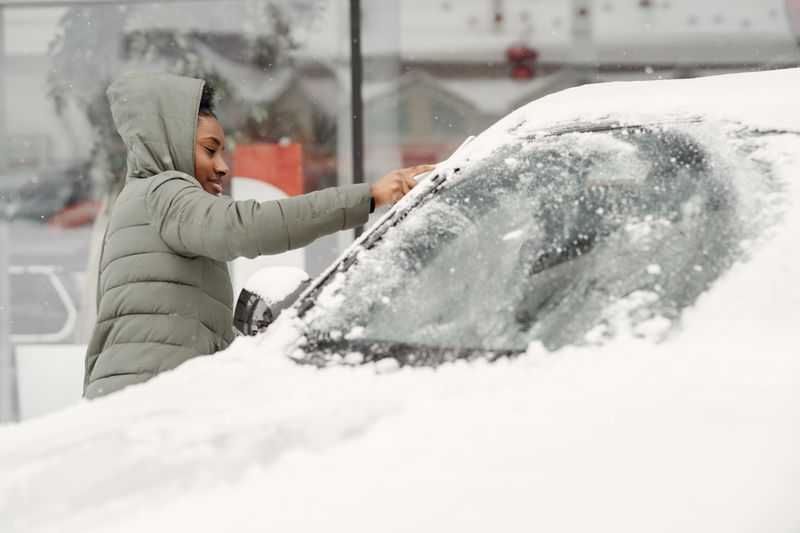
- ✅ Window ice scraper with brush — $10
- ✅ Bag of sand or kitty litter (traction on ice) — $5
- ✅ Tow strap — $20
Safety and Communications
- ✅ Road flares or LED emergency triangles — $20
- ✅ Flashlight with extra batteries (or headlamp) — $15–30
- ✅ Car phone charger and backup battery bank
- ✅ Whistle
- ✅ Brightly colored cloth or flag for vehicle marking
Water and Food
- ✅ 2L of water per person (note: will freeze — insulate or carry inside vehicle)
- ✅ High-calorie snacks: energy bars, nuts, jerky — 2,000 calories per person
- ✅ Small pot for melting snow if extended entrapment
First Aid
- ✅ First aid kit — basic trauma kit with bandages, gauze, medications
- ✅ Personal medications (keep a 3-day supply in your car kit)
- ✅ Hand sanitizer
Top Product Picks
Best Portable Jump Starter: NOCO Boost HD GB70
The NOCO Boost HD GB70 (2,000A peak, handles engines up to 8L gas/6L diesel) is the best portable jump starter for most vehicles. It can jump a dead battery without a running vehicle, doubles as a 12V power supply, and includes a built-in LED flashlight. At $130–150, it's the one piece of kit that can get you moving again without waiting for a tow truck.
Check current prices on Amazon
Best Traction Aid: Maxtrax MKII
If you drive rural roads or off-pavement, Maxtrax MKII boards ($220/pair) are the professional choice. For suburban/rural drivers who rarely venture far off-road, the TRAC-GRABBER ($35/pair) handles most typical "stuck in a ditch" scenarios. Match the traction aid to your actual likely scenario — don't over-buy or under-buy.
Check current prices on Amazon
What to Do If You're Stranded
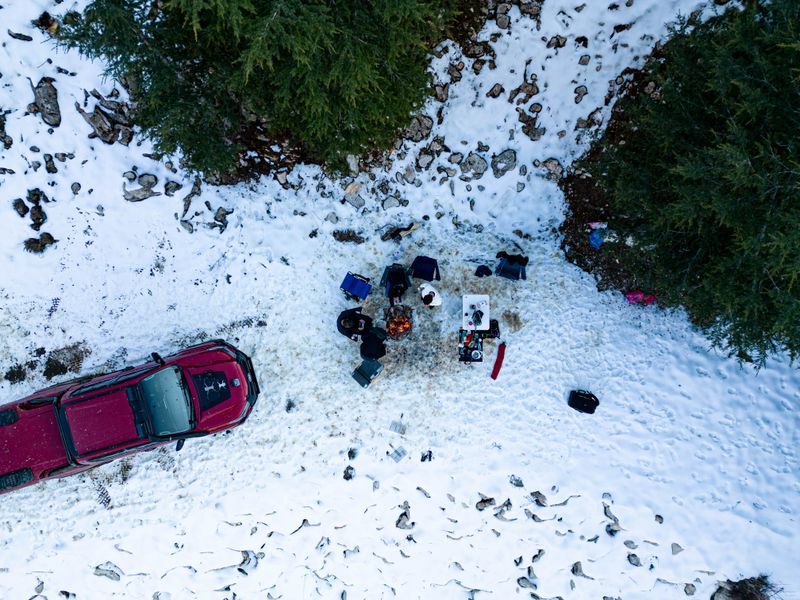
- Stay with your vehicle unless you can see shelter within 100 metres. A vehicle is visible to rescuers; a person on foot is not.
- Tie something bright to your antenna — makes your vehicle visible to passing traffic and aerial searchers.
- Run engine 10 minutes per hour — always check that exhaust pipe is clear of snow first. Partially open a window for ventilation.
- Light a candle — a single candle in an enclosed vehicle can raise interior temperature by 5–10°C.
- Call for help early — don't wait until your phone battery is at 5% to call 911 or CAA.
- Conserve body heat — use your sleeping bag, huddle with other passengers, minimize exposure to cold.
For broader emergency preparedness beyond your vehicle, see our 72-hour emergency kit guide and our grid-down survival guide for home-based preparedness planning. Our bug out bag guide covers portable preparedness kits that bridge vehicle and on-foot scenarios.
Frequently Asked Questions
Related Resources
- Portable power and emergency energy solutions Every survival kit needs reliable emergency power.
What should be in a winter car survival kit?
A winter car survival kit should include: wool blanket or emergency sleeping bag, hand warmers (10+ packets), emergency candle and waterproof matches, portable jump starter, traction mats, window scraper, small shovel, water (1L+ per person), high-calorie snacks, first aid kit, road flares, flashlight with extra batteries, and a phone charger. Store these in a bag in your trunk from November through April.
How long can you survive in a car in winter?
With the right equipment, you can survive indefinitely in a stranded winter vehicle. Without preparation, survival time at -20°C in a car with no heat is approximately 2–3 hours before dangerous hypothermia sets in. With a quality sleeping bag and chemical hand warmers, you can maintain safe body temperature for 24–48+ hours while awaiting rescue.
Should you run your car engine to stay warm if stranded?
Intermittently, yes — run the engine 10 minutes per hour to generate heat. Before running the engine, check that the exhaust pipe is clear of snow. A blocked exhaust pipe causes carbon monoxide to enter the cabin. Leave a window slightly cracked for ventilation. Never run the engine continuously — CO accumulation risk is real even with normal exhaust flow in a sealed vehicle.
What is the most important item in a winter car survival kit?
A quality wool blanket or -20°C rated sleeping bag is the single most important item — it directly addresses hypothermia and works even if your vehicle has no heat. Followed closely by a portable jump starter and hand warmers. Thermal protection is the critical foundation of any winter vehicle kit.
Get weekly guides from SurvivalLab
No spam. Unsubscribe anytime.