Last Updated: May 2026
Emergency Supply Kit Statistics 2026: What Percentage of Americans Are Truly Prepared?
Emergency preparedness is one of those things most Americans agree is important — but far fewer actually follow through on. Despite repeated natural disasters, public health crises, and widespread awareness campaigns, the majority of U.S. households remain underprepared for an emergency that requires them to survive on their own for 72 hours or more. This page breaks down the latest data on emergency supply kit ownership, household planning rates, and the persistent preparedness gap across income levels, regions, and demographics.
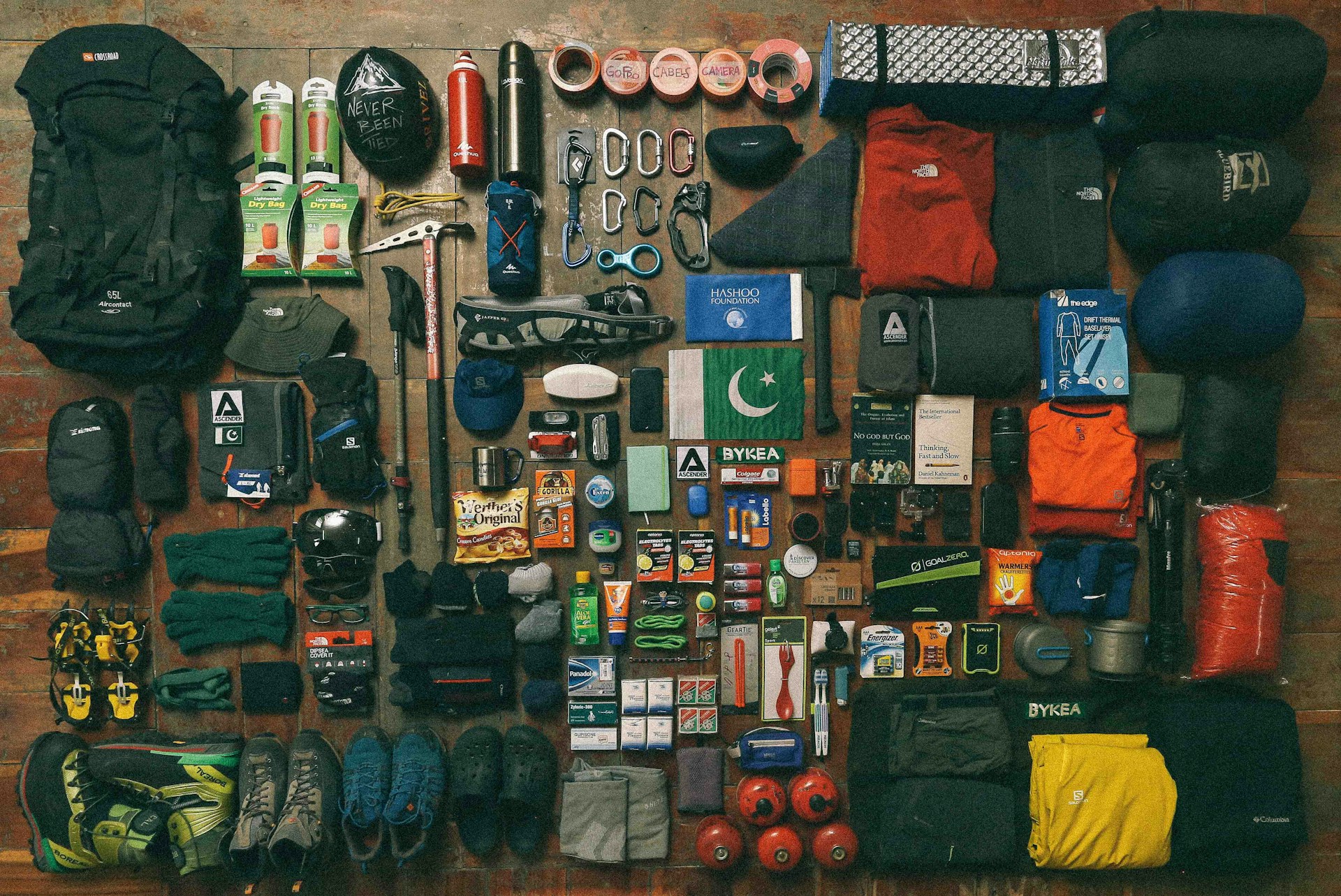
National Preparedness Overview
48%
of Americans have a three-day emergency supply of food and water
— FEMA National Household Survey, 2023
39%
have a household emergency plan that all family members know and have practiced
— FEMA, 2023
61%
of Americans have no emergency plan at all — the single largest preparedness gap
— FEMA, 2023
17%
have taken a first aid or CPR course in the past five years
— American Red Cross / FEMA, 2023
~24 hrs
median household food supply — three times below the FEMA-recommended 72-hour minimum
— FEMA National Household Survey, 2023
0–48 hrs
of drinking water stored in the median U.S. household — the widest gap between recommendation and reality
— FEMA / CDC, 2023
1 in 5
households have never discussed emergency preparedness with family members
— American Red Cross, 2023
Emergency Supply Kit Contents & Shortfalls
FEMA recommends
1 gallon of water per person per day for at least 3 days; 3-day supply of non-perishable food; flashlight; battery-powered radio; first aid kit; whistle; dust masks; plastic sheeting and duct tape; manual can opener; medications; and copies of important documents
— Ready.gov / FEMA, 2024
67%
of households have a flashlight with working batteries — the most common preparedness item
— FEMA National Household Survey, 2023
52%
have a battery-powered or hand-crank radio (including NOAA weather radios)
— FEMA, 2023
44%
have a first aid kit that is fully stocked and not expired
— FEMA, 2023
34%
have a whistle, pocket knife, or multi-tool in their emergency kit
— FEMA, 2023
22%
have plastic sheeting and duct tape — items specifically recommended for shelter-in-place emergencies
— FEMA, 2023
5%
of households have a complete FEMA-recommended emergency kit with every item on the official checklist
— FEMA / University of Colorado Natural Hazards Center, 2023
Income, Geography & Demographic Variation
30%
emergency supply ownership among households earning under $25,000 per year
— FEMA National Household Survey, 2023
60%+
supply ownership among households earning $75,000 or more per year
— FEMA, 2023
2x
higher rate of adequate preparedness in households with homeowners insurance vs. renters
— FEMA, 2023
55%
preparedness rate in the Western U.S. (earthquake/fire risk) and the Southeast (hurricane risk)
— FEMA Regional Analysis, 2023
43%
preparedness rate in the Midwest and Northeast — lower despite significant tornado and winter storm risk
— FEMA Regional Analysis, 2023
33%
of urban households have adequate supplies vs. 48% of suburban and 45% of rural households
— American Red Cross, 2023
Households in regions that experience frequent natural disasters — particularly the West (wildfires, earthquakes) and Southeast (hurricanes) — are more likely to maintain emergency supplies than areas with less acute risk profiles. However, even in these higher-risk regions, the majority remains insufficiently prepared per FEMA's recommendations. For a deeper regional comparison, see our Wildfire Statistics 2026 and Hurricane Preparedness Statistics pages.
Medication Supply, Generators & Power
27%
of Americans on prescription medications have a 2-week emergency supply
— FEMA / CDC, 2023
20%
of American homes have a backup generator for power outages
— Generac / Statista, 2023
12%
have a portable power station or solar generator (a rapidly growing segment)
— Consumer Technology Association, 2024
73%
of Americans on prescription medications do NOT have an emergency supply beyond their regular refill period
— FEMA / CDC, 2023
$7,500+
average cost for a professionally installed whole-home standby generator — a barrier for most renters and lower-income homeowners
— HomeAdvisor / Angi, 2024
50%
of generator-related deaths during disasters are from carbon monoxide poisoning due to improper indoor use
— CDC, 2023
First Aid, CPR & Survival Training
17%
have taken a first aid or CPR course in the past 5 years
— American Red Cross / FEMA, 2023
54%
have ever taken a first aid or CPR course at any point in their life
— American Red Cross, 2023
29%
of U.S. adults report knowing how to perform hands-only CPR
— American Heart Association, 2023
65%
drop in first aid/CPR course enrollment from 2020 peaks to 2023 baseline
— American Red Cross / AHA, 2024
8%
of U.S. households have a family member with current Wilderness First Aid (WFA) or Wilderness First Responder (WFR) certification
— NOLS / Outdoor Industry Association, 2023
Emergency Kit Market & Industry Trends
$2.5B
size of the U.S. emergency preparedness kit market (2025 estimate)
— MarketResearch.com / Allied Market Research, 2025
8%
annual growth rate of the emergency kit market, driven by climate anxiety and pandemic awareness
— Allied Market Research, 2024
$50–300
typical price range for pre-assembled emergency kits sold by major retailers and specialty vendors
— Consumer survey, 2024
61%
of emergency kit purchases are made online (Amazon, survival supply sites) vs. in-store
— Statista / Consumer survey, 2024
37%
of emergency kit buyers say "climate change and extreme weather" was their primary motivator
— National Retail Federation, 2024
3.5M
Go bags or "bug-out bags" sold in the U.S. in 2024 — a 12% increase year-over-year
— Outdoor Industry Association / Amazon sales data, 2025
Pandemic Impact & Preparedness Spikes
400%
spike in search volume for "3-day emergency supply kit" in March 2020 at the onset of COVID-19
— Google Trends, 2020
58%
of Americans reported having emergency supplies in April 2020 — the highest measured point in FEMA survey history
— FEMA COVID-19 supplements, 2020
48%
preparedness rate by 2022 — a 10-point drop from the pandemic peak back toward pre-pandemic baselines
— FEMA National Household Survey, 2023
2.3x
more households had emergency supplies in 2023 vs. 2015 — but 52% still are not FEMA-ready
— FEMA (2015–2023 panel data), 2023
28%
of Americans who bought supplies during the pandemic say they have not replenished or rotated them since
— FEMA / Red Cross, 2023
For a broader look at how Americans are — and are not — preparing for specific disaster scenarios, read our Hurricane Preparedness Statistics 2026 and Wildfire Statistics 2026 pages.
Cite This Page
SurvivalLab. "Emergency Supply Kit Statistics 2026: What Percentage of Americans Are Truly Prepared?" SurvivalLab, May 2026. https://survivallab.co/stats/emergency-supply-kit-statistics-2026
Frequently Asked Questions
What percentage of Americans have an emergency supply kit?
According to FEMA's most recent National Household Survey (2023), 48% of Americans have a three-day emergency supply of food and water. However, this figure drops significantly when measured against the full FEMA recommendation checklist: only 39% have a household emergency plan, and just 5% have every item from the official FEMA emergency kit checklist.
What should be in a basic emergency supply kit?
FEMA recommends a basic 72-hour kit include: 1 gallon of water per person per day for 3 days, 3 days of non-perishable food, a flashlight, battery-powered or hand-crank radio, first aid kit, whistle, dust masks, plastic sheeting and duct tape, a manual can opener, local maps, prescribed medications, eyeglasses, infant formula or pet food if applicable, and copies of important documents (insurance, ID, bank records) in a waterproof container.
Does income affect emergency preparedness?
Significantly. Households earning under $25,000 per year show emergency supply ownership rates below 30%, while households earning $75,000 or more exceed 60%. This two-to-one gap reflects that preparedness has real costs — a fully stocked emergency kit can run $150–300, and whole-home backup generators cost $7,500 or more installed. Renters are also roughly half as likely to be prepared compared to homeowners.
Did COVID-19 permanently improve emergency preparedness?
Not meaningfully. While 58% of Americans reported having emergency supplies in April 2020 — the peak during the pandemic — that figure dropped to 48% by 2022, almost fully reverting to pre-pandemic baselines. Searches for "emergency supply kit" spiked 400% in March 2020 but returned to near-normal by mid-2021. The pandemic created a temporary preparedness spike but did not produce lasting behavioral change for most Americans.
How can I build an emergency supply kit on a budget?
Start with the essentials: one gallon of water per person (use washed and filled soda bottles), canned goods with pull-tops, a basic first aid kit ($15–25 at most retailers), a flashlight with spare batteries, and a battery-powered radio. Buy one or two items per week. Prioritize water storage first — it's the item most households are missing. Over time, add a whistle, multipurpose tool, dust masks, and copies of important documents stored in a sealed bag. For more guidance, see FEMA's Ready.gov checklist.