
The difference between a first aid kit and a trauma kit is the difference between treating a paper cut and treating a life-threatening injury. Most commercial first aid kits are designed for minor injuries in settings where 911 response arrives in minutes. Emergency preparedness requires planning for scenarios where help is 30 minutes away — or longer.
The STOP THE BLEED campaign, backed by the American College of Surgeons and the Department of Homeland Security, identifies uncontrolled external hemorrhage as the leading preventable cause of death in trauma scenarios. Their recommendations for civilian preparedness directly inform what should be in any serious emergency medical kit.
Trauma Essentials: What Saves Lives
In order of life-saving priority:
1. Tourniquet (CAT or SOFTT-W) — ~$30
A commercially approved tourniquet is the most important item in any trauma kit. The Combat Application Tourniquet (CAT Gen-7) and SOFTT-W are the two combat-proven options used by US military and recommended by TCCC (Tactical Combat Casualty Care) guidelines. WARNING: Only purchase from reputable suppliers — counterfeit CAT tourniquets are common on Amazon and fail at critical moments. Buy from North American Rescue, Rescue Essentials, or similar reputable medical suppliers.
Check current prices on Amazon
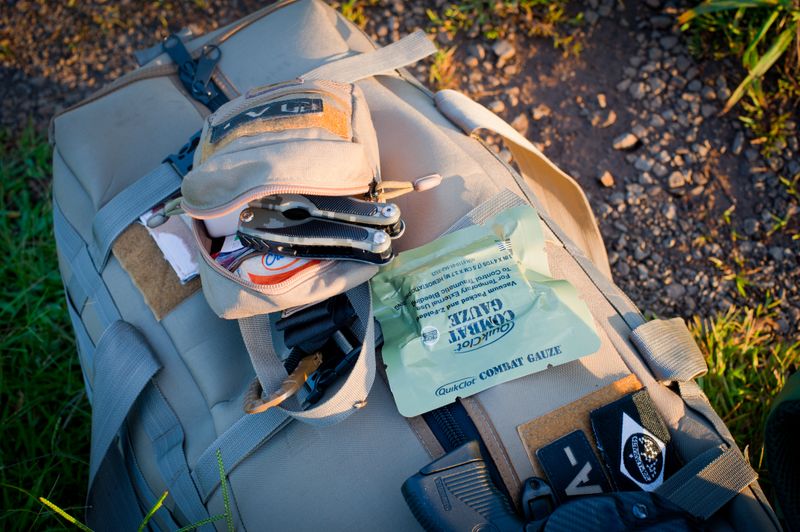
2. Hemostatic Gauze (QuikClot or Combat Gauze) — $20–30
Hemostatic gauze contains kaolin or chitosan that activates the body's clotting cascade, stopping bleeding from wounds that cannot be tourniqueted (neck, armpit, groin). QuikClot Combat Gauze is the current US military standard. Pack the wound with the gauze while applying direct pressure for 3+ minutes. Essential for any trauma kit.
Check current prices on Amazon
3. Israeli Bandage (Emergency Pressure Bandage) — $8
The "Israeli" pressure bandage (Emergency Bandage) is a self-contained compression system for wound bleeding control — used to secure hemostatic gauze, apply sustained pressure, and create occlusive dressings. The Israeli Bandage has been standard military issue since the 1990s and is among the most versatile wound management tools available.
4. Nitrile Gloves (multiple pairs)
Bloodborne pathogen protection for the responder. Keep 4+ pairs in any trauma kit.
5. EMT Shears
For cutting away clothing to access wounds quickly. Non-negotiable.
Best Pre-Built Emergency First Aid Kits
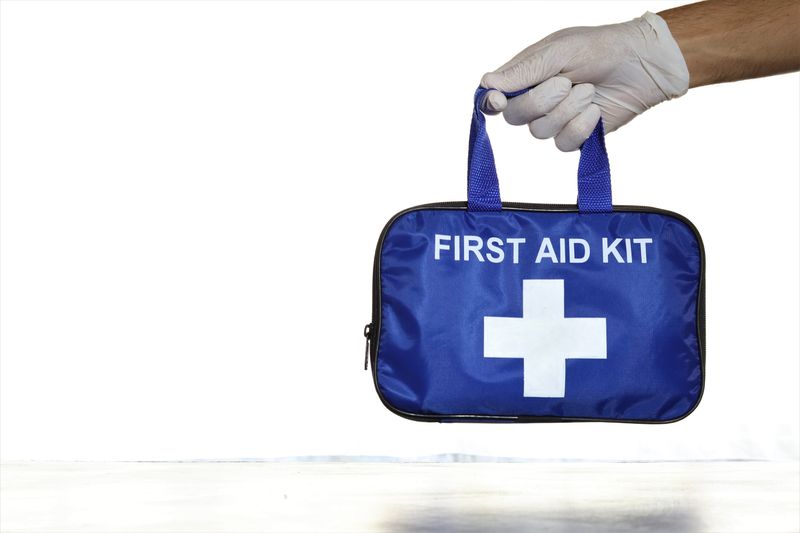
1. MyFAK Compact First Aid Kit ($60) — Best Pre-Built Trauma-Capable Kit
The MyFAK (My First Aid Kit) from My Medic is one of the few pre-built civilian kits that includes genuine trauma supplies: a CAT-style tourniquet, hemostatic gauze, Israeli bandage, chest seal, and comprehensive wound care. At $60, it provides a better emergency trauma foundation than most kits at twice the price. Start here and add prescription medications and any personal medical needs.
Check current prices on Amazon
2. Surviveware Small First Aid Kit ($35) — Best Organized Budget Kit
The Surviveware kit is well-organized with labeled pockets and high-quality basic supplies. It doesn't include trauma items out of the box but is the best organized base to add trauma supplies to. For a comprehensive home kit, buy this and add a CAT tourniquet and QuikClot gauze separately.
Home Kit vs Bug Out Bag Kit vs Vehicle Kit
| Application | Kit Type | Key Additions |
|---|---|---|
| Home base kit | Comprehensive (large) | Prescription stockpile, splints, wound irrigation, dental kit |
| Bug out bag | Compact trauma (IFAK) | CAT tourniquet, QuikClot, Israeli bandage, minimal extras for pack weight |
| Vehicle kit | Medium with trauma | CAT tourniquet, QuikClot, Israeli bandage, plus burn dressings, SAM splint |
The American Red Cross's first aid training programs provide the foundational skills to use your kit effectively — equipment without training is significantly less effective than training alone. Budget for both.
For building out your complete emergency preparedness kit including food, water, and communication, see our 72-hour emergency kit guide. For the bug out bag context where your compact medical kit belongs, see our best bug out bags guide.
Frequently Asked Questions
Related Resources
- Portable power and emergency energy solutions Every survival kit needs reliable emergency power.
What should a prepper first aid kit contain?
A prepper first aid kit should contain beyond the basics: a tourniquet (CAT or SOFTT-W), hemostatic gauze (QuikClot or Combat Gauze), Israeli bandage, chest seals, SAM splint, EMT shears, nitrile gloves, and a space blanket. These items address life-threatening trauma that will not be survivable if you can only treat minor wounds.
What is an IFAK and do civilians need one?
An IFAK (Individual First Aid Kit) is a trauma kit designed for treating life-threatening injuries — severe bleeding, airway management, and tension pneumothorax. Civilians can benefit from IFAK supplies in emergency preparedness scenarios where EMS response may be delayed. The STOP THE BLEED campaign promotes civilian tourniquet training and IFAK ownership as a public health measure.
What is the best pre-built first aid kit for emergency preparedness?
The MyFAK Compact First Aid Kit ($60) is the best pre-built first aid kit for emergency preparedness — it includes trauma supplies including a tourniquet, hemostatic gauze, and Israeli bandage. For a comprehensive home kit, the Surviveware Small First Aid Kit ($35) is a good organized base to supplement with trauma items.
Should I take a first aid course as part of emergency preparedness?
Yes — unequivocally. At minimum, complete a Wilderness First Aid course (16 hours) and STOP THE BLEED training (2 hours, free through many hospitals). CPR/AED certification is also highly recommended. The American Red Cross offers first aid courses nationwide. Equipment without training is significantly less effective than training alone.
Get weekly guides from SurvivalLab
No spam. Unsubscribe anytime.