
A knife is the most fundamental survival tool. In a survival scenario, a quality knife can help you build shelter, prepare food, process firewood, signal for help, and perform first aid. Choosing the right one means understanding blade geometry, steel types, and handle ergonomics — not just following "best of" lists.
Fixed Blade vs Folding: What the Field Reveals
Fixed blade knives are the correct choice for primary survival use:
- No mechanical failure points — no hinge or locking mechanism to jam with dirt, rust, or damage
- Full-tang construction allows heavy batoning (splitting wood by driving the knife through logs with a baton stick) — impossible safely with folding knives
- Easier to clean — no crevices to trap food, blood, or debris
- Handle options — can be used with gloves, easier grip in wet/cold conditions
Folding knives are better for everyday carry, EDC supplementation, and tasks where compactness matters. Ideal as a backup to a fixed blade, not as a replacement.
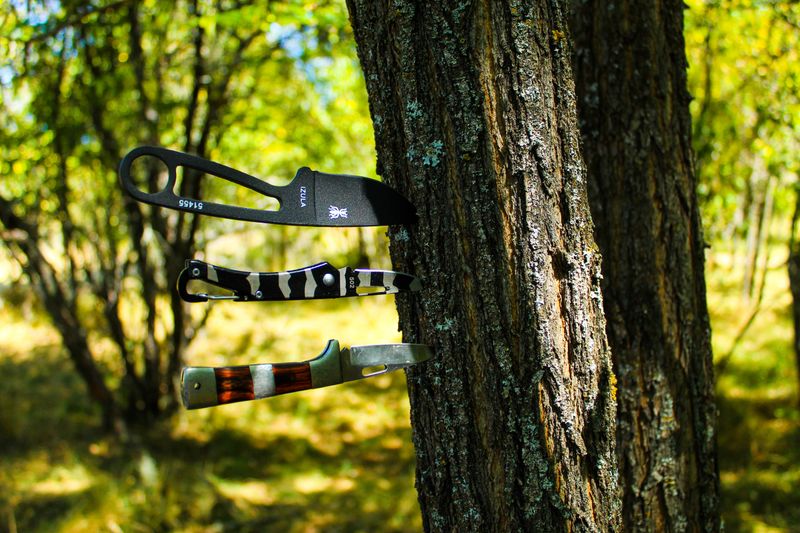
Best Survival Knives 2026
1. Morakniv Companion — Best Value ($15–$20)
The Morakniv Companion is the best-value survival knife available. Its Sandvik 12C27 stainless steel blade holds a razor edge, the Scandinavian (Scandi) grind is the easiest to re-sharpen with a flat stone in the field, and the ergonomic rubber handle is secure even in wet conditions. The 4.1" blade handles food prep, wood processing, and general camp tasks effectively. At $15–20, every bug out bag should have one regardless of what other knives you carry.
Check current prices on Amazon
2. ESEE-4 — Best Mid-Range Fixed Blade ($100)
The ESEE-4 is the standard benchmark for professional-grade survival knives. The 1095 carbon steel blade (105HRC) holds an exceptional edge and can spark with a ferro rod, the 4.5" length is ideal for most tasks, and the Micarta handle is comfortable in all conditions. Full-tang construction. The ESEE warranty is lifetime — they'll replace or repair the knife unconditionally. A genuine professional tool used by military, search and rescue, and serious preppers.
Check current prices on Amazon
3. Benchmade Puukko — Best Premium Option ($200–$250)
The Benchmade Puukko uses CPM-S45VN powder steel — one of the best knife steels for edge retention and toughness in a survival application. The Scandinavian-style full-tang design with stabilized wood handle is both functional and aesthetically excellent. At $200+, this is a once-in-a-lifetime purchase for a serious prepper rather than a budget recommendation. Backed by Benchmade's LifeSharp service (free sharpening for life).
4. CRKT M21 — Best Folding Backup ($40–$55)
For a quality folding knife as secondary carry, the CRKT M21 offers a solid 3.5" blade with AutoLAWKS secondary safety lock. Durable construction at a reasonable price. Pair with a fixed blade primary — don't use a folder as your sole survival knife.
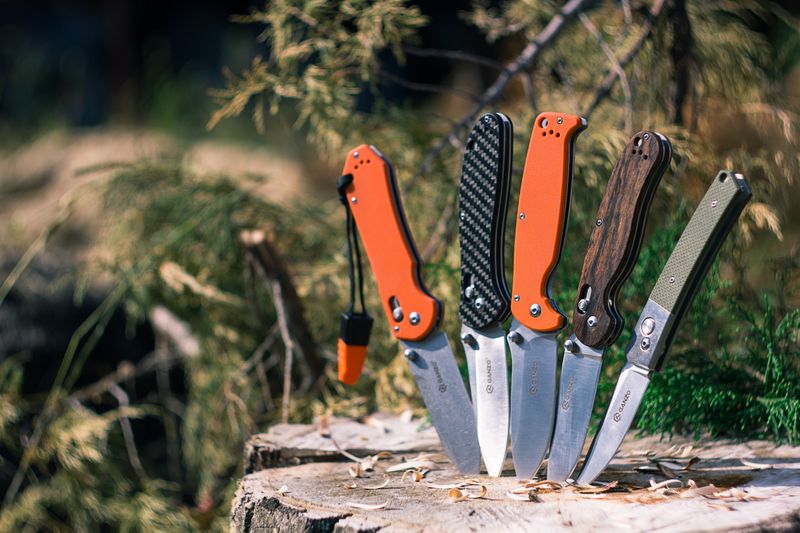
Survival Knife Skills: What Makes a Knife Useful
A quality knife in an untrained hand is far less useful than a basic knife in a trained hand. The most important survival knife skills:
- Batoning: Splitting wood for fire using the knife as a wedge and a baton stick to drive it — requires full-tang knife and proper technique
- Feathering: Creating thin wood curls as fire tinder — requires a sharp knife and control
- Field sharpening: Maintaining the edge with a pocket stone or ceramic rod — practice before you need it
- Carving: Creating improvised tools, shelters, traps — general whittling skills apply
The National Park Service wilderness preparedness guidelines identify a reliable cutting tool as one of the essential Ten Essentials for backcountry survival.
For a complete bug out bag build including knife selection in context, see our best bug out bags guide. For food preparation in emergency scenarios where your knife skills matter, see our best emergency food supply guide and 72-hour kit guide.
Frequently Asked Questions
Related Resources
- Portable power and emergency energy solutions Every survival kit needs reliable emergency power.
What is the best survival knife for a bug out bag?
The Morakniv Companion ($15–20) is the best survival knife for most bug out bags — inexpensive, excellent edge retention, easy to sharpen in the field, and weighing only 4.1 oz. For a more capable option, the ESEE-4 ($100) offers superior materials. A full-tang fixed blade is always preferred over a folding knife for primary survival use.
What steel is best for a survival knife?
For survival knives, 1095 carbon steel and Sandvik 12C27 stainless are the two most practical choices. 1095 holds an edge well, is easy to sharpen with basic tools, and can spark with a ferro rod — but requires oiling. 12C27 stainless is rust-resistant and still holds a good edge. High-end stainless like S35VN offers the best edge retention but requires more skill to sharpen in the field.
Should a survival knife be fixed blade or folding?
Fixed blade for primary survival use — no hinges to fail, simpler to clean, capable of heavier batoning. Folding knife for everyday carry and as backup. Ideally a survival kit has both: a fixed blade as primary (4–6 inch blade) and a quality folding knife as backup. Full-tang construction is mandatory for any fixed-blade survival knife.
What blade length is best for a survival knife?
For general survival use, a blade of 4–6 inches is the optimal range. Under 4 inches limits batoning and food prep capability. Over 6 inches becomes heavy and unwieldy for fine tasks. The 4.5–5.5 inch range (ESEE-4 at 4.5 inches) covers the widest range of survival tasks.
Get weekly guides from SurvivalLab
No spam. Unsubscribe anytime.