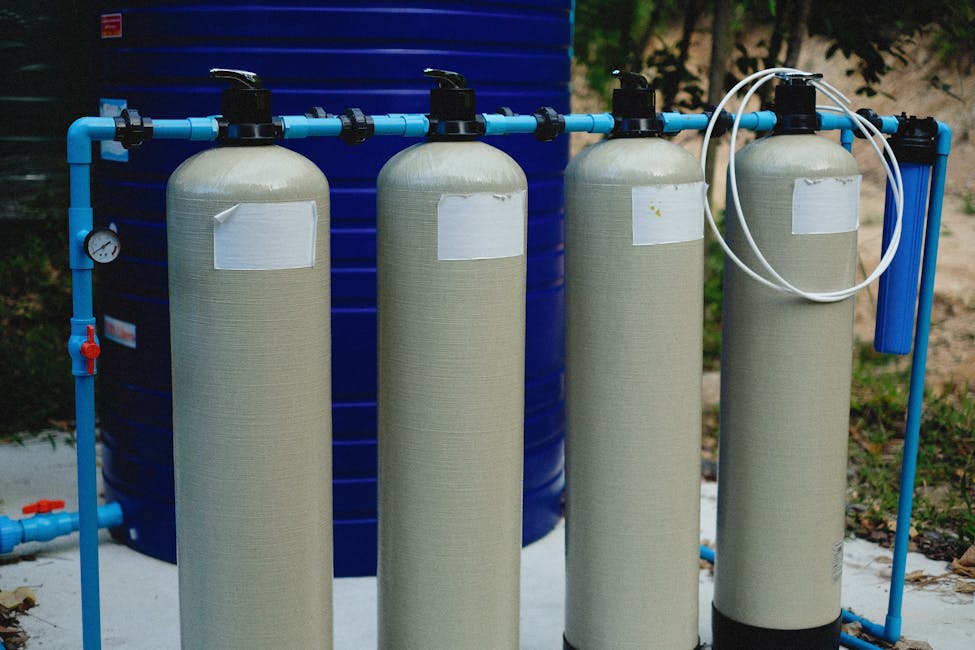
Water is your most critical emergency supply — more than food, more than shelter. An adult can survive 3 weeks without food but only 3 days without water. During an emergency, your municipal water supply may become contaminated, pressurized systems may fail, or flooding may make tap water unsafe. Both the EPA's drinking water program and the WHO consider access to safe water a foundational element of emergency health. Knowing which purification method to use — and when — could be the most important skill you have.
What Are You Protecting Against in Water Purification?
Water threats fall into three categories, and not every purification method handles all three:
- Bacteria: E. coli, Salmonella, Cholera. Common in water contaminated by sewage or animal waste.
- Viruses: Hepatitis A, Norovirus, Rotavirus. More common in developing countries but possible in contaminated municipal systems.
- Protozoa/parasites: Giardia, Cryptosporidium. Common in surface water (lakes, rivers, streams).
- Chemical contaminants: Heavy metals, pesticides, industrial chemicals. Cannot be removed by biological purification methods.
Knowing your water source tells you which threat to prioritize.
Why Is Boiling the Gold Standard for Water Purification?
Effectiveness: Kills 100% of bacteria, viruses, and parasites. Does NOT remove chemicals or heavy metals.
Boiling is the most reliable, cheapest, and most universally applicable method. The CDC recommends bringing water to a rolling boil for 1 minute (3 minutes above 6,500 ft elevation). That's it.
When to use it: Any time you have a heat source and suspect biological contamination. Perfect for post-flood tap water, surface water, or water from unknown sources.
Limitations: Requires fuel, takes time, and leaves water hot — you need containers for cooling. Does nothing for chemicals. A camp stove with fuel is essential if boiling is your primary method.
Method 2: Chemical Tablets (Iodine / Chlorine Dioxide)
Effectiveness: Kills bacteria and viruses. Chlorine dioxide (Aquatabs, Katadyn) also kills Cryptosporidium given enough contact time (4 hours). Iodine does NOT reliably kill Crypto.
Chemical tablets are the best backup to carry — they're cheap (~$10 for 50 tablets), weigh almost nothing, and have a 4-year shelf life. Drop one tablet per liter of water, wait 30–45 minutes, drink.
Potable Aqua Chlorine Dioxide Tablets (50 tablets)
Treats 50 liters · Kills bacteria, viruses, and Crypto · 4-year shelf life · ~$0.20/liter
~$12.99
View on Amazon →When to use it: Backup method, travel, and situations where you can't boil. Best paired with a physical filter to remove sediment first (cloudy water reduces tablet effectiveness).
Limitations: Slow (30 min–4 hours depending on threat). Slightly alters taste. No effect on chemicals.
Method 3: Physical Filters (LifeStraw, Sawyer)
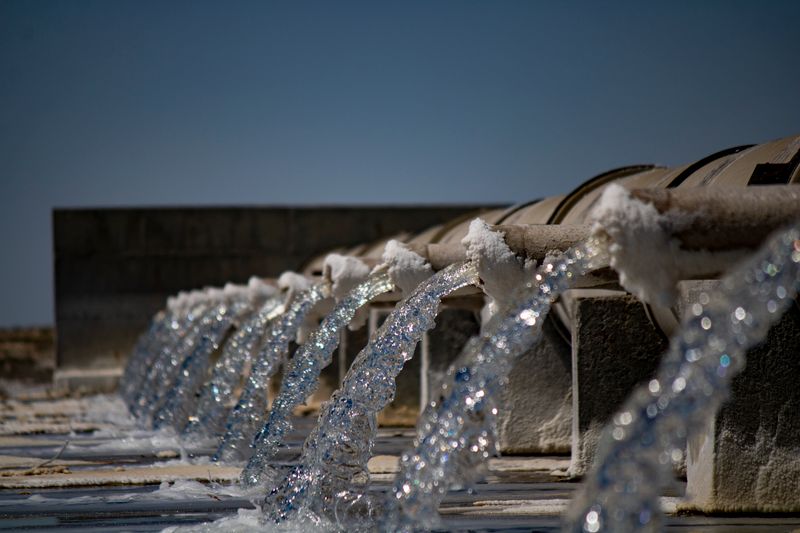
Effectiveness: Removes bacteria and protozoa (Giardia, Crypto). Most filters DO NOT remove viruses (too small). Sawyer SQUEEZE and LifeStraw filter down to 0.1 microns — effective against bacteria and protozoa but not viruses.
LifeStraw Personal Water Filter
Filters 1,000 gallons · Removes bacteria, protozoa, microplastics · 0.2 micron filter · No batteries needed · $20
~$19.99
View LifeStraw on Amazon →Sawyer Squeeze Water Filter
Filters 100,000+ gallons (essentially unlimited) · 0.1 micron absolute · Backflushable · Attaches to standard water bottles
~$39.99
View Sawyer Squeeze on Amazon →When to use it: Surface water (rivers, lakes, streams) in North America and other developed regions where viral contamination is low risk. The Sawyer Squeeze is the best value-for-capacity filter available — it essentially never needs replacing.
Limitations: Does not kill viruses. In areas with sewage contamination (post-flood urban environments), pair with chemical treatment for virus protection.
Method 4: UV Light (SteriPen)
Effectiveness: Kills bacteria, viruses, AND protozoa — all biological threats neutralized in 60–90 seconds. Does NOT remove sediment or chemicals.
SteriPen Adventurer Opti UV Purifier
Purifies 0.5L in 48 seconds, 1L in 90 seconds · Kills 99.9999% bacteria, 99.99% viruses · Rechargeable via USB · Compact
~$69.99
View SteriPen on Amazon →When to use it: Clear water sources where virus risk is a concern. The fastest method for safe treatment of biologically contaminated clear water. Requires clear water — UV light can't penetrate turbid/cloudy water effectively.
Limitations: Needs batteries or charging. Works on clear water only (pre-filter cloudy water first). Does nothing for chemicals.
Method 5: Distillation
Effectiveness: Removes bacteria, viruses, protozoa, AND most chemical contaminants, heavy metals, and dissolved solids. The most comprehensive method.
Distillation involves boiling water and capturing the steam as it condenses back to liquid — the contaminants stay behind in the boiling vessel. It's the only household method that addresses chemical contamination.
When to use it: When you suspect chemical or heavy metal contamination — post-industrial-accident situations, flooding near agricultural areas, or when your municipal supply has been compromised by something other than biological threats.
Limitations: Slow, energy-intensive, and requires equipment. Not practical for large volumes in a survival situation.
Comparison Chart
| Method | Bacteria | Viruses | Protozoa | Chemicals | Cost |
|---|---|---|---|---|---|
| Boiling | ✅ | ✅ | ✅ | ❌ | Free (needs fuel) |
| Chlorine dioxide tablets | ✅ | ✅ | ✅ (4+ hours) | ❌ | ~$0.20/liter |
| LifeStraw / Sawyer | ✅ | ❌ | ✅ | ❌ | $20–$40 one-time |
| SteriPen UV | ✅ | ✅ | ✅ | ❌ | $60–$100 one-time |
| Distillation | ✅ | ✅ | ✅ | ✅ (most) | Equipment + fuel needed |
How Much Water Should You Store and How Often Should You Rotate It?
FEMA's baseline is 1 gallon per person per day. Emergency planners recommend 2 gallons in hot climates or for active adults. Recommended storage amounts:
- 72-hour kit: 3–6 gallons per person
- 2-week supply: 14–28 gallons per person
- 3-month supply: 90+ gallons per person (for drinking and food prep — cooking your stored rice and beans requires significant water)
Rotation: Rotate commercially bottled water every 1–2 years (though it's technically safe much longer if sealed). Rotate tap water stored in clean jugs every 6 months. Store water away from chemicals and fuels — plastic can absorb odors and contaminants.
Recommended Kit: Layer Your Methods
The best approach is layered purification — multiple methods as backup for each other:
- Primary: Stored tap water or bottled water (no treatment needed)
- Backup 1: Sawyer Squeeze filter for surface water and large volumes
- Backup 2: Chlorine dioxide tablets for virus protection and portability
- Backup 3: Boiling capability (camp stove + fuel)
For around $60 total, you have reliable water purification for any scenario. See our 72-hour kit guide for how water fits into your full emergency plan, and the budget preparedness guide for how to build this on a $50 or $100 budget.
Frequently Asked Questions
Related Resources
- Portable power and emergency energy solutions Every survival kit needs reliable emergency power.
What is the safest way to purify water in an emergency?
Boiling is the safest and most reliable method — a rolling boil for 1 minute (3 minutes above 6,500 feet elevation) kills all biological contaminants. Combine it with filtration if the water is visibly dirty. Every other method is less reliable as a standalone solution.
How much water do I need to store per person?
FEMA recommends 1 gallon per person per day minimum — 0.5 gallons for drinking, 0.5 gallons for sanitation. Hot climates and physical activity increase this to 2+ gallons per person per day. Store at least 14 gallons per person for a 2-week supply.
Does a Brita filter work for emergency water purification?
No — standard Brita filters improve taste but don't remove bacteria, viruses, or chemical contaminants. For emergency use, invest in a Sawyer Squeeze (removes bacteria and protozoa) or a SteriPen (UV kills viruses). Neither replaces the other — ideally use both.
How long can I store tap water for emergencies?
Store-bought or tap water sealed in clean containers lasts 6–12 months before taste degrades. For optimal freshness, rotate your stored water every 6 months. Water treated with 8 drops of unscented household bleach per gallon can be stored up to 1 year.