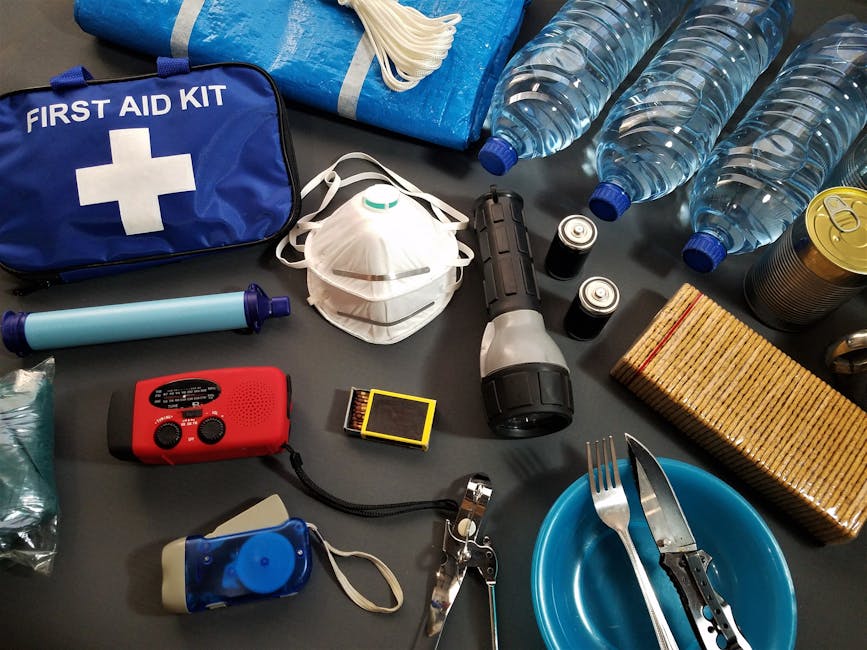
Emergency preparedness doesn't require expensive kits or a doomsday bunker. The most important supplies — food, water, basic tools — are available at any grocery store, and a meaningful preparedness kit for one person costs less than $50. FEMA's Ready.gov outlines the core essentials every household should have, all of which can be sourced at a regular grocery store. Here's how to build it at three budget levels.
What Can You Get with a $50 Emergency Budget?
For $50, you can build a solid 72-hour emergency kit for one adult using grocery store basics. This covers the most common emergency scenario: a 1–3 day disruption.
$50 Shopping List (Grocery Store)
- Bottled water (3 × 24-pack 16.9 oz) — ~$9 — 9 gallons per 3 packs (grab 1 pack = 3 gal minimum)
- Peanut butter (16 oz jar) — ~$3.50
- Crackers (2 boxes Ritz or Triscuit) — ~$7
- Trail mix / mixed nuts (16 oz bag) — ~$5
- Canned tuna (6-pack) — ~$9
- Canned beans (4 cans) — ~$5
- Ramen noodles (12-pack) — ~$4
- Energy bars (box of 6 Clif bars) — ~$8
Total: ~$50.50 | Calories: ~18,000+ | Duration: 3–4 days for one adult
Dollar store hack: Canned beans, soups, and peanut butter at dollar stores cost the same or less than grocery stores. Start there for canned goods to stretch your $50 further. The American Red Cross emergency preparedness guide also recommends keeping a manual can opener and basic first aid supplies in any starter kit.
What Can You Get with a $100 Emergency Budget?
Double your budget and you can cover 2 full weeks for one adult, or 1 week for a couple. This is the sweet spot for most households.
$100 Shopping List (One Adult, 2 Weeks)
- White rice, 10 lbs — ~$6 — ~16,500 cal
- Dried beans (pinto/black), 5 lbs — ~$5 — ~7,850 cal
- Rolled oats, 5 lbs — ~$5 — ~8,500 cal
- Peanut butter (2 × 16 oz jars) — ~$7 — ~5,300 cal
- Canned tuna (12 cans) — ~$18 — protein staple
- Canned soup / stew (8 cans) — ~$12 — ready-to-eat backup
- Canned beans (6 cans) — ~$7 — variety + quick protein
- Pasta (2 lbs) + tomato paste (2 cans) — ~$5
- Vegetable oil (32 oz) — ~$4
- Crackers (2 boxes) — ~$7
- Trail mix (32 oz) — ~$9
- Multivitamins (30-day) — ~$6
- Water (3 × 24-pack) — ~$9 — supplement with tap water jugs if possible
Total: ~$100 | Calories: ~65,000+ | Duration: ~2 weeks for one adult at 2,000 cal/day
The $200 Plan: 1-Month Supply with Variety
At $200, you can cover a full month for one person — or 2 weeks for two people — with enough variety to eat comfortably rather than just surviving.
$200 Shopping List (One Month, One Adult)
- White rice, 25 lbs — ~$15
- Dried beans (assorted), 10 lbs — ~$10
- Rolled oats, 10 lbs — ~$8
- Pasta, 5 lbs — ~$5
- Peanut butter (6 jars) — ~$21
- Canned tuna/salmon (24 cans) — ~$36
- Canned chicken (8 cans) — ~$16
- Canned soups/stews (12 cans) — ~$18
- Canned tomatoes/vegetables (12 cans) — ~$12
- Vegetable oil (2 × 32 oz) — ~$8
- Salt, sugar, spices (basics) — ~$8
- Honey (1 jar) — ~$7
- Dried fruit / nuts (bag) — ~$10
- Multivitamins (60-day) — ~$10
- Water + water purification tablets — ~$16
Total: ~$200 | Calories: ~60,000+ (base grains alone) | Duration: 30 days for one adult
Where Should You Shop for Budget Emergency Supplies?
Costco / Sam's Club (Best for Bulk)
25 lb bags of rice at Costco cost roughly $13–$15 — about half the unit price of a regular grocery store. If you have a membership or can share one with a neighbor, bulk clubs are the best value for rice, beans, oats, canned goods, and peanut butter.
Dollar Stores (Best for Canned Goods)
Dollar Tree and Family Dollar often price canned beans, soups, and vegetables at $1–1.25 per can, competitive with grocery stores. The quality is adequate for emergency storage. Skip the store-brand crackers (inferior quality) and stick to canned goods.
Regular Grocery Store (Best Convenience)
For a one-trip budget kit, a regular grocery store has everything you need. Watch for sales on canned goods — most grocery stores run "10 for $10" deals on canned goods regularly. Stock up when you see them.
Amazon Subscribe & Save (Best for Slow Building)
Amazon's Subscribe & Save program saves 5–15% on repeat orders. Set up monthly deliveries of key items — Clif bars, tuna pouches, nut butter — and your supply builds itself without a large upfront spend.
Free and Almost-Free Additions
Some of the most valuable emergency prep items are free or nearly free:
- Fill a bathtub: At warning of an emergency, fill your bathtub. 80+ gallons of free water.
- Save large plastic bottles: 2-liter soda bottles make excellent water storage. Wash with soap and water, fill with tap water, store in a dark location. Rotate every 6 months.
- Keep your car's gas tank above half: Gas stations lose power in emergencies. A full tank is free preparedness.
- Know where your utility shutoffs are: Free knowledge that can prevent a minor emergency from becoming a major one.
Once you've covered the food basics, consider your water strategy — see our water purification guide for affordable options. And if you're in an apartment, check our apartment preparedness guide for space-efficient storage ideas.
Frequently Asked Questions
Related Resources
- Portable power and emergency energy solutions Every survival kit needs reliable emergency power.
What is the cheapest way to prepare for an emergency?
The cheapest approach is buying calorie-dense staples at your grocery store: white rice ($0.50/lb), dried beans ($0.80/lb), rolled oats ($0.70/lb), and peanut butter ($3–4/jar). For $50, you can build a 7–10 day supply for one person. Skip specialty emergency food brands and use the grocery store.
Can you buy emergency food at the dollar store?
Yes — dollar stores carry canned goods, crackers, peanut butter, dried pasta, and bottled water at competitive prices. For a 72-hour food kit, dollar stores work well. For longer-term storage, quality and calorie density become more important, so grocery stores and warehouse clubs (Costco, Sam's Club) offer better value per calorie.
How do I build a 1-month food supply for $150?
Focus on bulk staples from a grocery store or Costco: 25 lbs rice (~$15), 10 lbs dried beans (~$10), 10 lbs oats (~$8), 6 jars peanut butter (~$18), 24 cans of soup/stew (~$24), 12 cans tuna (~$18), 2 bottles vegetable oil (~$8), 5 lbs pasta (~$5), salt/sugar/spices (~$10), and 5 cases bottled water (~$25). Total: ~$141 for approximately 60,000 calories — one month for one adult.