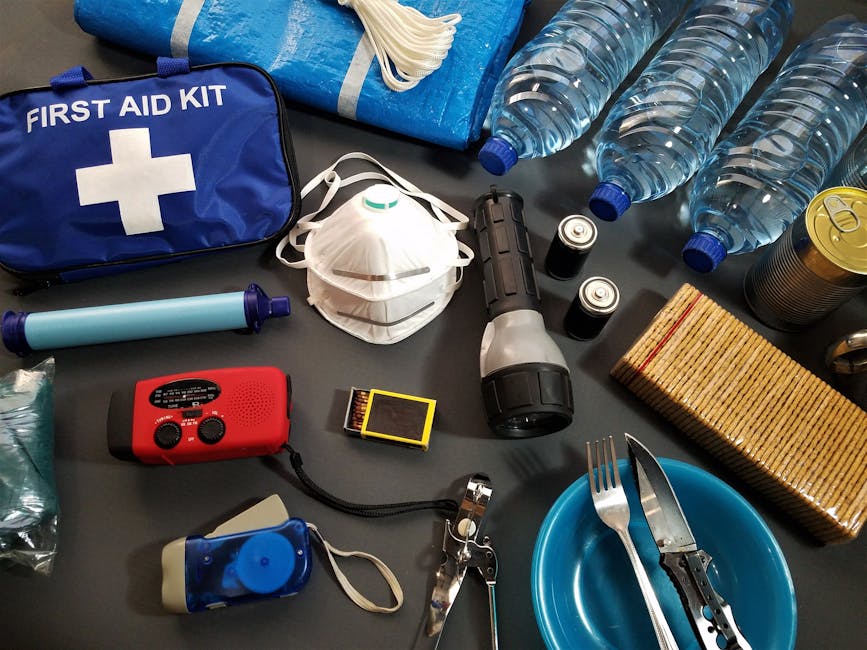
Living in an apartment doesn't mean you can't be prepared — it means you need to be smarter about it. You don't need a basement or a garage. You need a plan that fits your space, your building, and the specific risks that come with urban living. FEMA's Ready.gov recommends every household maintain at minimum a 72-hour emergency kit, regardless of living situation.
This guide gives you exactly that: a practical, space-efficient preparedness setup for apartment dwellers, organized by priority.
Why Apartments Need a Different Approach
The standard preparedness advice is built for houses with basements, garages, and yards. Apartment life is different in several key ways:
- Less storage space — every square foot matters
- Higher evacuation likelihood — building emergencies, fire alarms, gas leaks
- Shared infrastructure — your water and power are tied to the building, not just the grid
- Urban risk profile — power outages, water shutoffs, building lockdowns are far more common than natural disasters
- No outdoor cooking — you can't run a propane stove on a balcony in most buildings
The good news: most apartment emergencies are short-duration (24-72 hours). You don't need a year's supply — you need a smart 2-week setup with a solid grab-and-go option.
The Two-Kit Strategy for Apartments
Apartment preparedness works best with two distinct kits:
Kit 1: Shelter-in-Place Supply (2 weeks)
Stored in your apartment. Used when you stay put — power outage, snowstorm, water shutoff, building lockdown. Focus on compact, shelf-stable food you can eat without cooking.
Kit 2: Grab-and-Go Bag (72 hours)
A packed bag near your door. Used when you need to leave fast — fire evacuation, gas leak, building emergency. See our 72-hour emergency kit guide for the complete list.
Most apartment dwellers only think about one or the other. Both are necessary.
Small-Space Storage Solutions
You have more storage capacity than you think. Here's where to look:
Under the Bed
The biggest untapped storage space in most apartments. A standard queen bed has roughly 30–40 gallons of usable space underneath. Options:
- Flat stackable storage containers (IRIS or Sterilite, ~$15 each)
- Vacuum-sealed bags for clothing (to free up closet space for food)
- Water bricks (stackable, flat profile, ~$20 each, holds 3.5 gallons)
Closet Shelving
Dedicate one shelf — just one — to emergency supplies. A single 12-inch deep shelf can hold enough canned goods and dry staples for 2 weeks for one person. Add a small over-door organizer for packets, tea, spices, and small items.
Under Furniture
Sofas, coffee tables, entertainment units. Flat, sealed containers slide under most furniture without being visible. Water pouches work especially well here.
Inside Furniture
Ottoman storage, hollow bed frames, TV console drawers. These are already wasted space for most people — reclaim them for your kit.
Top of Closets
The highest shelf is usually dead space. Use it for lightweight items: freeze-dried meal pouches, paper goods, folded emergency mylar blankets.
What to Store: The Apartment Food List
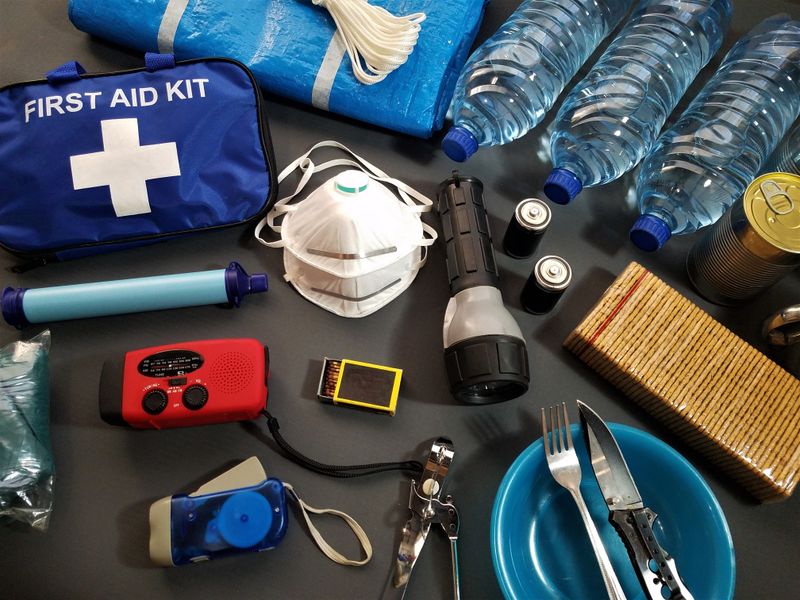
The goal is 2,000 calories/day per adult for 14 days = 28,000 calories per person. Focus on compact, high-calorie options.
Best Compact Foods for Apartments
| Food | Calories/lbs | Shelf Life | Cook Required? |
|---|---|---|---|
| Freeze-dried meals (pouches) | ~300–500/serving | 25+ years | Hot water only |
| Peanut butter (jar) | 2,664/lb | 1–2 years | No |
| Protein/granola bars | ~200–300/bar | 1–2 years | No |
| Canned tuna/salmon | ~600/can | 3–5 years | No |
| Instant oatmeal packets | ~150/packet | 2 years | Hot water only |
| Hard crackers (Pilot, Wasa) | ~130/serving | 2+ years | No |
| Canned beans/chickpeas | ~400/can | 3–5 years | No (eat cold) |
| Nuts (vacuum-sealed) | ~2,500/lb | 1–2 years | No |
Avoid: Bulky items that need lots of cooking water (dry pasta, dry beans), heavy canned soups with low calorie density, or anything requiring refrigeration after opening.
Water Storage in a Small Space
The minimum recommendation is 1 gallon per person per day — consistent with the CDC's emergency preparedness recommendations. For a 2-person household with a 2-week supply, that's 28 gallons — which sounds like a lot but fits under a bed easily.
Compact Water Storage Options
- Water bricks (~$20, 3.5 gallons each) — stackable, flat profile, fit under beds
- WaterBOB bathtub bladder (~$35) — fills your bathtub in an emergency, stores 100 gallons. Great backup that takes zero daily storage space.
- Pre-packaged water pouches — compact, long shelf life (5 years), great for the grab-and-go bag
Also consider a filter. A LifeStraw (~$20) can filter tap water if it's contaminated but still flowing — a common scenario in urban emergencies. See our water purification guide for full comparisons.
Cooking Without a Kitchen
In most apartments, your stove and microwave won't work during a power outage. Plan for no-cook or minimal-heat options.
Tier 1: No cooking needed
Peanut butter, crackers, canned foods (eat cold), protein bars, nuts, dried fruit. Stock enough of this to cover at least 3 days without any heat.
Tier 2: Just-add-water
Freeze-dried meals, instant oatmeal, instant mashed potatoes. You need a way to boil water — an electric kettle works during minor outages, or a small camp stove with fuel canisters for serious ones. Important: Only use propane/butane camp stoves outdoors or in very well-ventilated spaces — carbon monoxide is deadly indoors.
Tier 3: Full cooking
For extended shelter-in-place situations where power returns or you have a balcony, a single-burner camp stove expands your options considerably.
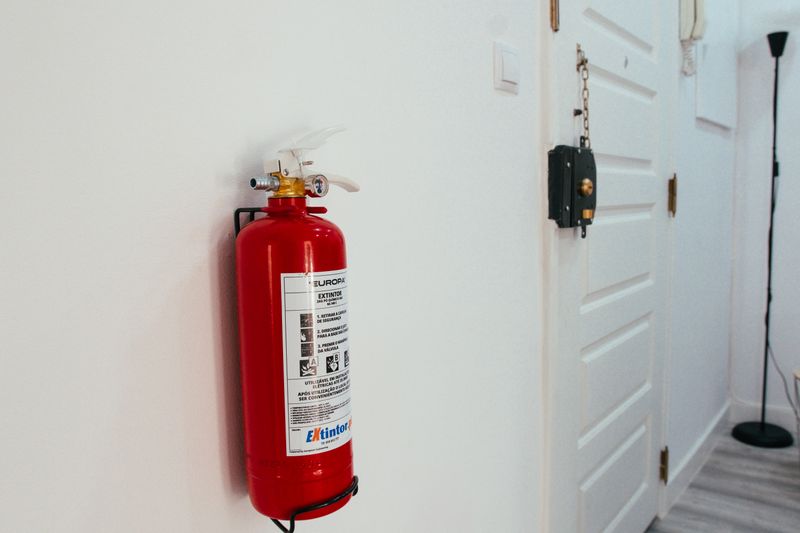
Urban-Specific Risks to Prepare For
Power Outages
Duration: Usually 24–72 hours in cities. Plan for: No stove, no microwave, no elevator, no charging. Keep a portable power bank charged (10,000+ mAh) for phone power. Headlamps beat flashlights for hands-free use.
Water Shutoffs
Why it happens: Building maintenance, pipe breaks, emergency repairs. Can last 4–24 hours without warning. Plan for: Have at least 3 gallons stored per person, plus a WaterBOB for emergencies. Fill bathtubs immediately when you hear a shutoff is coming.
Building Lockdowns
Why it happens: Police incidents in the area, building security events, pandemics. Plan for: Ability to shelter in place for 2–3 days without leaving. Your 2-week food/water supply covers this comfortably.
Evacuation Orders
Why it happens: Fire, gas leak, chemical spill, infrastructure failure. Plan for: Grab-and-go bag at the door. Know your building's exits beyond the elevator. Have a meeting point and contact plan with family/friends.
High-Rise Specific Issues
If you're above floor 5, plan for elevator outages. Keep your most critical supplies (water, medications, phone charger) accessible without needing multiple trips. Know your stairwell routes — and keep footwear near your bed in case of a nighttime evacuation.
Essential Apartment Emergency Kit List
Food (2-week supply, 1 person)
- 7 freeze-dried meal pouches (ReadyWise or Mountain House) — [affiliate placeholder]
- 2 lbs peanut butter (2 large jars)
- 2 boxes protein/granola bars (24 bars)
- 6 cans tuna or salmon
- 4 cans beans or chickpeas
- 2 lbs nuts (almonds, cashews, mixed)
- 2 boxes instant oatmeal (30 packets)
- 2 packs hard crackers (Wasa or Pilot)
- Dried fruit (raisins, apricots) — 1 lb
- Instant coffee or tea (if applicable)
- Multivitamins (30-day supply)
Water (minimum)
- 14 gallons stored (water bricks or jugs) per person
- WaterBOB bathtub bladder (emergency reserve)
- LifeStraw or Sawyer filter
- Water purification tablets (backup)
Power & Light
- 2 headlamps + extra batteries
- Portable power bank (20,000 mAh+)
- Solar or hand-crank charger (for extended outages)
- Battery-powered or hand-crank radio
Documents & Essentials
- Copies of ID, insurance, lease in waterproof bag
- Cash ($100+ in small bills)
- 7-day medication supply (keep it rolling)
- First aid kit
Evacuation (grab-and-go bag)
- Pre-packed bag near front door
- 3-day food supply (bars, pouches)
- 3 liters of water minimum
- Documents copy, cash, phone charger
- Change of clothes, rain poncho
30-Day Maintenance Checklist
Set a monthly reminder to do these checks in under 10 minutes:
- ☐ Power bank — plug in and top up
- ☐ Check water storage — replace if near expiry
- ☐ Check food — rotate any items expiring within 6 months
- ☐ Check medications — refill 7-day supply if depleted
- ☐ Verify grab-and-go bag is still at the door
Related Guides
Ready to go deeper? These guides will round out your preparedness plan:
- 72-Hour Emergency Kit: Complete Food & Water Checklist
- Emergency Preparedness on a Budget: $50, $100, $200 Plans
- Emergency Water Purification: Every Method Compared
- How Much Food Should You Store? The Complete Calculator Guide
Related Resources
- Portable power and emergency energy solutions Every survival kit needs reliable emergency power.
Frequently Asked Questions
How much emergency food can I store in a small apartment?
Even a small apartment can realistically hold a 2-week supply for 1–2 people using under-bed storage, a dedicated pantry shelf, and space under furniture. Focus on calorie-dense, compact foods like freeze-dried meals, canned goods, and dry staples.
What are the most common emergencies for apartment dwellers?
Apartment-specific risks include extended power outages, water shutoffs due to building maintenance or pipe failures, building lockdowns, gas leaks requiring evacuation, and elevator outages in high-rise buildings.
Can I store emergency water in an apartment?
Yes. Store at minimum 1 gallon per person per day for 3 days (3 gallons per person). Use stackable water bricks or flat water pouches that slide under furniture. A water filter like LifeStraw adds backup capability without needing large storage.
Do I need a bug-out bag in an apartment?
Absolutely — apartment dwellers should prioritize a grab-and-go bag over a large home stockpile. Evacuation is more likely in urban settings than in rural ones. Keep a 72-hour kit ready near your door at all times.
Build Your Emergency Kit on Amazon
Emergency Survival Kits →Emergency Radios →
72-Hour Emergency Food →
Get weekly guides from SurvivalLab
No spam. Unsubscribe anytime.