Most preppers start with gear. The right survival books change how you use it. FEMA data shows only 48% of Americans have assembled an emergency supply kit. Books close that gap by teaching planning, food, water, medical care, and shelter skills. The 72-hour emergency kit guide explains the first step. But a guide that sits in a backpack for years gives you something to act on when cell service dies. We reviewed the current 2026 print and digital editions, looking for field-tested instructions, clear diagrams, and realistic scenarios. The five books below are the ones we would actually grab. They range from a 672-page field manual to a focused food storage workbook. Our picks cover urban apartments, remote cabins, and everything in between.
Why books in 2026? Digital files fail when power goes out. A printed manual works after an EMP or flood. FEMA’s guidelines recommend every household keep a written emergency plan and reference materials. The CDC’s public health emergency preparedness page stresses that simple skills like water treatment and wound care prevent most disaster-related illnesses. A good book turns those guidelines into step-by-step instructions. The Red Cross emergency preparedness resources cover evacuation and shelter-in-place basics, but they stop short of long-term food storage. That is where our picks fill the gap.
We used a simple test for this list. Does the book give exact amounts, temperatures, and timelines? A food storage guide that says ‘store some rice’ is useless. One that tells you to keep 2,000 calories per person per day and rotate 300 pounds of staples for a 3-month supply is actionable. Our food storage calculator guide uses that same math. Each book also had to match FEMA’s recommendation of one gallon of water per person per day. If a guide contradicts that baseline, it got cut. We also checked for skills that work in apartments and small homes, not just remote cabins. Finally, we considered print quality because a survival book must survive being read by flashlight.
The top pick is not always the most expensive. We favored books under $40 that replace $1,000 in gear mistakes. For example, knowing how to start a fire without a ferro rod or purify water with household bleach saves serious money. The best emergency food supply costs more than a book; a book that teaches boiling and chemical treatment makes that budget go further. The same logic applies to emergency food. A five-gallon bucket of beans is worthless if you do not know how to soak, cook, and rotate it. Read on for the five guides we recommend in 2026.
How Do the Top Options Compare?
| Book | Best For | Pages | Price |
|---|---|---|---|
| SAS Survival Handbook | All-around field manual | 672 | Check price |
| Bushcraft 101 | Wilderness skills practice | 256 | Check price |
| The Survival Medicine Handbook | Medical care when help is delayed | 700 | Check price |
| The Prepper’s Long-Term Survival Guide | Balanced long-term planning | 240 | Check price |
| Emergency Food Storage & Survival Handbook | Dedicated food storage | 304 | Check price |
Page counts reflect current print editions. Prices may vary by format and retailer.
1. SAS Survival Handbook , Best all-around field manual

First published in 1986 and updated regularly, this is the manual we recommend before anything else. Wiseman spent 26 years in the UK Special Air Service. The book covers fire, water, shelter, food procurement, navigation, and disaster survival in 672 pages. It is dense. You will not read it straight through. But when a storm knocks out power or you get lost hiking, the index leads you to a hard answer. It is the one book we keep in every 72-hour kit. The print edition lies flat enough for gloved hands, which matters during a power outage. Check the SAS Survival Handbook on Amazon.
Key strengths:
- ✅ Covers nearly every survival topic in one 672-page volume
- ✅ Clear diagrams for knots, fires, and shelter construction
- ✅ Compact enough for a bug out bag but detailed enough for home use
- ❌ Dense text can overwhelm true beginners
- ❌ Some UK terms and measurements require conversion for US readers
Who it’s for: Anyone who wants one reliable all-in-one reference for a go-bag or home shelf.
2. Bushcraft 101 , Best for wilderness skills and bushcraft
Dave Canterbury runs the Pathfinder School in Ohio. His book focuses on the five Cs of survival: cutting tools, covering, combustion, containers, and cordage. It is better for building real skills than for disaster planning. The 256 pages are easy to work through over a weekend. Canterbury teaches you to use a knife safely, build a debris hut, start a fire with natural tinder, and cook over coals. This is not a ‘read in an emergency’ book; it is a practice manual. If you want to rely less on gear, start here.
Key strengths:
- ✅ Teaches five core skill areas instead of just listing gear
- ✅ Lightweight and easy to carry for practice outings
- ✅ Based on proven field instruction from a well-known school
- ❌ Not enough medical detail for long-term emergencies
- ❌ Requires practice; reading alone will not build proficiency
Who it’s for: Campers, hikers, and preppers who want hands-on wilderness skills.
3. The Survival Medicine Handbook , Best for medical care when help is delayed
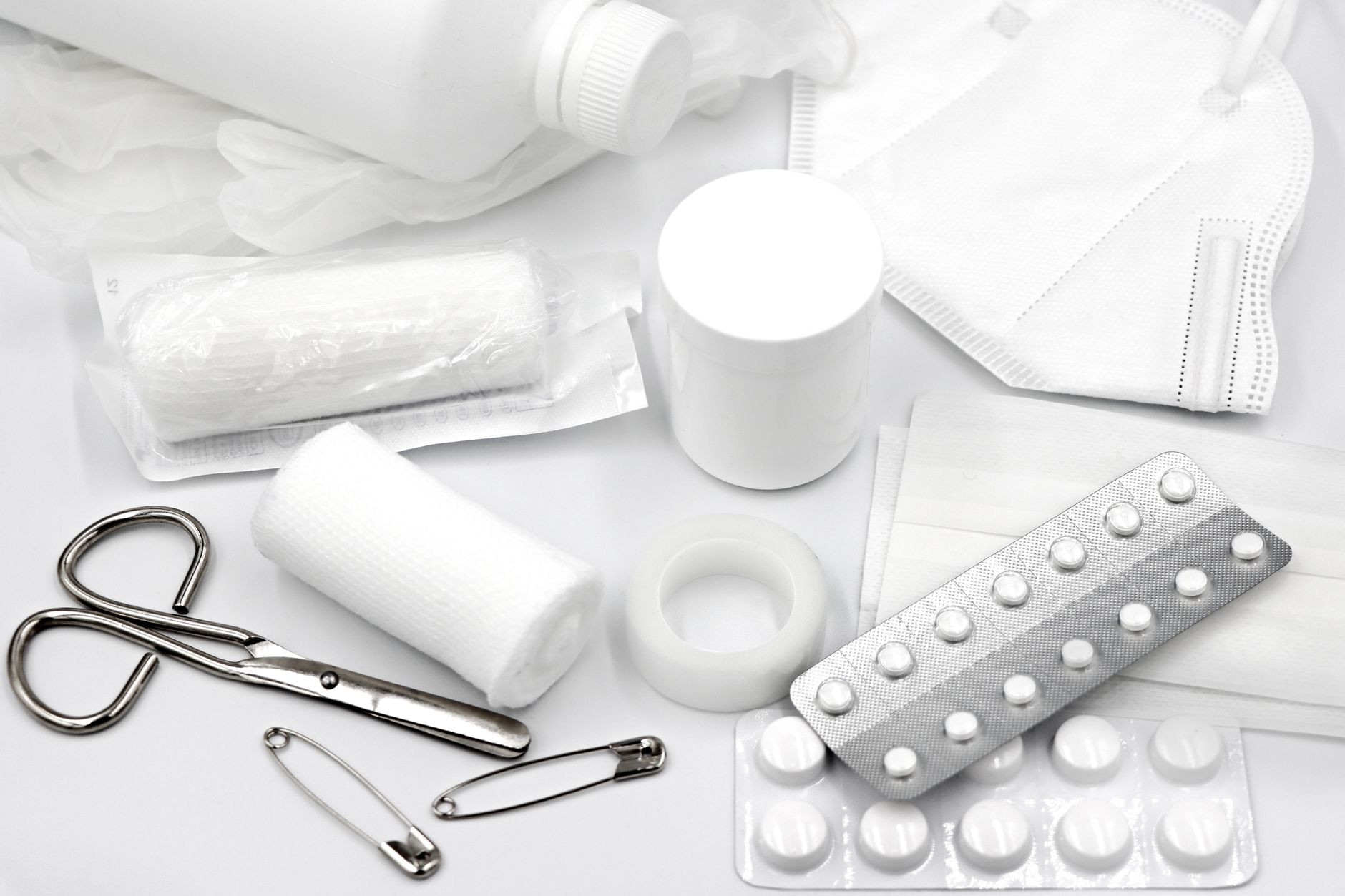
When emergency rooms are crowded or closed, a basic first aid booklet is not enough. Joseph and Amy Alton wrote the 700-page 4th edition for people with no medical training. It covers infections, wound closure, dental emergencies, febrile illness, and medication alternatives. The CDC preparedness framework advises households to plan for at least 72 hours without medical help; this book extends that to weeks. It is the only guide in our list that explains when a fever is watch-and-wait and when it is life-threatening. Pair it with a best first aid kit so you have supplies to match the procedures. The book costs more than the others, but it replaces multiple doctor visits in a grid-down scenario. The language is plain, and the diagrams show exactly where to apply pressure or clean a wound. It is not a substitute for professional medical care. The authors repeat that constantly. If you can get a doctor, go. This book exists for the moment you cannot. Check the Survival Medicine Handbook on Amazon.
Key strengths:
- ✅ Written by a doctor and nurse team for non-medical readers
- ✅ Covers long-term care beyond basic first aid
- ✅ Includes clear protocols for when to treat versus evacuate
- ❌ Thick and heavy; not meant for a mobile kit
- ❌ Some medication alternatives require prescription access
Who it’s for: Families, remote workers, and preppers building a home medical library.
4. The Prepper’s Long-Term Survival Guide , Best for balanced long-term planning
Jim Cobb avoids the doom and conspiracy talk. This book is a straightforward guide to food, water, security, and self-sufficient living if supply chains break for weeks or months. It teaches you to calculate how much food your household actually needs. The math matches our 3-month food supply guide: 2,000 calories per person per day and a variety that prevents food fatigue. Cobb also explains how to store and rotate bulk staples without wasting money. That alone makes it worth the $15 price. He does not assume you have a farm. Most advice works in a suburban house or apartment.
Key strengths:
- ✅ Clear instructions for food storage rotation and budgeting
- ✅ Realistic advice for apartments and small homes
- ✅ No political or apocalyptic tone; pure practical planning
- ❌ Security advice is basic deterrence only
- ❌ Some chapters feel like summaries rather than deep instruction
Who it’s for: New and intermediate preppers who want a practical long-term plan.
5. Emergency Food Storage & Survival Handbook , Best for dedicated food storage
Peggy Layton’s book is the food storage specialist. It starts with the premise that most families already have enough food for three days but not for a month. Then it walks you through a 3-month supply of everyday foods and a longer-term supply of staples. The calorie guidance is specific: plan for 2,000 calories per person per day, with at least 40 gallons of water per person for a two-week period. This aligns with a two-week food supply plan. The book includes recipes that use only shelf-stable ingredients. That solves a common prepper mistake: storing 50 pounds of wheat you cannot cook. The print edition is 304 pages and includes inventory sheets. Some readers will find the style dated, but the information holds up. Layton covers canning, dehydrating, sprouting, and rotating food on a budget. She also explains how to store food in hot climates, which many guides skip. If your main concern is grocery store shortages, this is the pick.
Key strengths:
- ✅ Focused entirely on food storage from everyday to long term
- ✅ Includes recipes using only shelf-stable ingredients
- ✅ Covers canning, dehydrating, and hot climate storage
- ❌ Less coverage of water, medical, and security topics
- ❌ Some tables and formatting feel old-fashioned
Who it’s for: Preppers prioritizing food security and bulk storage on a budget.
Frequently Asked Questions
What is the best survival book for beginners in 2026?
The SAS Survival Handbook is the best all-around starting point. It uses clear diagrams and covers fire, water, shelter, food, and navigation in one volume.
Do survival books really matter if I have internet access?
Yes. Power and cell service can fail during emergencies. A printed book works without batteries, data, or a signal.
How many survival books should I own?
Start with two: one all-around field manual and one medical or food storage guide. Add specialized books as your plan grows.
What food storage rule should a good survival book follow?
Plan for 2,000 calories per person per day and at least one gallon of water per person per day. The book should also explain rotation and storage life.
Are these books suitable for apartment preppers?
Yes, The Prepper’s Long-Term Survival Guide and Emergency Food Storage & Survival Handbook work well in small spaces. Bushcraft 101 requires outdoor practice.
How often should I update my survival book collection?
Re-evaluate every 3 to 5 years or when you move, have a family change, or update your emergency kit. Editions change and your risks may shift.
What Should You Remember?
- Build a reference shelf: Keep one all-around manual and one medical guide in your home library.
- Use FEMA baselines: Store one gallon of water per person per day and 2,000 calories per person per day.
- Practice skills: Reading about fire starting is not enough; set aside time to practice monthly.
- Match the book to your risk: Urban dwellers need food storage and medical books more than wilderness bushcraft.
- Cover food first: A dedicated food storage guide prevents waste and food fatigue during long emergencies.
- Pair books with gear: A first aid kit is only useful if you have a manual that explains wound care.
This article is for general information only. Emergency preparedness involves real safety risk , always consult official sources (local authorities, CDC, FEMA) and verify gear before relying on it.