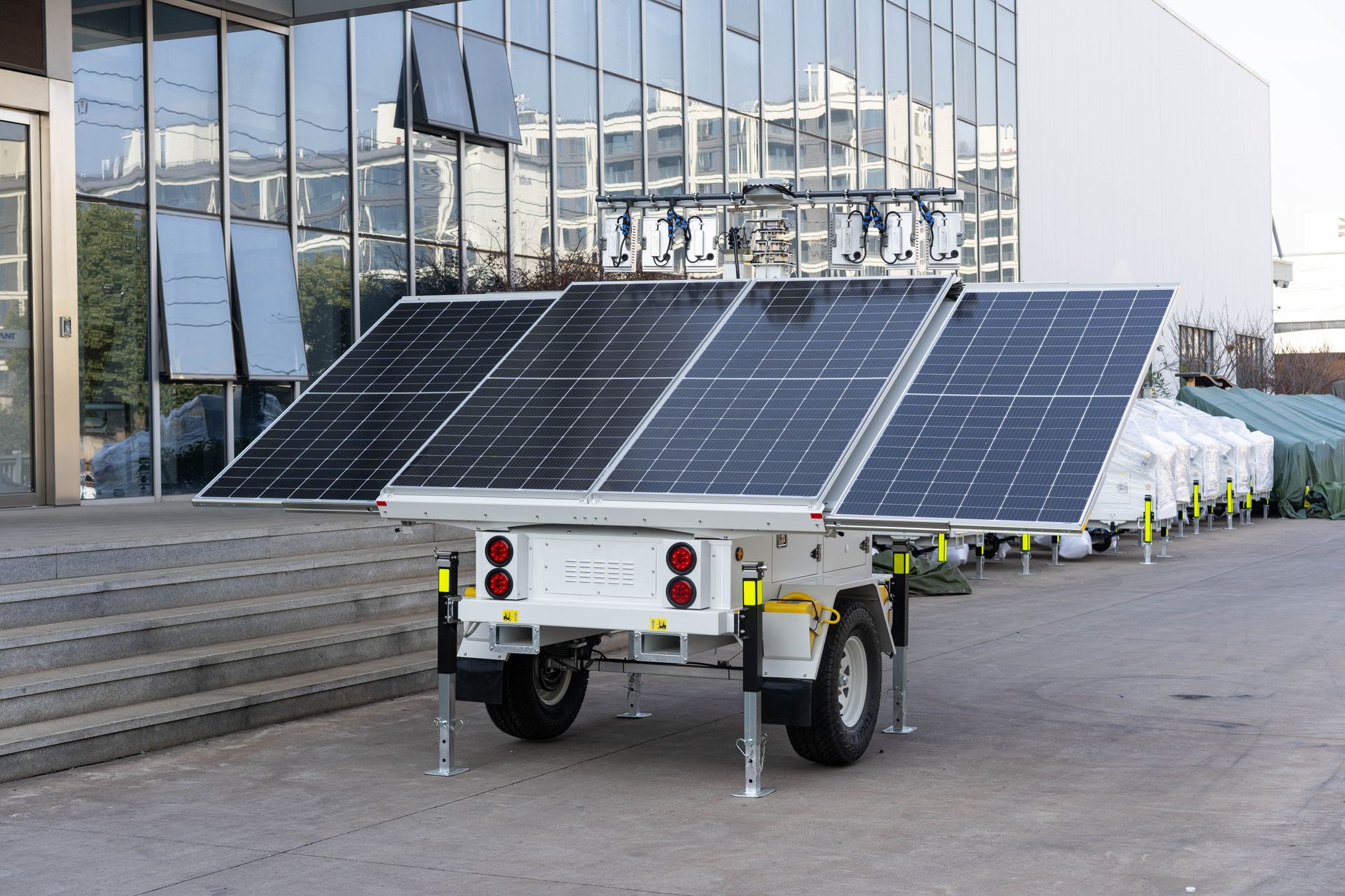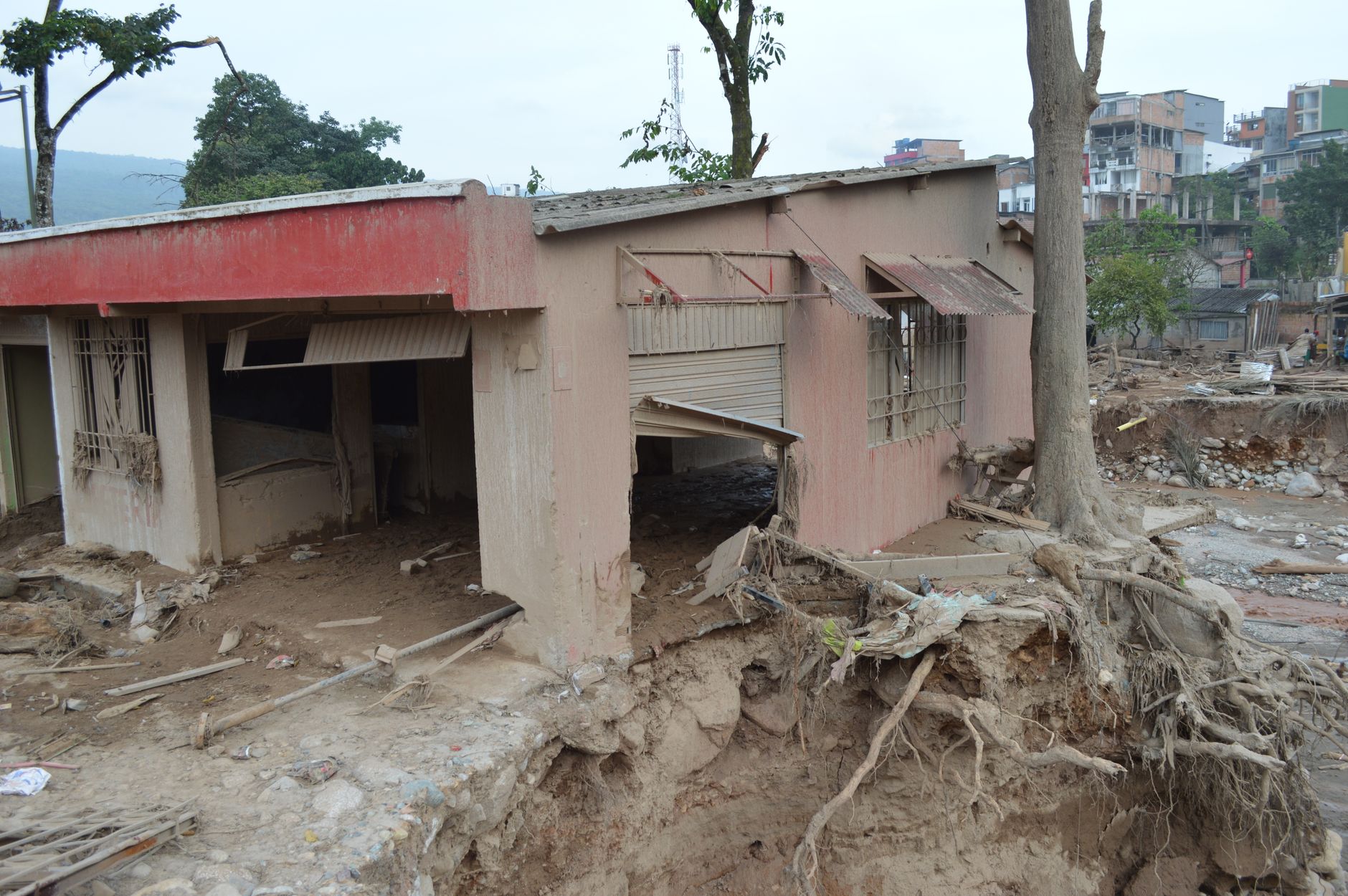
Most people watch living off the grid shows for the same reason they read survival blogs. They want to see what breaks first. The best series let you learn from someone else’s mistakes before you spend $10,000 on a failed well or a collapsing cabin. But television is not a preparedness plan. The FEMA guidelines, CDC, and Red Cross all stress that training, supplies, and a written plan matter more than inspiration. We evaluated these shows against those standards, not just entertainment value. Use them as a visual supplement to a real grid-down survival guide.
To pick the five best, we watched hundreds of hours of footage and checked each show against the same criteria: realistic failures, actual skill transfer, cost transparency, and mental resilience. Some series are essentially home renovation with a cabin. Others show the slow, boring work of hauling water and splitting wood. The 72-hour emergency kit guide is a better first step for beginners than any show, but these series can fill gaps in your knowledge once you have the basics. We leaned toward programs that show consequences, not just successes.
Two numbers kept coming up. FEMA surveys consistently report that fewer than half of American households have an emergency evacuation plan. At the same time, a three-month supply of freeze-dried food for one adult now costs between $600 and $1,500, depending on calories and brand. That is a wide range, and it explains why off-grid shows often focus on gardening and hunting. A best emergency food supply 2026 review can help you build a pantry that does not depend on a lucky season. The shows below are not a replacement for that.
Some viewers want pure escapism. That is fine. But if you are serious about self-reliance, watch these shows with a notebook. Write down the tools they use, the mistakes they make, and the costs they mention. Then compare those notes to your own supply list. The best living off the grid show is the one that sends you back to your preps, not the couch.
How Do the Top Options Compare?
| Show | Best For | Key Focus | Reality Level | Price |
|---|---|---|---|---|
| Homestead Rescue | Best for Immediate Off-Grid Fixes | Property repairs and utility systems | High | Check price |
| Building Off the Grid | Best for Construction Inspiration | Cabin builds and alternative power | High | Check price |
| The Last Alaskans | Best for Authentic Remote Living | Subsistence hunting and trapping | Very High | Check price |
| Live Free or Die | Best for Primitive Skills and Rewilding | Rewilding and bushcraft | High | Check price |
| Alone | Best for Survival Psychology | Solo survival and resilience | Reality competition | Check price |
Prices reflect DVD or digital purchase options at the time of writing. Streaming availability varies by service and region.
1. Homestead Rescue , Best for Immediate Off-Grid Fixes
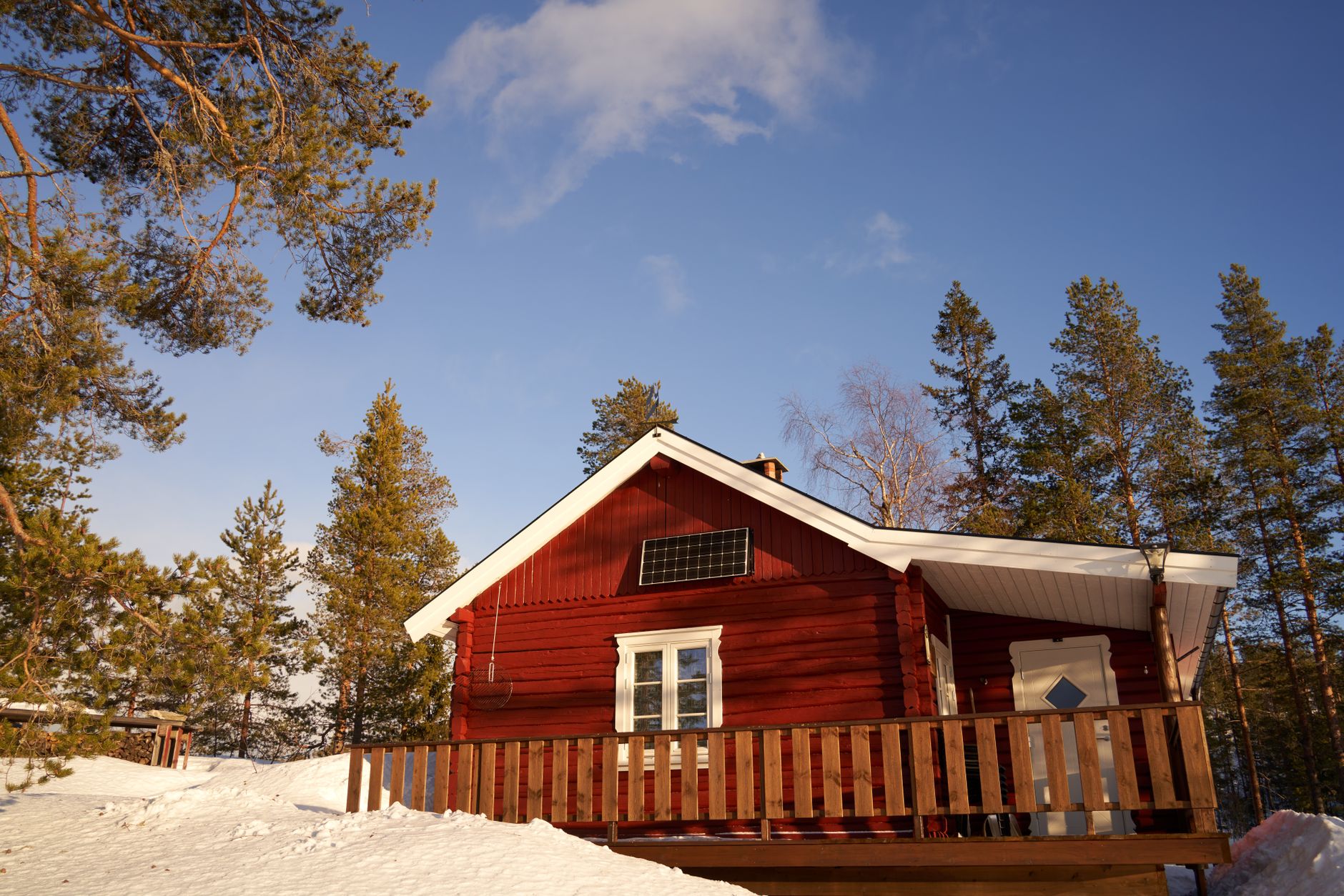
Homestead Rescue follows the Raney family as they travel to failing homesteads across North America. The show focuses on repairs that prevent water contamination, crop loss, and shelter collapse. It is one of the few series that consistently shows mistakes made by first-time off-gridders. FEMA and the Red Cross both stress fixing structural and water issues before a disaster, and this show gives you a visual checklist of what to inspect. For anyone preparing a property, pairing the show with a best solar generators guide helps you understand which backup power upgrades matter most.
Marty Raney often designs solar setups and gravity-fed water systems. The show does not pretend these fixes are cheap. A basic off-grid solar array can cost $10,000 to $30,000 before tax credits, but Homestead Rescue shows why failing systems cost more over time. You also see the value of Goal Zero Yeti 400 solar generator for smaller cabin loads. The focus on inherited problems makes this the best show for people who already own land but lack repair skills.
Key strengths:
- ✅ Shows real structural and water system failures
- ✅ Actionable repair advice from experienced builders
- ✅ Covers solar, well, and septic basics
- ✅ Good for landowners with failing infrastructure
- ❌ Some projects are too big for DIY beginners
- ❌ Drama can overshadow step-by-step instruction
- ❌ Raney family fixes may require permits you must handle
Who it’s for: People who own rural land or plan to buy and need to fix failing systems fast.
2. Building Off the Grid , Best for Construction Inspiration
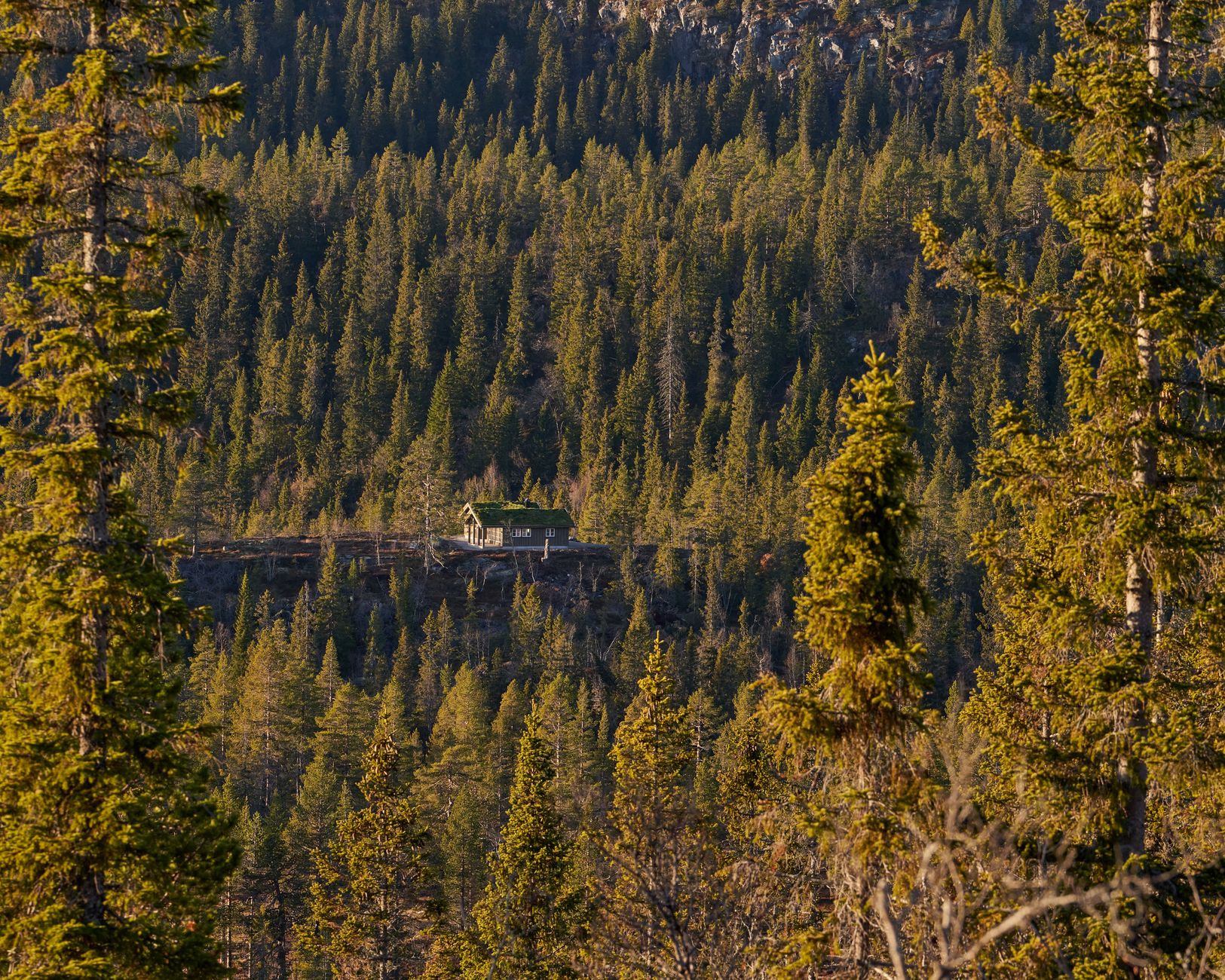
Building Off the Grid documents teams constructing cabins, earthships, and container homes in remote locations. The show explains foundation, insulation, and off-grid utility decisions better than most competition. Because it compresses months of work into 44 minutes, you miss the slower failures, but you still learn key terms. The best survival water filters guide lists point-of-use filters that appear in many builds, and the show makes clear why gravity-fed systems outperform pump-heavy designs.
One recurring theme is the cost of site prep. A well can cost $5,000 to $15,000, and a septic system can add another $10,000. Building Off the Grid rarely hides these numbers. The show also popularized compact filters like Berkey water filter for cabins without electricity. If you plan to build from scratch, this series gives you a realistic preview of what your first 18 months will look like.
Key strengths:
- ✅ Strong focus on off-grid utilities and insulation
- ✅ Features diverse building styles and climates
- ✅ Shows real costs for wells, septic, and solar
- ❌ Timeline compression hides mistakes
- ❌ Build quality depends on contractor teams
- ❌ Fewer food and water storage lessons
Who it’s for: People planning new off-grid builds who need construction and utility inspiration.
3. The Last Alaskans , Best for Authentic Remote Living
The Last Alaskans follows four families living inside the Arctic National Wildlife Refuge. It is the least staged show on this list. Families hunt, fish, and trap to fill their yearly food supply, and the camera captures the isolation without adding fake deadlines. A three-month food supply guide is a practical companion because the show demonstrates how one bad hunting season can empty a freezer. You see the same calorie math FEMA uses in its two-week water and food planning.
The show is quiet and slow, which some preppers find boring. But it teaches patience and the importance of stockpiling calories for winter. A single adult needs roughly 2,000 calories per day, and a three-month supply means storing about 180,000 calories. The Last Alaskans illustrates that number in moose quarters and dried fish. It is not a how-to, but it is the best reminder that real off-grid living is a daily grind, not a weekend project.
Key strengths:
- ✅ Very little producer-driven drama
- ✅ Real subsistence hunting and trapping footage
- ✅ Shows the physical cost of isolation
- ❌ Slow pacing may bore action-oriented viewers
- ❌ Climate-specific skills may not transfer
- ❌ Minimal step-by-step instruction
Who it’s for: Viewers who want an honest, unscripted look at remote subsistence life.
4. Live Free or Die , Best for Primitive Skills and Rewilding
Live Free or Die follows modern homesteaders who build with hand tools, hunt with primitive weapons, and live with minimal fossil fuel. It is more philosophical than instructional, but it shows how little you actually need to survive in a temperate climate. The cast members grow calorie crops like corn, potatoes, and beans. You also see the consequences of poor planning, which the Red Cross highlights in its preparedness messaging.
One downside is the editing. Some scenes exaggerate conflict between participants and nature, making failures look easier than they are. Still, the cast demonstrates real skills like hide tanning, bow making, and friction fire. Tracking a 2,000-calorie daily need becomes harder without modern food preservation. This show will push you to test your gear before you need it, a basic rule in any emergency kit.
Key strengths:
- ✅ Highlights low-tech skills like hide tanning and bow making
- ✅ Minimal reliance on purchased gear
- ✅ Shows the physical labor required
- ❌ Slower, philosophical pacing
- ❌ Some scenes feel staged for drama
- ❌ Few structured lessons for beginners
Who it’s for: People curious about primitive skills and low-consumption off-grid living.
5. Alone , Best for Survival Psychology and Solo Resilience
Alone drops ten people into remote wilderness with limited gear and cameras. It is a competition show, not a tutorial, but it exposes the mental toll of isolation and hunger. Contestants often lose 20 to 40 pounds in a season, which proves how hard it is to maintain a 2,000-calorie daily intake through foraging alone. The CDC notes that mental health is a core part of emergency preparedness, and this show demonstrates why panic kills faster than hunger.
The gear list is real. Contestants choose ten items from a standard survival kit, often including a ferro rod, fishing line, and a saw. Water purification still plays a role in early episodes, even without a full filter setup. Alone is best for testing your own mental readiness, not for learning step-by-step food storage. Watch it with a notebook and write down every time a contestant wastes energy on fear.
Key strengths:
- ✅ Unmatched look at psychological stress of survival
- ✅ Real weight loss and calorie deficits
- ✅ Forces you to think about solo decision-making
- ❌ Competition format prioritizes drama over instruction
- ❌ Not a good source for food storage or gardening
- ❌ Harsh environments may discourage beginners
Who it’s for: Viewers who want to test their mental resilience and solo survival thinking.
Frequently Asked Questions
Are living off the grid shows realistic for learning prepper skills?
Some are surprisingly realistic, especially The Last Alaskans. Others compress time and add drama. Use them as visual case studies, but follow FEMA, CDC, and Red Cross checklists for actual preparedness planning.
Which living off the grid show covers food storage the best?
Homestead Rescue and The Last Alaskans both show the consequences of running out of stored food. For exact shelf life and calorie counts, pair those shows with a food storage calculator and a two-week supply guide.
Do I need off-grid property to benefit from these shows?
No. Apartment dwellers can still learn water purification, small-space gardening, and emergency power basics. The mental resilience lessons from Alone transfer to any emergency.
What gear do off-grid shows use most often?
Solar generators, gravity-fed water filters, chainsaws, and hand tools appear regularly. Start with the basics: water storage, first aid, and a 72-hour kit before buying big off-grid equipment.
Can living off the grid shows replace formal survival training?
No. The Red Cross and FEMA offer hands-on courses that teach skills you cannot learn from video. Use the shows as motivation, then sign up for local training.
Where can I stream these living off the grid shows?
Most are available through Discovery, Hulu, or Amazon Prime. Check your region, because licensing changes often. The DVD prices in our table are a good offline backup.
What Should You Remember?
- Use shows as case studies: Write down failures and costs, then compare them to your own preps.
- Food storage matters: A three-month supply costs $600 to $1,500 and requires about 180,000 calories per adult.
- Fix water first: Off-grid shows repeat that water system failures cause more evacuations than power loss.
- Practice skills before you need them: Friction fire and hide tanning look easy on screen but take months to master.
- Mental resilience is non-negotiable: Alone proves panic and isolation break people faster than hunger.
- Start small, then scale: Build a 72-hour kit and two-week food supply before buying land or solar arrays.
This article is for general information only. Emergency preparedness involves real safety risk , always consult official sources (local authorities, CDC, FEMA) and verify gear before relying on it.