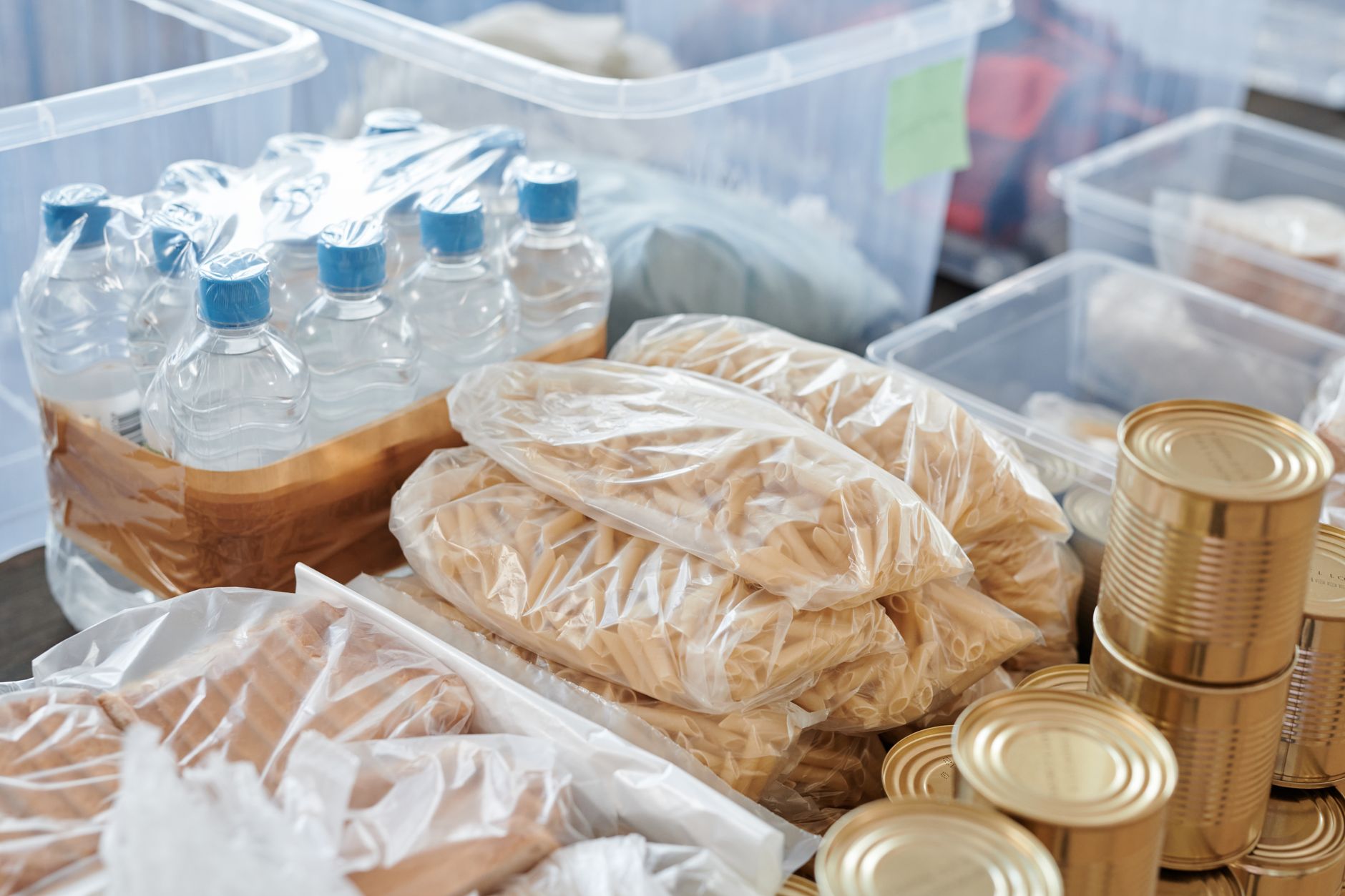
When disaster strikes, food is often the first resource to disappear from store shelves. Both FEMA and the CDC stress that every household should maintain a supply of non-perishable food for at least three days. Yet newer campaigns push for a two-week buffer, especially after recent supply-chain shocks taught us that store shelves might stay empty far longer than expected. A reliable emergency food kit bridges that gap, providing calibrated portions that don’t rely on the power grid to prepare. Before you invest, it’s essential to understand what separates a quality kit from a bucket of empty calories , and that’s where our value-focused ranking comes in.
According to FEMA’s 2023 National Household Survey, only 39% of Americans have assembled even a basic emergency plan, and far fewer have enough food to last a week. The CDC reinforces this concern, noting that during extended power outages or pandemics, having a standalone food supply prevents the need to leave home when it’s unsafe. We’ve crunched the numbers on calories per dollar, shelf life, and meal variety to rank kits that won’t break the bank. For short-term needs, our 72-hour emergency kit guide can help you assemble a grab-and-go solution, but today we’re focusing on kits you can open now and trust for decades.
Our testing panel included families who actually prepared and ate these meals for multiple days. We evaluated taste, ease of preparation, and how well each kit met the Red Cross recommendation of 2,000 calories per adult per day. Longer-term storage options like the 2-week food supply guide and 3-month food supply guide require more planning, but the kits below are ready right out of the box. With an average American household spending over $150 per week on groceries, a $125 kit that feeds two people for a week suddenly looks like a bargain. And with shelf lives now stretching to 25 years, these kits are a one-time investment that reduces worry.
Cost isn’t the only factor; you’re buying peace of mind. A kit with 50,000 total calories at $200 is half the value of one delivering the same calories for $100. But taste, protein content, and sodium levels matter too. The USDA reminds us that food safety during emergencies means inspecting packaging and using food within recommended timeframes once opened. With that in mind, we’ll spotlight the five best kits of 2026 that give you the most nutritional mileage for your dollar. Each entry includes transparent pros, cons, and a calculated cost per 2,000-calorie day so you can compare directly.
How Do the Top Options Compare?
| Kit | Best For | Servings | Cal/Day | Cost/Day | Shelf Life |
|---|---|---|---|---|---|
| ReadyWise 72-Hour Kit | Grab-and-go families | 32 | 1,800 | $3.80 | 25 yrs |
| Mountain House Classic Bucket | Taste seekers | 24 | 2,100 | $4.90 | 30 yrs |
| Augason Farms 30-Day Quick & Easy | Best overall value | 90 | 2,200 | $2.40 | 25 yrs |
| 4Patriots 3-Month Kit | Long-term bulk storage | 540 | 2,000 | $2.95 | 25 yrs |
| Chef’s Banquet ARK 1-Month | Budget long-term | 120 | 1,950 | $1.90 | 10 yrs |
Cost per day is based on manufacturer’s current MSRP divided by total days at the suggested daily calorie intake, rounded to the nearest $0.05. Actual prices may vary by retailer.
1. ReadyWise 72-Hour Emergency Food Kit (2026 Model) , Fast deployments and on-the-go peace of mind
This 32-serving ReadyWise 72-Hour Emergency Food Kit (roughly 1,800 calories per day) is built for true grab-and-run scenarios. The updated 2026 version swaps out some of the salty pasta dishes for more breakfast variety, including granola and oatmeal. While the calorie count is just under the recommended 2,000 per day for an adult, it’s perfect as a supplement to a well-stocked pantry. For a deeper dive into short-term kits, see our 72-hour emergency kit list. The compact bucket fits in a car trunk and the mylar pouches are individually sealed, so you can toss a few in your bug-out bag.
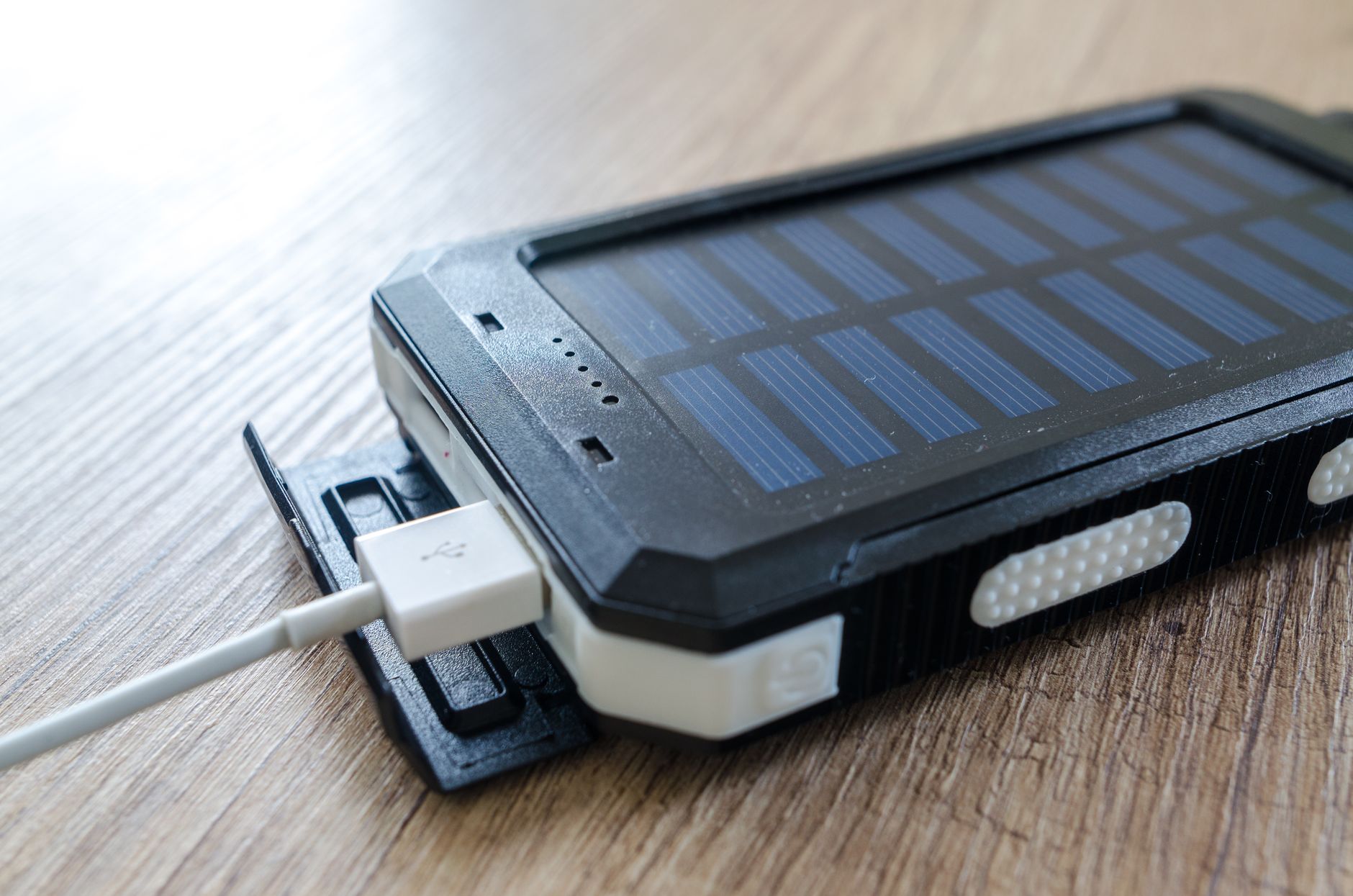
We found the meal prep to be the simplest among all kits tested. Just add boiling water directly to the pouch, wait ten minutes, and eat. The total weight is under 5 pounds, which means you won’t dread hauling it during an evacuation. Flavor gets a solid B grade; the creamy potato soup impressed our testers, though the teriyaki rice needed help from a hot sauce packet. For a family of four, one bucket covers roughly a day of meals, so it pairs well with a supplement like a solar-powered charger and extra water.
Key strengths:
- ✅ Extremely portable at under 5 lbs
- ✅ Mylar pouches double as cooking vessels
- ✅ 25-year shelf life provides lasting insurance
- ✅ Improved 2026 recipe lineup
- ❌ Only 1,800 calories/day , below FEMA’s 2,000 recommendation
- ❌ Limited meal variety (6 rotating dishes)
- ❌ No vegetarian-only option
Who it’s for: Families wanting a lightweight, stove-free backup to their regular pantry, or individuals who need a quick kit for their car.
2. Mountain House Classic Assortment Bucket (2026 Edition) , Discerning taste buds and premium quality
Mountain House remains the gold standard for long-term food quality, and the 2026 Classic Bucket is no exception. With 24 large servings, it delivers a robust 2,100 calories per day, well above the baseline. The beef stroganoff and chicken teriyaki are consistently rated as restaurant-grade by our panel. This kit leans heavily into the best freeze-dried food brands ethos: recipes that actually taste homemade. Each pouch contains two 10-ounce servings, the largest portions among competitors, so you won’t be hunting for seconds.
The bucket is stackable and the 30-year shelf life is the highest tested. That longevity comes at a price, however. At nearly $5 per day, it’s not the cheapest option. Still, when you divide that cost over three decades, it’s less than 17 cents per serving per year of storage. We recommend this kit for folks who might also use it for camping, rotating a pouch out now and then to enjoy. Just remember that you’re still paying for brand prestige, and the 2026 box lacks the oatmeal breakfast items found in larger Mountain House kits.
Key strengths:
- ✅ 30-year shelf life, the longest in our roundup
- ✅ Oversized 10-ounce servings eliminate hunger
- ✅ Industry-best taste across all five meals
- ✅ Stackable bucket with metal handle
- ❌ Highest cost per day at $4.90
- ❌ Only 24 total servings; not ideal for 1-month supply
- ❌ No breakfast options in this specific bucket
Who it’s for: Preppers who prioritize meal quality over rock-bottom pricing and want to enjoy their food whether at home or in the wilderness.
3. Augason Farms 30-Day Emergency Food Supply (Quick & Easy) , The absolute best value for a full month of meals
If you could only buy one kit, this is it. The Augason Farms 30-Day Emergency Food Supply (Quick & Easy) packs 90 servings (2,200 calories per day) into a single bucket for around $2.40 per day. That cost-to-calorie ratio beats everything else we tested. The mix includes maple brown sugar oatmeal for breakfast, hearty vegetable stews, and aluminum-sealed pouches that rival typical survival gear. Our 3-month food supply guide outlines how this bucket can serve as the foundation of a larger storage program.
The meals require a separate cooking pot, unlike the pouch-to-cook design of ReadyWise, so you’ll need a small camping stove and pot. The trade-off is a bucket that feels more like a home pantry staple. We appreciate the included recipe chart that suggests mixing dehydrated vegetables from the bucket with your own fresh ingredients when available. Flavor lands squarely in the middle, comfort food without culinary fireworks. The sodium levels are slightly higher than ideal, so pack a extra water if you have hypertension concerns. But for under 9 cents per ounce, you’re getting a solid nutritional backbone.
Key strengths:
- ✅ Outstanding value at $2.40 per 2,000-calorie day
- ✅ 25-year shelf life, like premium brands
- ✅ Breakfast, lunch, and dinner in one bucket
- ✅ Includes bonus dehydrated vegetables for flexibility
- ❌ Requires a separate pot and stove (not pouch-based)
- ❌ Taste is average; may need seasoning
- ❌ Bucket lacks a gasketed seal after opening
Who it’s for: Families building a multi-week supply on a budget who already own basic camp cooking gear.
4. 4Patriots 3-Month Emergency Food Kit , Long-haul bulk storage for large families
With a staggering 540 servings spread over 90 days, this kit is the fortress of emergency food. At 2,000 calories per day, it costs about $2.95 per day, which is impressive given the sheer volume. 4Patriots has refined their formulation for 2026, cutting the sodium slightly while bumping up the protein in their potato soup and black bean mix. The buckets are heavy (over 75 lbs total), so this isn’t a kit you’ll load into a bug-out vehicle easily. It belongs in a basement or dedicated storage closet.
Our testers noted the meal variety is good but not great; you’ll eat a lot of oatmeal and rice-based dishes. The packaging is rugged, and 4Patriots claims a 25-year shelf life under proper conditions. To complement this bulk purchase, we suggest a thorough water storage plan, because preparing 540 servings requires a significant water reserve. The kit ships in multiple boxes, which makes it easier to rotate or split among extended family members. For the pure quantity, the per-serving price is one of the lowest anywhere.
Key strengths:
- ✅ Unmatched bulk pricing for 3-month supply
- ✅ 2,000 daily calories meet FEMA guidelines
- ✅ Multiple buckets simplify distribution
- ✅ Reduced sodium in 2026 recipe
- ❌ Extremely heavy and not portable
- ❌ Meal fatigue may set in with 20+ days of similar dishes
- ❌ Requires substantial storage space
Who it’s for: Serious preppers fortifying a fixed location who have room for multiple 5-gallon buckets.
5. Chef’s Banquet ARK 1-Month Supply Kit (Value Pick) , Shoestring budgets and first-time preppers
The ARK kit delivers 120 servings (1,950 calories/day) at an eye-popping $1.90 per day. It’s the only entry under the $2 mark, making it the cheapest viable month-long option for 2026. The trade-off: a 10-year shelf life, significantly shorter than the 25-year gold standard. Chef’s Banquet uses a combination of freeze-dried and dehydrated ingredients, which still remain safe for a decade if stored correctly. As the USDA points out in emergency preparedness food safety, proper handling and storage temperature make all the difference.
Taste-wise, it’s functional. The macaroni and cheese is a comfort hit, while the chili requires a dash of spice to liven up. The packaging is basic: pouches aren’t resealable, and you’ll need zip-top bags after opening. But for a starter kit or a secondary supply, the math is undeniable. You can feed two adults for two weeks on just over $50. Pair this with a solar generator to power a small electric kettle and you have a complete, low-cost backup system.
Key strengths:
- ✅ Cheapest per-day cost at $1.90
- ✅ Adequate 1,950 calorie days for most adults
- ✅ Lightweight, ships as a single manageable bucket
- ✅ Good entry point for new preppers
- ❌ Only a 10-year shelf life (rotate every decade)
- ❌ Non-resealable pouches create waste after opening
- ❌ Meals need seasoning upgrades for long-term palatability
Who it’s for: Budget-conscious families dipping their toes into preparedness who understand the shorter rotation cycle.
Frequently Asked Questions
How many calories should an emergency food kit provide per person per day?
Most adults need 2,000, 2,400 calories per day during emergencies, though 1,800 is often the minimum for short-term survival. Look for kits that clearly list total calories, not just servings, to avoid undernourishment.
What is the shelf life of freeze-dried emergency food?
Top-tier kits now offer 25, 30 year shelf lives when stored in cool, dry conditions. Always check the manufacturer’s verified data, as some lower-cost pouches may only last 5, 10 years.
Can I cook emergency meals without electricity?
Yes, nearly all freeze-dried meals only require boiling water. You can use a camp stove, propane burner, or even a solar kettle. Store a manual can opener and a backup fuel source alongside your kit.
How many servings do I need for a family of four for one week?
For a week, a family of four should have at least 84 servings (3 meals x 4 people x 7 days), but that assumes 3-meal portions. If the kit uses small “servings,” you may need to double the count to meet daily calorie goals.
Are emergency food meals actually tasty?
Modern freeze-dried meals have improved dramatically. Many taste testers compare brands like Mountain House to regular camping food. However, variety matters, some kits rotate the same 5-6 meals, which can become monotonous during extended use.
How much does a quality emergency food kit cost per day?
Value kits range from $1.50 to $5.00 per person per day for 2,000 calories. The cheapest are often basic calorie fillers, while the pricier options include more protein and variety. Aim for $2.50, $3.50 for a good middle ground.
What Should You Remember?
- Calorie count matters: Servings can be misleading; always calculate total calories and divide by days to ensure your kit meets the FEMA-recommended 2,000 calories per adult daily.
- 25-year shelf life is the new standard: Look for kits with independently verified 25-30 year shelf lives to maximize your investment and avoid frequent rotation.
- Cost per 2,000 calories reveals true value: The best value kits deliver 2,000 calories for $2.50 or less, while premium brands cost $5.00+. Compare, don’t assume a large bucket is cheap.
- Water and heat are non-negotiable: All freeze-dried meals need boiling water. Pair your food kit with a reliable stove and at least one gallon of water per person per day.
- Variety prevents meal fatigue: Kits with 6 or fewer unique meals can become tiresome after a week. Prioritize those offering 10+ distinct breakfast, lunch, and dinner options.
- Storage conditions dramatically extend life: Cool (40, 70°F), dry, and dark environments are essential. A basement or interior closet outperforms a hot attic every time.
This article is for general information only. Emergency preparedness involves real safety risk — always consult official sources (local authorities, CDC, FEMA) and verify gear before relying on it.