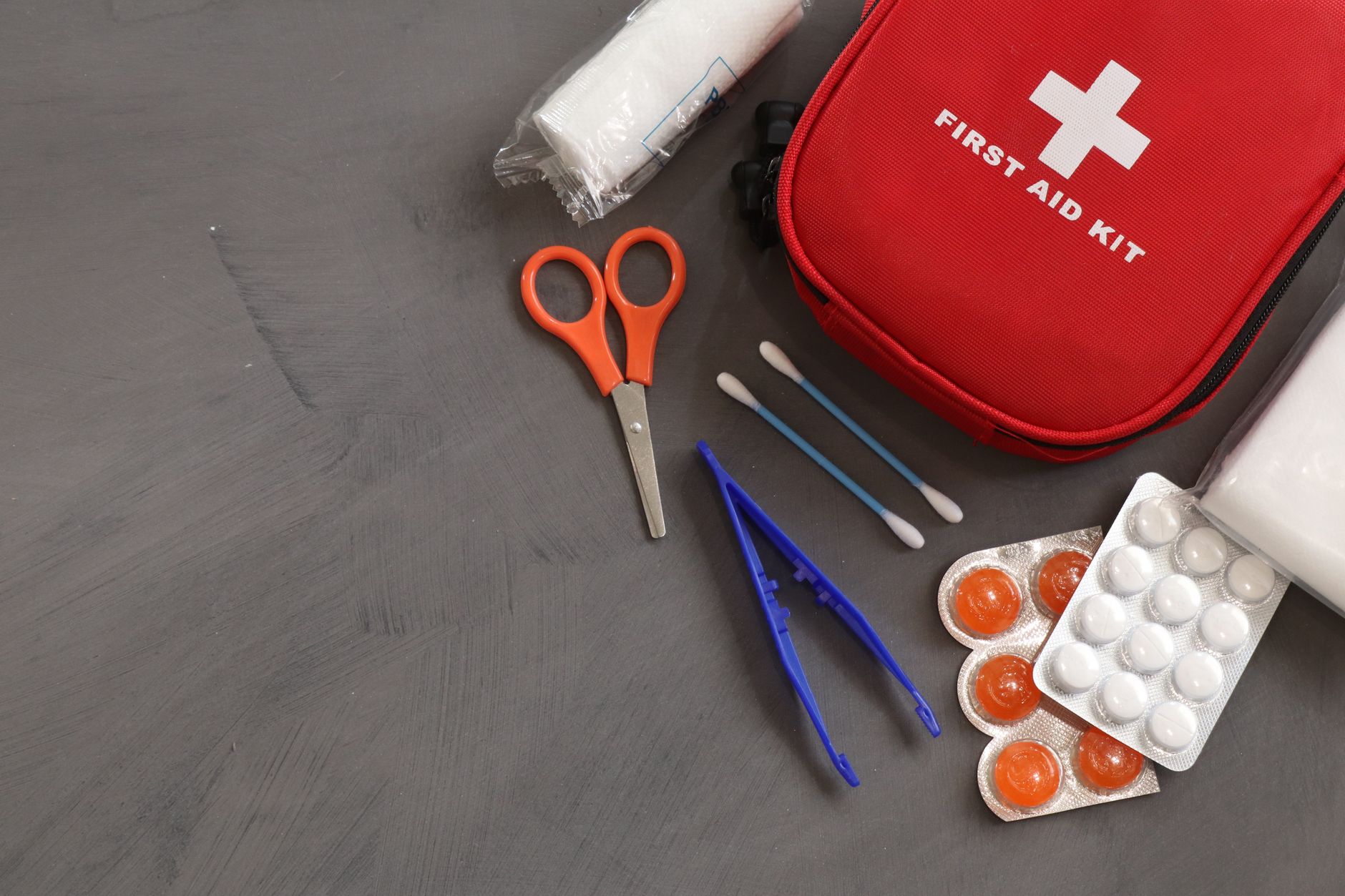
A first aid kit is not just a box of bandages. During a disaster, emergency services can be overwhelmed. The FEMA preparedness guidelines recommend every household maintain a well-stocked kit tailored to their family’s needs. Yet, a 2024 FEMA survey found only 44% of American households actually have one. When seconds count, having the right supplies can mean the difference between a minor inconvenience and a life-threatening situation. Your 72-hour emergency kit should always include medical supplies, but a dedicated first aid kit deserves its own spot in your home and gear.
According to the CDC, prompt first aid can reduce the severity of injuries by up to 40% and significantly lower infection risks. In the aftermath of a hurricane, earthquake, or even a grid-down scenario, cuts, burns, and sprains are common. A quality kit ensures you’re not improvising with dirty cloth or duct tape. The American Red Cross also stresses the importance of pairing any kit with proper training. A tourniquet is useless if you don’t know how to apply it. That’s why we’ve evaluated these kits not just on contents, but on how user-friendly they are under stress.
Not all kits are equal. Some are little more than a collection of adhesive bandages and expired ointment packets. We looked for kits with sterile wound dressings, Israeli bandages, quality shears, and long shelf lives. Portability matters too. A kit that stays in the basement is useless when you need to bug out quickly. For vehicle kits, vibration and temperature swings demand durable packaging. This guide covers options for every scenario, from a compact EDC pouch to a comprehensive home trauma kit.
We also considered value. You can spend $20 or $200. Spending more doesn’t always guarantee better quality. The best kit is the one you actually have with you and know how to use. Read on for our top picks, chosen after hands-on testing and comparing dozens of brands against the recommendations of emergency preparedness experts. Whether you’re stocking a 2-week food supply or assembling a vehicle emergency kit, a reliable first aid kit is non-negotiable.
How Do the Top Options Compare?
| Kit | Best For | Piece Count | Key Features | Price Range |
|---|---|---|---|---|
| Adventure Medical Kits Mountain Series Hiker | Backpacking | Varies by model (~75) | Waterproof, wilderness guide, lightweight | $35-$50 |
| MyMedic MyFAK | Home/Tactical | 100+ | CAT tourniquet, hemostatic gauze, MOLLE pouch | $160-$200 |
| First Aid Only 298 Piece | Home/Office Budget | 298 | Hard case, wall-mountable, assortment of bandages | $20-$30 |
| Surviveware Large | Vehicle | 200 | Water-resistant bag, splint, tourniquet, reflective strip | $80-$100 |
| DeftGet 163 Piece | EDC | 163 | Compact hard case, layered trays, emergency blanket | $12-$18 |
Piece counts include small items like adhesive bandages. Prices are approximate as of 2026.
1. Adventure Medical Kits Mountain Series Hiker , Best for Backpacking
When every ounce matters, the Adventure Medical Kits Mountain Series Hiker provides trail-specific supplies without excess bulk. Weighing just 1.1 pounds, it includes butterfly bandages, moleskin for blisters, and a compact irrigation syringe. Unlike urban kits, this one accounts for prolonged exposure to the elements. The waterproof bag keeps contents dry even during river crossings. Pair it with a survival knife to fashion splints or cut clothing in an emergency. While supplies are limited for major trauma, it’s ideal for common backcountry injuries like sprains, cuts, and burns. The included wilderness first aid guide booklet helps you handle situations when 911 isn’t an option. For day hikers and lightweight backpackers, this kit hits the sweet spot of weight versus utility.
Key strengths:
- ✅ Field-tested supplies designed for wilderness injuries
- ✅ Waterproof packaging keeps contents dry
- ✅ Lightweight and compact for easy carrying
- ❌ Limited trauma supplies for severe injuries
- ❌ No tourniquet included
- ❌ Small quantity of bandages per type
Who it’s for: Hikers, backpackers, and anyone who needs a lightweight kit for outdoor adventures.
2. MyMedic MyFAK , Best All-Around Trauma Kit
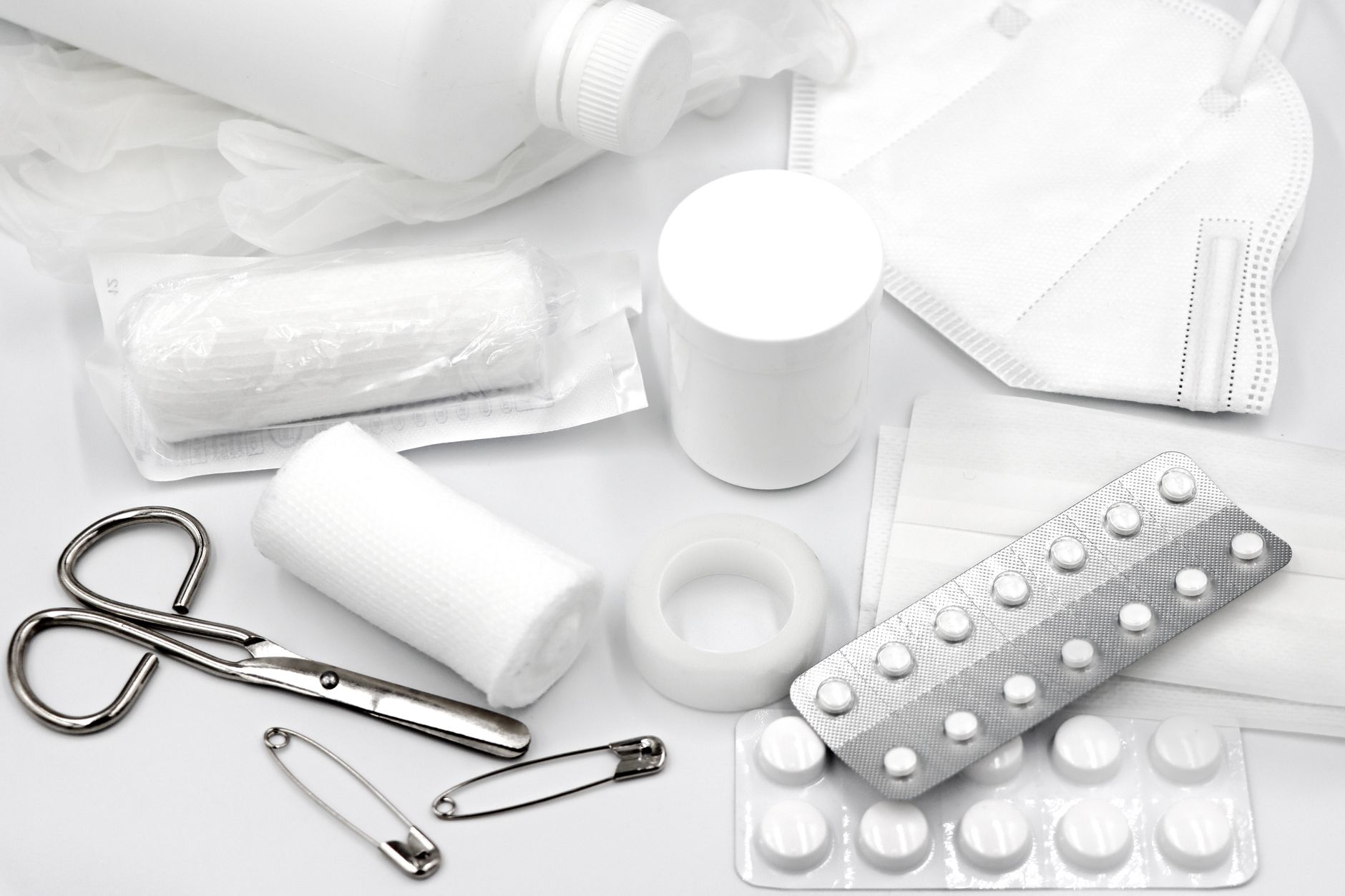
The MyMedic MyFAK is a favorite among preppers and first responders for good reason. It includes a genuine CAT tourniquet, trauma shears, a hemostatic agent, and high-quality bandages. The organized MOLLE-compatible pouch keeps everything accessible and can attach to a bug out bag or range bag. Unlike discount kits that stuff a thousand tiny adhesive strips, this one focuses on real trauma care. The QuickClot gauze stops moderate bleeding fast, a feature that can be lifesaving when professional help is delayed. The kit also includes standard items like aspirin and antihistamines, but its trauma orientation sets it apart. It’s heavier than a basic kit, but the durability and organization justify the weight. We’ve tested it over multiple seasons, and the zippers and fabric hold up to rough handling.
Key strengths:
- ✅ Genuine CAT tourniquet for hemorrhage control
- ✅ Includes hemostatic gauze for rapid clotting
- ✅ Durable MOLLE-compatible pouch
- ✅ Well-organized interior for quick access
- ❌ Higher price point than basic kits
- ❌ Bulkier and heavier for backpacking
- ❌ Requires training to use advanced items effectively
Who it’s for: Preppers, firearm owners, and families seeking a comprehensive home trauma kit.
3. First Aid Only 298 Piece Kit , Best Budget Home Kit
If you’re on a tight budget, the First Aid Only 298 Piece Kit provides a massive assortment of bandages, wipes, and basic medications for under $30. It’s designed for everyday bumps and cuts rather than major trauma. You get 298 pieces, but many are small adhesive bandages. The kit lacks a tourniquet, splint, or Israeli bandage. Still, for a family of four dealing with scraped knees and minor kitchen accidents, it’s perfectly adequate. The hard case keeps everything organized and can be mounted on a wall. We recommend supplementing it with a separate emergency water storage supply and a more robust trauma kit for serious injuries. The case is not waterproof, so keep it indoors. For the price, it’s a solid foundation, but don’t mistake quantity for comprehensive preparedness.
Key strengths:
- ✅ Affordable entry-level price
- ✅ Large variety of adhesive bandages
- ✅ Organized hard case with wall-mount option
- ❌ No trauma supplies like tourniquet or hemostatic agents
- ❌ Basic quality of included items
- ❌ Case is not waterproof or dustproof
Who it’s for: Families and small offices looking for an inexpensive everyday kit.
4. Surviveware Large First Aid Kit , Best for Vehicle Emergencies
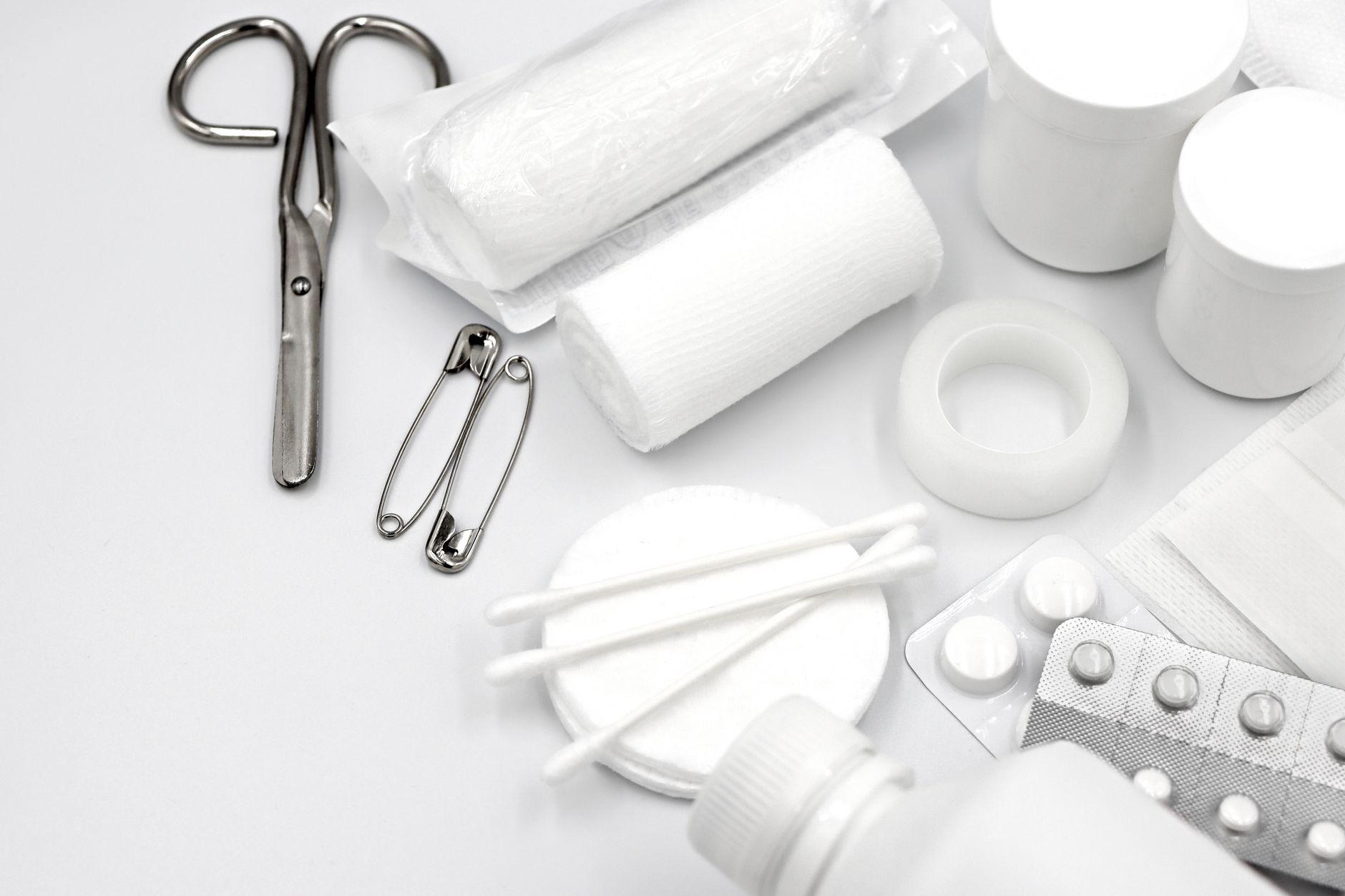
Surviveware’s Large kit is purpose-built for the rigors of a car trunk. The 600D polyester bag is water-resistant and has labeled compartments for quick identification under stress. It includes a splint, tourniquet, and a CPR mask alongside standard bandages. The reflective strip and grab handle make it easy to locate in a dark trunk. Unlike many vehicle kits that bake in summer heat and fall apart, this one withstands temperature extremes. We’ve left it in a truck bed through a Texas summer with no degradation. The included first aid handbook is waterproof and covers a wide range of scenarios. Keep it with your emergency food supply in the trunk for a complete mobile preparedness setup. On the downside, it’s too bulky for a backpack, but for a vehicle, that’s a tradeoff worth making.
Key strengths:
- ✅ Durable water-resistant bag stands up to vehicle conditions
- ✅ Includes splint and tourniquet for trauma
- ✅ Reflective elements and grab handle for night use
- ❌ Too bulky for backpack or EDC use
- ❌ Some users may want additional burn dressings
- ❌ Higher price than basic vehicle kits
Who it’s for: Drivers, road trippers, and anyone who wants a dedicated vehicle first aid kit.
5. DeftGet 163 Piece First Aid Kit , Best Compact EDC Kit
When you need something small enough for a glove box or everyday backpack, the DeftGet 163 Piece kit fits the bill. It measures just 7.5 by 5 by 2 inches yet packs a surprising amount of supplies. You get basics like antiseptic wipes, bandages, and a small emergency blanket. It won’t handle major trauma, but it’s far better than nothing. The hard case prevents crushing in a packed bag. This kit often ends up in EDC bags because of its size. The contents are organized in layered trays, so you can find what you need without dumping everything out. For around $15, it’s a low-risk addition to any glove compartment or desk drawer. Just be aware that many items are single-use, so restocking is necessary after any incident.
Key strengths:
- ✅ Ultra-compact size for easy carry
- ✅ Very affordable price point
- ✅ Layered trays for organized access
- ❌ Limited quantity of each item
- ❌ No trauma gear or tourniquet
- ❌ Hard case may crack if dropped on hard surfaces
Who it’s for: Urban commuters, students, and anyone wanting a pocketable first aid kit for daily carry.
Frequently Asked Questions
What should I look for in a first aid kit for emergencies?
Look for sterile gauze, a variety of bandage sizes, trauma shears, a tourniquet, antiseptic wipes, and medications like ibuprofen and antihistamines. Quality matters more than a high piece count.
How often should I check and restock my first aid kit?
Check your kit every six months. Replace expired items, restock used supplies, and ensure tools like shears and flashlights still work.
Can I build my own first aid kit instead of buying a pre-made one?
Yes. Building your own kit allows you to customize contents for your family’s needs. However, pre-made kits often come with organized pouches and instructional guides, which can be valuable under stress.
What's the best first aid kit for a bug out bag?
A compact trauma kit like the MyMedic MyFAK or Adventure Medical Kits Hiker is ideal. Prioritize lightweight, multi-use items and ensure it includes a tourniquet and hemostatic agent.
Are there any certifications or standards for first aid kits?
ANSI/ISEA Z308.1 sets minimum requirements for workplace first aid kits. For personal kits, look for FDA-approved components and genuine CAT tourniquets rather than counterfeits.
Should I include medications in my emergency first aid kit?
Yes. Over-the-counter pain relievers, antihistamines, and anti-diarrheal medications are essential. Rotate these regularly to avoid expiration and consider your family’s prescription needs.
What Should You Remember?
- Prioritize quality over quantity: cheap kits often lack sterile gauze and effective tools.
- Kit location matters: keep one in your home, car, and bug out bag.
- Training is essential: take a first aid course from the Red Cross.
- Check and replace expired items: most supplies have a 3-5 year shelf life.
- Tailor to your needs: add personal medications, extra pediatric supplies, or pet first aid items.
- Tourniquets save lives: a genuine CAT tourniquet is a must for trauma kits.
- Portability counts: a kit you can carry is better than a massive kit left at home.
This article is for general information only. Emergency preparedness involves real safety risk — always consult official sources (local authorities, CDC, FEMA) and verify gear before relying on it.