Mountain House vs ReadyWise: Which Emergency Food Brand Wins in 2026?

Mountain House vs ReadyWise: Which Emergency Food Brand Wins in 2026?

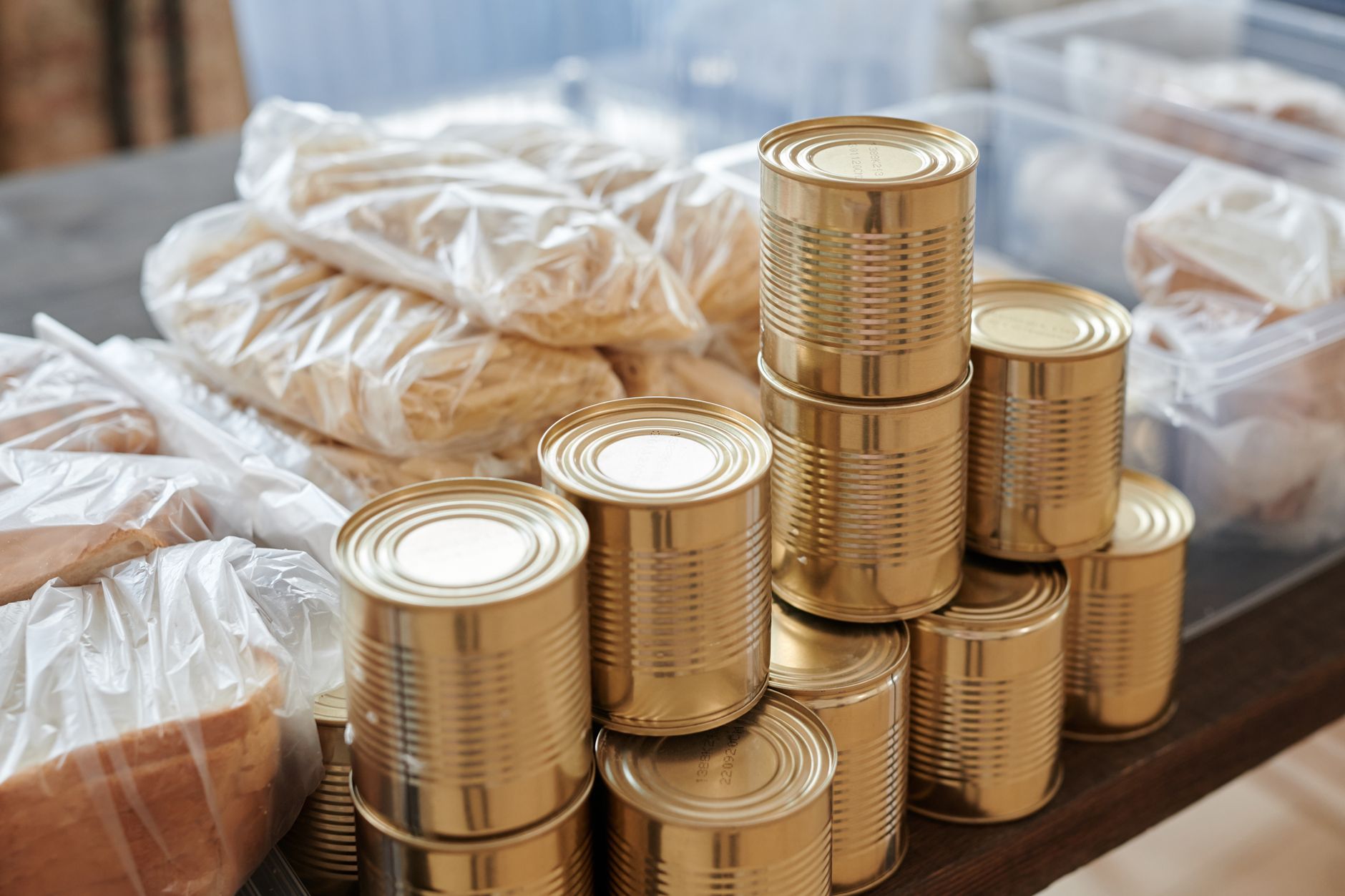
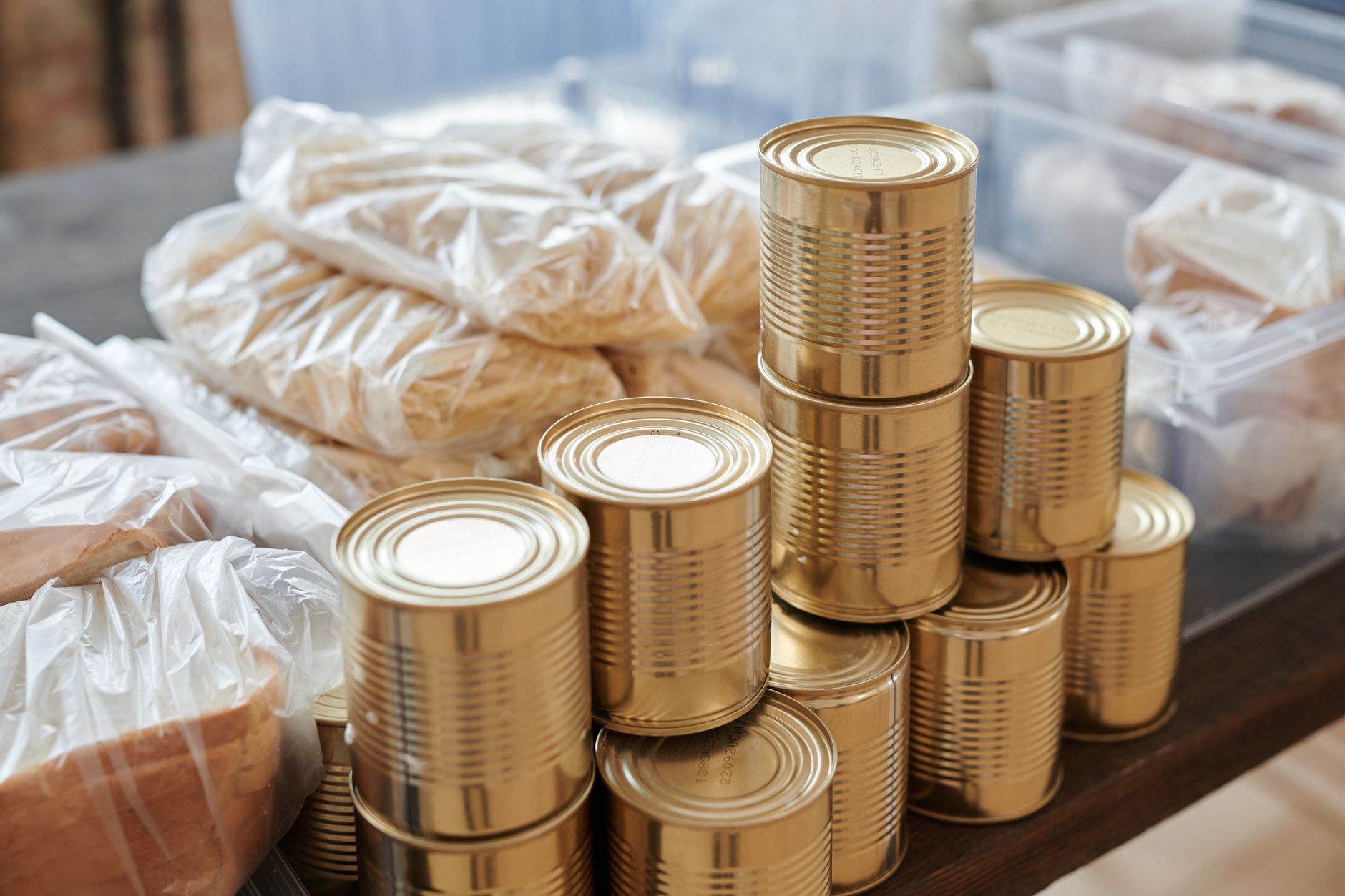
Quick Answer: Mountain House wins on taste and longevity with 30 years shelf life and restaurant-quality meals, but ReadyWise is the budget king at $2-$4 per serving. For a 2,000-calorie daily intake, Mountain House’s calorie-dense pouches mean less bulk. Choose Mountain House for quality; ReadyWise for affordability. When disaster strikes, the FEMA guidelines recommend every household have at least a three-day supply of non-perishable food. That means 2,000 calories per person per day, stored safely and ready to eat without cooking. Mountain House and ReadyWise are two leading brands in the emergency food space, each offering long-term storage solutions that meet these standards. But they approach survival meals from very different angles. Mountain House focuses on gourmet, freeze-dried entrees that taste like home cooking after 30 years on the shelf. ReadyWise leans into affordability, selling bulk meal buckets designed to feed families through extended emergencies. Both have a place in your 72-hour emergency kit, but which one fits your preparedness plan? ...

August 12, 2026 · 10 min · Jarrod Gravison
How Much Water to Store for Emergencies: The Per-Person Calculator

How Much Water to Store for Emergencies: The Per-Person Calculator

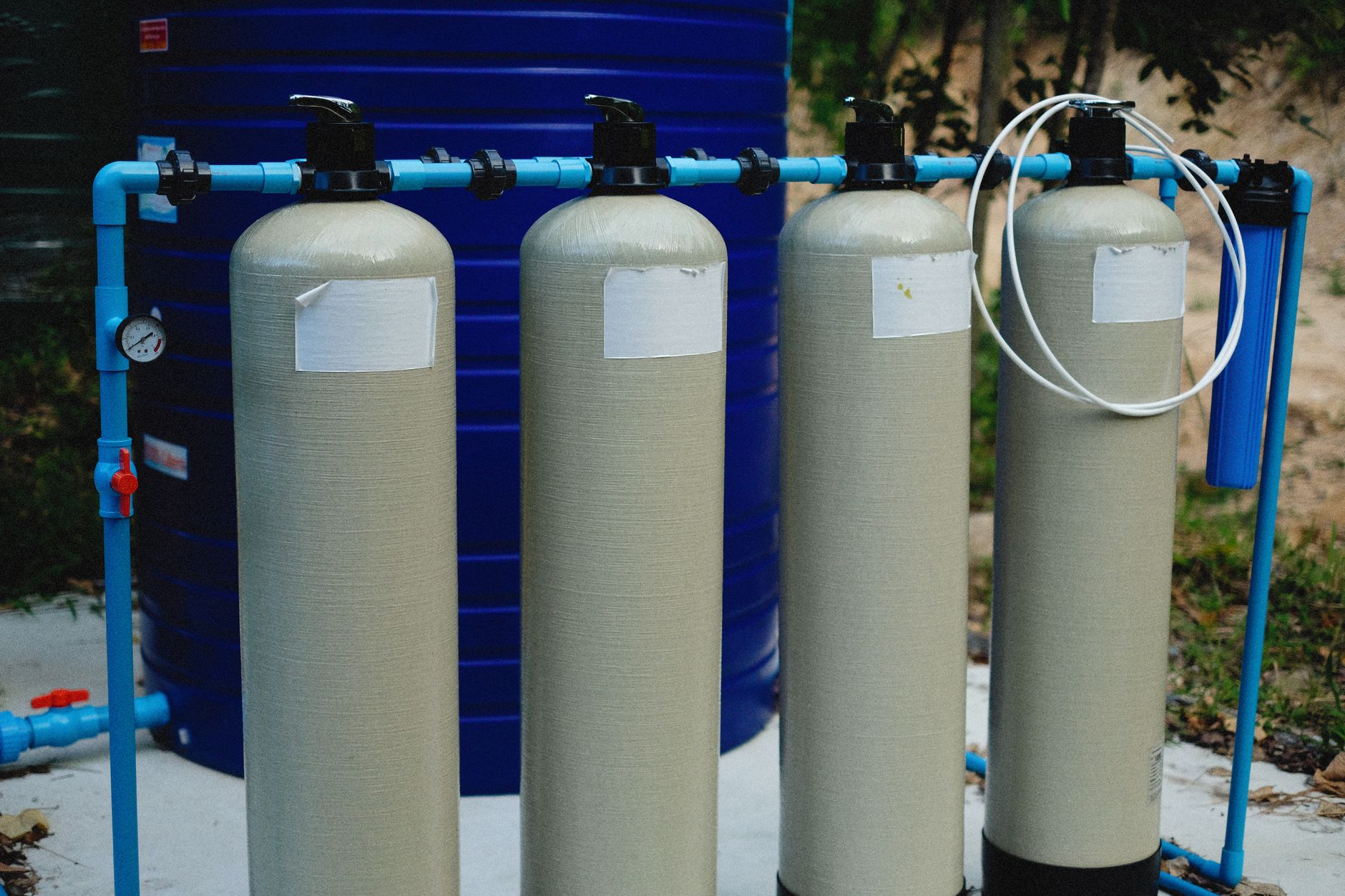
Quick Answer: Store at least 1 gallon of water per person per day for a minimum of 3 days. That equals 3 gallons per person for short-term emergencies. For longer scenarios, scale up: 14 gallons for 2 weeks, 90 gallons for 3 months. Adjust for climate, medical needs, and pets. Water is the single most important resource to stockpile for any emergency. Without food, you can survive weeks. Without water, most people die in three to four days. A mere 2% loss of body water leads to fuzzy thinking and fatigue. In a disaster, clean tap water may disappear overnight. Broken pipes, contamination, and power outages shut down municipal pumps. You cannot rely on last-minute store runs either. Shelves empty fast. The average American uses 80 to 100 gallons daily for drinking, cooking, and hygiene. Emergency rationing cuts that to about 1 gallon per person. That stark math is why a per-person calculator matters. ...

August 12, 2026 · 10 min · Jarrod Gravison
How Much Food to Store? Complete Calculator Guide

How Much Food to Store? Complete Calculator Guide

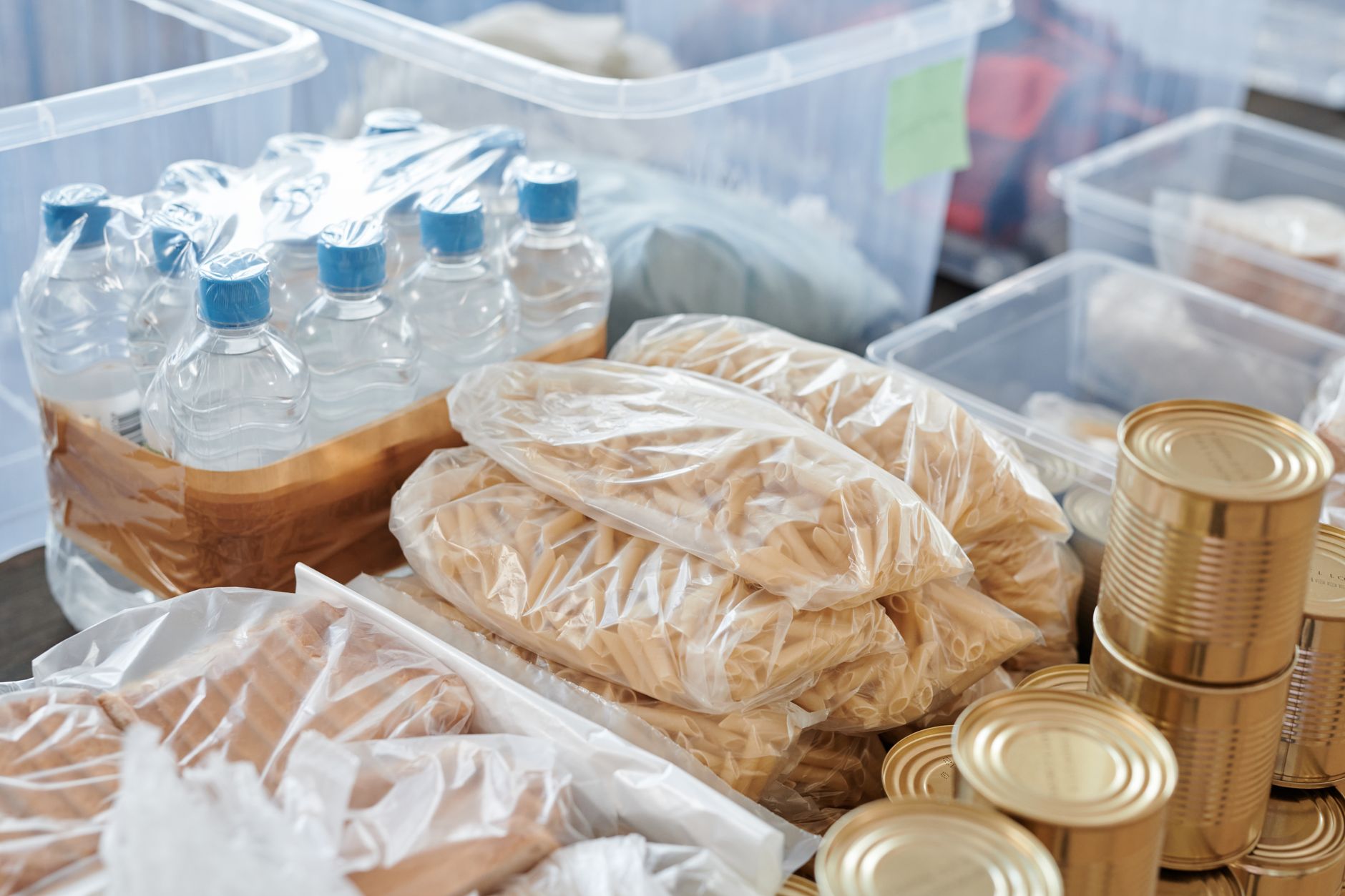
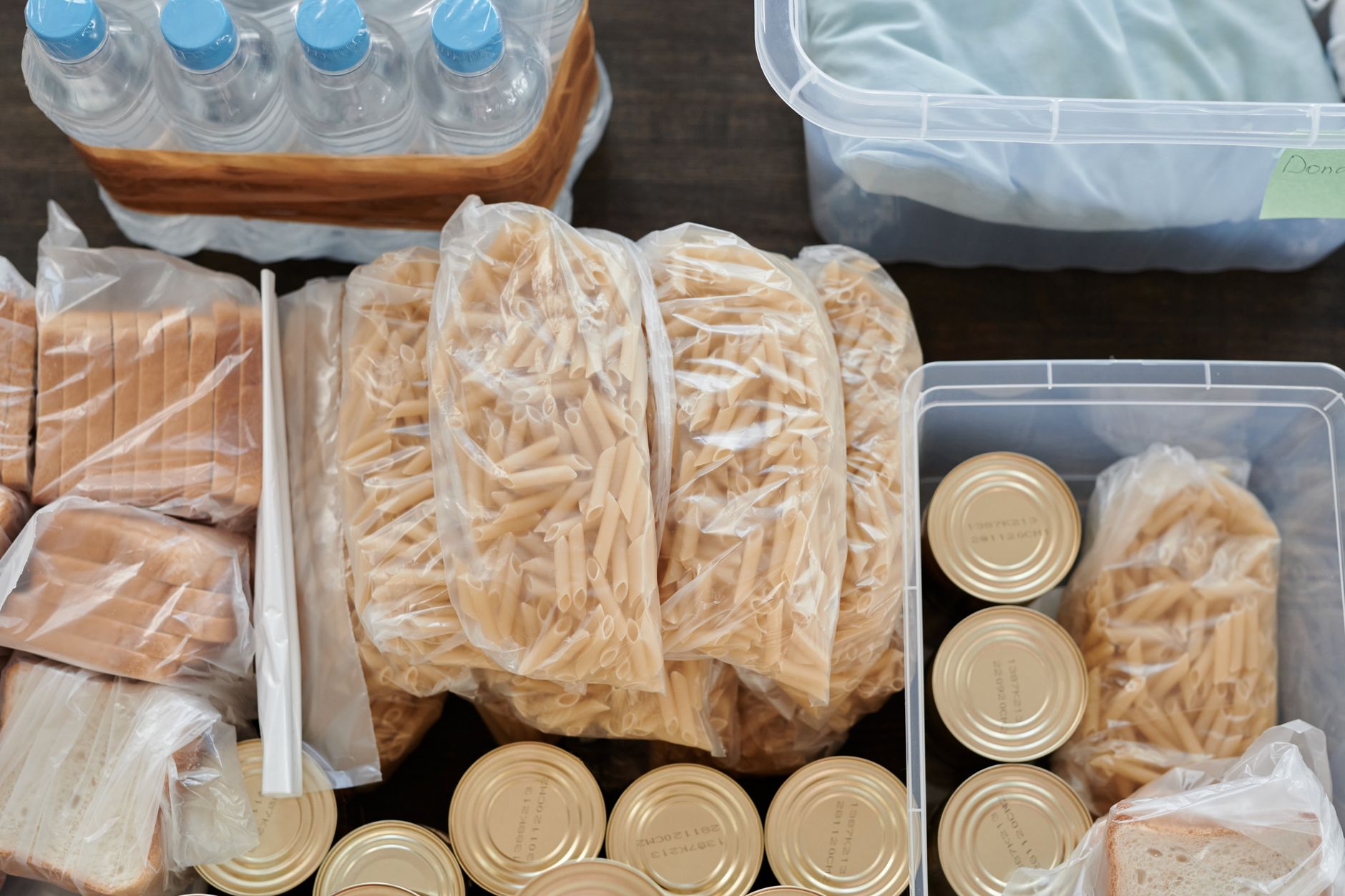
Quick Answer: For most households, experts recommend storing at least a 3-day supply of non-perishable food per person. A more robust plan includes a 2-week supply, and for extended emergencies, a 3-month or longer supply. A food storage calculator can help you determine exact quantities based on age, dietary needs, and family size, ensuring you have enough calories, nutrients, and variety to stay safe and healthy. Emergency preparedness starts with a clear plan for sustenance. Disruptions from hurricanes, winter storms, grid failures, or pandemics can leave grocery shelves bare within hours. The Federal Emergency Management Agency (FEMA) advises every household to maintain a baseline of non-perishable food that can last at least three days. But a true sense of security comes from understanding exactly how much food you need, not just for a weekend but for weeks or months if the worst happens. ...

August 12, 2026 · 13 min · Jarrod Gravison
Best Freeze-Dried Food Brands 2026: Long-Term Survival Storage Ranked

Best Freeze-Dried Food Brands 2026: Long-Term Survival Storage Ranked

Quick Answer: Mountain House is the best overall freeze-dried food brand for long-term survival storage in 2026. It offers exceptional taste, a verified 30-year shelf life, and complete meals delivering around 1,800+ calories per day. Budget-conscious preppers should look at ReadyWise, which costs roughly half as much. Whole-food purists will appreciate Valley Food Storage, while Nutrient Survival packs the highest nutrition density. Augason Farms gives you the most calories per dollar in bulk. ...

August 12, 2026 · 13 min · Jarrod Gravison
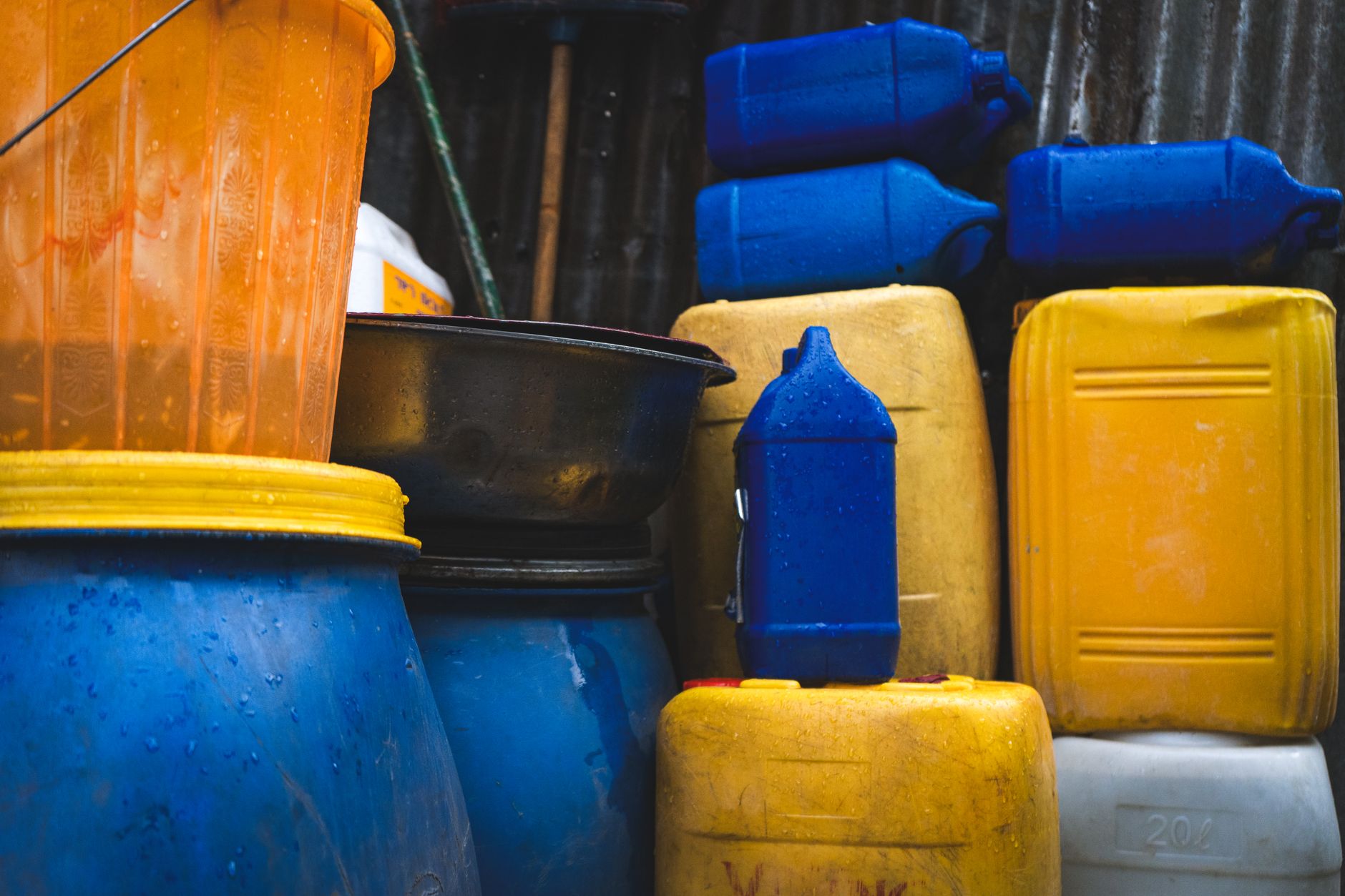
Best Emergency Water Storage Containers 2026: Tanks, Barrels & Jugs

Best Emergency Water Storage Containers 2026: Tanks, Barrels & Jugs

Quick Answer: The best emergency water storage container depends on your space and budget. For long-term home storage, a 55-gallon BPA-free barrel like the WaterPrepared tank is durable and cost-effective. Apartment dwellers benefit from the WaterBOB bathtub liner (100-gallon capacity). Stackable AquaBricks are ideal for modular setups. Always store at least 1 gallon of water per person per day, following FEMA guidelines. Clean water is the first thing you miss in a disaster. A human can survive weeks without food but only three days without water. That brutal math is why every emergency kit starts with storage. The FEMA guidelines on ready.gov recommend one gallon per person per day for at least three days. But anyone who has lived through a hurricane or grid failure knows that three days is the minimum. A two-week supply offers real peace of mind. The right container makes all the difference between safe hydration and a plastic-tasting gamble. ...

August 12, 2026 · 14 min · Jarrod Gravison
Best Emergency Water Storage Solutions for Home Preparedness (2026)

Best Emergency Water Storage Solutions for Home Preparedness (2026)

Quick Answer: The best emergency water storage solution depends on your space, budget, and household size. Large families should prioritize a 55-gallon drum for bulk storage. Apartment dwellers benefit from stackable Water Bricks. For grab-and-go emergencies, water pouches shine. Combine methods to meet FEMA’s recommendation of at least one gallon per person per day for two weeks. Water is the single most critical element in any preparedness plan. The FEMA ready.gov guidelines state that a person can survive only three days without it. Yet many homes lack enough stored water to ride out even a 72-hour disruption. A broken main, chemical spill, or grid-down scenario can cut off tap water without warning. The CDC’s public health preparedness research confirms that waterborne illness spikes after disasters when clean water runs short. Starting your storage now, before the next storm or supply chain hiccup, is essential. ...

August 12, 2026 · 12 min · Jarrod Gravison
Best Emergency Food Supply Kits 2026 (Ranked by Value)

Best Emergency Food Supply Kits 2026 (Ranked by Value)

Quick Answer: The best emergency food supply kit for value in 2026 is the Augason Farms 30-Day Emergency Food Supply (Quick & Easy version). It offers a 2,000+ calorie-per-day supply with a 25-year shelf life at less than $2.50 per day, striking the ideal balance between cost, nutrition, and taste. For families needing variety and easy preparation, the ReadyWise 72-Hour Kit is an excellent grab-and-go option. When disaster strikes, food is often the first resource to disappear from store shelves. Both FEMA and the CDC stress that every household should maintain a supply of non-perishable food for at least three days. Yet newer campaigns push for a two-week buffer, especially after recent supply-chain shocks taught us that store shelves might stay empty far longer than expected. A reliable emergency food kit bridges that gap, providing calibrated portions that don’t rely on the power grid to prepare. Before you invest, it’s essential to understand what separates a quality kit from a bucket of empty calories , and that’s where our value-focused ranking comes in. ...

August 12, 2026 · 12 min · Jarrod Gravison
Best Emergency Food Kits in 2026: What Preppers Actually Buy

Best Emergency Food Kits in 2026: What Preppers Actually Buy

Quick Answer: The best emergency food kit depends on your needs. Mountain House Classic Bucket offers superior taste and a 30-year shelf life. For long-term storage on a budget, Augason Farms 30-Day Pail delivers 36,000 calories at around $5 per day. ReadyWise is the most affordable family option. All kits exceed FEMA's 3-day minimum but vary widely in daily calorie counts. When the power grid fails or a hurricane barrels toward the coast, the last thing you want to worry about is your next meal. The FEMA emergency preparedness guidelines recommend storing at least a three-day supply of non-perishable food for each person. In 2026, with NOAA data showing an increase in billion-dollar weather disasters, that advice feels more urgent than ever. A quality emergency food kit is the foundation of any solid survival plan. But not all kits are created equal. Some pack all the calories you need, while others leave you hungry after a day. That’s why we dug into what preppers actually buy, so you can skip the marketing hype and stock up on kits that work when it counts. ...

August 12, 2026 · 9 min · Jarrod Gravison
3-Month Emergency Food Supply: Complete Planning Guide

3-Month Emergency Food Supply: Complete Planning Guide

Quick Answer: A 3-month emergency food supply provides a buffer against extended disruptions like natural disasters, pandemics, or economic crises. It requires roughly 200,000, 250,000 calories per person, stored as shelf-stable foods such as canned goods, freeze-dried meals, rice, and beans. Proper planning ensures nutritional balance, long shelf life, and easy rotation so you never have to eat spoiled food in a crisis. A two-week emergency food supply is a baseline every household should have. But if recent years have taught us anything, it is that some disruptions last much longer. Earthquakes, pandemics, extended power grid failures, and supply chain breakdowns can isolate communities for weeks or even months. FEMA’s ready.gov site stresses household self-sufficiency, and the Red Cross advises resilience far beyond a 72-hour kit. Those recommendations are a starting point, not a finish line. A 3-month food supply shifts your household from scrambling during the first signs of trouble to calmly managing a prolonged event with dignity and strength. ...

August 12, 2026 · 11 min · Jarrod Gravison
2-Week Emergency Food Supply: What to Store & How to Build It

2-Week Emergency Food Supply: What to Store & How to Build It

Quick Answer: For a reliable 2-week emergency food supply, store a mix of canned goods, freeze-dried meals, and bulk dry goods. Aim for at least 2,000 calories per person per day, with a total of 28,000 calories per person for two weeks. Prioritize shelf life, nutritional balance, and ease of preparation without electricity. A combination of commercial survival kits and DIY staples gives you flexibility for any scenario. Building a 2-week emergency food supply is the logical next step after you have a 72-hour emergency kit. A 14-day buffer isn’t just for hurricanes or ice storms anymore. According to the CDC, recent pandemics and supply chain disruptions have shown that two weeks of self-sufficiency is the new minimum for public health emergencies. The Red Cross echoes this, recommending that every household store at least two weeks of non-perishable, ready-to-eat food that requires no refrigeration, cooking, or water beyond what’s already stored. ...

August 12, 2026 · 13 min · Jarrod Gravison