Emergency preparedness starts with a clear plan for sustenance. Disruptions from hurricanes, winter storms, grid failures, or pandemics can leave grocery shelves bare within hours. The Federal Emergency Management Agency (FEMA) advises every household to maintain a baseline of non-perishable food that can last at least three days. But a true sense of security comes from understanding exactly how much food you need, not just for a weekend but for weeks or months if the worst happens.
Despite these clear guidelines, a 2022 national survey by the American Red Cross found that only 43% of American families have an emergency kit with food and water. The Centers for Disease Control and Prevention (CDC) echoes the 3-day minimum but stresses that many disasters can isolate communities for much longer. The CDC’s preparedness resources highlight that a 2-week supply is far more practical for events like a severe pandemic or infrastructure attack. A food storage calculator removes the guesswork and helps you avoid both underbuying while hungry and overbuying items that spoil.
Whether you are building a 72-hour emergency kit or expanding to a 2-week food supply, the math is simpler than you think. This guide will walk you through every variable: calories per person per day, dietary restrictions, shelf life, and rotation strategies. We will also show you how to use a food storage calculator to fine-tune your pantry for any scenario, using data-backed recommendations from the Red Cross and the USDA.
| Food Type | Shelf Life (Sealed) | Calories per Pound | Cost per 2,000 kcal | Prep Required |
|---|---|---|---|---|
| White Rice (dry) | 30+ years | 1,600 | $0.40 | Cooking |
| Dried Beans | 30+ years | 1,500 | $0.60 | Soaking + cooking |
| Freeze-dried meals | 20-25 years | 1,800 (rehydrated) | $5.00 | Boiling water |
| Canned Tuna | 2-5 years | 450 (5 oz can) | $4.50 | Ready to eat |
| Dehydrated Vegetables | 8-10 years | 1,700 | $3.00 | Rehydration |
| Whole Wheat (hard red) | 30+ years | 1,550 | $0.50 | Milling + cooking |
Why Should You Store Emergency Food?
Natural disasters strike without warning. In 2023 alone, the United States experienced 28 billion-dollar weather disasters, according to NOAA. Many of those events prompted local officials to issue shelter-in-place orders that lasted four days or longer. During those days, stores either closed or ran out of essentials within hours. Storing food is not paranoia. It is practical insurance against supply chain interruptions that happen multiple times every year.
A food cache also provides financial resilience. If you lose income during a crisis, your stored groceries keep you fed without relying on credit cards or sparse relief supplies. The Red Cross points out that having your own supply reduces strain on community resources, allowing emergency responders to focus on the most vulnerable. Your stored food becomes a community asset if you choose to share or barter with neighbors during longer grid-down events. The psychological comfort of knowing your family will not go hungry reduces stress and allows clearer decision-making when every choice matters.
Beyond immediate emergencies, food storage protects against inflation and supply shortages. Items like rice, beans, and freeze-dried meals lock in today’s prices for years. By slowly building a pantry using a calculator-driven plan, you avoid last-minute panic buying. You also gain the skills to rotate stock effectively, so nothing expires before you can use it. That level of self-reliance is the cornerstone of off-grid living.
- Immediate access to calories during the first 72 hours when help may not arrive
- Reduced reliance on overwhelmed supply chains and emergency relief systems
- Financial savings by bulk purchasing and preventing spoiled impulse buys
- Greater mental preparedness and confidence during community-wide disruptions
How Much Food Do You Need Per Person Per Day?
The foundation of any food calculator is calories. The average adult requires about 2,000 to 2,400 calories per day to maintain energy and health during stressful situations, though this varies by age, sex, weight, and activity level. A survival scenario often demands more physical work, so many planners budget 2,200 calories per adult per day. Children need about 1,200 to 1,800 calories depending on age, while nursing mothers may need an extra 500 calories daily. The USDA provides detailed calorie charts that you can use to personalize your storage plan.
Beyond calories, nutritional variety matters. A diet of only white rice and salt might meet calorie counts but leads to fatigue and vitamin deficiencies. Good storage plans balance macronutrients (carbohydrates, proteins, fats) and include long-stable micronutrients through canned fruits, dehydrated vegetables, and fortified grains. Include comfort foods like coffee, tea, or chocolate to boost morale. A well-rounded daily ration might look like 1,800 calories of staples (grains, legumes) plus 400 calories of proteins and vegetables, topped with snacks.
Most calculators start with a simple formula: Daily Calories × Number of People × Number of Days = Total Calories. For a family of four planning a 14-day supply at 2,000 calories each, that is 2,000 × 4 × 14 = 112,000 total calories. This is the target you break down into specific items. For more precise help, check our food storage calculator guide to see how these numbers translate into shopping lists.
- Adult male (sedentary): 2,200 kcal/day; active: up to 3,000 kcal/day
- Adult female (sedentary): 2,000 kcal/day; active: up to 2,500 kcal/day
- Child 4-8: 1,200-1,400 kcal; teen 14-18: 1,800-2,400 kcal
- Add 20% extra for snacks and waste to buffer against calculation errors
How Do You Calculate a 2-Week Food Supply?
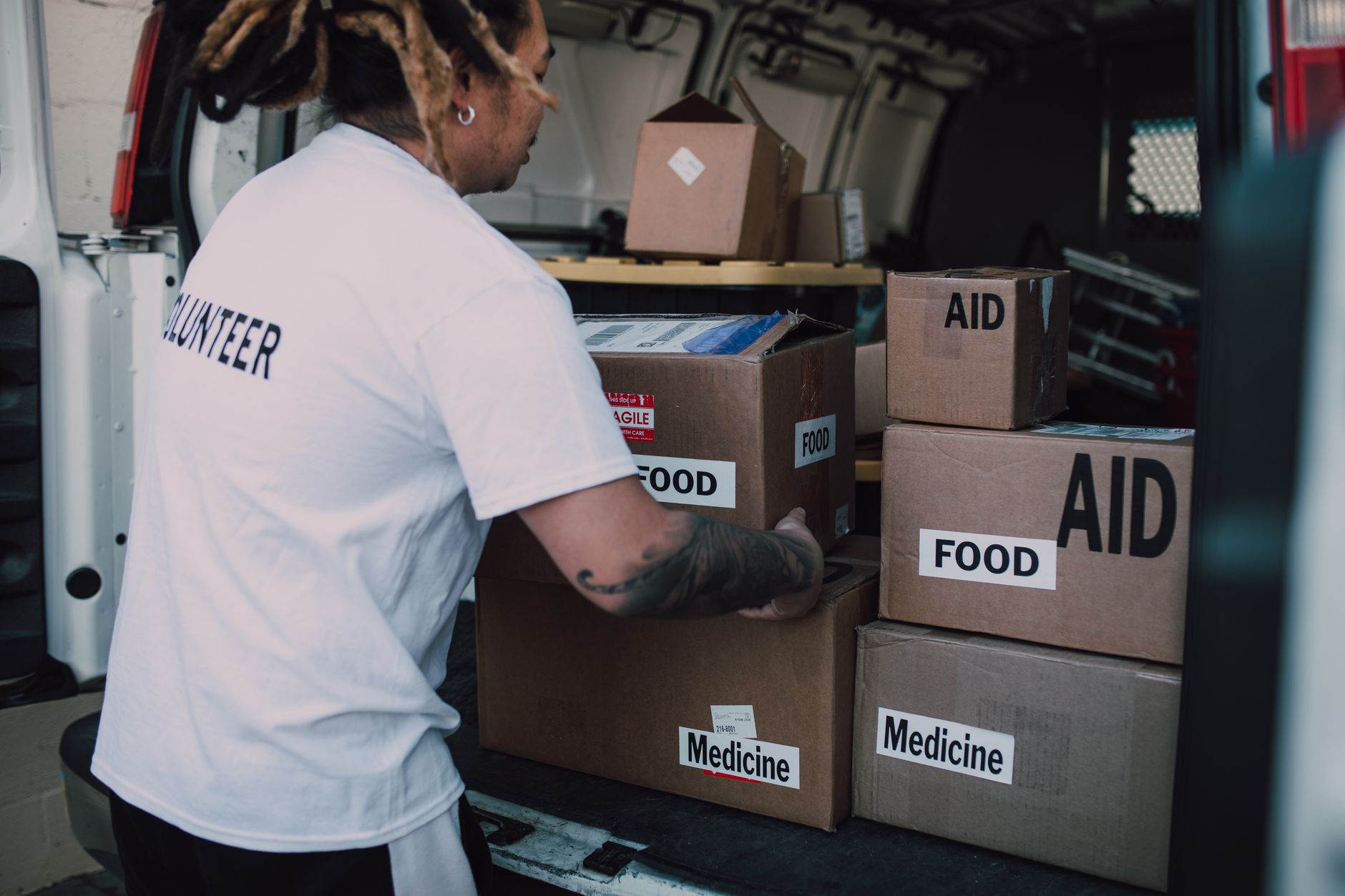
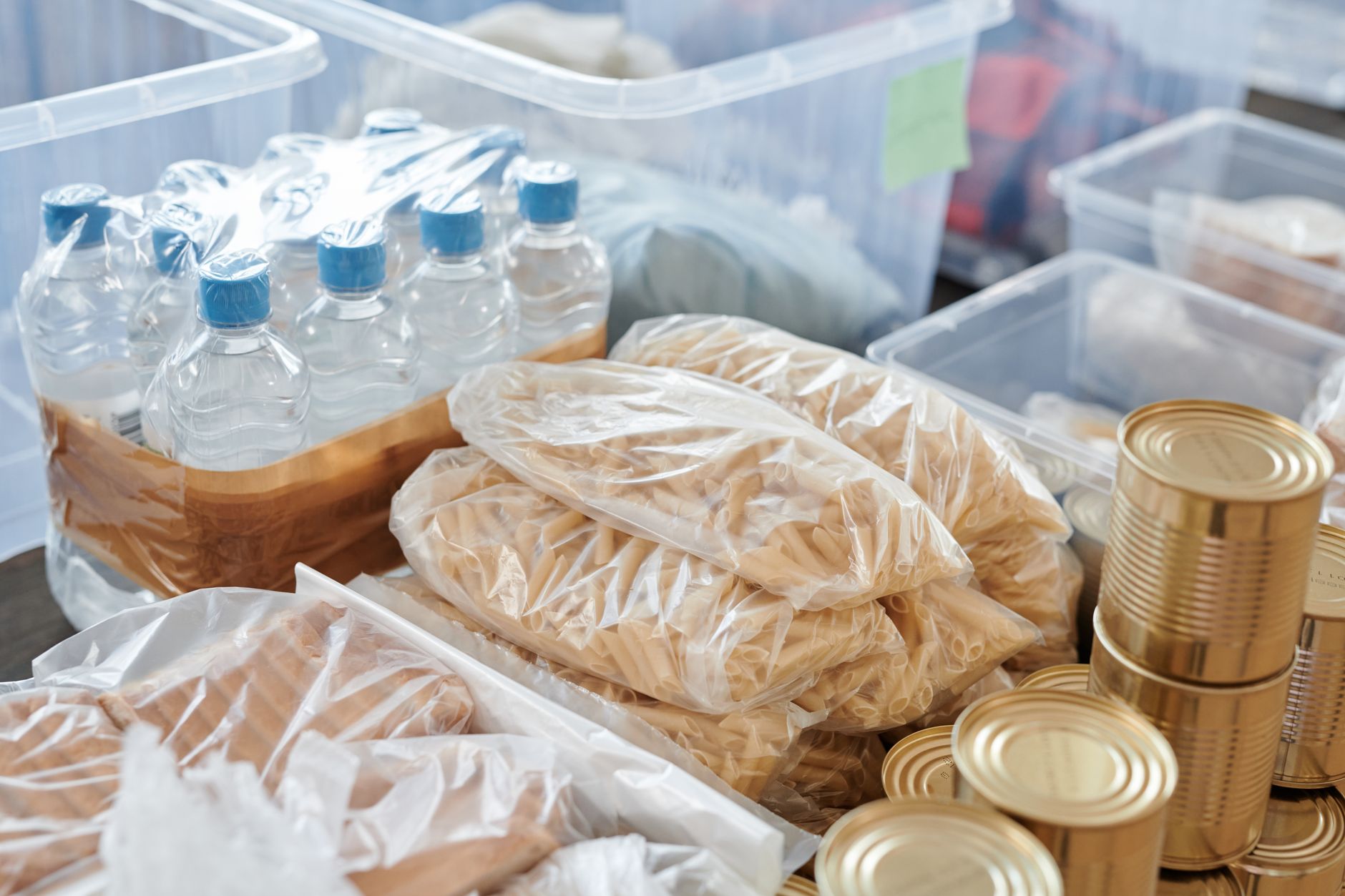
A two-week supply is the gold standard for household preparedness and is what the CDC recommends for pandemic or infrastructure emergencies. To calculate it, start by taking your daily per-person calorie target and multiplying by 14. Then convert that total into actual food weights. Shelf-stable staples like white rice (1,600 calories per pound), rolled oats (1,550 calories per pound), and dried beans (1,500 calories per pound) form the bulk. A single adult would need roughly 15-18 pounds of these dry goods just to meet carbohydrate and protein needs over 14 days.
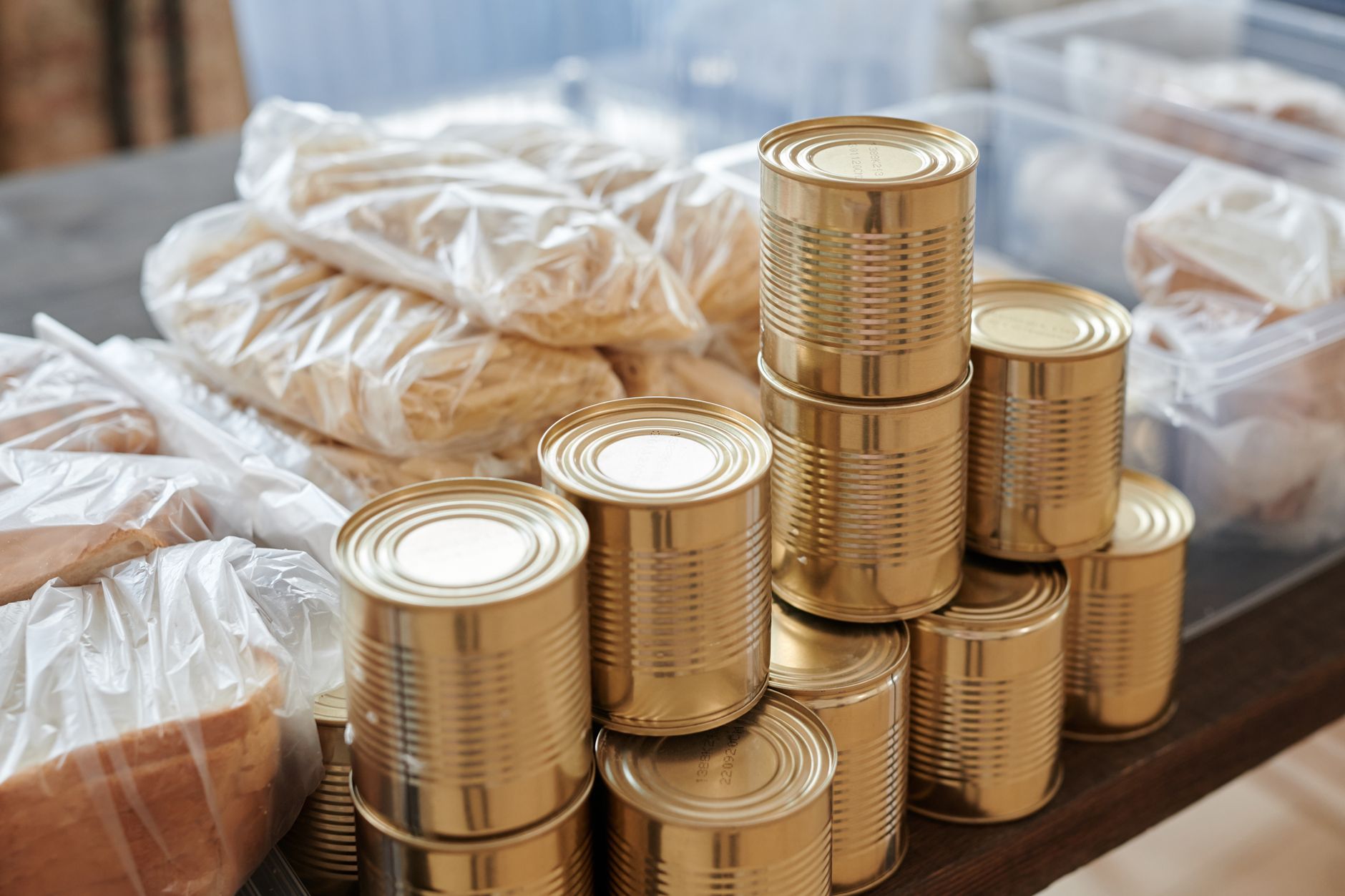
Next, add variety with canned meats, vegetables, and fruits. Canned tuna, chicken, or sardines offer protein that requires no cooking. Each 5-ounce can of tuna provides around 120 calories and 26 grams of protein, so five cans per person per week is a common recommendation. Canned vegetables and fruits add vitamin C and fiber. Don’t forget cooking and hygiene supplies: a manual can opener, fuel for a camp stove, and extra water for rehydrating dry foods.
For those who want a no-math solution, our 2-week food supply guide breaks down exactly how many pounds of each food group you should buy per person. That guide also includes printable checklists. A food calculator will also factor in special diets, such as gluten-free or low-sodium needs, and suggest appropriate substitutions like rice pasta or unsalted canned vegetables. Once your list is ready, spread purchases over several paychecks to make the investment manageable.
- Staple grains (rice, oats, pasta): 10-14 lbs per person
- Dried beans and legumes: 3-4 lbs per person
- Canned protein (tuna, chicken, beef): 8-10 cans (5 oz each) per person
- Canned vegetables and fruit: 12-16 cans per person
- Cooking oil or butter powder: 1-2 lbs per person
What Are the Best Foods for Long-Term Storage?
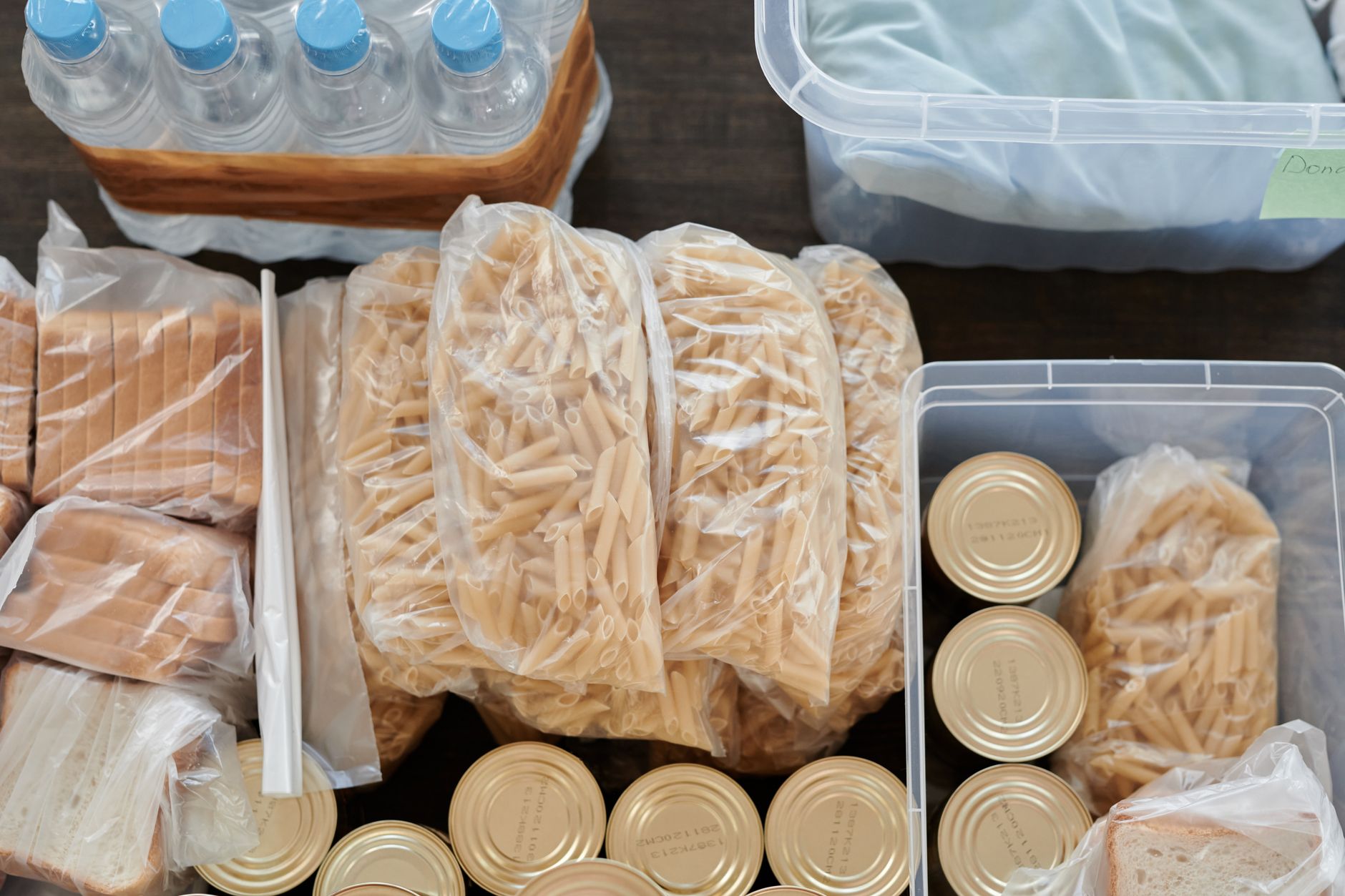
Long-term storage (6 months to 25+ years) relies on foods with very low moisture content and airtight packaging. Commercially freeze-dried meals top the list, with shelf lives often exceeding 25 years when stored below 70°F. Brands featured in our best freeze-dried food brands guide invest in nitrogen-flushed packaging and offer full meal pouches that only need boiling water. These are ideal for a 3-month to one-year supply because they require no rotating for decades.
Dry bulk goods like hard red winter wheat, white rice, dried corn, and rolled oats can last 30 years in sealed mylar bags with oxygen absorbers. While they demand a grain mill or significant cooking fuel, they offer the cheapest calories per dollar. Other staples such as pasta, dried potato flakes, honey, salt, sugar, and baking soda are essentially indefinite if kept dry. Canned goods have shorter lives (2-5 years) but are handy for rotation. High-acid foods like tomatoes last 12-18 months, while low-acid canned meats and vegetables remain safe far beyond their best-by dates if cans are intact.
For a complete nutrition picture, supplement bulk dry foods with emergency food supply kits that include freeze-dried fruits, vegetables, and proteins. These kits often come pre-assembled for specific timeframes like 1-month or 3-month supplies and are packed in stackable buckets. A food storage calculator will help you layer these different shelf lives, starting with daily-use canned items and backing them up with decades-long reserves.
- Freeze-dried entrees: 20-30 year shelf life, minimal prep
- White rice and dried beans: 30+ years when packed with oxygen absorbers
- Canned meats: 2-5 years, rotate regularly
- Honey, salt, sugar: indefinite shelf life if kept dry and sealed
- Dehydrated vegetables: 8-10 years, excellent for soups and stews
How Can You Build a 3-Month Food Supply?
A 3-month supply is the next logical step after mastering a 2-week pantry. This buffer covers extended job loss, prolonged utility outages, and scenarios where supply chains take months to normalize. The approach shifts from buying prepackaged kits to buying ingredients in bulk and cooking from scratch. Begin by multiplying your 2-week shopping list by six. Then replace every canned item with its larger bulk equivalent where possible, such as a 50-pound bag of rice instead of 1-pound boxes.
A deep pantry system works best. You buy three months worth of the foods you already eat, store them on sturdy shelving, and rotate through them constantly. This avoids the risk of your family refusing unfamiliar survival foods during a crisis. Our 3-month food supply guide provides a month-by-month acquisition plan, including how to store and organize bulk goods in limited space. The calculator approach again shines here: by inputting your family’s favorite meals, the calculator turns recipes into per-person ingredient totals multiplied by 90 days.
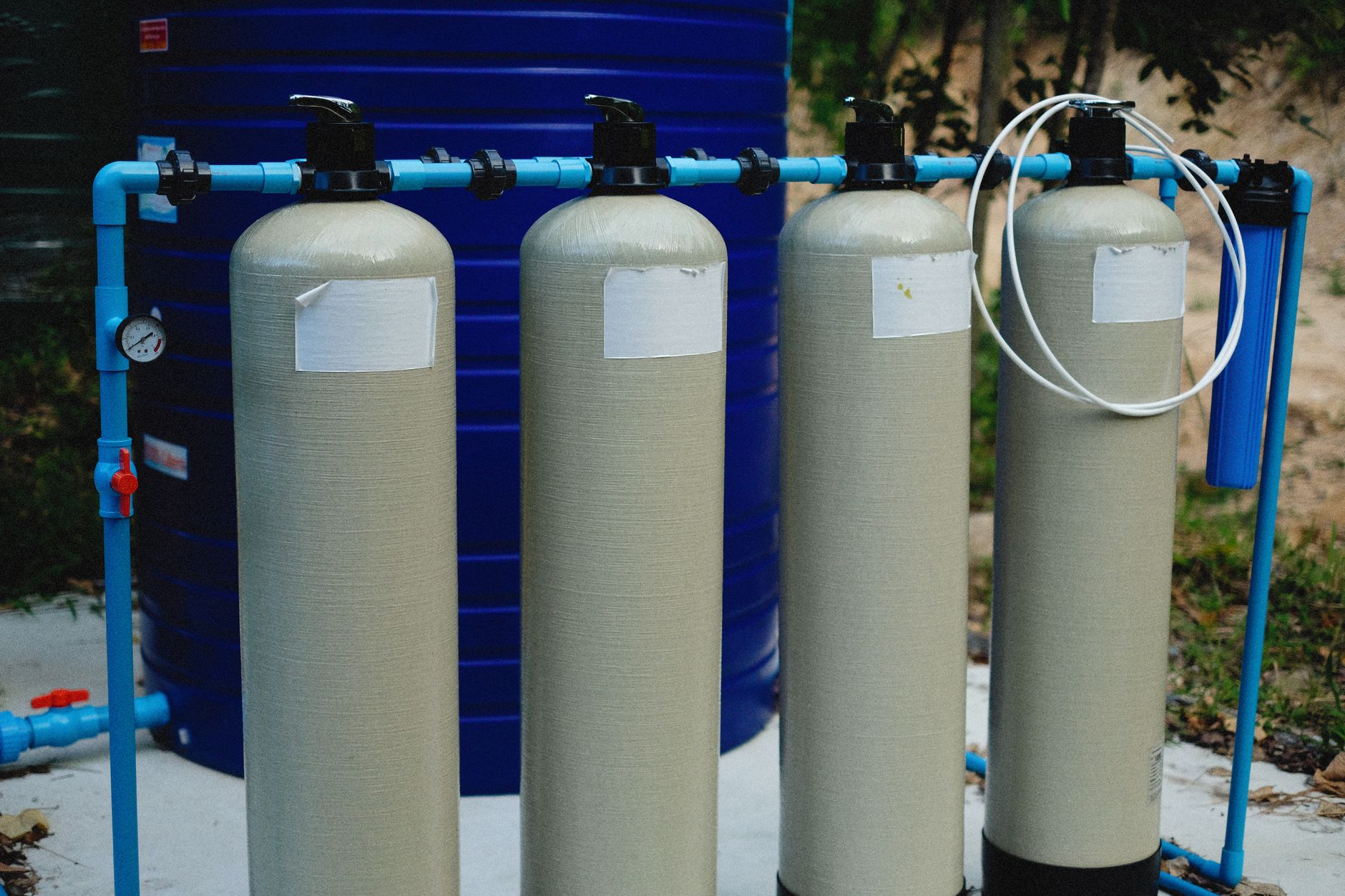
Water availability often dictates menu choices during a long-term event. If clean water is scarce, choose foods that require minimal preparation like canned soups, retort pouches, or freeze-dried meals that only need hot water. Factor in at least one gallon of water per person per day for cooking and drinking, plus extra for hygiene. A comprehensive survival plan always pairs food storage with robust water storage and purification methods, as discussed in our best emergency water storage guide.
- Convert favorite recipes into bulk ingredient lists and multiply by 90 days
- Store at least 50 lbs of grains and 25 lbs of legumes per adult for 3 months
- Set up a FIFO (first in, first out) rotation system on deep shelves
- Include comfort foods and treats to maintain morale during prolonged isolation
- Always store a spare manual grain mill and alternative cooking fuels
What Is a Food Storage Calculator and How Does It Work?
A food storage calculator automates the tedious math of building a balanced emergency pantry. You input the number of adults, children, and any special dietary requirements, along with your target timeline (3 days, 2 weeks, 3 months, or a year). The tool then draws from nutritional databases and survival guidelines to output a comprehensive shopping list with weight totals, calorie counts, and estimated servings per day. Some advanced calculators even let you select meal preferences and will adjust the list to include the specific freeze-dried or canned items you enjoy.
Most calculators use the FEMA and Red Cross daily calorie minimums as the baseline. They then add an extra 10-20% buffer to account for higher activity levels and inevitable waste. For example, a simple online calculator might tell a family of four that they need 112 pounds of staple grains and 31 pounds of dried beans for a 3-month supply. That same calculator can shift to a 2-week supply by dividing those numbers proportionally. Using a digital tool prevents the common mistake of buying too much of one food group and not enough of another.
You can find several free calculators online, but the one linked in our food storage calculator guide is specifically built using USDA nutritional data and includes water storage recommendations. No tool replaces common sense, however. Always double-check the output against your family’s actual eating habits and run a trial weekend using only your stored foods. That dry run reveals gaps in preparation, like a missing can opener or a child who refuses plain oatmeal. A calculator gives you the blueprint, but hands-on testing confirms your readiness.
- Input household size, age, dietary restrictions, and target storage duration
- Review total calories, macronutrient ratios, and per-person daily servings
- Adjust the output to replace any unfamiliar ingredients with family favorites
- Export a printable shopping list organized by store aisle for easy purchasing
Frequently Asked Questions
How many days of food should I store at a minimum?
FEMA and the Red Cross both recommend a 3-day supply as the absolute baseline. However, the CDC suggests a 2-week supply for most realistic scenarios. Start with 3 days and build up gradually.
How many calories per day do I need for emergency food storage?
Plan for 2,000 to 2,400 calories per adult per day. Active individuals may need more. Children require 1,200 to 1,800 calories. Always add a 20% buffer for extra exertion and potential waste.
Can I store only rice and beans for the long term?
You can survive on rice and beans, but nutritional deficiencies will develop over time. Supplement with canned fruits, vegetables, and protein sources like tuna or freeze-dried meats to maintain health.
How often should I rotate my stored food?
Rotate canned and packaged goods every 6-12 months using a first-in, first-out system. Long-term dry goods in sealed mylar bags with oxygen absorbers can sit for decades without rotation.
What about water? How much water should I store with my food?
Store at least one gallon of water per person per day for drinking and basic cooking. Double that amount if you need to rehydrate dry foods or wash dishes. A 2-week supply means 14 gallons per person minimum.
Do I need to store specialty foods for infants or pets?
Yes. Include formula, baby food, and pouches for infants, plus canned or dry pet food for animals. Calculate their calorie needs separately and store extra water for mixing formula.
What Should You Remember?
- 3-Day Minimum: Store at least a 3-day supply of non-perishable food per person, as recommended by FEMA.
- Calorie Targets: Budget 2,000-2,400 daily calories per adult, adjusting for age, activity, and special needs.
- 2-Week Standard: Build toward a 2-week supply using a combination of dry staples, canned goods, and freeze-dried meals.
- Long-Term Viability: Freeze-dried and properly sealed dry goods can last 20-30 years, making them ideal for a 3-month or longer cache.
- Use a Calculator: A food storage calculator removes guesswork by generating customized shopping lists based on your family size and timeline.
- Rotate & Test: Practice a weekend using only your stored items to identify gaps and get comfortable with preparation methods.
- Water Is Critical: Pair every food storage plan with at least one gallon of water per person per day, stored safely and rotated.
This article is for general information only. Emergency preparedness involves real safety risk — always consult official sources (local authorities, CDC, FEMA) and verify gear before relying on it.