Winter Car Survival Kit Checklist for Cold-Climate Drivers

Winter Car Survival Kit Checklist for Cold-Climate Drivers

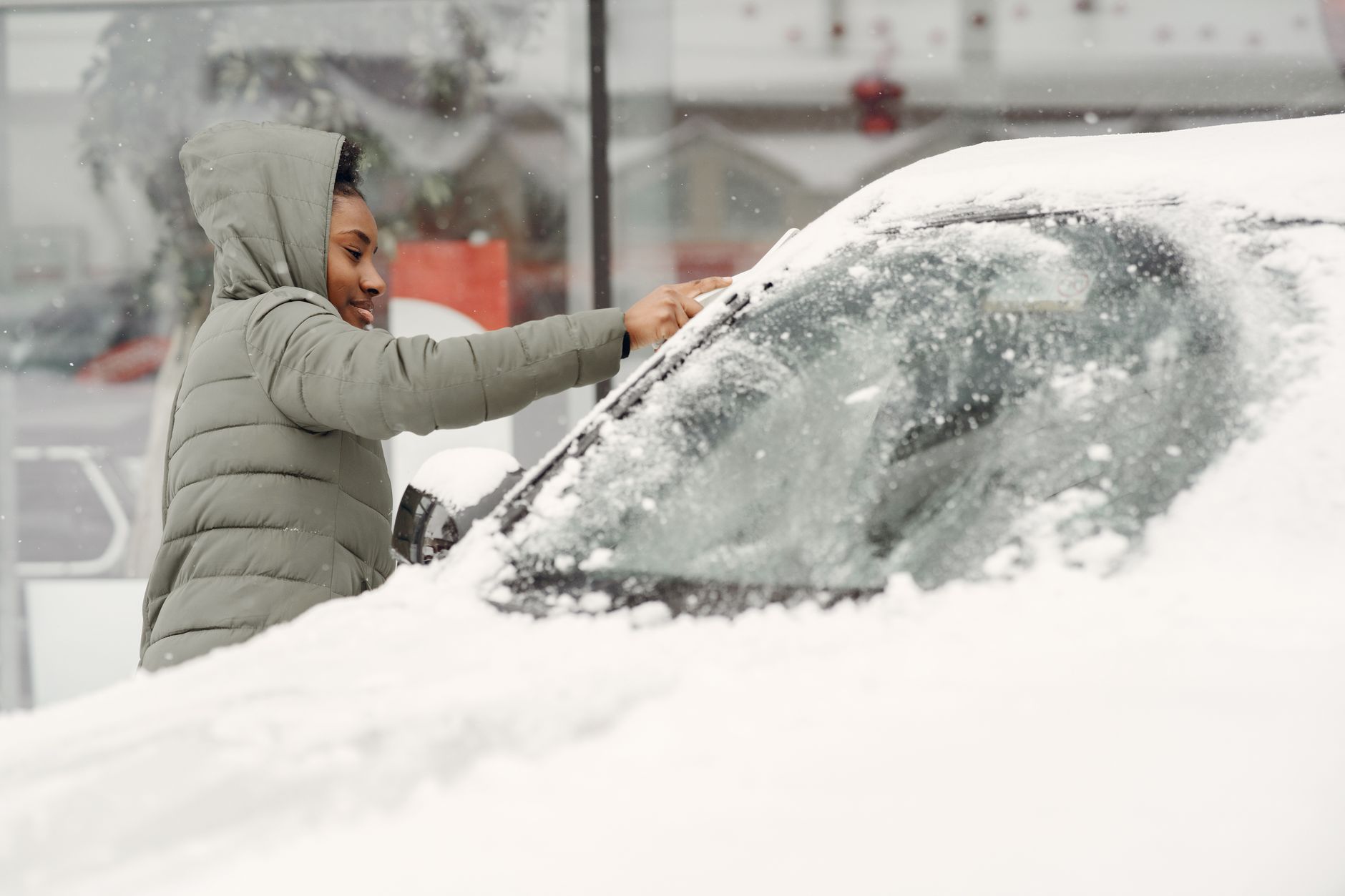
Quick Answer: A winter car survival kit is a compact collection of essential supplies stored in your vehicle to help you stay safe if you become stranded in cold, snowy, or icy conditions. It should include warm blankets, emergency food and water, a first aid kit, flashlights, jumper cables, a shovel, and a fully charged power bank. The Federal Emergency Management Agency (FEMA) and the American Red Cross both emphasize the importance of maintaining such a kit during winter months. ...

August 12, 2026 · 9 min · Jarrod Gravison
Urban Survival Guide: Emergency Prep for Apartment & City Dwellers

Urban Survival Guide: Emergency Prep for Apartment & City Dwellers

Quick Answer: Urban survival means preparing for emergencies in limited city spaces. Store at least 1 gallon of water per person per day (FEMA advises a 2-week supply at home). Build a portable [72-hour emergency kit](/articles/72-hour-emergency-kit-guide/) with food, first aid, and a [NOAA weather radio](https://www.weather.gov/safety/). Keep backup power like a [solar generator](/articles/best-solar-generators-2026/). Practice evacuation routes and stay informed. CDC and Red Cross offer planning checklists. Living in a high-rise apartment or a dense city neighborhood presents unique challenges when disaster strikes. Dependence on elevators, limited storage space, and congested evacuation routes can turn a minor emergency into a life-threatening situation. FEMA’s 2022 National Household Survey found that only 48% of Americans have an emergency supply kit, and just 39% have a family communication plan. For urban dwellers, those numbers may be even lower because they assume help is always close by. Yet, a power outage, water main break, or civil unrest can isolate you for days. The Red Cross emphasizes that urban residents must be self-reliant for at least 72 hours, and CDC guidelines urge storing a two-week supply of water and non-perishable food. ...

August 12, 2026 · 11 min · Jarrod Gravison
Survival & Preparedness Statistics 2026: 42 Key Facts, Trends & Data Points

Survival & Preparedness Statistics 2026: 42 Key Facts, Trends & Data Points

Quick Answer: In 2026, only 48% of US households have a 3-day emergency food supply despite FEMA recommending two weeks. Average food storage costs $3.50 per day per person for 2,000 calories. Water storage guidelines remain 1 gallon per person daily. Preparedness spending rose 18% since 2023, driven by extreme weather events. Solar generator sales surged 40% year-over-year, making off-grid power more accessible. Disasters don’t wait, and in 2026 the data tells a clear story: Americans are waking up to preparedness. Extreme weather events quadrupled over the last decade, pushing survival stats into mainstream conversation. The FEMA guidelines on ready.gov now emphasize a 2-week supply of food and water, not the old 72-hour minimum. Yet only 48% of households meet even the 3-day mark. That’s a dangerous gap. ...

August 12, 2026 · 14 min · Jarrod Gravison
Power Outage Survival Guide 2026: Stay Safe When the Grid Goes Down

Power Outage Survival Guide 2026: Stay Safe When the Grid Goes Down

Quick Answer: A prolonged blackout requires quick thinking and preparation. Store at least one gallon of water per person per day and non-perishable food for two weeks. Keep a battery-powered radio, flashlights, and a first aid kit handy. Unplug electronics to prevent surges. Never use generators indoors. Follow CDC guidelines for food safety and FEMA recommendations for sheltering in place. Power outages are no longer rare inconveniences. According to the U.S. Energy Information Administration, the average American experienced over 7 hours of power interruptions in 2021. That figure has doubled in the last decade. Extreme weather, aging infrastructure, and rising demand now threaten the grid like never before. In 2023, NOAA confirmed a record 28 billion-dollar weather disasters. Each one stressed power systems across the country. A blackout in 2026 could last days or even weeks. You can’t afford to be caught off guard. ...

August 12, 2026 · 9 min · Jarrod Gravison
Neighborhood Mutual Aid Network: Your Disaster Prep Guide

Neighborhood Mutual Aid Network: Your Disaster Prep Guide

Quick Answer: Building a neighborhood mutual aid network connects neighbors to share skills, resources, and support during emergencies. Start by mapping local assets, creating a communication plan, organizing training, and establishing resource pools. This guide provides actionable steps to boost local resilience. When a major earthquake topples power lines or a flood swallows streets, the first 72 hours are a jumbled scramble. Official responders are overloaded. FEMA’s research consistently shows that 95% of immediate rescues after a disaster are performed by neighbours, not fire trucks or police. This stark number transforms the way you think about survival. Your training, your stored water, and your 72-hour emergency kit matter, but nothing multiplies your safety like the people next door. ...

August 12, 2026 · 9 min · Jarrod Gravison
Hurricane Preparedness Checklist 2026: Before, During & After the Storm

Hurricane Preparedness Checklist 2026: Before, During & After the Storm

Quick Answer: A thorough hurricane preparedness plan has three phases. Before the storm, assemble at least a 72-hour kit with food, water, and medical supplies, secure your property, and plan your evacuation. During the hurricane, stay indoors away from windows and monitor updates. After the storm, avoid floodwaters, check for gas leaks, and use generators safely. Always follow FEMA and Red Cross guidelines for the latest advice. The 2024 Atlantic hurricane season produced 21 named storms, 9 hurricanes, and 3 major hurricanes. This active season strained emergency response systems across coastal communities. Experts from NOAA predict that 2025 and 2026 will continue the trend of above-normal hurricane activity. For anyone living along the Gulf Coast or Eastern Seaboard, a detailed preparedness checklist is no longer optional. It is a necessity. Hurricanes bring destructive winds, torrential rain, and storm surge that can flood entire neighborhoods. Being ready before the first warnings sound can save your life and your property. A single storm can leave thousands without power or clean water for weeks. Preparation starts long before a hurricane watch is issued. ...

August 12, 2026 · 9 min · Jarrod Gravison
How to Start a Survival Garden: Beginner's Guide to Growing Emergency Food

How to Start a Survival Garden: Beginner's Guide to Growing Emergency Food

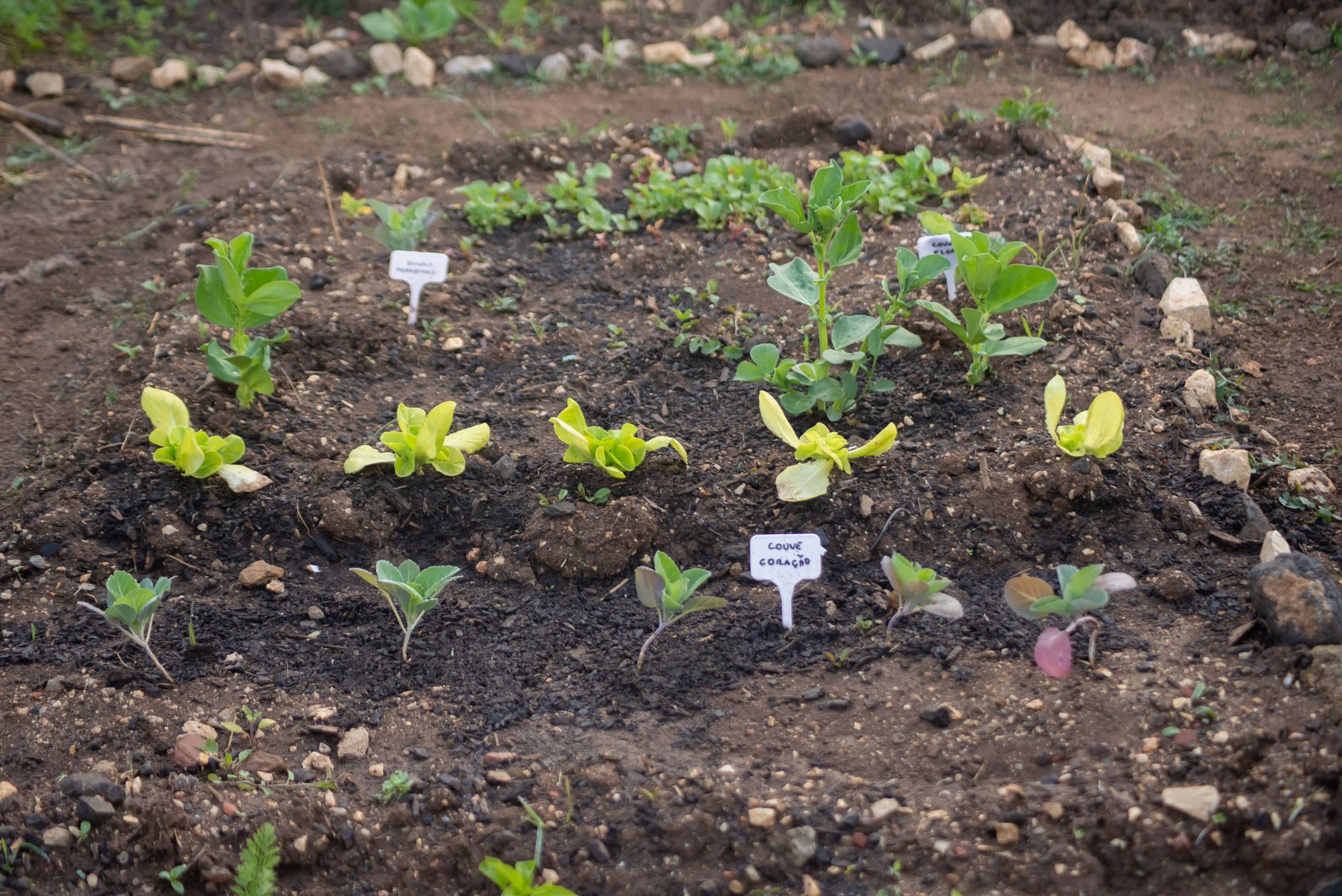
Quick Answer: Starting a survival garden means selecting hardy, calorie-dense crops that can sustain you during an emergency. Focus on potatoes, beans, squash, and leafy greens, use organic soil, and plan for year-round harvesting. Even a small 100-square-foot plot can supplement your emergency food supply as recommended by FEMA's preparedness guidelines. When supply chains buckle under hurricanes, pandemics, or grid failures, grocery store shelves empty fast. FEMA’s most recent National Household Survey revealed that only 48% of Americans have supplies for a disaster lasting more than two weeks. While a 72-hour emergency kit and a 2-week food supply are essential first steps, a crisis that drags on for months demands more. A survival garden, planted before the emergency, turns your backyard into a renewable food source that no supply chain can take away. ...

August 12, 2026 · 11 min · Jarrod Gravison
How to Build a Faraday Cage: Protect Your Electronics From EMP

How to Build a Faraday Cage: Protect Your Electronics From EMP

Quick Answer: A Faraday cage is a simple conductive enclosure that blocks electromagnetic pulses (EMP) from damaging electronics. You can build one using a metal trash can, aluminum foil, or an ammo box, lined with insulating material. Place essential devices like radios, solar chargers, and spare phones inside to ensure they work after a grid-down event. A single nuclear detonation high above the atmosphere could release an electromagnetic pulse that fries most unprotected electronics across an entire continent. The resulting blackout might last months or years. Smartphones, vehicle computers, and the power grid would stop working instantly. For preparedness-minded individuals, this is not a far-fetched Hollywood scenario. It is a scientifically validated risk highlighted by government agencies and independent researchers. The question is not whether you should prepare, but how to safeguard the electronics you will need afterward. ...

August 12, 2026 · 10 min · Jarrod Gravison
Grid-Down Survival Guide: What to Do in a Long-Term Power Outage

Grid-Down Survival Guide: What to Do in a Long-Term Power Outage

Quick Answer: During a grid-down event, first stay calm and account for everyone. Secure water (1 gallon per person per day), rely on non-perishable food, and use alternative power sources like solar generators and hand-crank radios. Prioritize safety, communication, and medical needs. Prepare now with a 72-hour kit and a long-term food supply. A long-term power outage is not just an inconvenience. It can paralyze water treatment plants, cut off communications, and leave families vulnerable for weeks. The aging U.S. electrical grid faces mounting threats from extreme weather, cyberattacks, and physical strain. According to FEMA, 60% of Americans have not practiced any emergency drills, and many lack basic supplies. A grid-down scenario, whether caused by a hurricane, EMP, or cascading infrastructure failure, demands a different mindset than a short blackout. You must plan for no resupply, no tap water, and no 911 response. ...

August 12, 2026 · 12 min · Jarrod Gravison
Bug Out Bag Checklist 2026: Essential Gear for Emergency Evacuation

Bug Out Bag Checklist 2026: Essential Gear for Emergency Evacuation

Quick Answer: A bug out bag is your 72-hour lifeline during a sudden evacuation. Pack water purification tools, calorie-dense food, a compact shelter, first aid supplies, a hand-crank radio, and copies of essential documents. Regularly refresh your kit and adapt it to local hazards like floods or wildfires. FEMA, the CDC, and the Red Cross all emphasize that a pre-packed bag can save lives when minutes matter. When a wildfire crests the ridge or flash floods close roads, you may have only minutes to leave. A bug out bag prepares you to grab and go without scrambling. Yet, according to FEMA’s Ready.gov, only 38% of Americans have assembled any kind of emergency kit. That gap leaves millions exposed during mandatory evacuations. A structured checklist helps you avoid critical oversights, from water storage to vital documents. The Red Cross also notes that nearly half of all households do not know what destinations they would go to in an evacuation. ...

August 12, 2026 · 8 min · Jarrod Gravison
Emergency Preparedness on a Budget: $50, $100, $200 Plans

Emergency Preparedness on a Budget: $50, $100, $200 Plans

Quick Answer: A $50 plan secures absolute basics for 1 person for 72 hours: water, a few calories, a flashlight, and a first aid kit. The $100 plan adds multi-day food, water storage containers, and shelter gear. The $200 plan provides a family-ready 72-hour kit with superior water filtration, a camp stove, and longer-term food. Start small and build over time. Preparing for an emergency does not require a prepper’s fortune. The FEMA ready.gov guidelines make it clear: a basic disaster supplies kit saves lives, and you can build one for far less than you think. Even a modest $50 plan can cover the non-negotiable pillars of survival: water, a few calories, light, and a way to treat a minor injury. If you have a little more to spend, the $100 and $200 tiers expand your safety net dramatically without forcing you into debt. This comparison breaks down exactly what you get at each spending level, using plain language and real numbers from trusted sources like the CDC and the American Red Cross. ...

August 12, 2026 · 11 min · Jarrod Gravison
Apartment Emergency Preparedness: Small Space Guide

Apartment Emergency Preparedness: Small Space Guide

Quick Answer: Yes, you can be fully prepared in a small apartment. The key is to store compact essentials like water bricks, freeze-dried meals, and multi-use tools. Use vertical spaces and under-bed storage. Focus on a 72-hour kit and a plan for sheltering or evacuation. Apartment living requires creativity but not compromise. According to FEMA, only 48% of Americans have an emergency plan. In a small apartment, limited square footage often feels like a barrier. Floor space is scarce. Closets are tiny. You might think you can’t store enough supplies. But with smart storage and compact gear, you can meet the same readiness standards as any homeowner. The secret is using vertical height, under-furniture voids, and multi-purpose items that replace bulky single-task tools. Your 400-square-foot studio can hold everything you need for 72 hours or more. ...

August 12, 2026 · 12 min · Jarrod Gravison
72-Hour Emergency Kit List: Everything You Actually Need (2026)

72-Hour Emergency Kit List: Everything You Actually Need (2026)

Quick Answer: A solid 72-hour emergency kit provides at least 2,000 calories and 1 gallon of water per person per day. Pre-made options from ReadyWise or Mountain House meet FEMA guidelines reliably, but a DIY kit costs 30-50% less and lets you tailor supplies to dietary restrictions, medications, or local hazards like hurricanes. For most families, a hybrid approach, buying a base food-and-water kit and adding personal documents, prescriptions, and extra tools, gives the best balance of speed and customization. ...

August 12, 2026 · 13 min · Jarrod Gravison
72-Hour Emergency Kit: Food & Water Checklist

72-Hour Emergency Kit: Food & Water Checklist

Quick Answer: For a 72-hour emergency kit, pack at least 2,000 calories per person per day and 1 gallon of water per person per day. Prioritize non-perishable, ready-to-eat foods and reliable water purification. Consider your storage space, budget, and whether you’ll need to evacuate or shelter in place. A mix of commercial meals and DIY options often works best. Disasters strike without warning. A 72-hour emergency kit with food and water can be the difference between surviving and struggling. The Federal Emergency Management Agency, FEMA, advises that every household keep a minimum three-day supply of non-perishable food and safe drinking water. This isn’t extreme prepping. It’s basic insurance against hurricanes, power outages, floods, or supply chain disruptions. Yet a 2023 FEMA survey found only 39% of Americans have an emergency kit. You don’t need to be a statistic. Start with the right food and water. This 72-hour kit guide walks through the other gear, but your calories and hydration are the heart of the kit. ...

August 12, 2026 · 11 min · Jarrod Gravison