A two-week emergency food supply is a baseline every household should have. But if recent years have taught us anything, it is that some disruptions last much longer. Earthquakes, pandemics, extended power grid failures, and supply chain breakdowns can isolate communities for weeks or even months. FEMA’s ready.gov site stresses household self-sufficiency, and the Red Cross advises resilience far beyond a 72-hour kit. Those recommendations are a starting point, not a finish line. A 3-month food supply shifts your household from scrambling during the first signs of trouble to calmly managing a prolonged event with dignity and strength.
Building a 90-day pantry is not about fear. It is about practical preparation. When you walk into your basement or storage room and see rows of labeled, organized, calorie-dense food, you eliminate one of the greatest stressors in any crisis. No one wants to stand in long lines at empty grocery stores or ration a handful of crackers. With careful planning, you can assemble a supply that mirrors your family’s normal eating habits, covers nutritional needs, and fits a modest budget. This guide walks you through exactly how to choose foods, how much to store, and how to keep everything edible for the long haul.
We will reference trusted sources like the CDC’s public health preparedness guidelines and the Red Cross emergency preparedness resources while keeping the advice grounded in real-world experience. You will learn about caloric math, shelf life, storage conditions, and affordable buying strategies. Whether you are in a city apartment or a rural homestead, a complete 3-month food supply is within reach.
Why Should You Consider a 3-Month Emergency Food Supply?
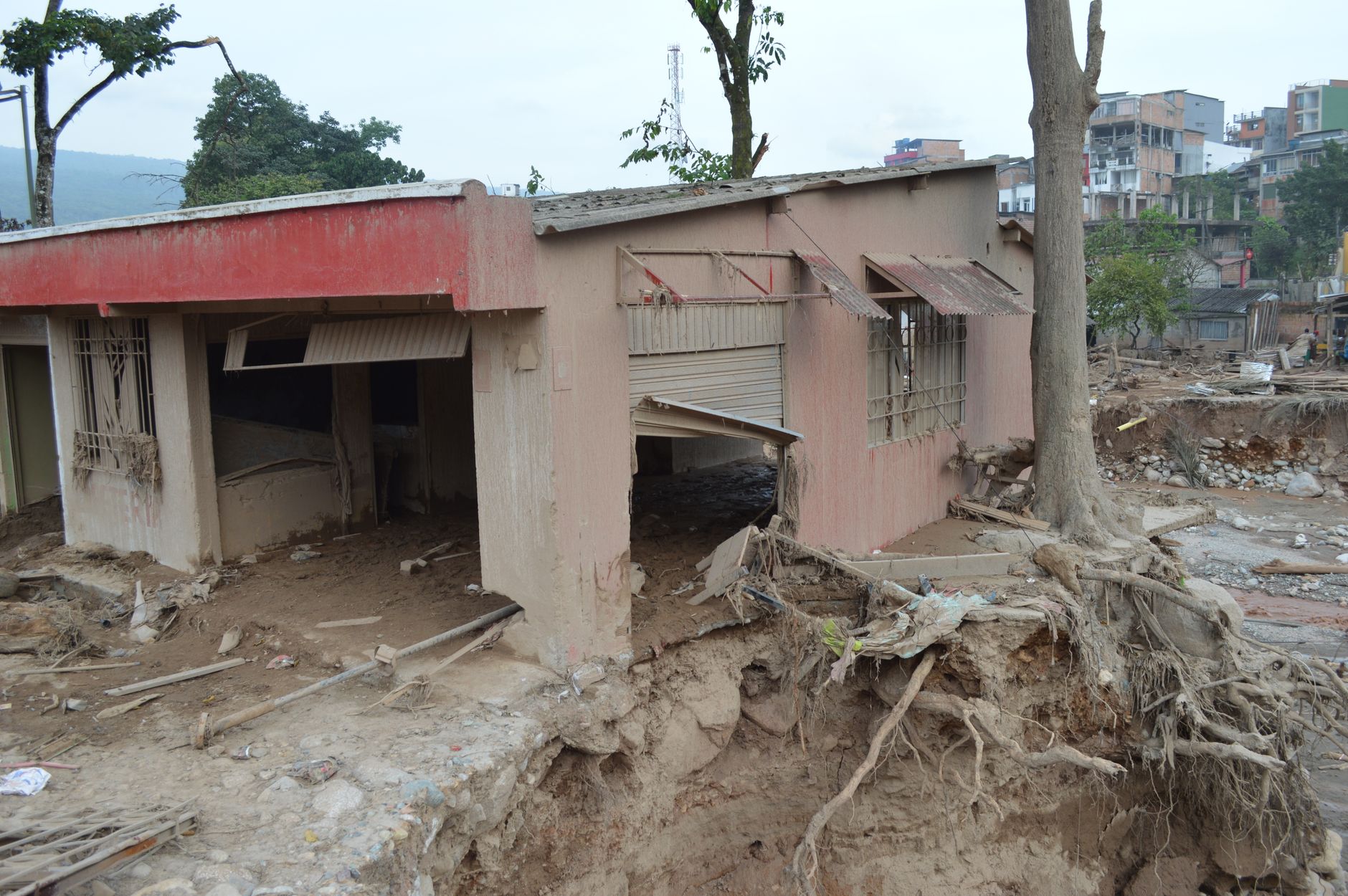
Natural disasters and infrastructure failures are no longer rare, far-off events. NOAA data shows the United States averages 18 billion-dollar weather and climate disasters each year. In 2023 alone, the nation experienced a record 28 separate events causing over $1 billion in damage. Each of these can knock out local grocery distribution for extended periods. FEMA’s official guidance once centered on 72-hour kits, which gave the false impression that help arrives fast. Reality paints a different picture. After Hurricane Maria, some Puerto Rico residents waited more than three months for reliable food and water access. A larger supply puts you ahead of the curve.
The psychological benefit is just as critical. Knowing you have a 3-month buffer reduces panic buying and lets you focus on other urgent tasks. The CDC emphasizes mental resilience as part of disaster preparedness, and food security plays a major role in that. You will never be forced to drink questionable water or eat expired leftovers if your pantry is stocked intelligently. For a deeper look at shorter-term solutions, read our 72-hour emergency kit guide to see where a 3-month plan expands the timeline.
Long-term food storage also protects against economic shocks. Food inflation averaged 5.8% in 2023, and prices can spike locally during any disruption. Buying in bulk now locks in lower costs and insulates your household from both supply volatility and price surges. If you are new to prolonged storage, consider starting with a 2-week food supply guide and then scaling up. Each step builds a stronger safety net.
What Types of Food Work Best for a 3-Month Supply?
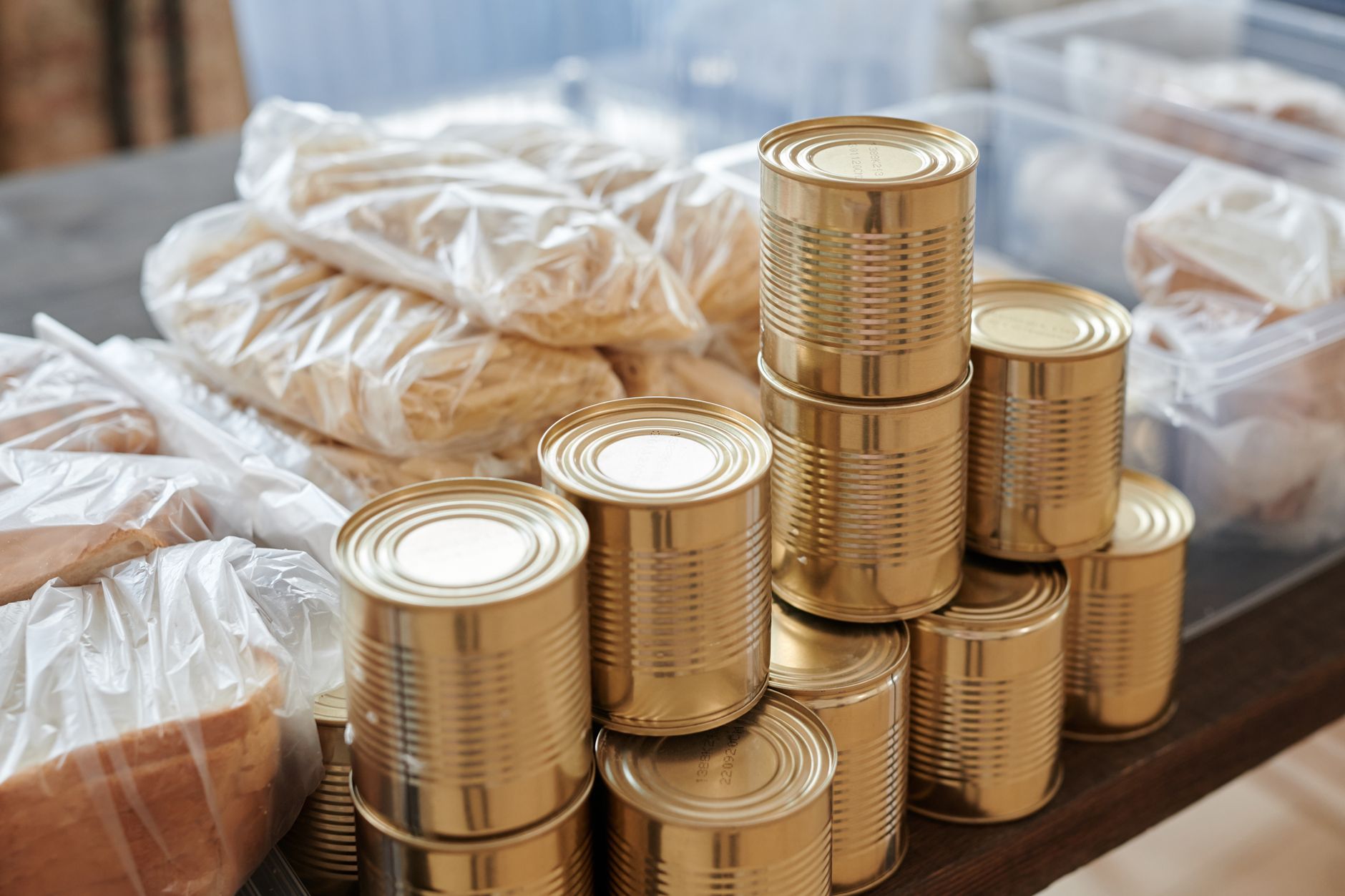
The best emergency foods combine long shelf life, dense calories, and minimal preparation. Canned goods like vegetables, fruits, meats, and soups can last 2, 5 years when stored properly. Dry staples such as white rice, dried beans, lentils, and rolled oats remain viable for 30 years or more when packaged in oxygen-free containers. Freeze-dried meals, while more expensive, offer a 25, 30 year shelf life and require only boiling water, an invaluable perk when fuel is limited. Check our top picks in best emergency food supply 2026 for a curated list of reliable brands.
Avoid foods that demand constant refrigeration or have high moisture content unless you have off-grid power. Dehydrated and freeze-dried fruits, vegetables, and dairy powders bridge the nutritional gap without compromising storability. Peanut butter, nuts, and dried meats give you protein and healthy fats. Powdered milk, eggs, and cheese add cooking flexibility. For those with gardens, how to start a survival garden demonstrates ways to supplement your stored food with fresh produce if the growing season aligns.
Comfort foods matter more than most preppers admit. Hot cocoa, tea, coffee, hard candy, and shelf-stable baking mixes lift morale during stressful stretches. Include a can opener, preferably manual, and some basic spices. Bland meals become unbearable fast. Remember that familiar flavors reduce psychological strain. The Red Cross preparedness resources underscore the importance of mental well-being alongside physical needs; your food supply should support both.
- Canned proteins: tuna, chicken, salmon, spam
- Dry goods: rice, pasta, oats, lentils, flour
- Freeze-dried meals for variety and ease
- Canned vegetables and fruits packed in water or juice
- Comfort extras: coffee, tea, honey, chocolate
How Much Food Do You Need for a 3-Month Supply?
Most adults need 2,000, 2,500 calories per day to maintain energy during physical emergency tasks. Children and seniors may require fewer. A simple calculation: 2,200 calories × 90 days = 198,000 calories per person. Multiply by the number of family members. A household of four therefore needs around 792,000 calories stored away. Use a food storage calculator guide to get precise breakdowns by age and activity level.
Calories are not the only metric. Macronutrients matter. Aim for a distribution where 50, 60% of calories come from carbohydrates (grains, legumes), 15, 20% from protein, and 20, 30% from fats. A typical daily menu might include oatmeal with dried fruit for breakfast, rice and beans with canned vegetables for lunch, and freeze-dried pasta primavera for dinner. Snacks like trail mix, protein bars, and powdered milk drinks pad the calorie count.
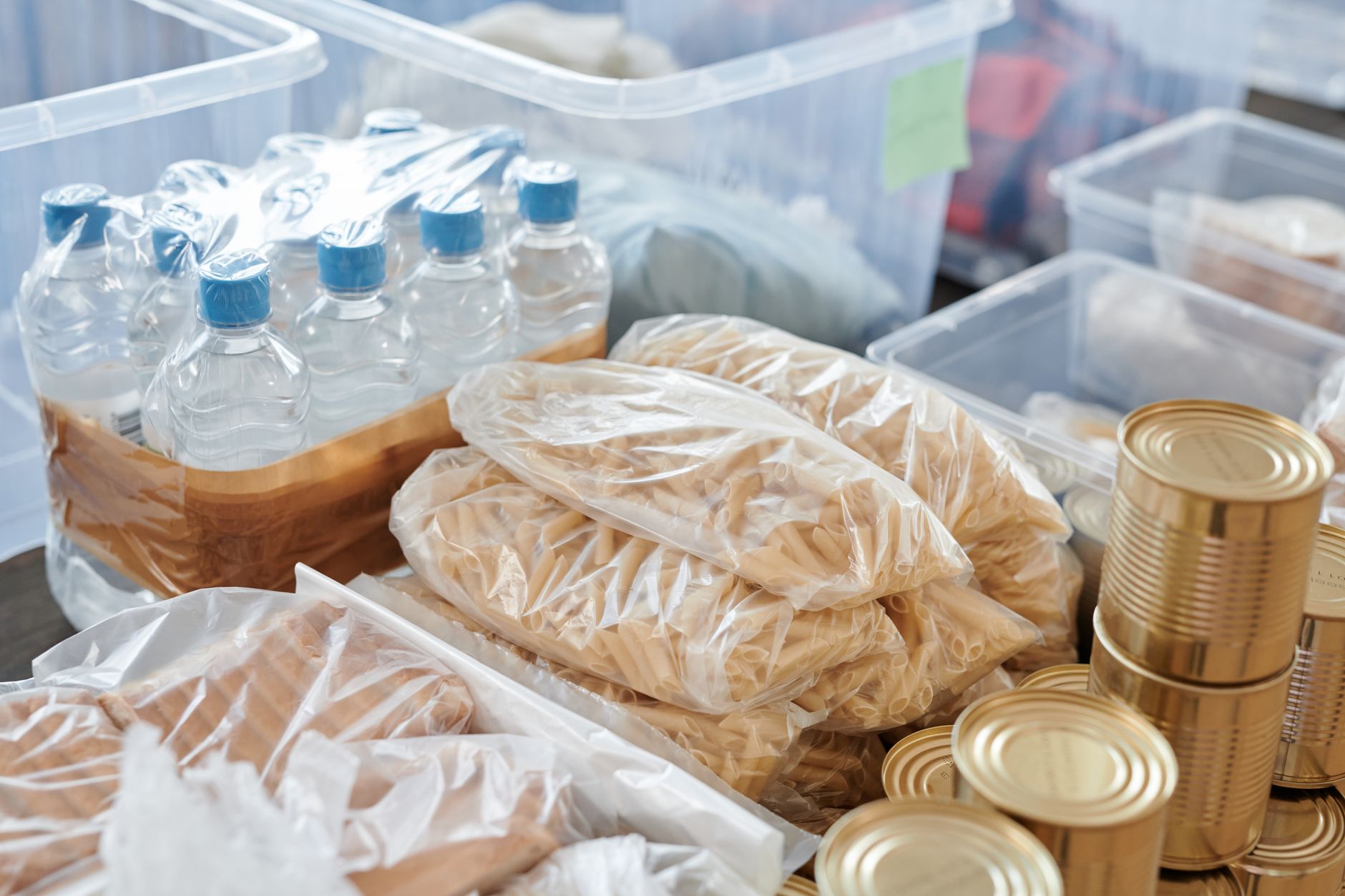
Water storage is equally vital. The average person needs one gallon per day for drinking and hygienic uses. That adds up to 90 gallons per person for three months, which is often impractical to store indoors. Instead, store a two-week water supply (14 gallons per person) and pair it with reliable water purification methods and best emergency water storage containers. Plan for safe water at the source using filters or purification tablets. Our guide on how much water to store in emergencies breaks down the numbers further.
What Storage Conditions Maximize Shelf Life?
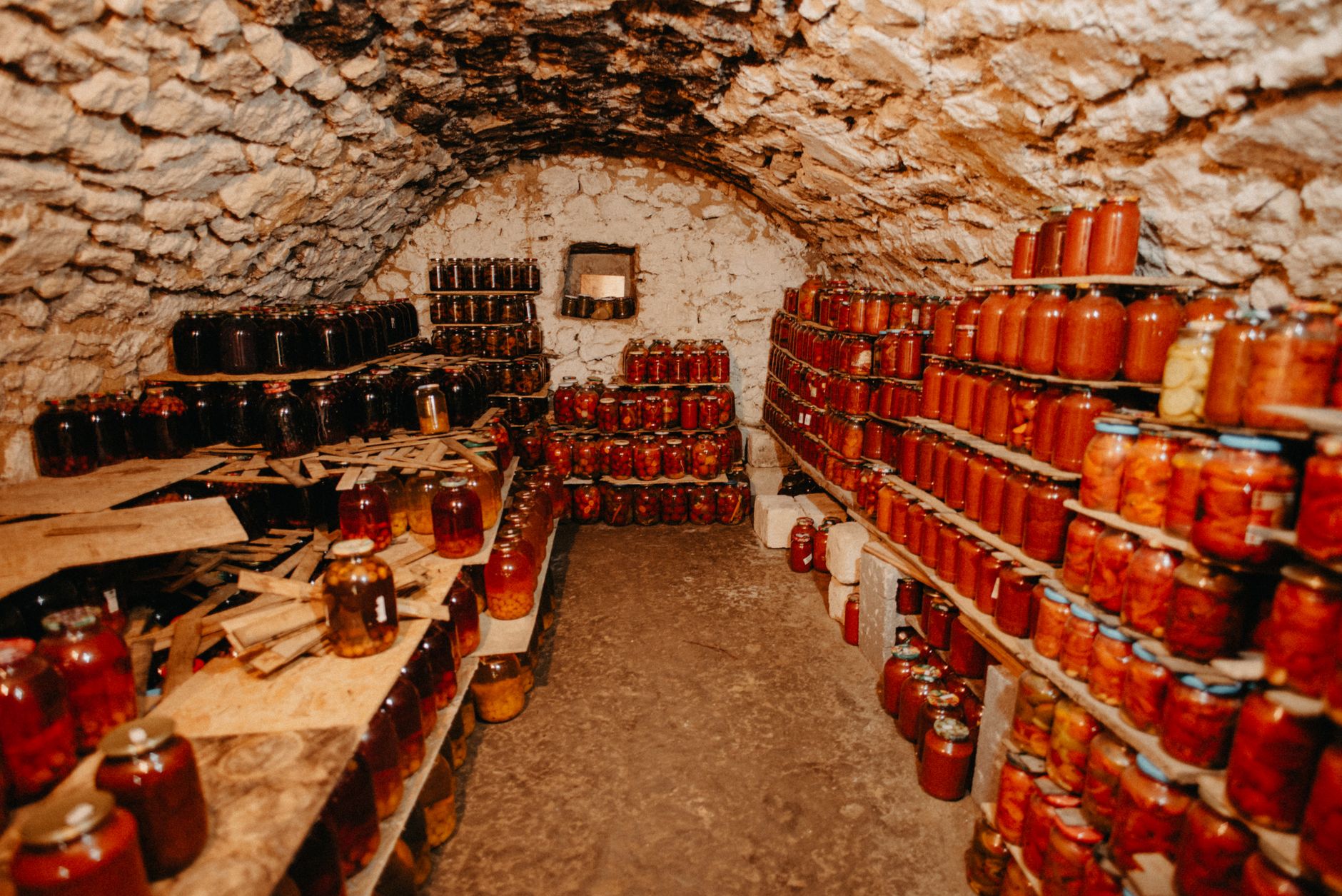
Temperature is the enemy of shelf life. USDA food safety guidelines state that for every 10°F increase in storage temperature, shelf life is cut in half. Aim for a consistent temperature between 50°F and 70°F. Basements usually work well because they stay cool year-round. Avoid garages and attics where summer heat can exceed 100°F, turning your carefully chosen supplies into degraded mush within months.
Moisture and pests are the next biggest threats. Keep everything in airtight containers, whether factory-sealed Mylar bags with oxygen absorbers, food-grade buckets, or commercial packaging. Metal cans resist rodents better than plastic or cardboard. If you use buckets, add bay leaves or diatomaceous earth as natural deterrents. Inspect storage areas monthly for signs of insects or water damage.
Light degrades vitamins and fats faster. Dark pantries or opaque containers are ideal. If you must use clear shelves, cover the front with a curtain or cardboard. Organization is crucial. Label each item with the purchase date and rotate using the first-in, first-out method. A messy pantry leads to forgotten food that expires before you need it. For budget-friendly strategies on building this system from scratch, see our budget emergency preparedness tips.
How Do You Build a 3-Month Food Supply on a Budget?
A 90-day food reserve does not require a second mortgage. The trick is to avoid expensive commercial kits unless convenience is paramount. Instead, buy staple foods in bulk when they go on sale. A 50-pound bag of rice costs around $20 and provides 52,000 calories. That single purchase feeds one person for 24 days. Dry beans and lentils offer similar value. Canned vegetables, tuna, and peanut butter are frequently discounted, so watch grocery flyers and stock up.
Spread the investment over several months. One approach is the ‘buy one, store one’ method. Each regular grocery trip, purchase one extra of each non-perishable item on your list. Within 90 days you will have three months’ worth of that product. This incremental method avoids financial shock and lets you test recipes and handling long before an emergency occurs. Combine this with a small survival garden and even a few window-box herbs reduce the need for expensive seasonings.
Always remember water. A 3-month food supply without reliable water is useless. Pair your bulk food purchases with water containers and a high-quality filter such as those in our best survival water filters 2026 list. This dual approach ensures you can both eat and rehydrate those dry staples. Budgeting for clean water storage is as essential as budgeting for food.
What Are Common Mistakes to Avoid with a 3-Month Food Supply?
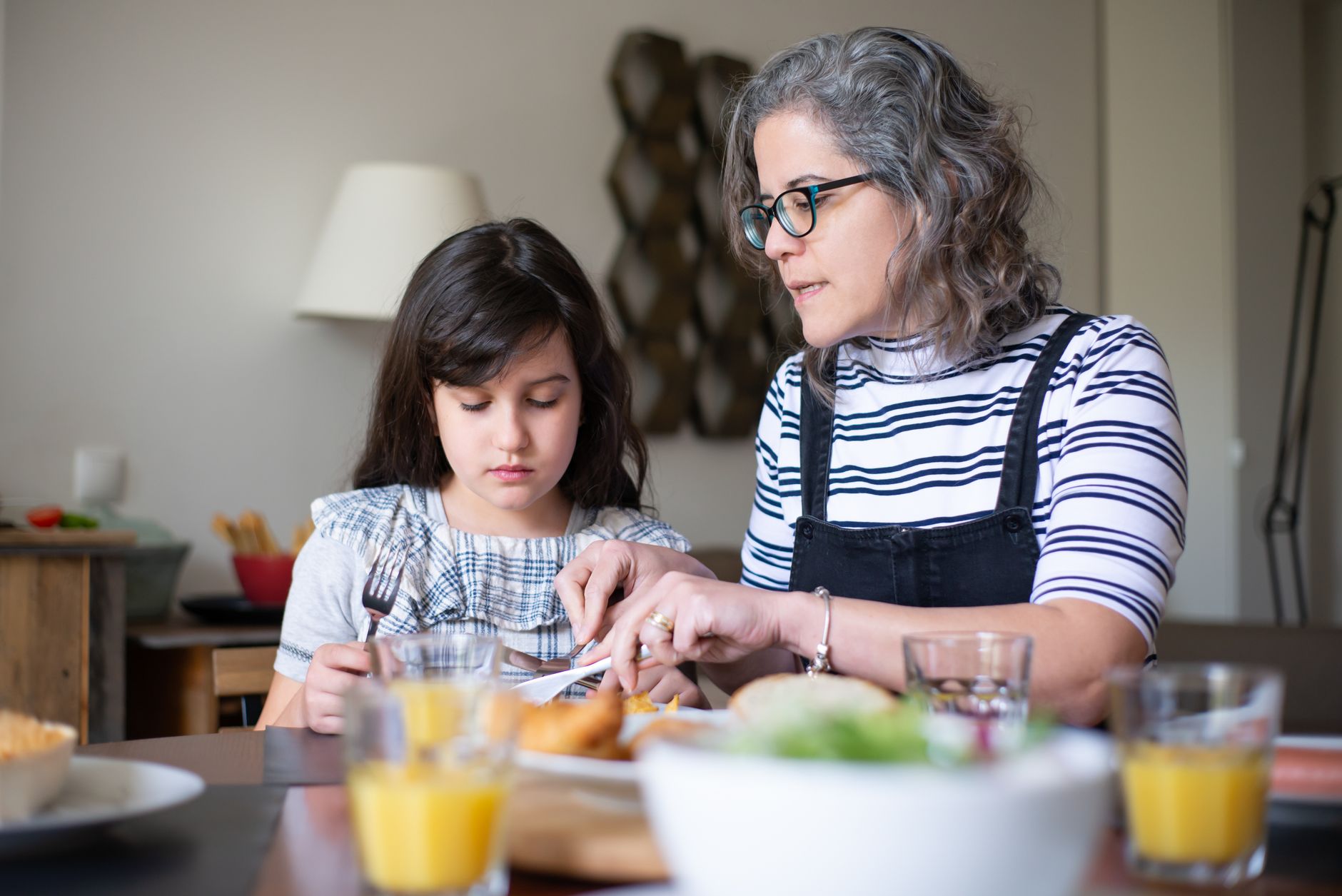
One of the biggest errors is storing foods your family refuses to eat. A pantry full of unfamiliar freeze-dried chili mac won’t help if nobody will touch it. Test recipes now. Incorporate storage foods into regular meals so you know what works and where to adjust. The CDC’s emergency preparedness advice highlights the importance of familiar, comforting foods to reduce stress. Your 3-month supply should reflect your household’s dietary preferences.
Another pitfall is neglecting micronutrients. Calories from white rice and canned meat might keep you alive, but they are low in vitamin C, calcium, and fiber. Add multivitamins, canned citrus, or freeze-dried berries to the mix. Iodized salt is also critical. Simple deficiencies become debilitating over weeks. Don’t forget pet food if you have animals. Their caloric needs must be factored into your total storage plan.
Failing to secure a secondary cooking method is also common. A 3-month supply of dry pasta is useless without the ability to boil water. A propane camp stove, a butane burner, or a solar oven ensures you can prepare meals when the grid is down. Always store fuel safely outside the living area. For a complete off-grid cooking setup, see our grid down survival guide which covers alternative energy sources and cooking essentials.
Frequently Asked Questions
How much does a 3-month food supply cost per person?
Costs range from $300 to $800 depending on food choices and whether you buy in bulk or use prepackaged kits. Buying staple ingredients like rice, beans, and oats separately is the most affordable route.
Can I store fresh fruits and vegetables for 3 months?
Fresh produce won’t last that long. Rely on canned, freeze-dried, or dehydrated fruits and vegetables to maintain vitamin intake. A small survival garden can supplement fresh greens if the situation allows.
How do I rotate my 3-month food supply without wasting food?
Adopt a ‘first in, first out’ system. Once you build the supply, regularly eat the oldest items and replace them with new purchases. This keeps everything within its best-by date and integrates storage into your daily habits.
What about special diets like gluten-free or low-sodium?
You can tailor a long-term food supply to any dietary need. Choose gluten-free grains, salt-free canned goods, and specialized freeze-dried meals. Always check ingredient lists and plan for nutritional requirements in advance.
Is a 3-month supply sufficient for all emergencies?
For most scenarios, yes. FEMA originally recommended two weeks, but recent events like pandemic-driven shortages show that a 3-month cushion offers greater resilience. In prolonged grid-down situations, you may need additional supplies or a garden.
Where should I store my emergency food?
Choose a cool, dark, dry place like a basement, interior closet, or dedicated pantry. Keep temperatures between 50°F and 70°F. Avoid garages or attics where extreme heat and moisture can degrade food faster.
What Should You Remember?
- Calculate caloric needs by planning for 2,000, 2,500 calories per person per day, adjusting for age, activity, and climate.
- Choose shelf-stable staples such as rice, beans, pasta, oats, canned proteins, and freeze-dried meals that last years without refrigeration.
- Diversify your menu to prevent appetite fatigue. A monotonous diet can lower morale during extended emergencies.
- Monitor storage conditions closely. Temperature, humidity, and pest control directly impact how long your food remains safe.
- Implement a rotation system by regularly eating and replacing stored items to avoid waste and maintain freshness.
- Don’t forget water , store at least one gallon per person per day for a minimum of two weeks alongside your food supply.
- Start with a smaller goal like a two-week supply and scale up. Incremental building reduces financial strain and overwhelm.
This article is for general information only. Emergency preparedness involves real safety risk — always consult official sources (local authorities, CDC, FEMA) and verify gear before relying on it.