Building a 2-week emergency food supply is the logical next step after you have a 72-hour emergency kit. A 14-day buffer isn’t just for hurricanes or ice storms anymore. According to the CDC, recent pandemics and supply chain disruptions have shown that two weeks of self-sufficiency is the new minimum for public health emergencies. The Red Cross echoes this, recommending that every household store at least two weeks of non-perishable, ready-to-eat food that requires no refrigeration, cooking, or water beyond what’s already stored.
The challenge most people face isn’t the desire to prep. It’s confusion about what actually works. Should you fill a closet with canned soup? Is a bucket of freeze-dried meals overkill? What about a 50-lb bag of rice and beans? The truth is there’s no single right answer. Your best 2-week food supply is a thoughtful mix of shelf-stable options that fit your budget, space, and family’s dietary needs. This guide breaks down five storage methods, giving you the pros, cons, and cost data to make a smart choice. The FEMA preparedness guidelines emphasize that food should be “familiar, have a long shelf life, and require little to no preparation,” which we’ll measure each option against.
Data from the USDA shows that improper storage leads to 30% of emergency food being unusable when needed. So method matters. For this comparison, we assumed a base need of 2,000 calories per day per person. That means one person needs around 28,000 calories for two weeks. We evaluated each food type on cost per 2,000 calories, shelf life, nutritional density, and how tricky it is to prepare without power. We also noted whether you can grab-and-go or need a camp stove. Don’t forget water. You’ll want at least 1 gallon of water per person per day alongside any food plan.
The rise of long-term storage technology has changed the game. A #10 can of freeze-dried chicken from a top freeze-dried food brand now delivers 25-year shelf stability and tastes nothing like the emergency rations of a generation ago. However, a balanced 2-week cache often includes old-school standbys. And that’s the point of this guide. From a pantry of Mountain House vs. ReadyWise to your grandmother’s preservation methods, we’ll sort out what goes into those 14 days. Once you settle on a plan, use our food storage calculator to nail down exact quantities.
How Do the Top Options Compare?
| Storage Type | Cost per 2,000 cal | Shelf Life | Cooking Required | Nutritional Profile |
|---|---|---|---|---|
| Canned Goods | $1.80, $3.00 | 2, 5 years | No (can eat cold) | High sodium, decent macros |
| Freeze-Dried Meals | $4.50, $12.00 | 25, 30 years | Boiling water needed | Balanced, preserved nutrients |
| Bulk Dry Goods | $0.50, $1.20 | 10, 30 years (if sealed) | Yes (stove/fire) | Macro-heavy, need extras |
| MREs | $7.00, $11.00 | 3, 5 years (cool) | Flameless heater incl. | High calorie, processed |
| Home-Dehydrated | $1.00, $2.50 + time | 1, 2 years (vacuum sealed) | Rehydrate or snack | Customizable, no additives |
Prices are approximate and based on bulk or multi-pack purchases. Actual cost varies by brand, season, and location. Calorie calculations are rounded to average adult needs.
1. Canned Goods , Best for Budget-Conscious, No-Cook Setup
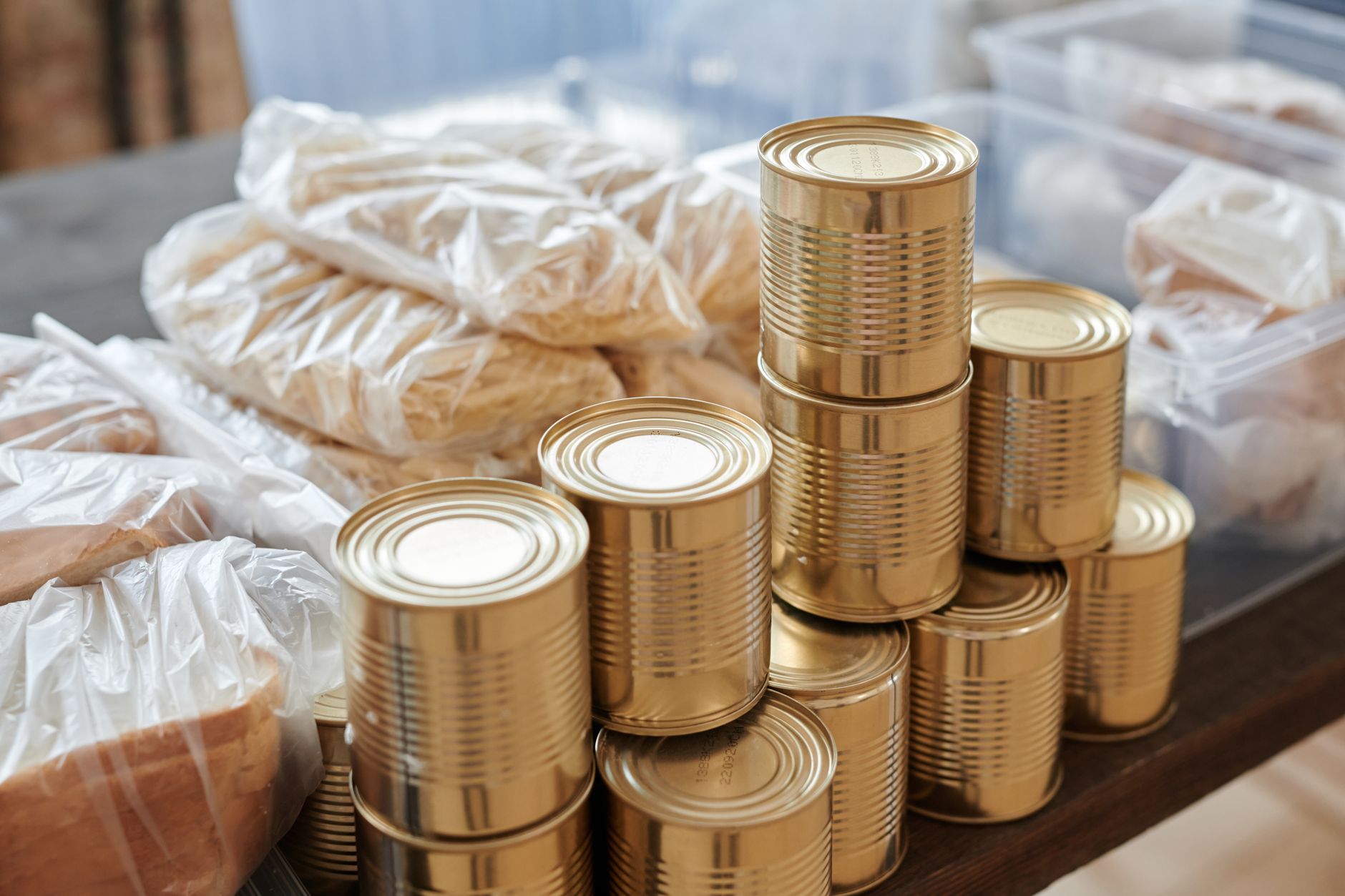
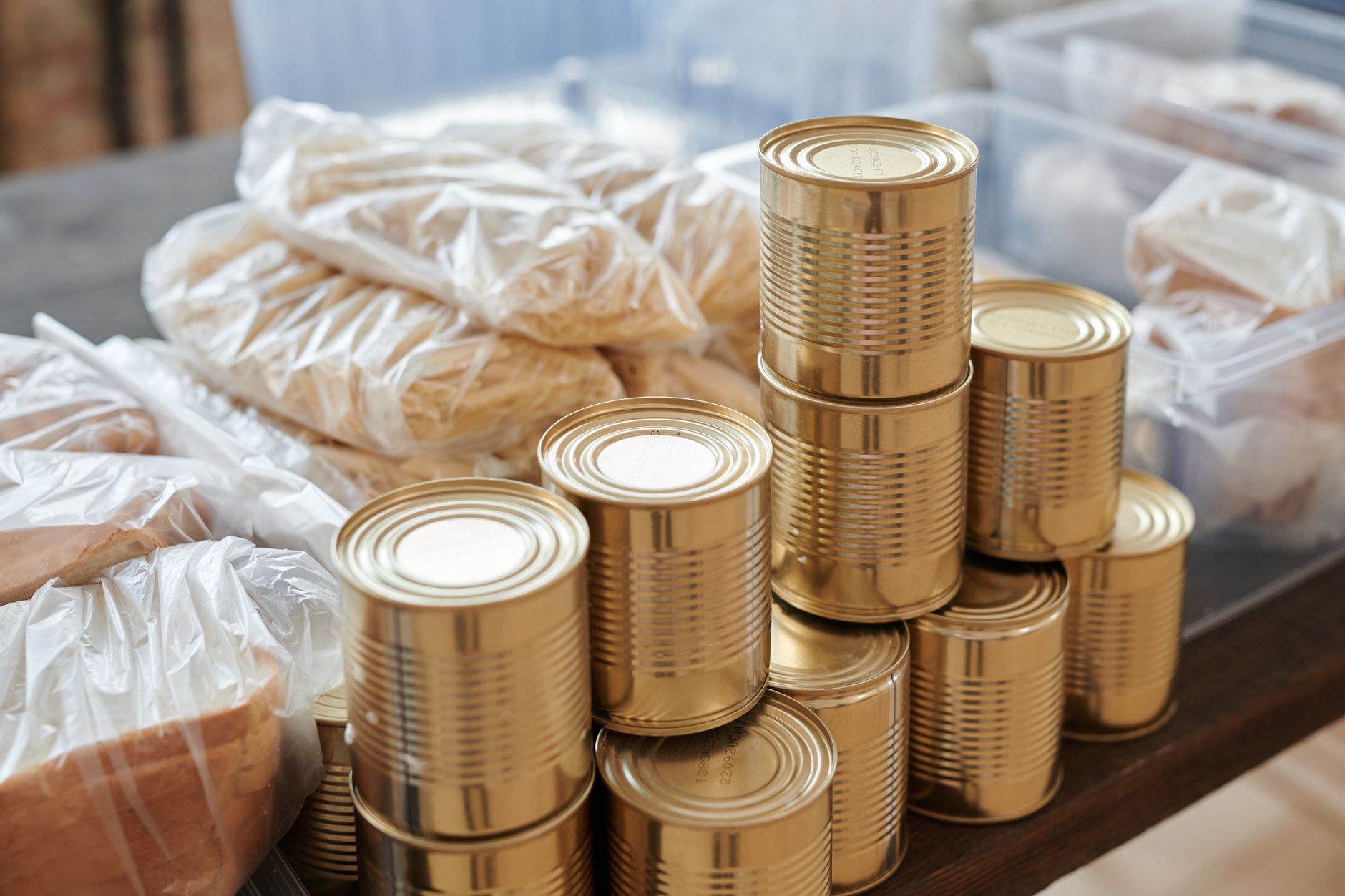
Canned foods are the backbone of emergency pantries for good reason. They require zero preparation, tolerate temperature swings better than freeze-dried meals, and are available everywhere. For a 2-week supply, think beyond soup. Stock canned meats (tuna, chicken, Spam), vegetables, fruit, beans, and hearty stews. The average can of chili provides about 350 calories, while a 5-ounce can of tuna in oil packs around 220 calories and plenty of protein. At $1.80 per can for a name-brand beef stew pushing 300 calories, you’d need about 7 cans a day, costing roughly $12, $15 daily. That’s manageable, but weight and space add up. A single person’s two-week stack requires about 100 cans, occupying multiple shelves. For deeper planning, see our best emergency food kits 2026 for ready-made canned combos that save time.
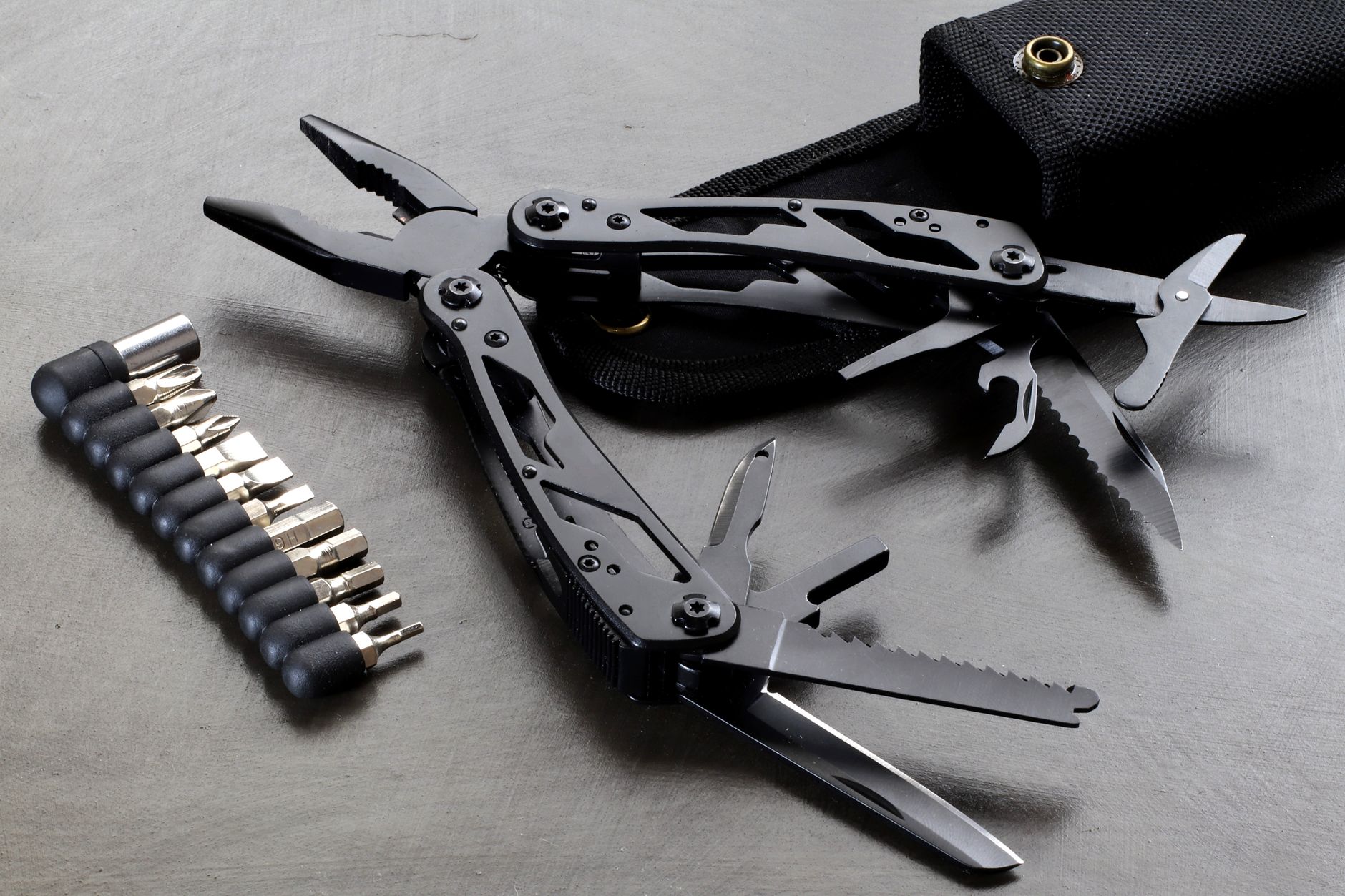
These containers aren’t perfect. The high sodium levels, often well over 700 mg per serving, can become problematic. And while cans last 2, 5 years in optimal storage, 18 months is more realistic in a garage that hits summer highs. Still, a 12-pack of canned chicken from your supermarket, rotated through with a Sharpie date on top, keeps a reliable protein source always on hand. Don’t forget a manual can opener. We recommend one backup best survival multi-tool with a can opener as part of your kit.
Key strengths:
- ✅ Ready to eat straight from the can with no cooking or water needed
- ✅ Highly affordable, with a meal often under $2.00 per can
- ✅ Widely available and easy to rotate into daily cooking
- ✅ Sturdy packaging resists pests and light damage
- ✅ Variety keeps morale up with familiar soups, fruits, and meats
- ❌ Heavy and bulky. A 2-week supply for a family fills several bins
- ❌ Shelf life shorter than freeze-dried, often 18, 36 months in warm storage
- ❌ High sodium content; long-term reliance may cause health issues
Who it’s for: Families on a tight budget who want a no-cook solution and already rotate canned goods regularly.
2. Freeze-Dried Meals , Best for Maximum Shelf Life and Taste
When you need a 25+ year shelf life and real meals like lasagna or chicken teriyaki in an emergency, freeze-dried food is the top choice. Brands like Mountain House and ReadyWise, compared here, remove up to 98% of moisture while locking in flavor and nutrients. A single #10 can holds about 10 servings, each delivering 250, 400 calories. For a two-week supply costing around $150, $250 per person, you get lightweight, stackable pouches or cans. The flavor is remarkably close to fresh; add boiling water, wait nine minutes, and eat. No mess besides a used pouch and spoon.
Downsides are cost and cooking dependency. At roughly $4.50, $8.00 per 1,000 calories, freeze-dried meals are three times pricier than DIY dry goods. You also need a reliable way to boil water, which means a camp stove or best solar generators 2026 plus an electric kettle if the grid is down. Water consumption matters too. Rehydrating each meal uses 1, 1.5 cups of drinkable water, so factor that into your water storage plan. For those who want grab-and-go convenience, the best bug-out bags often stash freeze-dried entrees because a 4-day supply weighs under 4 pounds. We recommend storing one week of freeze-dried and one week of canned for a blended approach that balances cost and longevity.
Key strengths:
- ✅ Extreme 25, 30 year shelf life when stored cool
- ✅ Lightweight and compact, ideal for limited storage space
- ✅ Tastes nearly like home-cooked food with wide menu variety
- ✅ Nutrient retention far exceeds canned alternatives
- ✅ Prep is simple: just add boiling water and seal the pouch
- ❌ High upfront cost vs. other methods per calorie served
- ❌ Requires boiling water, a heat source, and extra stored water
- ❌ Packaging generates waste, though most pouches are burnable
Who it’s for: Preppers seeking a decade-proof food supply without rotating cans, and families with limited storage space.
3. Bulk Dry Goods , Best for DIY Preppers and Minimalist Budgets
The absolute cheapest way to build a 2-week reserve is with staples like white rice, dried beans, pasta, oats, and lentils. At $0.50 per pound in bulk, rice supplies 1,600 calories per pound. Beans add another 1,500 calories and essential protein. For about $25, $35, one person can have 28,000 calories using only ten pounds each of rice and beans, plus some salt, oil, and spices. When you factor in a food storage calculator guide to balance macros, this method is unbeatable for lean prepping. You’ll want to repack everything in Mylar bags with oxygen absorbers, then into food-grade buckets. That adds about $15 in supplies but extends shelf life to 20, 30 years.
Here’s the hard truth: a pot of plain rice and beans gets old. Fast. To keep your family eating, you must store extras like bouillon, dried vegetables, hot sauce, canned tomatoes, and cooking oil. Preparation demands a camp stove or rocket stove and plenty of fuel, plus water for boiling. If you don’t have a way to cook, this option fails. Also, brown rice spoils in months because of natural oils. Stick to white rice. Overall, this is the path for hands-on preppers who enjoy cooking and want the most calories for the dollar. It’s the foundation of our 3-month food supply guide.
Key strengths:
- ✅ Lowest cost per calorie by a wide margin, under $0.25 per 500 calories
- ✅ Decade-long storage possible with proper mylar and oxygen absorbers
- ✅ Customizable to dietary preferences, allergies, and cultural tastes
- ✅ Compact when packed in 5-gallon buckets, stacking neatly
- ❌ Mandatory cooking with a reliable stove and large quantities of water
- ❌ Monotonous without companion ingredients like spices, fats, and canned protein
- ❌ Time-consuming prep required to repack into rodent-proof containers
Who it’s for: Dedicated DIY preppers comfortable with a camp stove, who prioritize budget and long-term self-sufficiency.
4. MREs (Meals Ready to Eat) , Best for Grab-and-Go and Zero-Prep Scenarios
Military-grade MREs are the ultimate grab-and-eat solution. Each self-contained packet provides 1,200, 1,300 calories with an entrée, sides, snacks, and a flameless ration heater. Just add a splash of water to the heater pouch, slide the meal in, and in 10 minutes you have a hot dinner while sitting in the dark. For a 2-week supply, you’d need roughly 22 MREs per person at a cost of $8, $11 each, totaling about $200, $240. That’s steep but buys you convenience and unmatched portability. MREs are a staple in the best bug-out bags 2026 because a dozen of them fit in a backpack and sustain you for a week.
Despite their reputation for blocking you up, modern MREs are designed with fiber and variety. They still contain high sodium and preservatives to maintain shelf life. The biggest weakness is temperature sensitivity. Stored above 80°F, MREs degrade to half their 3-year shelf life in months. Not ideal for a Texas attic. Also, MREs create a shocking amount of packaging waste and weigh about 1.5 lbs each. If you need an instant meal with no stove, no boiling, and no cleanup, nothing else comes close. Combine a week of MREs with a week of emergency water storage and you can survive comfortably right out of the bag.
Key strengths:
- ✅ Complete meal with high calorie density (1,200+ calories per pouch)
- ✅ Flameless heater included, requiring only a small amount of water
- ✅ No preparation or cookware needed, just open and eat
- ✅ Extremely portable for car kits, evac bags, and mobile scenarios
- ❌ Expensive per calorie compared to all other options
- ❌ Heat-sensitive shelf life; a hot storage location ruins them quickly
- ❌ High sodium and processed ingredients, not ideal for long-term daily use
Who it’s for: Anyone building an evacuation bag or car kit, or those who want absolutely no cooking in any emergency.
5. Home-Dehydrated & Vacuum-Sealed , Best for Gardeners and Custom Nutrition Control
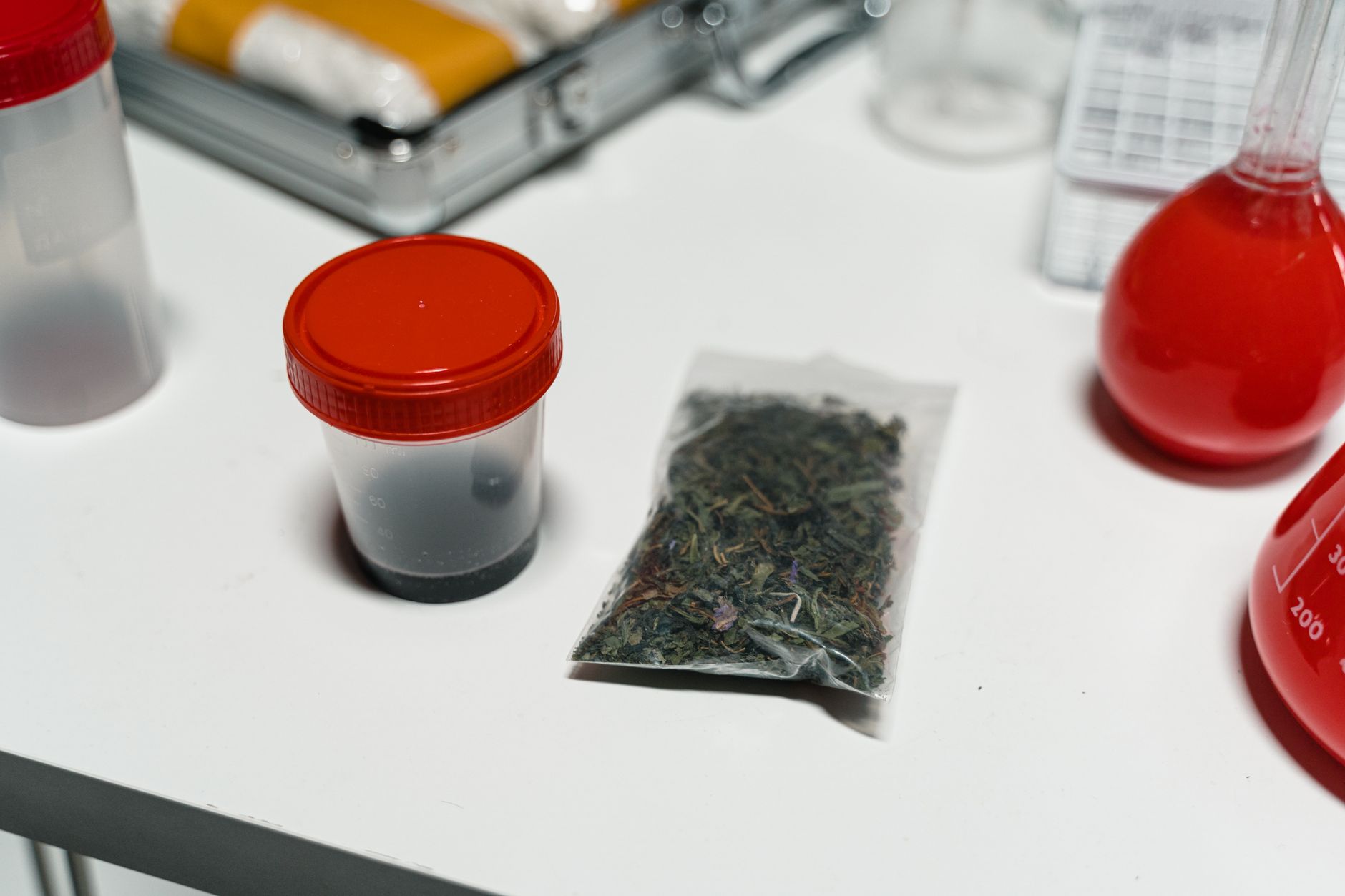
With a home dehydrator and a vacuum sealer, you can turn garden harvests into shelf-stable meal components. Thinly sliced apples become crispy snacks; lean ground beef or shredded chicken turned into jerky-like crumbles rehydrate in any soup. The process demands time. Peeling, slicing, drying for 6, 12 hours, then vacuum sealing each batch takes most of a weekend for a pound of food. Yet the payoff is a pantry tailored exactly to your family’s allergies and preferences. Dried tomatoes, peppers, mushrooms, and herbs let you reconstruct a flavorful meal from simple rice and beans. If you garden, this is the ultimate way to store a surplus. Our guide to starting a survival garden helps you plan for maximum yield.
Home dehydration saves money long-term but has a steep learning curve. Moisture content must be low enough to prevent mold, typically 10% or less. Improperly dried food can spoil in weeks, even if vacuum sealed. Shelf life rarely exceeds two years without oxygen absorbers, well short of commercial freeze-dried options. Power consumption is another factor: a dehydrator running 12 hours draws around 500 watts, so pre-dehydrate before the grid goes down. Still, there’s something deeply satisfying about pulling out a bag of your own dried stew mix in an emergency. For those who want full ingredient control, it’s worth the effort.
Key strengths:
- ✅ Complete control over ingredients, sodium, and allergens
- ✅ Low per-meal cost after the initial equipment investment
- ✅ Utilizes garden and bulk produce that would otherwise spoil
- ✅ Lightweight, space-efficient packaging in vacuum-sealed bags
- ❌ Labor intensive; dehydrating and sealing enough for two weeks is a major time investment
- ❌ Short shelf life (1, 2 years) compared to commercial freeze-dried foods
- ❌ Requires electricity for dehydrating and proficiency to prevent spoilage
Who it’s for: Home gardeners and cooks who enjoy food preservation and want a tailor-made, additive-free emergency supply.
Frequently Asked Questions
How many calories per day should I plan for in a 2-week emergency food supply?
Plan for 2,000 to 2,400 calories per person per day. Women and children typically need less, while physically active adults may require more. FEMA guidelines suggest 2,000 calories as a solid baseline for most short-term emergencies.
Can I survive on just canned goods for two weeks?
Yes, but you’ll need about 40-50 cans per person to reach the necessary calories, and the diet will be heavy on sodium and light on fresh nutrients. It’s better to mix canned items with freeze-dried or dry goods for variety and better nutrition over two weeks.
Do I need a way to cook my emergency food?
Not necessarily if you stock ready-to-eat options like MREs, canned soups, or cold-soakable freeze-dried meals. However, a simple camp stove or portable butane burner is recommended for hot meals, which boosts morale. Always store food that can be eaten straight from the can if cooking isn’t possible.
How do I store my 2-week food supply to make it last?
Keep all food in a cool, dark, dry place below 70°F. Use airtight containers and Mylar bags with oxygen absorbers for dry goods. Rotate canned goods every 1, 2 years, and check freeze-dried meal packaging for a 25, 30 year shelf life when stored properly.
What about water for two weeks?
Store at least 1 gallon of water per person per day for drinking and hygiene, that’s 14 gallons for a 2-week emergency. Don’t forget purification methods like filters or tablets as a backup. You can learn the full breakdown in our guide on how much water to store.
Is it cheaper to build my own 2-week food supply or buy a pre-made kit?
DIY is usually cheaper per calorie. A simple kit of rice, beans, canned tuna, and peanut butter costs around $25, $40 per person for two weeks. Pre-made kits like Mountain House or ReadyWise offer convenience and long shelf life but run $100, $200 per person.
What Should You Remember?
- Calorie Density , Aim for 2,000 calories per day per person; high-energy foods like peanut butter and nuts pack needed punch.
- Shelf Life , Freeze-dried meals last 25+ years, while canned goods typically stay safe for 2, 5 years when stored cool.
- Preparation Simplicity , MREs and cold-soaked food eliminate the need for cooking; a camp stove adds hot meal versatility.
- Nutritional Balance , Pair proteins, carbs, and some fruits/vegetables to avoid menu fatigue and vitamin shortfalls.
- Cost per Meal , DIY dry goods come in around $0.50, $1.00 per meal, versus $2.50, $5.00 for commercial freeze-dried entrees.
- Rotation Discipline , Build a first-in, first-out system; use labels and a simple rack to keep your supply fresh with zero waste.
- Water Companion , Never store food without water; plan on 14 gallons per person plus purification backups.
This article is for general information only. Emergency preparedness involves real safety risk — always consult official sources (local authorities, CDC, FEMA) and verify gear before relying on it.