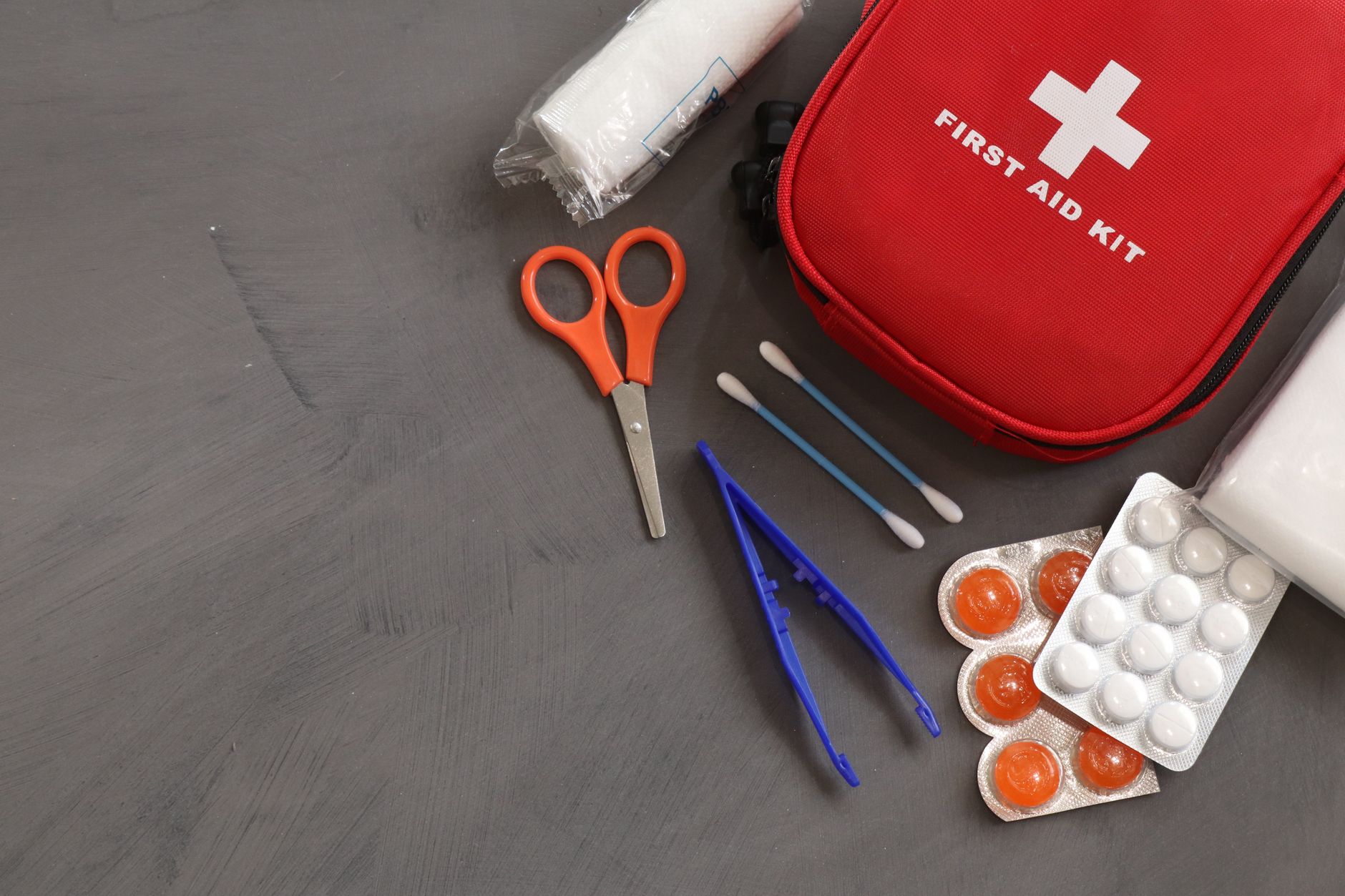
When disaster strikes, the FEMA guidelines recommend every household have at least a three-day supply of non-perishable food. That means 2,000 calories per person per day, stored safely and ready to eat without cooking. Mountain House and ReadyWise are two leading brands in the emergency food space, each offering long-term storage solutions that meet these standards. But they approach survival meals from very different angles. Mountain House focuses on gourmet, freeze-dried entrees that taste like home cooking after 30 years on the shelf. ReadyWise leans into affordability, selling bulk meal buckets designed to feed families through extended emergencies. Both have a place in your 72-hour emergency kit, but which one fits your preparedness plan?
Freeze-dried and dehydrated meals have become the backbone of modern food storage. According to the CDC’s preparedness resources, having a reliable food supply reduces stress and health risks during evacuations or shelter-in-place orders. The best meals boost morale with familiar flavors. Mountain House, originally developed for the U.S. military, perfected the freeze-drying process to lock in taste and nutrients. ReadyWise, a subsidiary of the Thrive Life brand, offers simpler dehydrated meals that are lighter on the palate but easier on the wallet. For a deeper look at all the top contenders, our guide to the best freeze-dried food brands of 2026 breaks down what to look for.
The surge in extreme weather and supply chain uncertainty has pushed many households to build food stockpiles that last weeks or even months. The Red Cross emergency preparedness resources stress the importance of having a two-week food supply at home. That’s where the Mountain House vs ReadyWise debate becomes real. You need enough calories to sustain your family, but also food you’ll actually want to eat day after day. Our 2-week food supply guide outlines exactly how much you need. If you’re ready to compare the top food kits, check the best emergency food supply of 2026. In this article, we put these two titans head-to-head on the metrics that matter.
How Do the Top Options Compare?
| Feature | Mountain House | ReadyWise |
|---|---|---|
| Shelf Life | 30 years | 25 years |
| Cost Per Serving | $9 to $12 | $2 to $4 |
| Typical Calories Per Meal | 600 to 1,000 cal | 250 to 350 cal |
| Protein Per Serving | 15 to 30 g | 8 to 15 g |
| Best For | Premium taste, longest storage | Budget bulk, families |
Prices vary by retailer; ReadyWise buckets often include a per-serving discount when bought in bulk.
1. Taste & Meal Quality , Morale-boosting gourmet meals
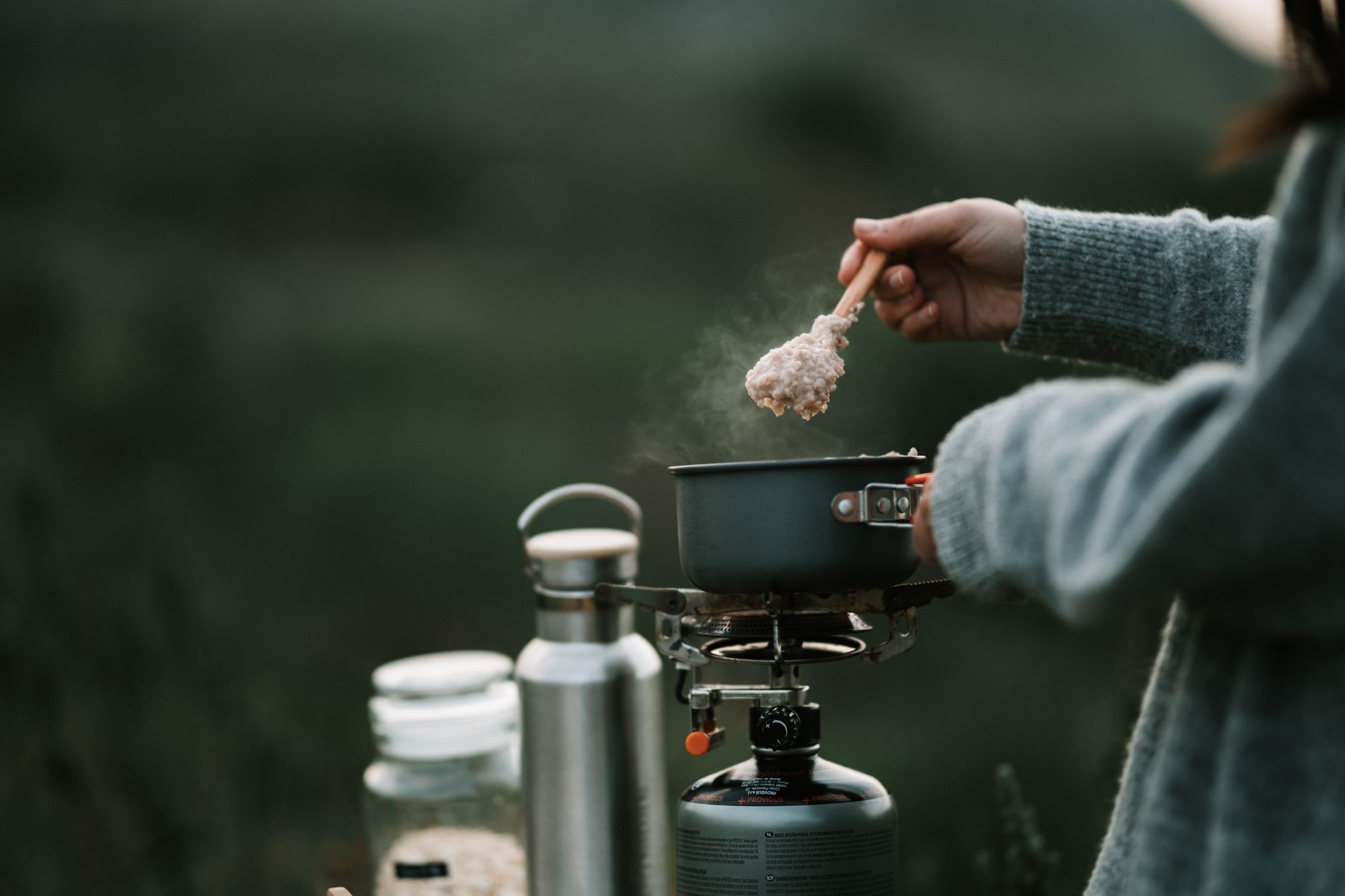
Taste is the most subjective metric, but it can make or break your emergency dining experience. Mountain House uses freeze-drying technology that preserves the texture and flavor of real ingredients. Their Beef Stroganoff and Chicken Teriyaki often draw comparisons to homemade meals. ReadyWise, in contrast, relies on a mix of freeze-dried and dehydrated components. Meals like their Creamy Pasta Alfredo are perfectly edible but lack the depth of flavor found in Mountain House pouches. After the first few days of an emergency, morale hinges on having food you actually look forward to eating. A bland diet can wear down mental resilience, a point the CDC’s emergency stress guidelines underscore. For a side-by-side taste test, our best freeze-dried food brands review includes detailed tasting notes.
Key strengths:
- ✅ Restaurant-quality taste with visible meat and vegetables
- ✅ Wide variety of international cuisines satisfies diverse palates
- ✅ Meals retain authentic texture even years later
- ❌ High sodium levels in some entrees may be a concern for those with hypertension
- ❌ Premium pricing reflects the gourmet quality
Who it’s for: Preppers who prioritize morale and are willing to pay for top-tier meal quality should choose Mountain House.
2. Shelf Life & Packaging Durability , Decades-long storage without rotation
When you tuck emergency food away for decades, you need to trust it will still be edible. Mountain House boasts an industry-leading 30-year shelf life, backed by real-world military testing. Each mylar pouch contains an oxygen absorber, keeping air and moisture out. ReadyWise offers a still-impressive 25-year shelf life, but its bulk buckets rely on large mylar bags inside plastic pails. While durable, these buckets can take up more storage space for the same calorie count. If you’re planning a 3-month food supply, maximizing shelf life reduces the frequency of rotations and replacements. A shorter shelf life means you’ll need to rotate food sooner, which adds hassle. The difference of five years may seem small, but over a 30-year preparedness window, it adds up.
Key strengths:
- ✅ Mountain House 30-year guarantee is unmatched in the freeze-dried category
- ✅ Mylar pouches resist punctures and moisture ingress
- ✅ ReadyWise buckets are resealable and stack neatly
- ❌ Mountain House requires stable, cool storage to hit 30 years; extreme heat reduces life
- ❌ ReadyWise buckets are bulky and heavy, less ideal for bug out bags
Who it’s for: Choose Mountain House if you want the longest possible shelf life with minimal maintenance; choose ReadyWise if 25 years is sufficient and you value bucket storage.
3. Cost Per Serving & Value , Feeding a family on a budget
Cost is often the deciding factor for large stockpiles. Mountain House pouches typically cost $9 to $12 per serving, which can balloon to thousands of dollars for a month’s supply. ReadyWise buckets bring the per-serving price down to $2 to $4, making extended food storage drastically more affordable. For a family of four needing 2,000 calories per day each, a three-month supply from Mountain House could exceed $6,000. The same caloric target with ReadyWise might cost less than $2,000. Our budget emergency preparedness guide shows how to stretch dollars without sacrificing safety. That said, you get what you pay for: ReadyWise meals often require you to consume two or even three servings to equal one Mountain House pouch in terms of satisfaction and calories. The value proposition shifts when you factor in taste fatigue.
Key strengths:
- ✅ ReadyWise is 60 to 70% cheaper per serving on average
- ✅ Bulk bucket purchases lower the per-calorie cost substantially
- ✅ Mountain House’s premium cost buys superior flavor and higher calorie density
- ❌ The cost gap widens for multi-month stockpiles, making Mountain House prohibitive for some
- ❌ Some ReadyWise buckets contain meals with low calorie counts, requiring more servings per day
Who it’s for: Budget-conscious families who need maximum calories per dollar will prefer ReadyWise; those who can afford premium food for long-term morale should opt for Mountain House.
4. Nutritional Content & Calories , Meeting daily energy requirements efficiently
Emergency food must sustain you, not just fill your stomach. The CDC’s preparedness nutrition guidelines emphasize that adults need about 2,000 calories daily, with a balance of protein, carbs, and fat. Mountain House entrees typically pack 600 to 1,000 calories per pouch and 15 to 30 grams of protein. ReadyWise servings often come in at 250 to 350 calories with 8 to 15 grams of protein, meaning you’d need to eat two or even three pouches per person per meal to hit the same energy target. This difference matters when you calculate storage space and pack weight. Use our food storage calculator guide to determine exactly how many servings you need. High sodium is a common drawback in both brands, but Mountain House generally has more protein and fat per serving, which aids satiety.
Key strengths:
- ✅ Mountain House provides calorie-dense meals that reduce the number of pouches needed
- ✅ Higher protein content supports physical labor during crisis situations
- ✅ ReadyWise includes vitamin-fortified options to prevent deficiencies
- ❌ Sodium levels in Mountain House can exceed 1,000 mg per serving, a concern for some
- ❌ ReadyWise’s lower calorie density means you must plan for larger portions and more storage
Who it’s for: Those who want compact, high-calorie food with balanced macros should choose Mountain House; those willing to calculate extra servings can save money with ReadyWise.
5. Ease of Preparation & Variety , Quick meals and menu diversity
During an emergency, you don’t want to fuss with complicated cooking. Both brands require only boiling water; just open the pouch, add hot water, seal, and wait. Mountain House offers over 50 varieties, from breakfast skillets to desserts and vegetarian options. This variety helps prevent food fatigue. ReadyWise buckets typically contain 15 to 20 meal pouches, but the rotation can feel repetitive because options are limited to a few lunch and dinner entrees. For grab-and-go situations like a bug out bag, Mountain House’s individual pouches are lightweight and pack flat, while ReadyWise bulk buckets are impractical for carriage. However, ReadyWise’s pre-portioned servings make it easy to allocate rations without measuring. The trade-off is clear: variety and convenience versus simplicity and lower cost.
Key strengths:
- ✅ Mountain House’s huge menu keeps meals interesting day after day
- ✅ Individual pouches are ideal for bug out bags and quick evacuations
- ✅ ReadyWise offers easy-to-use meal kits that require no thinking
- ❌ Mountain House creates more packaging waste with individual pouches
- ❌ ReadyWise’s limited selection can lead to appetite fatigue over weeks
Who it’s for: Adventurers and evacuees who want quick, diverse meals on the go will love Mountain House; home-bound families with a fixed menu plan may find ReadyWise sufficient.
Frequently Asked Questions
Which brand tastes better, Mountain House or ReadyWise?
Mountain House consistently wins taste tests thanks to its freeze-drying process that preserves flavor and texture. ReadyWise meals are acceptable but often described as bland compared to the richer Mountain House entrees.
How long does Mountain House and ReadyWise emergency food last?
Mountain House guarantees a 30-year shelf life when stored in cool, dry conditions. ReadyWise is rated for 25 years under similar storage. Both require temperatures below 70°F for best longevity.
How many calories do I need per day in an emergency?
The CDC and FEMA recommend at least 2,000 calories per day per adult. Adjust for children and activity levels. Always check the calorie count per serving when stocking up.
Do I need to cook Mountain House or ReadyWise meals?
No cooking is required. Both brands require only boiling water added directly to the pouch. They are ready to eat after about 10 minutes of rehydration.
Are these brands suitable for gluten-free or special diets?
Mountain House offers limited gluten-free options, while ReadyWise has a few. Read labels carefully, as many meals contain wheat or dairy. Both brands indicate allergens on packaging.
Can I use these foods for a bug out bag?
Yes. Mountain House pouches are compact and lightweight, making them perfect for bug out bags. ReadyWise bulk buckets are too heavy and bulky for portable kits, but you can repackage individual servings.
What Should You Remember?
- Mountain House: Premium taste and 30-year shelf life at $9 to $12 per serving.
- ReadyWise: Budget-friendly bulk buckets at $2 to $4 per serving, 25-year shelf life.
- Caloric density: Mountain House packs 600 to 1,000 calories per pouch; ReadyWise requires 2 to 3 pouches per meal.
- FEMA guidelines: Stock at least 2,000 calories per person per day of non-perishable food.
- Taste matters: Mountain House’s freeze-dried gourmet meals boost morale in extended emergencies.
- Storage considerations: Mountain House pouches save space; ReadyWise buckets are easier to stack but heavier.
- Budget pick: ReadyWise is the clear winner for families building a 3-month supply on a tight budget.
This article is for general information only. Emergency preparedness involves real safety risk — always consult official sources (local authorities, CDC, FEMA) and verify gear before relying on it.