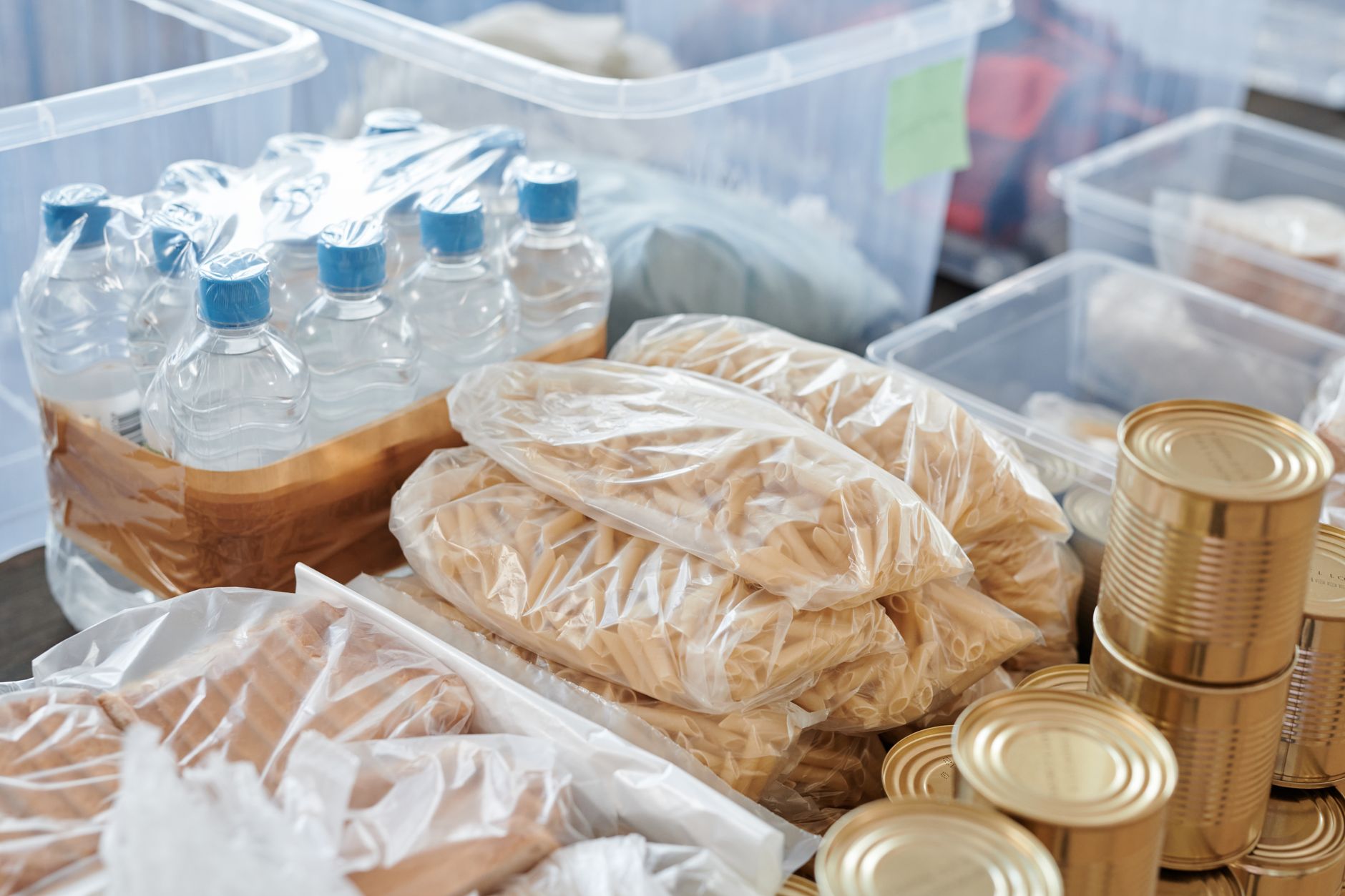
Water is life; in a disaster, drinking unsafe water can cause severe illness within hours. The World Health Organization reports that contaminated water is responsible for over 485,000 deaths annually worldwide. In the aftermath of a flood or earthquake, your public water supply may be compromised by bacteria like E. coli, protozoa such as Giardia, and viruses. Storing enough water is the first line of defense, our water storage calculator guide helps you plan accurately. Once you know how much to stash, choosing reliable containers prevents contamination before it starts.
The Federal Emergency Management Agency (FEMA) and Centers for Disease Control and Prevention (CDC) both emphasize that after a disaster, you should only drink water that has been properly treated. FEMA’s Ready.gov advises treating water by boiling, chlorination, or distillation, while the CDC’s emergency preparedness resources provide detailed steps for each method. The choice depends on the contaminants present, microbes, chemicals, or heavy metals, and what gear you have. A comprehensive comparison of water purification methods shows that no single method is perfect; combining two approaches often yields the safest result.
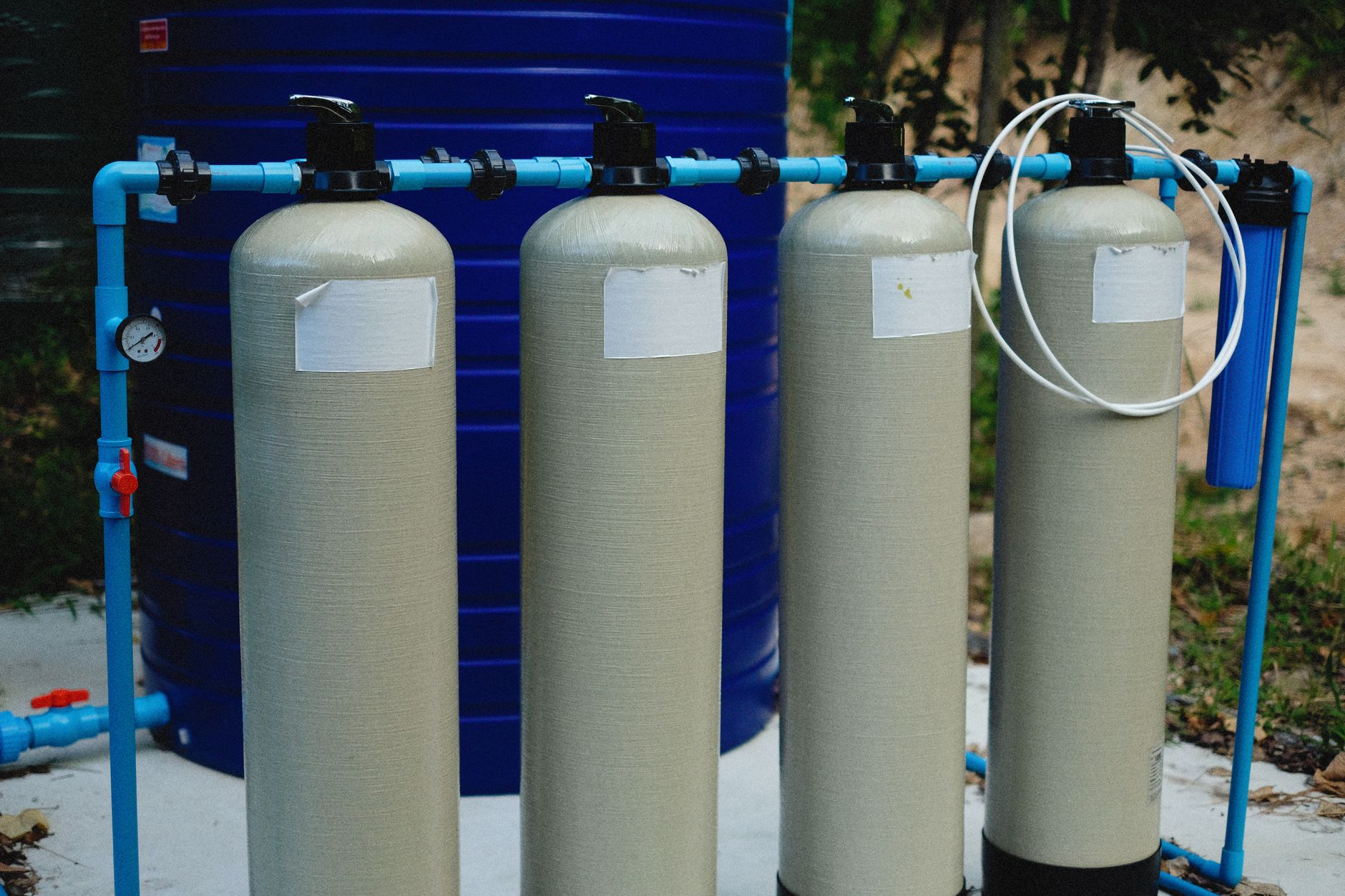
A well-rounded emergency plan pairs water storage with a portable purification solution. For a 72-hour kit, a lightweight filter or chemical tablets add minimal weight. For long-term grid-down scenarios, gravity-fed filters and distillation setups become essential. Understanding the pros and cons of each method, from the zero-cost but fuel-hungry boil to the field-friendly UV pen, empowers you to build a system that matches your likely risks. We’ve tested and compared five core methods against FEMA and CDC criteria, factoring in cost, speed, effectiveness, and ease of use. Read on to pick the right tools for your survival plan.
How Do the Top Options Compare?
| Method | Best For | Pathogen Removal | Required Gear | Time per Liter |
|---|---|---|---|---|
| Boiling | All microorganisms | Bacteria, viruses, protozoa: 99.999% | Heat source, pot | ~10 min (boil + cool) |
| Chemical (Bleach/Tablets) | Clear water, bacteria/viruses | Bacteria, viruses; limited on some protozoa | Unscented bleach or tablets | 30 min wait (clear) |
| Portable Filters | Field water, protozoa/bacteria | Bacteria, protozoa (99.99999%); rarely viruses | Microfilter (pump, squeeze, gravity) | ~1 min (high-flow filter) |
| UV Purification | Clear water, all microbes | Bacteria, viruses, protozoa | UV device + batteries | ~90 sec |
| Distillation | Chemical/heavy metal removal | All pathogens + salts, heavy metals | Distiller or pot + heat | 4+ hours per gallon |
All methods work best with clear water. Pre-filter cloudy water through a cloth to improve efficacy. Chemical treatment and UV may not eliminate chemical contaminants.
1. Boiling Water , Most reliable for killing all pathogens
Boiling is the oldest and most trusted method. According to CDC guidelines, bring water to a rolling boil for 1 minute at sea level, or 3 minutes at elevations above 6,500 feet, to eliminate 99.999% of bacteria, viruses, and protozoa. The simplicity means you only need a pot and a heat source, a camp stove, fireplace, or fire pit. However, boiling won’t remove chemical contaminants, sediment, or heavy metals. For a bug-out bag setup, a small metal cup can serve double duty in your 72-hour emergency kit. Boiling requires significant fuel: one pound of propane can boil roughly 10 gallons of water, so plan accordingly.
Key strengths:
- ✅ Kills all pathogens regardless of turbidity
- ✅ Requires only a pot and heat source
- ✅ Visible and verifiable (rolling boil)
- ✅ No chemical aftertaste
- ❌ Fuel-intensive and slow in large batches
- ❌ Does not remove heavy metals or chemical toxins
- ❌ Long cool-down time needed before drinking
- ❌ Boiled water can taste flat
Who it’s for: Preppers who want a foolproof, zero-technology solution and have a reliable heat source.
2. Chemical Disinfection (Bleach or Tablets) , Lightweight, no-heat treatment
Liquid household bleach (unscented, 5-6% sodium hypochlorite) and chlorine dioxide or iodine tablets are go-to emergency solutions. The CDC recommends adding 8 drops of bleach per gallon of clear water and waiting 30 minutes; if the water is cloudy, use 16 drops and wait 60 minutes. A single Aquatabs tablet can treat 20 liters for less than $0.10. Chemical disinfectants are effective against bacteria and viruses but have limited efficacy against Cryptosporidium oocysts. They also degrade over time, so store tablets away from heat and moisture. For safe dosing, you’ll need a dropper and clean storage containers to prevent recontamination.
Key strengths:
- ✅ Extremely lightweight and portable
- ✅ Costs pennies per treatment
- ✅ Kills bacteria and viruses quickly
- ✅ No heat or power source needed
- ✅ Tablets offer long shelf life if sealed
- ❌ Requires 30, 60 minutes of wait time
- ❌ Results in a chlorine taste and odor
- ❌ Less effective against Cryptosporidium and some cysts
Who it’s for: Backpackers and urban dwellers seeking a compact, low-cost purification backup.
3. Portable Water Filters , Removing sediment, bacteria, and protozoa in the field
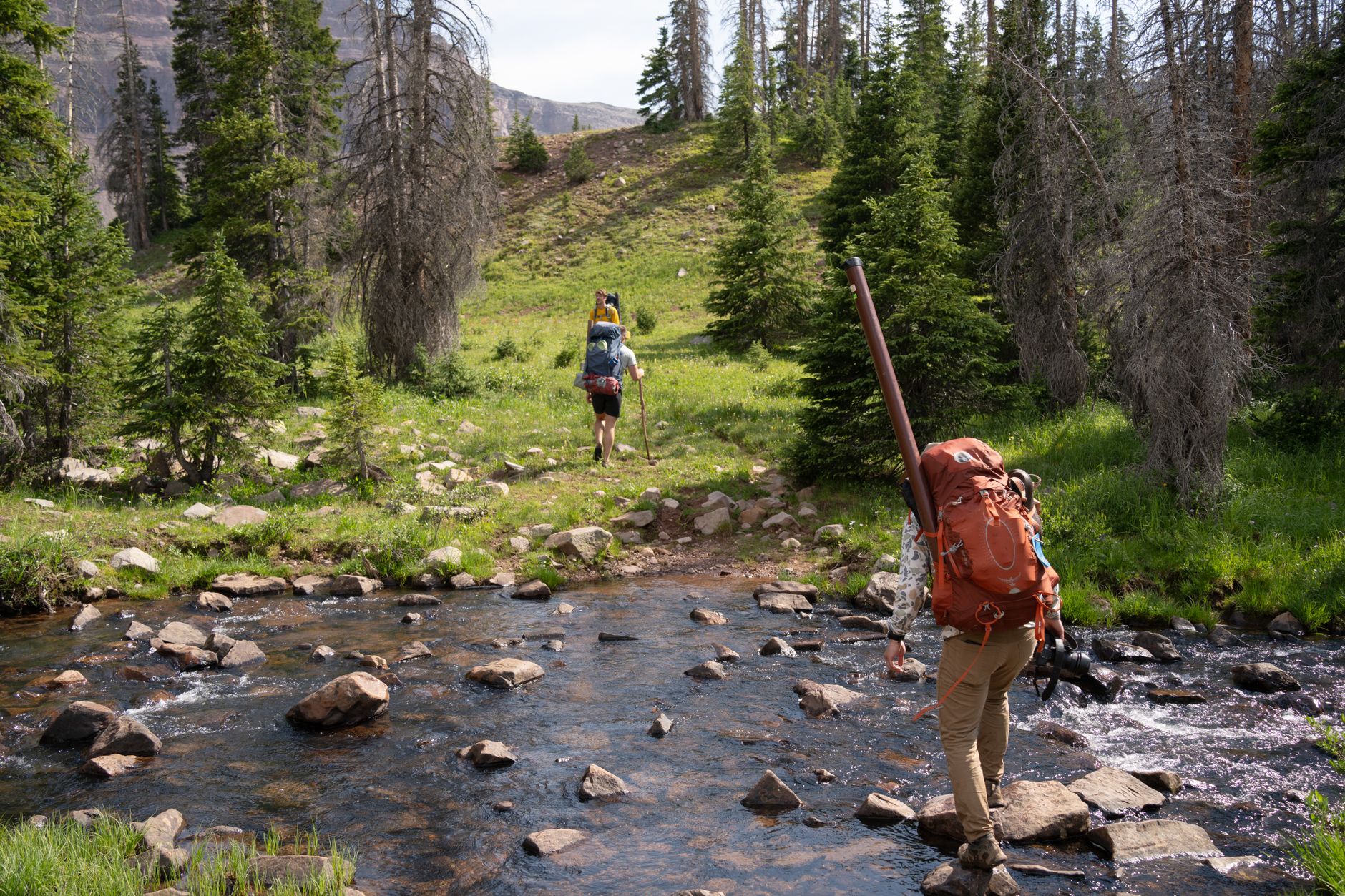
Hand-pump, squeeze, and gravity-fed microfilters like the Sawyer Squeeze or Katadyn Hiker Pro can turn murky stream water into drinkable water. These filters rely on hollow fiber membranes with a pore size of 0.1, 0.2 microns to physically strain out bacteria (99.99999% removal) and protozoa (99.9999% removal). They do not remove viruses, which are too small to be caught. For virus protection, many backpackers pair a filter with chemical treatment. The best survival water filters are lightweight, field-serviceable, and can process thousands of gallons before replacement. However, freezing temperatures can crack the filter media, rendering it useless.
Key strengths:
- ✅ No chemicals needed; clear, fresh-tasting water
- ✅ Filters down to 0.1 microns (removes bacteria and cysts)
- ✅ Fast flow rate, up to 1 liter per minute
- ✅ High-capacity cartridges treat up to 100,000 gallons
- ✅ Greatly improves water clarity and taste
- ❌ Does not remove viruses
- ❌ Can clog in silty water without pre-filtering
- ❌ Risk of freeze damage that ruins filter element
Who it’s for: Outdoor enthusiasts and anyone preparing for extended grid-down scenarios where water sources are turbid.
4. Ultraviolet (UV) Light Purification , Quick, electronic pathogen elimination
Battery-powered UV pens like the SteriPEN disrupt the DNA of bacteria, viruses, and protozoa, making them incapable of reproduction. A typical device treats 0.5, 1 liter of water in about 90 seconds with a button press. The CDC recognizes UV light as an effective emergency disinfection method. The catch? UV light requires clear water because suspended particles shield microbes from the UV rays. A pre-filter or settling step is often necessary. For a solar-ready solution, rechargeable UV devices can be powered by a solar charger, making them viable off-grid. UV pens cost between $30 and $80, and the lamp lasts for about 8,000 treatments.
Key strengths:
- ✅ Kills all classes of pathogens in seconds
- ✅ No chemical taste or odor
- ✅ Compact and easy to carry
- ✅ Rechargeable models for off-grid use
- ❌ Ineffective in cloudy or turbid water
- ❌ Requires batteries or USB power
- ❌ Electronic components can fail or break
Who it’s for: Tech-savvy preppers and international travelers who want rapid, chemical-free treatment.
5. Distillation , Removing salts, heavy metals, and chemicals
Distillation involves boiling water and condensing the steam back into liquid, leaving behind nearly all impurities, microbes, minerals, heavy metals, and even radioactive particles. It’s the gold standard for treating seawater or chemically contaminated sources. FEMA endorses distillation as a reliable method when other treatments fail. However, it’s energy-intensive: you need a heat source and either a purpose-built distiller or a pot with a lid and collection system. A countertop distiller can produce about one gallon in 4, 5 hours, consuming roughly 3 kWh of electricity, feasible if you have a grid-down power backup. For off-grid use, solar stills work but yield only a trickle.
Key strengths:
- ✅ Removes all pathogens, salts, and heavy metals
- ✅ Effective for seawater desalination
- ✅ Produces chemically pure water
- ✅ No expendable filters or maintenance items
- ❌ Extremely slow and energy-intensive
- ❌ Requires a dedicated distiller or improvised setup
- ❌ Results in flat-tasting water with no minerals
Who it’s for: Those living near coastlines or industrial areas who may contend with chemical spills.
Frequently Asked Questions
What is the safest way to purify water in an emergency?
Boiling is the safest method as it kills all waterborne pathogens. The CDC recommends a rolling boil for at least 1 minute. If boiling isn’t possible, filtration plus chemical disinfection offers robust protection.
Does bleach really make water safe to drink?
Yes, unscented chlorine bleach used at the correct dosage (8 drops per gallon of clear water) kills bacteria and viruses. Let it stand 30 minutes and check for a slight chlorine odor. It may not kill Cryptosporidium.
Can I use a portable water filter alone during a boil-water advisory?
Most microfilters remove bacteria and protozoa but not viruses, so they aren’t a complete substitute for boiling during a viral threat. Pair filtration with chlorine tablets or UV.
How long does tap water stay safe without purification?
Stored water can go stale or become contaminated. Properly stored water in food-grade containers can last 6 months to a year; rotate regularly and treat with a few drops of bleach if uncertain.
Is lake or river water safe to drink after using a UV purifier?
UV devices are effective against microbes but do not remove chemicals, heavy metals, or sediment. Pre-filter cloudy water and avoid sources near industrial or agricultural runoff.
What’s the cheapest emergency water purification method?
Boiling using an existing camp stove is often cheapest per use, but chemical tablets like Aquatabs cost as little as $0.10 per liter treatment, making them the most economical portable option.
What Should You Remember?
- Boiling: kills everything but needs fuel and a heat source.
- Chemical treatments: cheap and lightweight, yet leave an off taste and are weak against Crypto.
- Microfilters: excel at bacteria/protozoa, but don’t stop viruses; they improve taste and clarity.
- UV purifiers: sterilize in seconds, demand clear water and batteries.
- Distillation: removes metals, salts, and chemicals, slow and power-hungry.
- Pre-filter cloudy water through a cloth to make any method more effective.
- Combine a filter with UV or chemical treatment for virus protection plus taste improvement.
This article is for general information only. Emergency preparedness involves real safety risk — always consult official sources (local authorities, CDC, FEMA) and verify gear before relying on it.