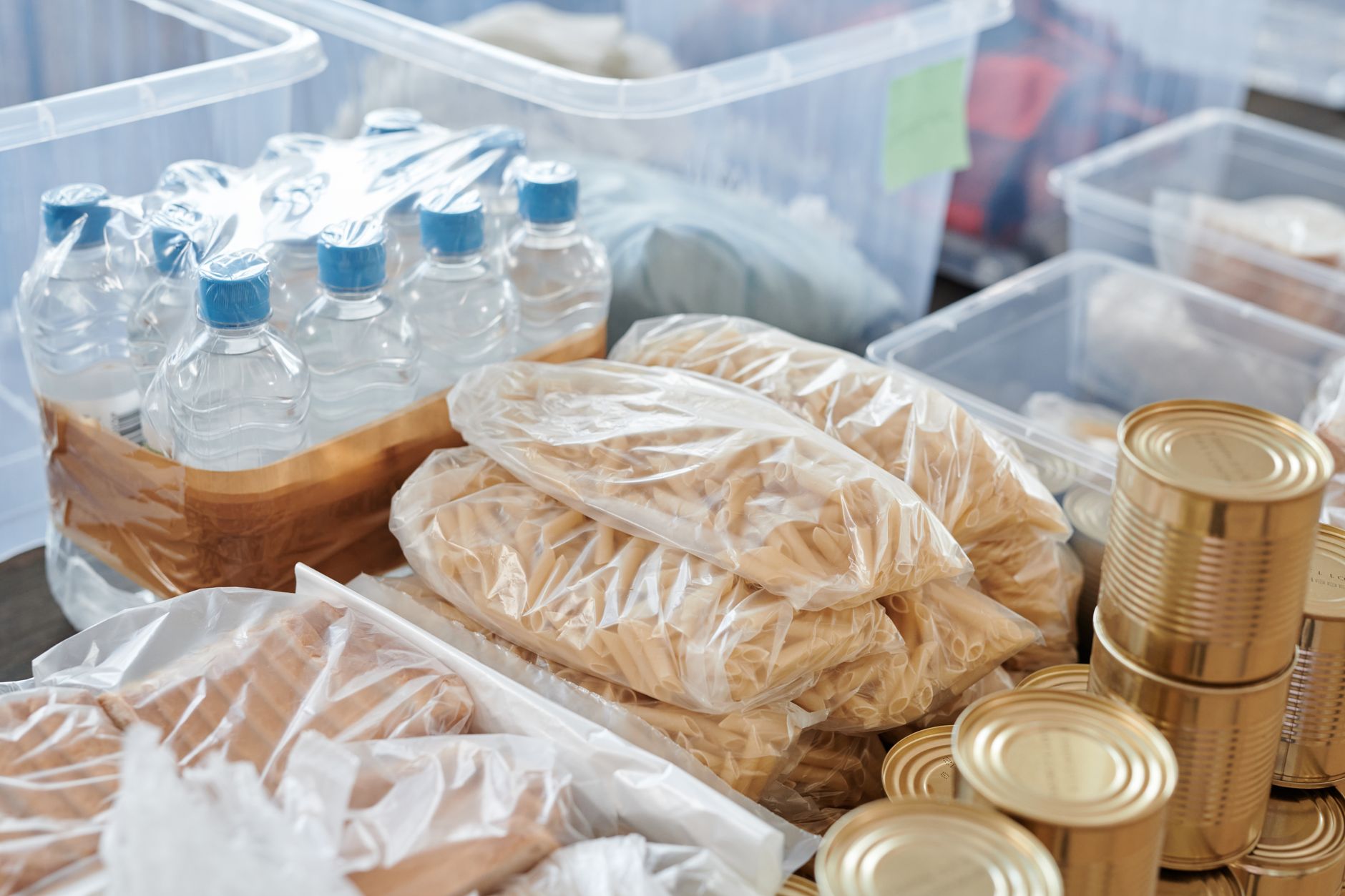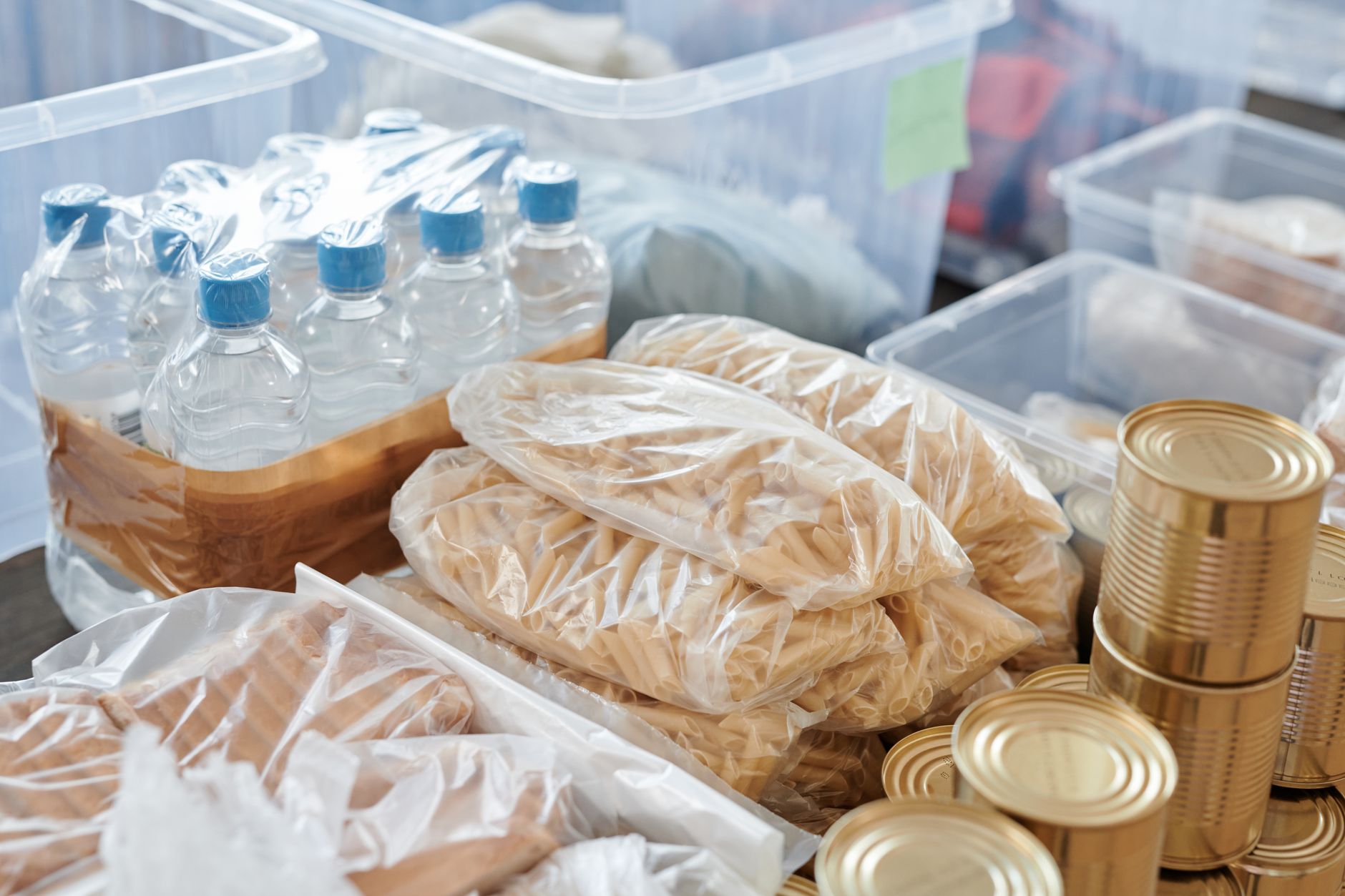
Water is the single most important resource to stockpile for any emergency. Without food, you can survive weeks. Without water, most people die in three to four days. A mere 2% loss of body water leads to fuzzy thinking and fatigue. In a disaster, clean tap water may disappear overnight. Broken pipes, contamination, and power outages shut down municipal pumps. You cannot rely on last-minute store runs either. Shelves empty fast. The average American uses 80 to 100 gallons daily for drinking, cooking, and hygiene. Emergency rationing cuts that to about 1 gallon per person. That stark math is why a per-person calculator matters.
Official guidelines provide a solid starting point. The FEMA preparedness website recommends storing at least 1 gallon of water per person per day for at least 3 days. The CDC echoes this and stresses extra water for medical conditions or high heat. The Red Cross advises a 2-week water supply for those in hurricane or earthquake zones. These numbers let you quickly build a 72-hour emergency kit and scale up. But they are minimums. Real-life scenarios demand a personalized calculation. You must consider your climate, your household’s ages, and any special needs.
A per-person calculator breaks down exactly how many gallons you need. It starts with the daily gallon benchmark. Then it multiplies by the number of days you aim to cover. Finally, it adds buffers for cooking, pets, and sanitation. For example, a family of four in Phoenix planning for 2 weeks might need 112 gallons instead of 56. That’s a huge difference. Miscalculating leaves you dangerously short. A 2023 preparedness survey found only 39% of Americans have a 3-day water supply. That means over half the population would be in trouble after 72 hours. Use a food storage calculator alongside your water plan to never be in that group.
How Do the Top Options Compare?
| Scenario | Water Per Person Per Day | Total for 1 Person | Pros | Cons |
|---|---|---|---|---|
| 3-Day (72-Hour) | 1 gallon | 3 gallons | Fits in a closet, costs under $5, quick to assemble | Inadequate for prolonged emergencies |
| 2-Week Supply | 1 gallon | 14 gallons | Covers most regional disasters, fits in a small closet with stacking | Requires dedication to rotation schedules |
| 3-Month Supply | 1 gallon | 90 gallons | True self-sufficiency, handles supply chain collapse | Needs large storage space, higher upfront cost ($90-$130 per drum) |
| Hot Climate Adjustment | 2 gallons | Varies (doubled totals) | Prevents heat exhaustion and dehydration | Doubles storage footprint and weight |
| Custom Calculator | Variable | Based on household profile | Accounts for medical needs, pets, activity | More complex, requires careful planning |
These calculations assume a 1-gallon-per-person-per-day baseline. Increase by 50-100% for hot climates, heavy labor, or medical needs. Rotate stored water every 6 months unless chemically treated.
1. 72-Hour (3-Day) Water Supply , Short-term power outages and local emergencies
FEMA’s advice to store 3 gallons per person comes from decades of disaster response. Three gallons cover drinking, basic hygiene, and minimal food prep for 72 hours. This amount fits neatly in a closet or under a bed. You can buy two 24-packs of 16.9-ounce water bottles. That nets you 3.17 gallons for about $6. Free alternatives include washing out 2-liter soda bottles and filling them with tap water. Either way, grab a few compact water containers for easier portability. The downside is obvious. A 3-day supply won’t last through a week-long power outage or flood. It also ignores water for cooking pasta or rehydrating freeze-dried meals. If your emergency kit includes dehydrated food, add an extra half-gallon per person per day. Rotate bottled water every six months. Old plastic bottles can leach chemicals and taste stale. This supply is the backbone of earthquake and tornado readiness.
Key strengths:
- ✅ Ultra-low cost: less than $6 for a commercial case setup
- ✅ Takes up almost no storage space
- ✅ No special equipment or treatment chemicals needed
- ✅ Perfect to stash in a bug-out bag or car
- ❌ Leaves you vulnerable after 72 hours
- ❌ Bottled water plastic degrades and leaches over time
- ❌ Insufficient for sanitation or cooking in extended outages
Who it’s for: Urban dwellers who want a bare minimum safety net with grab-and-go convenience.
2. 2-Week Water Supply , Extended grid-down events or regional disasters
The Red Cross and many state emergency agencies recommend two weeks of water. For one person, that’s 14 gallons. This threshold lines up with common food storage timelines. You can build a 2-week food supply and match it with water. Stack seven 2-gallon jugs or use a 15-gallon water drum. A food-grade drum costs $50 to $70 new. Used soda syrup barrels cost under $20 but need thorough sanitizing. Storing 14 gallons lets you flush toilets with a bucket and wash dishes. Sanitation becomes critical after the first few days. Yet 14 gallons weighs about 117 pounds. You won’t move it far. Anchor your supply in a basement or garage corner. Add 8 drops of unscented bleach per gallon for long-term preservation. Test the bleach smell every month. If it fades, retreat. This approach covers hurricanes, blizzards, and grid failures that rarely exceed two weeks.
Key strengths:
- ✅ Covers the vast majority of regional disaster durations
- ✅ Moderate storage footprint fits under counters or in small closets
- ✅ Aligns perfectly with standard 2-week food kits
- ❌ Requires more diligent rotation than a 3-day supply
- ❌ Water can become heavy and hard to transport if you must evacuate
- ❌ Bleach treatment must be monitored to stay effective
Who it’s for: Households in hurricane, earthquake, or tornado zones who may face multi-week utility loss.
3. 3-Month Water Supply , Long-term survival and self-sufficiency
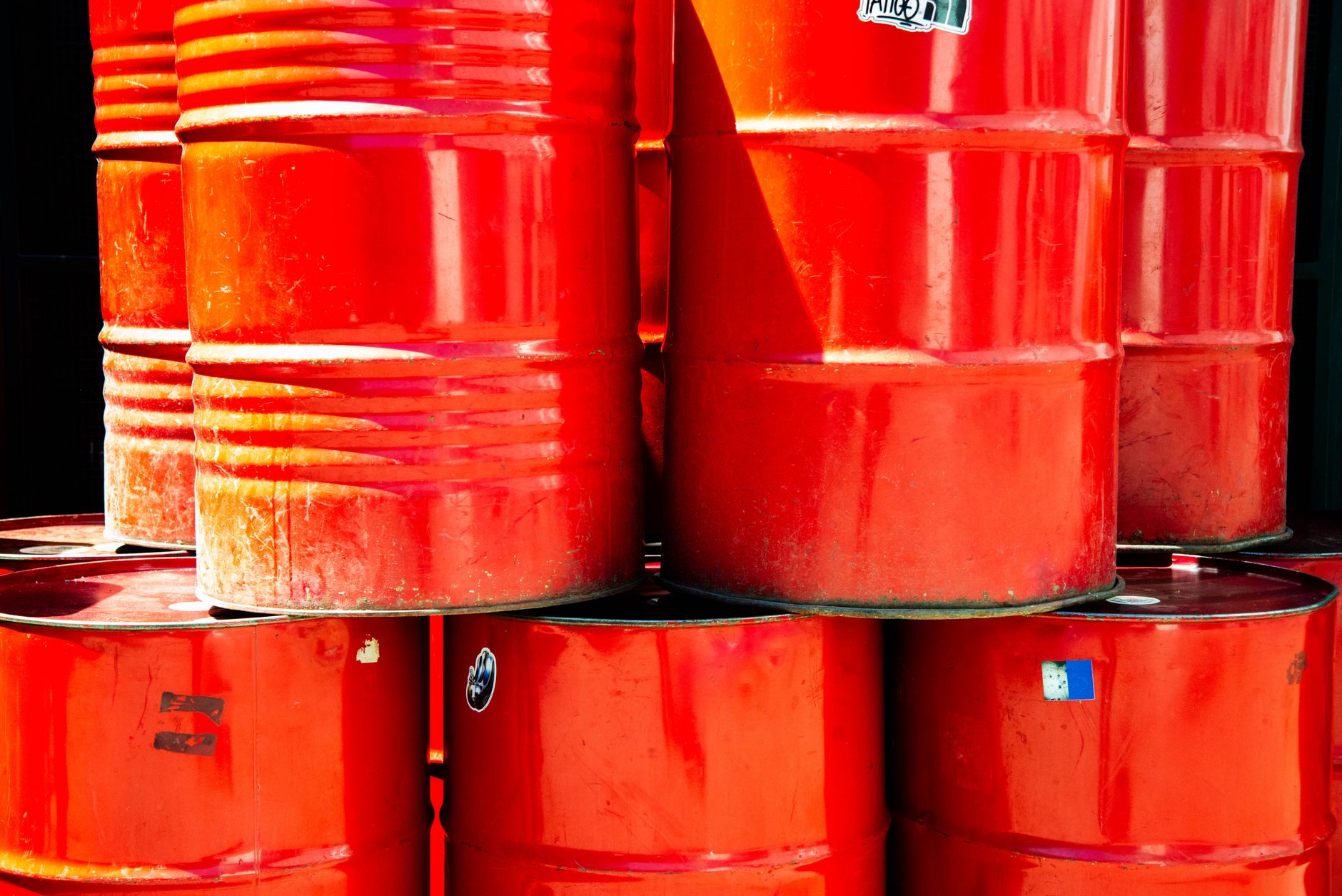
A 3-month cache means 90 gallons per person. This is the gold standard for deep preparedness. You’ll need two 55-gallon drums per household member, or a large cistern. A new drum runs $90 to $130. Treat the water with a preservative like WaterPreserver, which costs $10 per 100 gallons. Alternative: rotate three times a year without chemicals. Check out a comprehensive 3-month food plan to coordinate. Long-term storage demands a cool, dark room. Sunlight fuels algae. A concrete basement floor stays stable. Drums weigh over 440 pounds when full. Once placed, they stay put. Use a siphon pump to draw water. The bulk frightens apartment dwellers. Yet 90 gallons gives you total control. You can cook, clean, and even share with neighbors. During the 2021 Texas freeze, people with no backup water melted snow. A 3-month supply ignores the weather. See the best emergency water storage options for drum comparisons and safe handling tips.
Key strengths:
- ✅ True long-term water independence from municipal systems
- ✅ One-time setup with annual maintenance instead of monthly rotation
- ✅ Covers all drinking, cooking, and basic sanitation for a quarter year
- ❌ Requires significant dedicated storage space (6+ sq ft per person)
- ❌ High upfront container cost: around $200-$260 per person
- ❌ Drums are impossible to move when full, forcing a fixed location
Who it’s for: Serious preppers, rural homesteaders, or those preparing for societal collapse.
4. Hot Climate Water Supply , Arid regions or summer emergencies
In temperatures above 85°F, the body loses water fast. CDC guidance bumps the baseline to 2 gallons per person per day. That means for a 3-day kit, you need 6 gallons. For 2 weeks, 28 gallons. This isn’t just drinking water. You’ll use some for wetting towels, cooling skin, and extra hygiene. During a power outage survival situation, air conditioning dies. Hydration becomes your primary cooling system. A physically active person working in 90°F heat can sweat 1.5 quarts an hour. Replenishing that demands more than a sip here and there. Adjusting for climate prevents deadly heatstroke. The extra volume doubles storage cost and footprint. A 55-gallon drum for one person in Arizona only lasts 27 days, not 55. Factor that in now. When planning, assume the worst seasonal temperatures, not averages.
Key strengths:
- ✅ Directly prevents heat exhaustion and dehydration emergencies
- ✅ Provides a buffer for extra hygiene and cooling wipes
- ✅ Adaptable to any storage duration by doubling the standard amount
- ❌ Doubles the physical storage footprint
- ❌ Increases water rotation labor and chemical treatments
- ❌ Cost twice as much to initially assemble compared to standard supplies
Who it’s for: Preppers in desert climates, southern states, or anyone planning for summer outages.
5. Custom Per-Person Calculator , Households with special needs
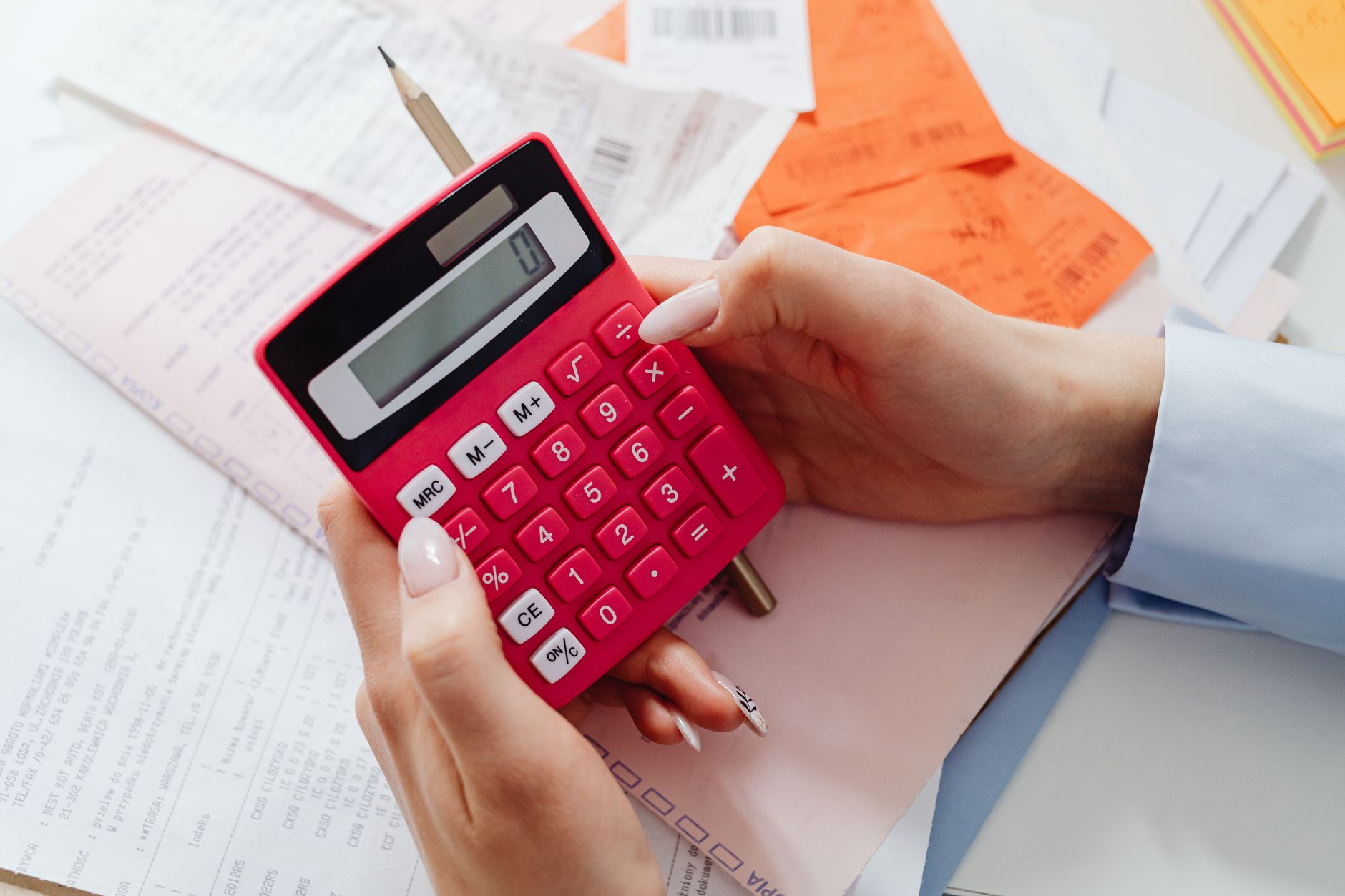
Blanket gallon rules miss the details. A custom calculator starts with 1 gallon per adult per day. Then add 0.5 to 1 gallon for each child, depending on age. Pregnant or nursing women need at least 1.5 gallons. Elderly relatives on diuretics may require extra. Pets? A 50-pound dog drinks about 1 gallon every three days. Medical devices like respirators or CPAP machines use distilled water, add a separate supply. Use a budget preparedness guide to tally costs without breaking the bank. Total all additions and multiply by storage days. This method prevents dangerous understocking. It also reveals where cheap gallon jugs fall short. Large families might need a 250-gallon IBC tote. Write down your calculation. Review it when family dynamics change. A newborn doubles water needs over time.
Key strengths:
- ✅ Avoids dangerous underpreparation for vulnerable family members
- ✅ Accounts for medical devices, infants, and pregnant women accurately
- ✅ Creates a clear, personalized shopping and storage list
- ❌ More complex than a one-size-fits-all gallon count
- ❌ Can lead to slight overbuying if not calculated precisely
- ❌ Requires updates whenever household composition changes
Who it’s for: Large families, caregivers, or those with specific medical conditions and pets.
Frequently Asked Questions
How many gallons of water does one person need per day?
FEMA and the CDC recommend a minimum of 1 gallon per person per day. This covers drinking, basic cooking, and minimal hygiene. In hot weather or during intense physical activity, increase to 2 gallons.
Can I use tap water for long-term storage?
Yes. Fill clean, food-grade containers with tap water and add 8 drops of unscented household bleach per gallon for disinfection. Store in a cool, dark place and replace the bleach treatment if the odor fades.
How often should I rotate stored water?
Rotate commercially bottled water every 6 months. Water properly treated with bleach or a preservative can last 6-12 months. Check containers every season for leaks or cloudiness and replace as needed.
Does a hot climate really double the water requirement?
Yes. The CDC advises up to 2 gallons per person per day in extreme heat. Your body loses more fluid through sweat, and extra water helps with cooling and hygiene. Plan for at least double the baseline.
What about water for pets?
Include your pets in the calculation. A 50-pound dog drinks roughly 1 gallon every three days. Cats need less. Always store extra water for animals and rotate it with the household supply.
How much space do I need for a 3-month water supply?
For one person, 90 gallons fits in two 55-gallon drums, occupying about 6 square feet of floor space. For a family of four, eight drums need roughly 24 square feet, so a dedicated storage area is essential.
What Should You Remember?
- 1 gallon per person per day is the minimum baseline recommended by FEMA and the CDC.
- Store at least 3 days’ worth for short-term emergencies total 3 gallons per person.
- Scale up to 2 weeks (14 gallons per person) for regional disasters as advised by the Red Cross.
- Double your estimate for hot climates or heavy exertion, up to 2 gallons per person daily.
- Rotate stored water every 6 months unless chemically treated with bleach or preservatives.
- Calculate for every family member including children, elderly, pregnant women, and pets.
This article is for general information only. Emergency preparedness involves real safety risk — always consult official sources (local authorities, CDC, FEMA) and verify gear before relying on it.