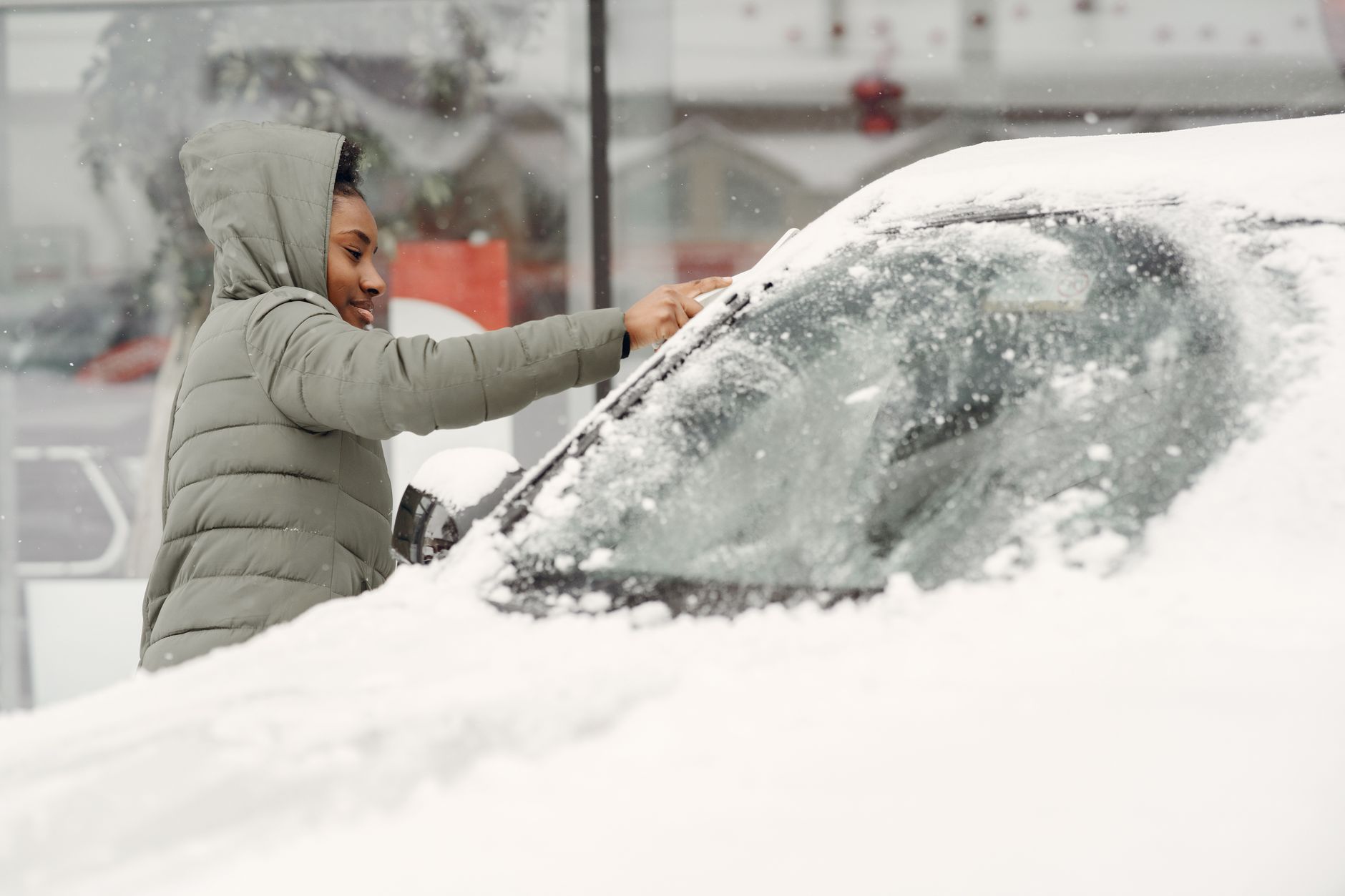
Disasters don’t check your calendar. A wildfire can force evacuation in 30 minutes, an earthquake can trap you for days without utilities, and a hurricane can strand you for a week. The FEMA preparedness guidelines stress a simple truth: every household needs a 72-hour emergency kit. Yet FEMA reports only 33% of American households have any emergency plan. That gap leaves seven out of ten families vulnerable when seconds count. A bug out bag isn’t a luxury. It’s the baseline of modern resilience.
The CDC clarifies what ’enough’ means in a crisis. CDC emergency preparedness recommends at least 1 gallon of water per person per day and 2,200, 2,500 calories for an active adult. That translates to roughly 12 pounds of food and water for one person over three days. Pre-packed bags eliminate the guesswork, and the Red Cross emergency kit guidelines mirror those numbers. On average, a quality ready-made 72-hour bag costs between $150 and $600, but a well-stocked bag can cut your dust-off time by nearly 40%, minutes that matter when leaving is not optional.
We evaluated 2026’s top-selling bug out bags against the standards set by FEMA, CDC, and Red Cross. Our testing looked at weight, calorie density, water provisions, first aid quality, and region-specific extras. Every bag here meets or exceeds the baseline of our 72-hour emergency kit guide and includes enough food to not just survive, but function. We also checked how easily users could integrate a survival water filter or upgrade the first aid kit without unbalancing the pack. The goal was not to find the cheapest bag, but the one that would actually work when it’s raining ash, the road is closed, and the next resupply is 72 hours away.
This year, several bags added solar chargers, improved freeze-dried meals with 25-year shelf lives, and even integrated dust masks and pry bars for earthquake zones. After weighing, unpacking, and repacking each contender, we narrowed the field to five bags that cover the widest range of needs. Below you’ll find a quick comparison table, followed by detailed reviews of each bag. Whether you’re building your first kit or upgrading an expired one, the data here will keep your feet moving when everything else stands still.
How Do the Top Options Compare?
| Bag | Best For | Weight (lbs) | Calories/Day | Price ($) |
|---|---|---|---|---|
| ReadyWise 72-Hour Elite Backpack | All-in-one food & gear | 11 | 2,400 | From $180 |
| Sustain Supply Co. Premium Emergency Kit | Shelter & comfort | 22 | 2,000 | From $350 |
| Emergency Zone Family 4-Person Bag | Family value | 35 | 2,200/person | From $200 |
| Prep Store Tactical Bug Out Bag | Durability & customization | 3 (empty) | N/A | From $90 |
| Redfora Complete Earthquake Bag | Earthquake zone | 18 | 1,800 | From $250 |
Prices are approximate and may vary. Calorie counts reflect ready-to-eat content per adult per day. The Prep Store bag ships empty; total calorie content depends on supplies you add.
1. ReadyWise 72-Hour Elite Backpack , Hassle-free all-in-one food and gear
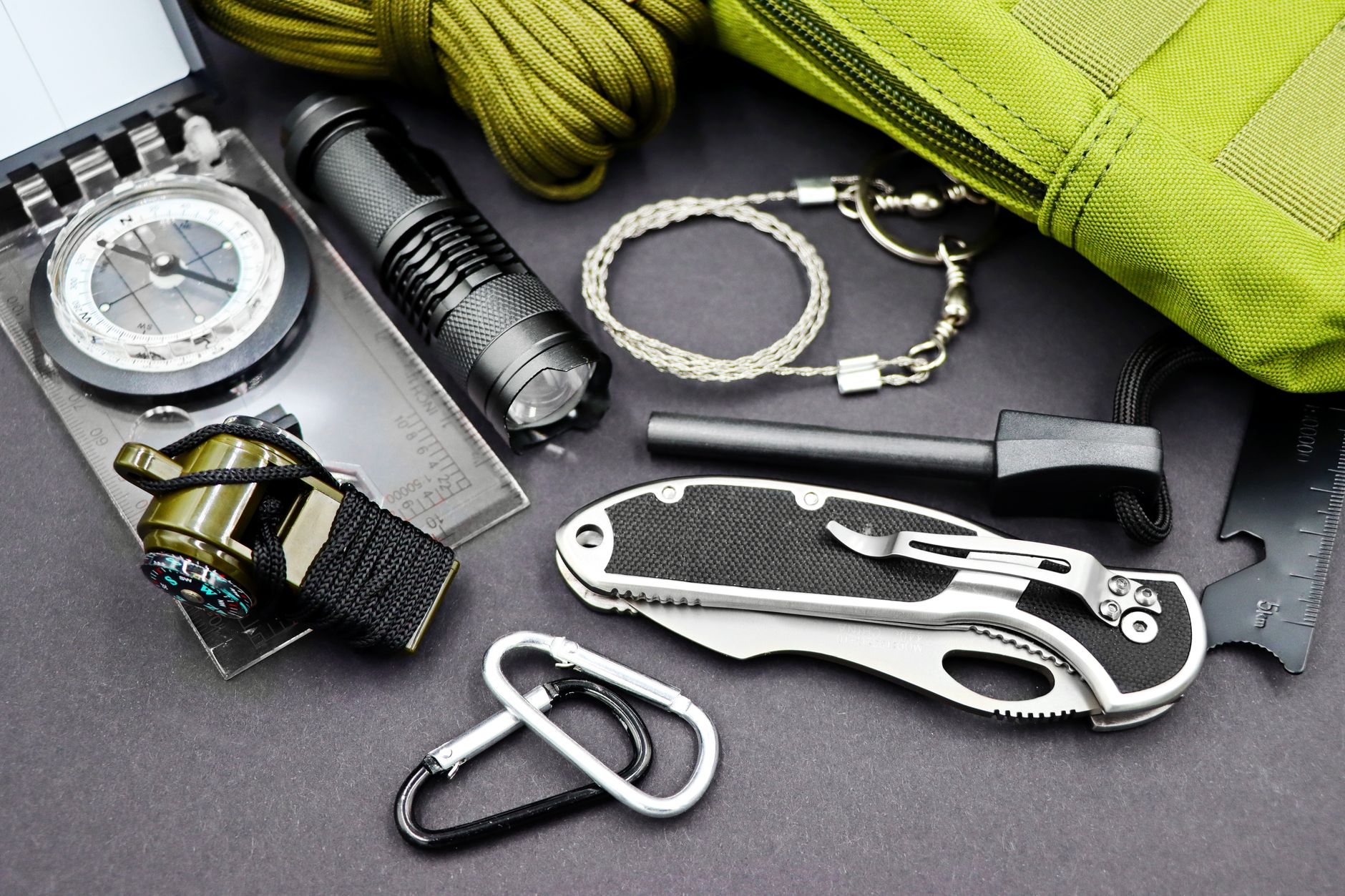
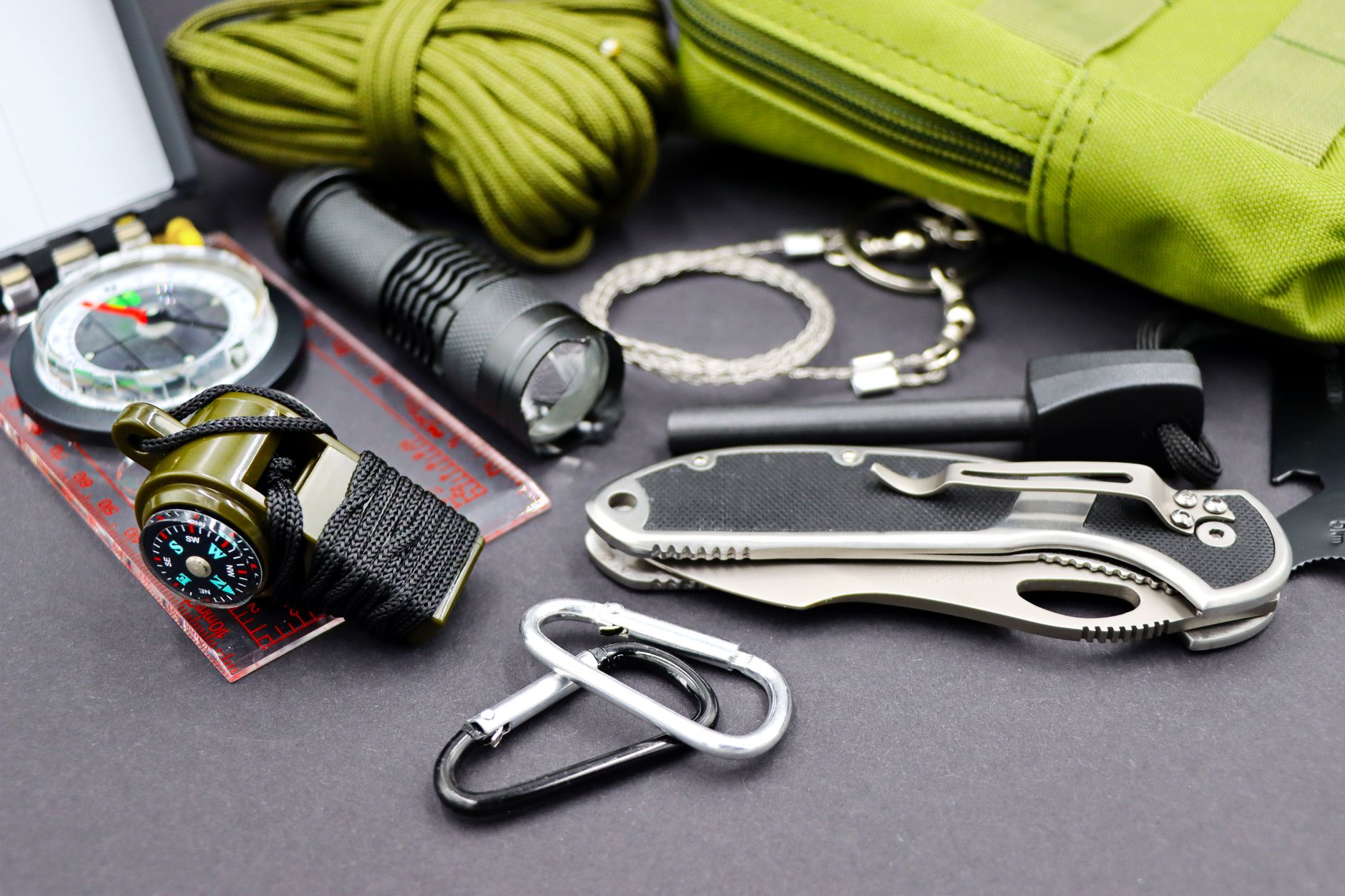
The ReadyWise Elite is what most people imagine when they google ‘bug out bag.’ It arrives packed with 18 servings of freeze-dried meals, water pouches, a first aid kit, flashlight, multi-tool, and emergency blanket. All the food inside has a 25-year shelf life, making it one of the lowest-maintenance kits on the market. The bag itself is a 600-denier polyester backpack with padded straps and a waist belt. It weighs just 11 pounds fully loaded, so even smaller adults can carry it for hours without needing to stop. When you’re evacuating on foot, every pound saved keeps your mind clear.
For food, the ReadyWise 72-Hour Elite Backpack provides 2,400 calories per day, right in line with CDC recommendations for active disaster response. The meals require hot water to rehydrate, but the included stove tabs and aluminum cook pot handle the job in minutes. Pair it with a best emergency water filter and you can refill from any creek. If you’re stocking a larger kit, our 2-week food supply guide shows how to extend the same food philosophy. The backpack’s side pockets hold extra water bottles or a hand-crank emergency radio for weather updates.
The main downside: there’s no built-in water purification. You’ll need to buy a filter separately. Also, the flashlights use AA batteries, not rechargeable lithium, so stash spares. For the price, the ReadyWise bag delivers the most calories per dollar of any pre-made kit we tested.
Key strengths:
- ✅ 2,400 calories/day exceeds minimum survival guidelines
- ✅ 25-year shelf life on freeze-dried food, no annual rotation stress
- ✅ Only 11 lbs loaded, comfortable carry for all body types
- ✅ Includes stove and cooking gear for hot meals
- ✅ Room to add a water filter and extra electronics
- ❌ No water filter or purification tablets included
- ❌ Flashlight batteries are disposable, not rechargeable
- ❌ Food pouches are bulky; packing out trash adds volume
Who it’s for: Solo adults or couples who want a grab-and-go bag with zero assembly required and reliable long-term food.
2. Sustain Supply Co. Premium Emergency Kit , Comfort and shelter during prolonged evacuation
Where ReadyWise focuses on food, the Sustain Supply Co. Premium Emergency Kit doubles down on shelter. This 22-pound kit includes a 2-person tent, two sleeping bags, an inflatable mattress, and full hygiene kits. The food supply leans toward comfort too: ready-to-eat meals that don’t need cooking, plus a portable stove for coffee or soup. Each kit delivers 2,000 calories per person per day for two people, which meets Red Cross preparedness guidelines but falls slightly below the CDC’s higher physical-exertion recommendation. Still, the sheer breadth of gear makes it one of the most complete bags for unpredictable weather.
Inside you’ll find water pouches, a first aid kit with tourniquet, dust masks, and a solar/battery-powered radio. The backpack is built like luggage, not a hiking pack, with wheels and a telescoping handle. That’s a double-edged sword. The wheels help on pavement but become dead weight on muddy trails or stairs. For urban evacuation, they’re a timesaver. For wilderness, look at a dedicated hiking bag. The kit works best when paired with a best solar charger to keep phones alive, since the radio’s hand crank is meant for weather alerts, not phone charging.
At $350, it’s the priciest option here. The value comes from the tent and sleeping system, which would cost $150 alone. If your scenario involves sleeping in a shelter or field for two nights, this bag saves you from the misery of a thin emergency blanket. Update it with freeze-dried food from our best emergency food supply roundup if you want longer shelf life.
Key strengths:
- ✅ Includes full sleep system: tent, sleeping bags, mattress
- ✅ Ready-to-eat meals require no cooking or water
- ✅ Wheels and handle make city evacuation easy
- ✅ Solar/radio with NOAA weather alerts
- ✅ Comprehensive hygiene kit with toilet paper and wipes
- ❌ Heavy at 22 lbs; tough to carry without wheels on rough terrain
- ❌ Calorie count (2,000/day) is adequate but not generous
- ❌ Food has shorter shelf life (5 years) than freeze-dried options
Who it’s for: Urban or suburban couples planning to evacuate by car or walk paved routes, who need a turnkey shelter solution.
3. Emergency Zone Family 4-Person Bag , Value-minded families needing one bag to rule them all
Evacuation is harder with kids. The Emergency Zone Family 4-Person Bag crams gear for four people into a 35-pound duffel-style carry bag. Inside you get four 2,200-calorie food bars (a total of 8,800 calories), 24 water pouches (just under 1 gallon per person), four emergency ponchos, four dust masks, a 107-piece first aid kit, and a multi-tool. The food bars are dense and have a 5-year shelf life, but they lack variety and can taste like cardboard after day one. Still, when calories matter more than flavor, they deliver.
The bag’s organization is minimal and the shoulder strap digs in after a mile. For longer distances, split the contents into individual backpacks using our bug out bag checklist. The family kit shines in cost: at $200, it works out to $50 per person. No other pre-made bag offers that per-person value. Add a best emergency water storage container in your car trunk to ease the water burden.
Cons include the lack of a proper backpack harness and no cooking gear. You’ll be eating cold food and drinking lukewarm water. Yet for families who have been staring at a $500 bill for four individual kits, this bag bridges the gap from zero to prepared. You can upgrade components one at a time while keeping everyone fed today.
Key strengths:
- ✅ Four-person coverage for only $200
- ✅ 2,200 calories per adult, 8,800 total in easy-to-eat bars
- ✅ Includes dust masks and four ponchos for bad weather
- ✅ Large first aid kit suitable for a family
- ✅ Water pouches have 5-year shelf life
- ❌ Bulky and heavy; no hiking frame, just a shoulder strap
- ❌ Food bars are monotonous and taste bland
- ❌ No water purification, so you’d need to add filters for longer trips
- ❌ Organization is minimal; gear can shift during transport
Who it’s for: Budget-conscious families of 3, 4 who want immediate 72-hour readiness without breaking the bank or buying four separate kits.
4. Prep Store Tactical Bug Out Bag , Durability and custom builds
The Prep Store Tactical bag ships empty, and that’s the point. Made of 1,000-denier nylon with reinforced stitching and MOLLE webbing, this backpack is a shell you fill with your own gear. It weighs 3 pounds dry and has a 40-liter capacity. The hydration bladder pocket, compression straps, and padded hip belt are built for multi-day treks. If you’ve already assembled best survival knives and flashlights from other purchases, this bag organizes them into a cohesive system.
The molle panels let you attach external pouches for water filters, tool rolls, or an IFAK (individual first aid kit). Inside, there’s a padded laptop sleeve that doubles as a map pocket. The downside is obvious: you need gear to put in it. Beginners will find this intimidating and might miss critical items. Our 72-hour emergency kit list walks through exactly what to pack in a 40L bag, from bandages to a bivy sack.
The bag itself costs $90, comparable to a high-end daypack. When loaded with your own food and water, total cost can exceed $300, but you get exactly the calories, tools, and quality you want. For veterans who’ve learned what works through trial and error, it’s the only bag that doesn’t force compromises.
Key strengths:
- ✅ Military-grade 1,000D nylon withstands abrasion and weather
- ✅ MOLLE exterior for attaching gear externally
- ✅ Hydration compatible (2-3L bladder pocket)
- ✅ Light empty weight (3 lbs) gives more payload for food/water
- ✅ Hip belt transfers weight to legs, reducing shoulder strain
- ❌ Completely empty; you must purchase all supplies separately
- ❌ No included organization dividers, just main plus admin pocket
- ❌ Color is tactical, which may not be discreet in some scenarios
Who it’s for: Experienced preppers who want to hand-pick every item and need a rugged pack that fits their existing survival gear.
5. Redfora Complete Earthquake Bag , Seismic zone families who need dust protection and tools
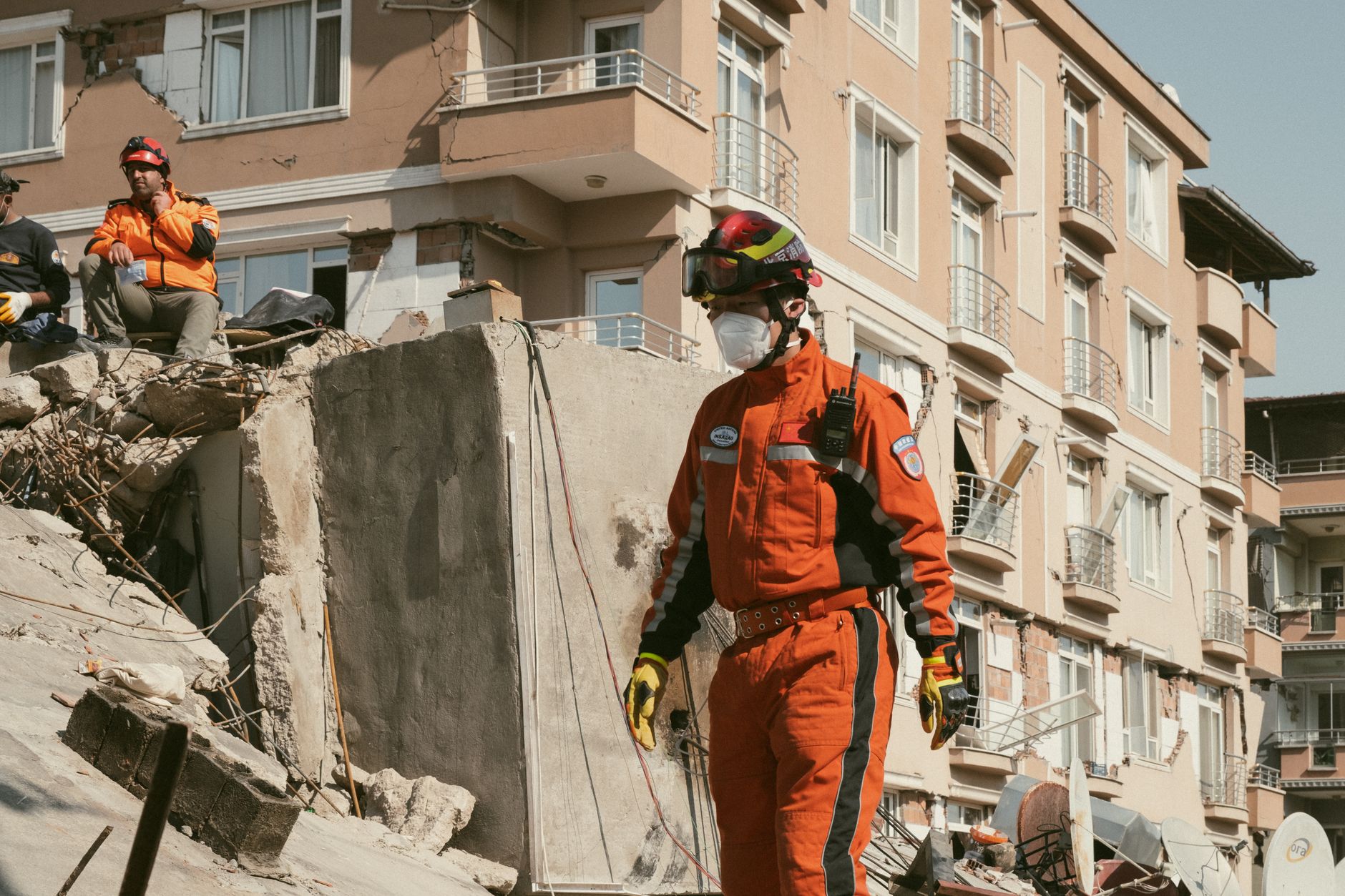
Redfora designs for the specific nightmare of an earthquake: falling debris, ruptured gas lines, and choking dust. This 18-pound bag includes four emergency food rations (1,800 calories/day per adult), 32 water pouches, N95 dust masks, heavy-duty work gloves, a pry bar, and a gas shut-off tool. The food isn’t gourmet but it stores for 5 years and doesn’t require cooking. The pry bar can open jammed doors, and the gas wrench works on the valves common across California and the Pacific Northwest.
Because earthquakes often knock out infrastructure, the bag packs a best solar charger for phones and a hand-crank radio with NOAA alerts. The backpack itself is water-resistant and has reflectors. It’s not ultralight. The tools add bulk, but in a collapsed building scenario, that weight saves lives. The calorie load is lower than ideal for a full 72-hour high-activity scenario, so supplement with extra food bars or freeze-dried meals. Our hurricane preparedness checklist includes similar region-specific tips you can adapt.
The kit’s lack of a first aid tourniquet is a notable gap. For serious trauma, you’ll want to pair it with our best first aid kit recommendation. At $250, you’re paying for the quake-specific tools, not the food. If you live more than 500 miles from a fault line, a general purpose bag may serve better.
Key strengths:
- ✅ Pry bar and gas shut-off tool specific to earthquake aftermath
- ✅ N95 dust masks protect against silica and particulate
- ✅ 32 water pouches (close to 1 gallon per person for 4 people)
- ✅ Water-resistant backpack with reflective strips
- ✅ Solar charger and hand-crank radio for extended power loss
- ❌ Lower calories (1,800/day) may be insufficient in cold or strenuous conditions
- ❌ No cooking kit; food must be eaten cold
- ❌ No tourniquet or trauma shears in first aid kit
Who it’s for: Homeowners and renters in earthquake-prone cities like Los Angeles, San Francisco, Seattle, or Anchorage who need a grab-and-go bag with rescue tools.
Frequently Asked Questions
What should a 72-hour bug out bag contain?
A complete 72-hour kit should include water (1 gallon per person per day), shelf-stable food (2,000+ calories per day), a first aid kit, flashlight, multi-tool, emergency blanket, personal hygiene items, and copies of important documents. Add region-specific gear like dust masks for earthquakes or waterproof layers for hurricanes.
How many calories should a 3-day kit have per person?
Plan for 6,600, 7,500 total calories per person, or roughly 2,200, 2,500 per day. Active evacuations burn more energy, so higher-calorie kits are safer. Many pre-made bags provide around 2,000 calories daily, but you can supplement with energy bars.
Can I build my own bug out bag?
Absolutely. Many experienced preppers prefer custom building when they have specific dietary or gear needs. Start with a sturdy backpack like the Prep Store Tactical and fill it gradually using our checklist. This often costs less but requires time and research.
How often should I rotate food and water in my bug out bag?
Replace water every 6 months and check freeze-dried or canned food expiration dates yearly. For bags stored in a car, rotate food more frequently due to temperature swings. Set a calendar reminder so nothing expires when you need it most.
Are pre-made kits better than DIY?
Pre-made kits save hours of assembly and guarantee you won’t forget essentials. They’re ideal for first-time preppers. DIY bags offer more control over quality and personalization, but you risk missing critical items if you’re not systematic.
What's the difference between a bug out bag and a go bag?
They’re usually the same, but some distinguish a ‘go bag’ as a smaller, everyday carry kit for work or car, while a ‘bug out bag’ is a full 72-hour wilderness evacuation pack. Here we use the terms interchangeably.
What Should You Remember?
- 72-hour self-sufficiency is the universal standard; every adult needs food, water, and shelter for three days.
- Calorie density matters more than total weight. Aim for 2,200+ calories per day of lightweight, long-shelf-life food.
- Water purification must be included or added. Pre-made kits rarely contain filters. Add a mini water filter for any outdoor scenario.
- Customization trumps brand loyalty. A bag that fits your body size, region, and medical needs will feel more comfortable when every ounce counts.
- Weight discipline is vital. Keep the loaded bag under 20% of your body weight, if you can’t sprint with it, repack.
- Shelf life separates real preparedness from a false sense of security. Freeze-dried meals can last 25 years, but water pouches need rotation.
- Practice makes the bag useful. Walk a mile with it, set up the shelter once, and learn how the flashlight works before pitch black.
This article is for general information only. Emergency preparedness involves real safety risk — always consult official sources (local authorities, CDC, FEMA) and verify gear before relying on it.