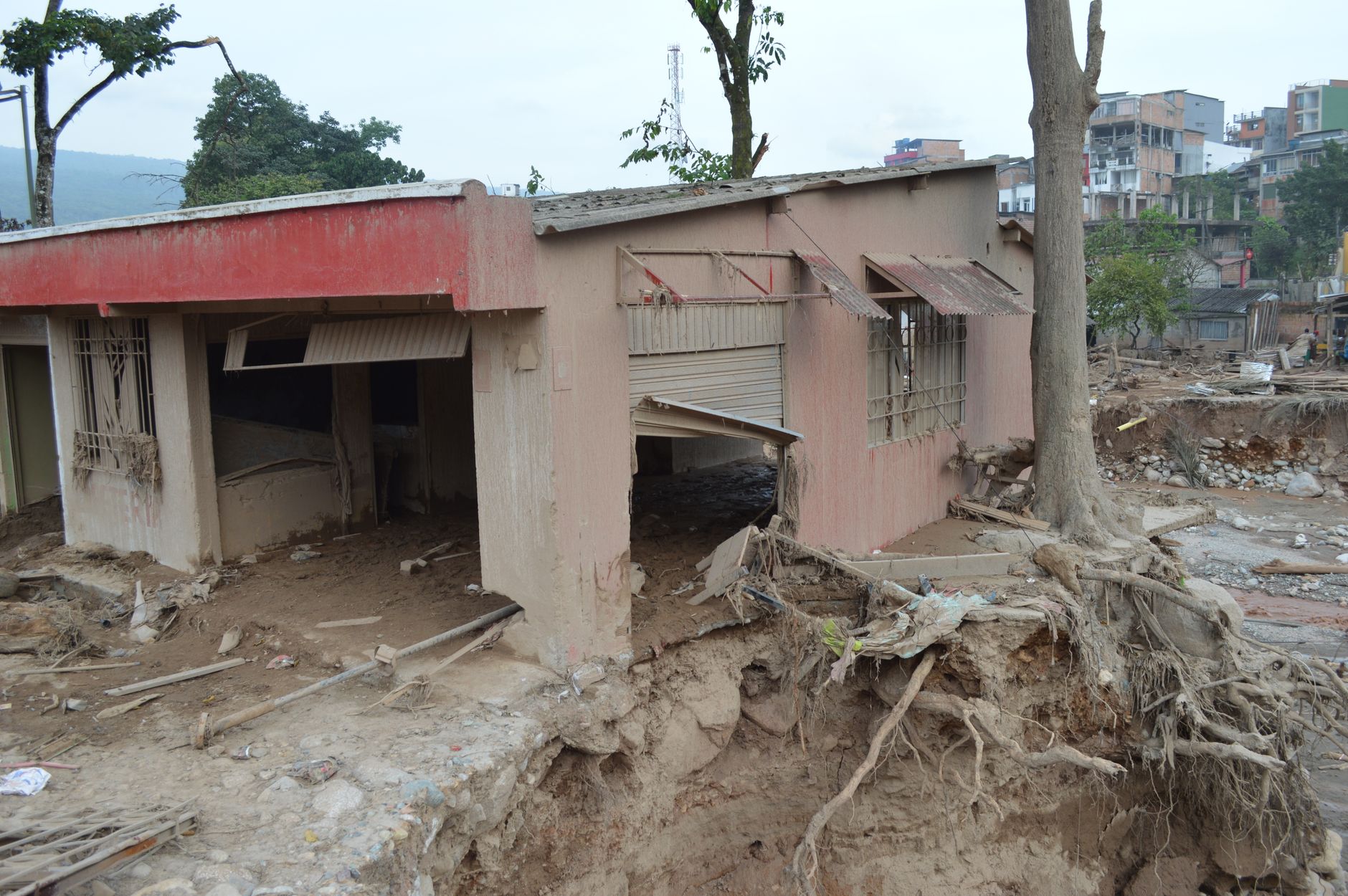
When a major earthquake topples power lines or a flood swallows streets, the first 72 hours are a jumbled scramble. Official responders are overloaded. FEMA’s research consistently shows that 95% of immediate rescues after a disaster are performed by neighbours, not fire trucks or police. This stark number transforms the way you think about survival. Your training, your stored water, and your 72-hour emergency kit matter, but nothing multiplies your safety like the people next door.
Mutual aid networks are simple. They are agreements between neighbours to share skills, tools, and labour during an emergency. A retired nurse can splint a broken arm. A backyard gardener can raid a 2-week food supply. A ham radio operator can pass messages. Studies from the Disaster Research Center show that communities with organised networks bounce back 40% faster than isolated streets. You don’t need to be best friends. You just need to be willing.
This guide walks you through building your own neighbourhood network from scratch. You’ll learn how to map local resources, build communication backups, practice as a group, and navigate the legal side of shared responsibility. Each section follows CDC guidance on social resilience. By the end, you’ll have a concrete plan that turns a collection of houses into a genuine off‑grid support system.
How Do You Start Mapping Your Neighborhood’s Resources and Skills?
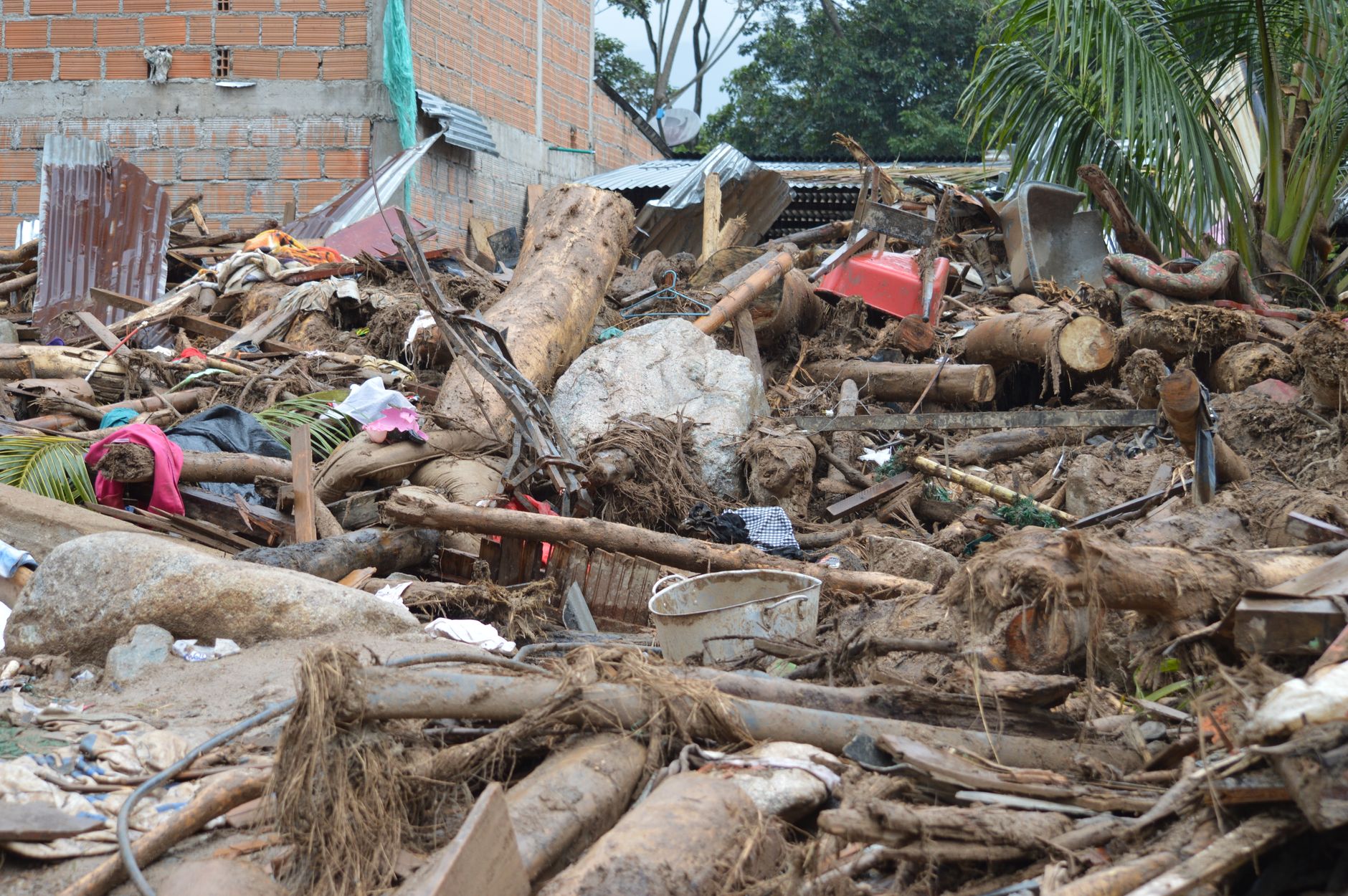
Most people have no idea that the quiet guy three doors down is an off‑duty paramedic. The single mom next door might own a best solar generator that could charge a dozen phones. Mapping is the foundation of mutual aid. You need to know what you have before you need it.
Start with a simple door‑knocking campaign. Take a clipboard and a friendly smile. Ask about medical training, tools, emergency water storage, spare batteries, or even a chainsaw. Record everything in a shared spreadsheet or a paper binder stored in a waterproof bag. Make sure to note who has mobility issues or needs medications. The Red Cross preparedness model emphasizes identifying vulnerable individuals early.
Once you have a map, overlay it with neighbourhood entrances, hydrants, and natural shelter spots. Mark homes with generators that could run a fridge for insulin. Identify safe meeting points. All this data lets you respond fast when cell towers go dark. Host a neighbourhood potluck where you pin the map on a wall and let people add sticky notes. Transparency builds trust.
- Medical professionals (doctors, nurses, veterinarians)
- Tradespeople (electricians, plumbers, mechanics)
- Heavy equipment (generators, chainsaws, water pumps)
- Spare bedrooms or basements for sheltering
- Vehicles with off‑road capabilities
What Communication Systems Should You Set Up for Disasters?
Cell networks crumple early. Even a routine snowstorm can knock out a tower. A mutual aid network survives on redundancy. The most robust neighbourhood plans layer three or four methods. The power outage survival guide makes it clear that every household should own a hand‑crank emergency radio, but you need person‑to‑person channels too.
Build a physical phone tree first. Print a laminated card for every household with names, addresses, and an out‑of‑state contact number. During a wide‑area event, local lines jam while long‑distance often works. Everyone checks in with that out‑of‑state person who then relays status back. Next, invest in a set of FRS or GMRS two‑way radios. Establish a dedicated channel and a nightly 6 p.m. check‑in time. Test these radios during calm weekends so you find dead zones.
For pure off‑grid scenarios, old‑school signals remain vital. Agree on a front‑door flag system: a red rag means “need help,” yellow means “minor issue,” green means “all clear.” Pair this with a text‑messaging group on a satellite‑based app like Zello or Bridgefy. The CDC preparedness framework stresses that routine drills turn these protocols into muscle memory. Schedule a quarterly radio check and a yearly evacuation walk‑through.
- Laminated phone tree with out-of-state contact
- FRS/GMRS radios with designated channel and nightly check‑in
- Door‑flag system (red, yellow, green rags)
- Off‑grid messaging apps pre‑installed on phones
- Physical whiteboard at the central meeting point
How Can You Organize Group Training and Drills?
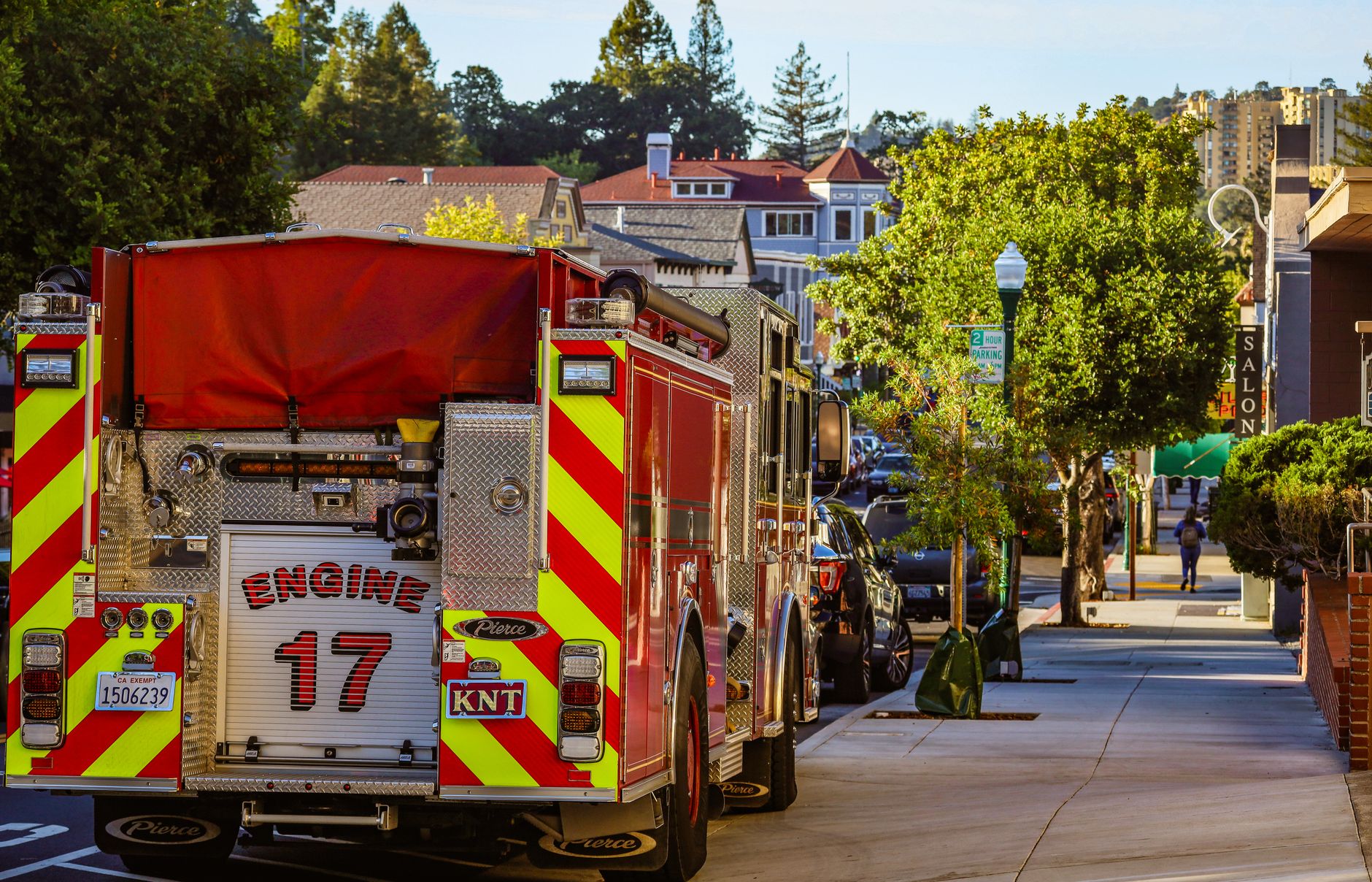
A map and a radio sit idle without practice. Group training transforms a loose list of names into a capable team. Align your sessions with FEMA’s Community Emergency Response Team (CERT) curriculum. CERT courses are free, local, and designed exactly for neighbourhood teams. Even if only a few members certify, the skills bleed into the group.
Schedule a “skill‑share Saturday” once a season. One month, focus on first aid and building a best first‑aid kit. The next, run a fire‑extinguisher practical where everyone handles a bottle. The neighbour who owns a best survival water filter can demonstrate making creek water drinkable. These gatherings do double duty: they build competence and deepen the social ties that hold a network together under stress.
Full‑scale drills are the real test. Pick a plausible scenario like a 48‑hour grid‑down event or a flash flood warning. Activate the phone tree at 8 a.m. Saturday. Track response times. Simulate a missing person search. Debrief with coffee and notes. The Red Cross recommends that every household practice evacuation twice a year. Do it as a block. Your collective muscle memory could shave hours off a real crisis response.
- Enroll core members in free CERT training
- Rotate monthly skill‑share topics (first aid, water purification, radio comms)
- Drill a full 48‑hour scenario including meal prep from stored food
- Practice the phone tree and radio check‑ins under timed conditions
- Debrief after every drill and update the plan immediately
What Are the Legal and Safety Considerations for Mutual Aid?
Good intentions can snag on liability. You’re not a professional rescue squad, and you shouldn’t pretend to be. The first rule is “do no harm.” If someone needs advanced medical care, your job is to stabilize and summon professional help. A Good Samaritan law often protects voluntary aid, but specifics vary by state. Check your local statutes.
Create a simple “Good Neighbor Agreement” that everyone signs. This isn’t a binding contract; it’s a shared understanding. List what each household commits to contribute (e.g., generator fuel, medical skills, storage for emergency food kits). State clearly that participation is voluntary and that no one is expected to risk their life. Include a clause about privacy: who holds the resource map and how data is protected.
Physical safety during drills and real events matters just as much. Assign a safety officer for every gathering. Ensure no one practices water purification with real bleach without goggles. Store communal emergency water containers away from chemicals. The CDC’s community preparedness guidelines note that small injuries spike during improvised training. A $20 first‑aid kit and a designated sober safety lead prevent that.
- Research state Good Samaritan protections
- Draft a 1‑page Good Neighbor Agreement outlining roles and liabilities
- Designate a safety officer for every drill and skills workshop
- Never share prescription medications; keep a pharmacy list instead
- Store communal supplies in locked, labeled, weatherproof bins
How Do You Maintain and Grow Your Network Over Time?
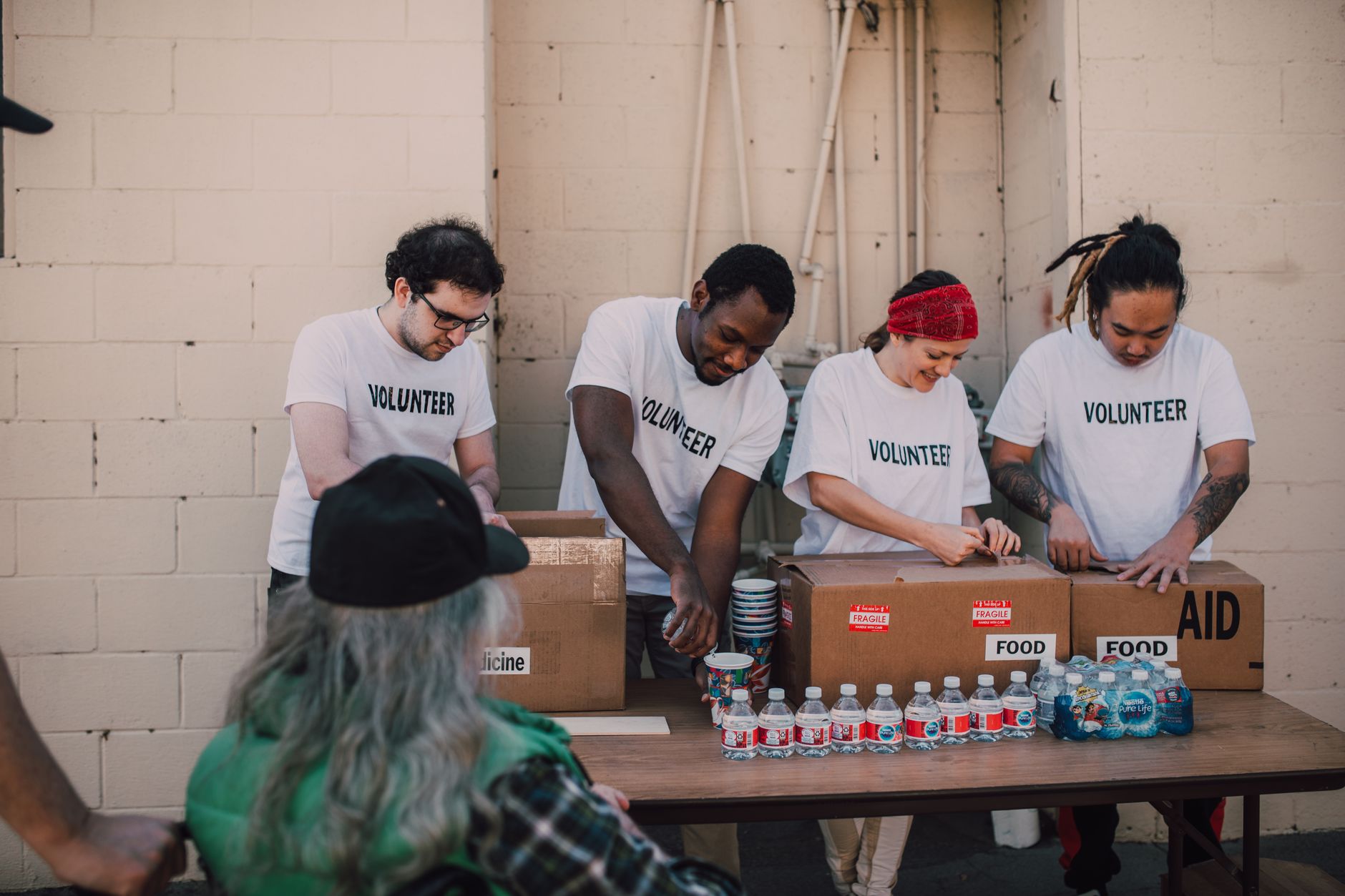
Mutual aid networks die from neglect, not from disaster. The initial excitement fades, people move away, and new neighbours arrive unaware. Bake maintenance into your rhythm. Host a quarterly potluck that acts as a light‑touch check‑in. Use the gathering to update the resource map and replace expired items in the communal 72‑hour kit stash.
Growth is organic. When a block party happens, staff a “Preparedness Corner” table. Show off a bug‑out bag and the portable radio setup. Let kids demo a hand‑crank flashlight. Curiosity pulls people in. Provide a simple one‑sheet called “Start your 3‑day kit” with links to supplies. This gentle approach converts bystanders into participants without pressure.
Finally, connect with neighbouring blocks. A single network of 20 homes is strong, but a cluster of five networks creates a micro‑resilience zone that can share heavy equipment and specialized skills. Use a simple agreement to pool resources between blocks. Yearly, run a multi‑block drill. The North American grid faces increasing threats, from ice storms to cyberattacks. The wider your net, the softer your landing.
- Schedule quarterly potluck meetings with a 15‑minute plan review
- Maintain a welcome packet for new residents explaining the network
- Run a yearly multi‑block drill with other neighbourhood groups
- Rotate leadership roles among households to prevent burnout
- Keep a shared Google Calendar or physical bulletin board for events
Frequently Asked Questions
What if my neighbors aren’t interested in mutual aid?
Start small by chatting about general preparedness over coffee. Focus on shared benefits like shared tools or child care. Lead by example, many people join once they see the value.
Do I need written agreements or waivers for mutual aid?
It’s wise to draft a simple ‘Good Neighbor Agreement’ outlining voluntary participation and liability limits. This is not legally binding but sets clear expectations and trust.
How do we handle sharing sensitive supplies like prescription meds?
Never share prescription medications. Instead, create a list of local pharmacies and document neighbors’ medical needs so you can help facilitate access, not distribute drugs.
What’s the best way to communicate if cell towers are down?
Use two-way radios (FRS/GMRS), a predetermined meeting spot, and a laminated phone tree. Practice these methods regularly.
Can we include renters or transient residents?
Absolutely. Their skills and perspectives are valuable. Use door-to-door introductions and digital platforms to keep contact info updated.
How often should we update our mutual aid plan?
Review the plan every season, after major life changes in the neighborhood, and after any drill or real incident. An annual refresh is the minimum.
What Should You Remember?
- 95% of disaster rescues are performed by neighbors, not first responders.
- Start with a skills and resource map to know who has medical training, tools, or generators.
- Establish a redundant communication system: two-way radios, phone trees, and a meeting point.
- Pool resources like emergency water storage and first aid kits across households.
- Conduct seasonal drills for fire, flood, or power outage scenarios.
- Draft a simple Good Neighbor Agreement to outline roles and liability limits.
- Build your network slowly with neighborhood potlucks and skill shares to maintain engagement.
This article is for general information only. Emergency preparedness involves real safety risk — always consult official sources (local authorities, CDC, FEMA) and verify gear before relying on it.