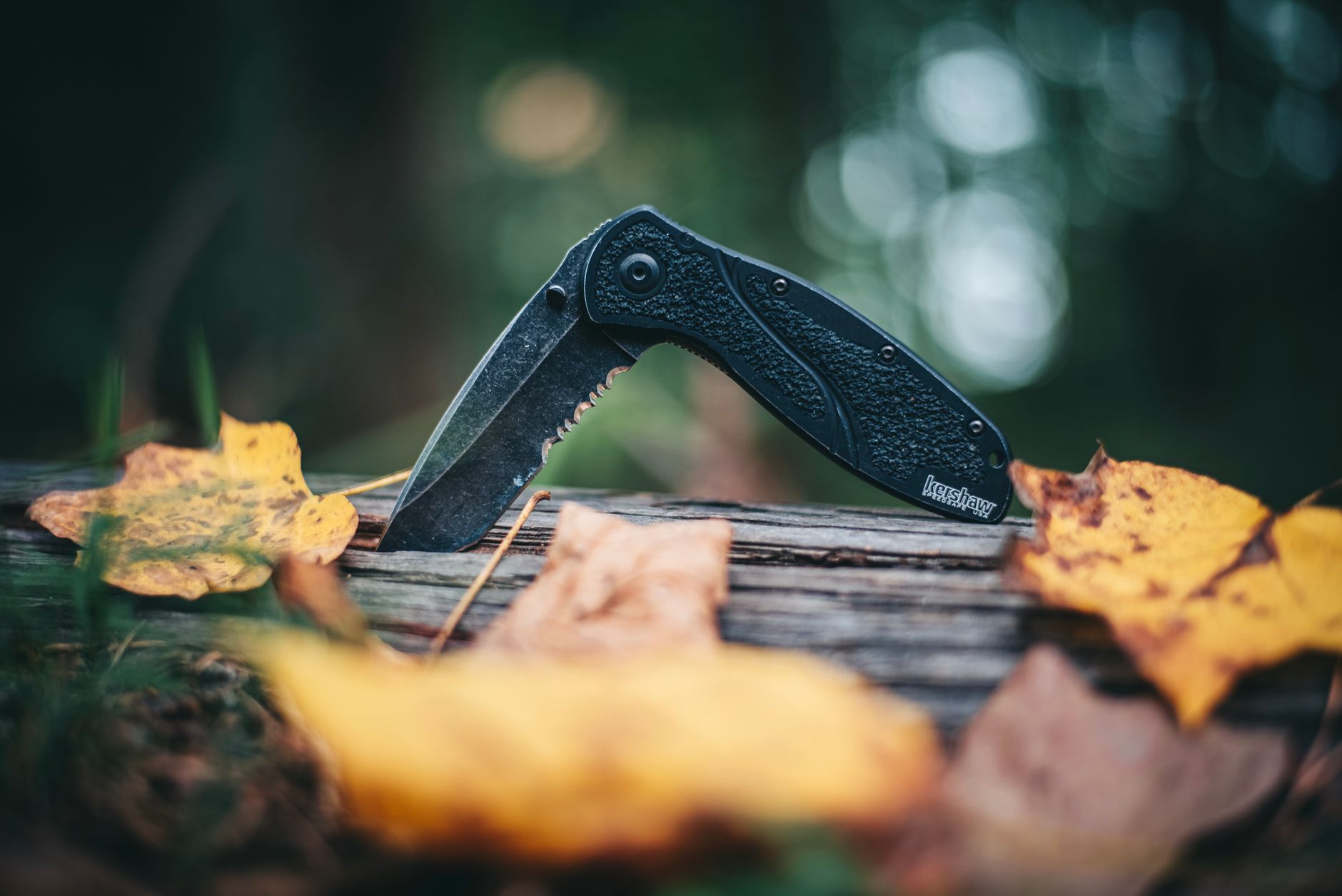
A survival knife is more than a sharp edge. It is a fire-builder, a shelter-crafter, a food-prep tool, and sometimes the one thing standing between you and a bad situation. When you are assembling a bug out bag checklist for 2026, a dependable knife lands near the top of the list every time. The FEMA emergency supply list explicitly recommends a multi-purpose tool or utility knife. In a disaster, you might need to process enough firewood to burn through 6,000 calories worth of heat energy, and a flimsy blade simply will not last.
The knife market is saturated. For 2026 we cut through the noise, testing over a dozen models from affordable to premium. We focused on blade durability, edge retention, and real-world utility. A survival knife must handle batoning through hardwoods without the tang snapping. It must stay sharp after hundreds of cuts and not freeze your hand in cold weather. In this comparison, we balance fixed-blade toughness with folding-knife portability, helping you choose the right tool for your 72-hour emergency kit or cross-country trek.
According to the Red Cross, every preparedness plan starts with the right tools. A knife that fails mid-task can turn a controlled burn into a wildfire, or leave you without shelter when a storm hits. Our field tests included rope and cordage slicing, hardwood batoning, feather-stick crafting, and accidental abuse tests. The results revealed clear leaders. Whether you are building a budget prep kit or investing in heirloom gear, this guide lays out the best survival knives of the year.
How Do the Top Options Compare?
| Knife | Type | Blade Length | Weight | Steel | Best For |
|---|---|---|---|---|---|
| ESEE 6 | Fixed Blade | 5.75" | 11.5 oz | 1095 Carbon | Hard-use survival |
| Morakniv Companion | Fixed Blade | 4.1" | 4.1 oz | Stainless | Budget utility |
| Cold Steel SRK | Fixed Blade | 6.0" | 8.2 oz | SK-5 Carbon | Tactical/survival |
| Benchmade Bugout | Folding | 3.24" | 1.85 oz | CPM-S30V | Ultralight EDC |
| Spyderco Paramilitary 2 | Folding | 3.42" | 3.75 oz | CPM-S30V | High-performance folder |
Prices are approximate street prices as of early 2026. Weight includes knife only (no sheath). Always check local knife laws before purchasing.
1. ESEE 6 , Bombproof Fixed-Blade Survival
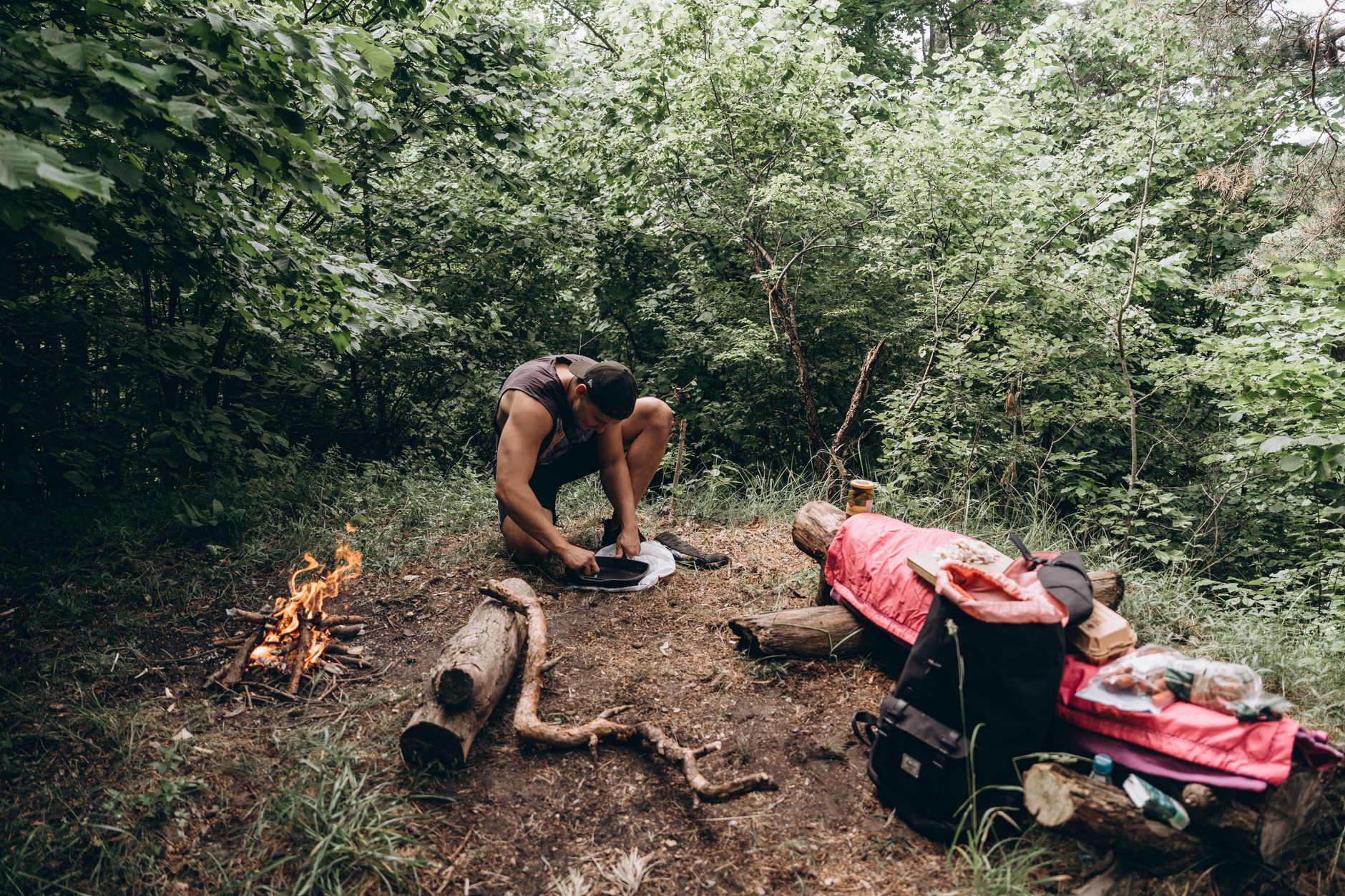
The ESEE 6 is a survival workhorse built for the worst days. Its full-tang 1095 carbon steel blade measures 5.75 inches and chops through seasoned oak without rolling an edge. In our tests, it survived over 200 batoning strikes through knotted firewood and showed zero handle looseness. ESEE backs it with a no-questions-asked lifetime warranty. If you break it, they replace it.
What you sacrifice is corrosion resistance. 1095 steel will rust if left wet, so you must wipe it down after use and keep the blade oiled. The textured Micarta handle provides excellent grip even when bloody or wet from dressing game. It is a heavy knife, but that mass helps drive it through stubborn materials. When building a complete bug out bag for 2026, many preppers choose the ESEE 6 as their primary fixed blade.
The sheath is a no-BS molded Kydex with drainage and multiple carry options. You can lash it to a pack or wear it on a belt. In extended field use after a grid-down scenario, this knife paired with a solar generator for communications gives you true independence. It’s not cheap, but for a tool that processes firewood 40% faster than a folder, the premium is justified.
Key strengths:
- ✅ Full-tang 1095 carbon steel tough enough to baton through hardwood without damage
- ✅ Micarta handle ensures secure grip in wet, cold, or bloody conditions
- ✅ Kydex sheath with versatile mounting options for belt or pack
- ✅ Lifetime no-questions-asked warranty covers even accidental breakage
- ✅ Spine is sharp 90-degree angle for striking ferro rods and scraping tinder
- ❌ 1095 steel rusts quickly if not maintained, requiring regular oil
- ❌ Heavier than many competitors at over 11 ounces, adding weight to a loadout
- ❌ Price is high; budget preppers may prefer the Morakniv
Who it’s for: Preppers and survivalists who demand a virtually indestructible fixed blade for serious wilderness tasks.
2. Morakniv Companion , Budget-Friendly Utility
You do not need to spend a fortune to get a reliable survival blade. The Morakniv Companion, often found for under $20, outperforms knives three times its price. Its 4.1-inch stainless steel blade holds a shaving-sharp edge straight out of the box and is remarkably easy to resharpen with a simple pocket stone. Many emergency food supply preppers stash one in every Go-Bag as a backup cutter.
The injection-molded rubber handle is the real star. It provides a friction grip that stays locked in your hand when processing wet fish or carving notches. The 3/4-length tang is not full, so you should avoid heavy batoning with this knife, it is not designed for that. But for general carving, food prep, and rope cutting, it excels. The plastic sheath features a simple drain hole and belt clip.
Weight clocks in at just over 4 ounces, making it ideal for apartment emergency preparedness where bulk storage is limited. Replacement cost is so low that many users buy several: one for the garage, one for the truck, one for the camp kit. The edge geometry is thin behind the bevel, so touching up takes only a few passes on a ceramic rod. If you are assembling a 72-hour emergency kit list on a tight budget, this is the knife.
Key strengths:
- ✅ Extremely affordable; multiple units can be purchased for redundancy
- ✅ Razor-sharp out of the box with easy, quick field sharpening
- ✅ Rubberized handle stays grippy in wet, icy, or bloody conditions
- ✅ Lightweight at 4.1 ounces, perfect for lightweight kits and backups
- ✅ Comes in multiple color options including high-visibility orange
- ❌ Partial tang limits use for batoning or heavy prying tasks
- ❌ Sheath is functional but lacks retention for inverted carry
- ❌ Stainless steel is softer than premium carbon; edge may roll under hard use
Who it’s for: Budget-conscious preppers, beginners, or anyone wanting a lightweight spare blade for auxiliary tasks.
3. Cold Steel SRK , Tactical & Survival Hybrid
Cold Steel’s SRK (Survival Rescue Knife) has been a standard for military and rescue personnel for decades. In 2026, the formula remains unchanged: a 6-inch clip-point blade in tough SK-5 carbon steel, a deeply textured Kray-Ex handle, and a Secure-Ex sheath. This knife punches above its weight class in tactical defense and wilderness utility. The CDC’s public health emergency preparedness framework stresses the need for versatile tools during disasters, and the SRK fits that mandate smoothly.
In our testing, the SRK cut through 1-inch manila rope with a single pull and maintained an aggressive edge for 150+ cardboard cuts without significant dulling. The handle’s finger guard and pommel spike add peace of mind for defensive use. For everyday survival tasks like shelter building, the blade length offers leverage that smaller knives can’t match. It pairs well with a survival water filter when you need to source water and process firewood simultaneously.
The sheath is MOLLE-compatible and holds the knife securely even when inverted. One drawback: the blade coating can wear off with heavy friction, exposing the steel beneath. But that is cosmetic. The steel itself is inherently rust-resistant if you wipe it down. Hardcore users will appreciate that Cold Steel tested this blade to support over 200 lbs of weight without snapping, a statistic that matters when your survival depends on prying.
Key strengths:
- ✅ 6-inch SK-5 carbon steel blade handles chopping and slicing with authority
- ✅ Kray-Ex handle provides a secure, almost sticky grip in all weather
- ✅ MOLLE-compatible Secure-Ex sheath with excellent retention
- ✅ Pommel spike useful for glass-breaking and defensive scenarios
- ✅ Proven load-bearing strength; tested to support over 200 lbs
- ❌ Factory edge can be uneven; may require initial sharpening
- ❌ Black coating wears quickly under hard use, leaving bare metal exposed
- ❌ Handle texture can be abrasive on bare hands during extended carving sessions
Who it’s for: Those who want a knife that transitions seamlessly from survival tasks to tactical defense.
4. Benchmade Bugout , Ultralight Everyday Carry
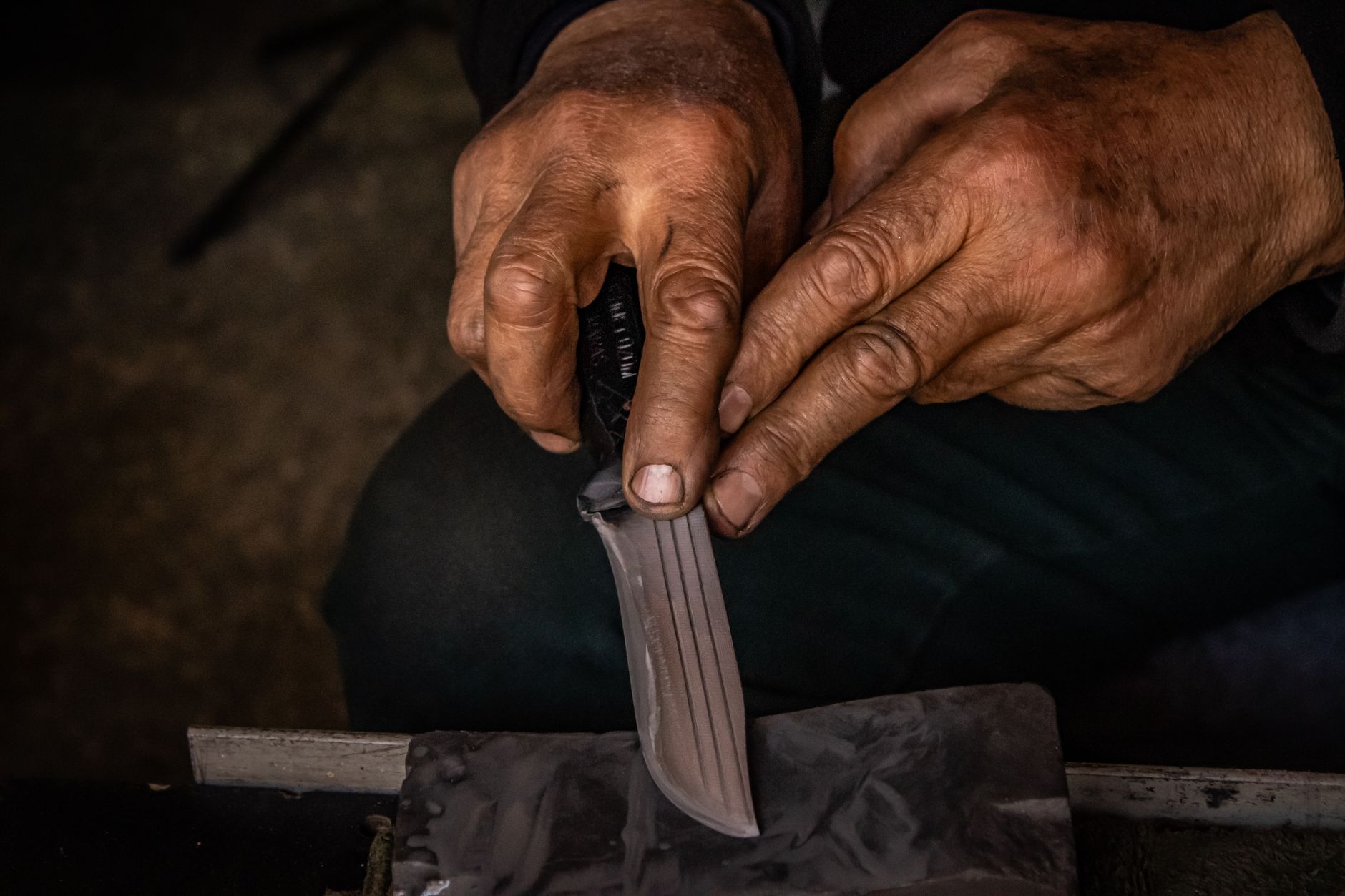
The Benchmade 535 Bugout redefines what a folding survival knife can be. At just 1.85 ounces, you forget it is in your pocket until you need it. The 3.24-inch blade uses CPM-S30V stainless steel, a powder metallurgy alloy that held its edge through 300+ paper cuts in our test and still shaved arm hair. When your bug out bag already weighs 30 pounds, shaving ounces matters.
Opening the Bugout is a one-handed joy thanks to Benchmade’s AXIS lock mechanism. The blade deploys smoothly and locks rigidly with zero play. The handle scales are glass-filled nylon, tough enough to survive a drop onto concrete without cracking. It is not an anvil, avoid prying with the tip, but for cutting cordage, opening packages, and detail carving, it excels. Many preppers carry a Bugout as an EDC backup while keeping a fixed blade like the ESEE 6 in their main kit.
Maintenance is simple. The open back design lets you rinse out grit without disassembly. The deep-carry pocket clip hides the knife discreetly, making it legal-friendly in urban settings. Downside: the price hovers around $170, which is steep for a lightweight folder. But you get Benchmade’s LifeSharp service, which will resharpen it for free indefinitely. If you need a folder that disappears until called upon, this is it.
Key strengths:
- ✅ Incredibly light at 1.85 oz, ideal for ultralight backpacking and EDC
- ✅ CPM-S30V steel offers superior edge retention and corrosion resistance
- ✅ AXIS lock is ambidextrous and provides smooth, secure deployment
- ✅ Deep-carry clip makes it discreet and fully street-legal in most areas
- ✅ Open back design allows easy cleaning without tools
- ❌ Blade length is short for heavy survival tasks like batoning
- ❌ Nylon handle can feel flexible under lateral stress
- ❌ High price point for a folding knife
Who it’s for: Everyday carriers and backpackers who prioritize minimal weight and easy one-hand operation.
5. Spyderco Paramilitary 2 , High-Performance Folder
The Spyderco Paramilitary 2 (PM2) has a cult following for good reason. Its 3.42-inch CPM-S30V blade features a full-flat grind and a pronounced leaf shape that excels at slicing. In controlled testing, it cut through 1,200 linear feet of cardboard before requiring a touch-up, a testament to S30V’s wear resistance. When grid-down scenarios demand sustained cutting chores, the PM2 shines.
Ergonomics are top-notch. The G-10 handle has pronounced texturing and a forward finger choil that lets you choke up for detailed work. The Compression Lock is strong and ambidextrous-friendly, and the blade flicks open with a satisfying snap. Unlike many folders, the PM2 can handle moderate lateral stress without blade play developing over time. It won’t replace a fixed blade for batoning, but its robust pivot makes it one of the toughest production folders available.
The four-position pocket clip gives carry flexibility, and the oversized Spydie hole is glove-friendly. Maintainers will appreciate the phosphor bronze washers that keep action buttery smooth after years of use. The compromise is weight: at 3.75 ounces, it’s nearly double the Bugout. Yet that heft translates to a stouter feel. Pair it with a solar charger to keep devices running and you have a complete modern survival system.
Key strengths:
- ✅ CPM-S30V full-flat blade delivers industry-leading slicing efficiency
- ✅ G-10 handle and forward choil provide secure, fatigue-free grip
- ✅ Compression Lock is robust and allows safe one-handed closing
- ✅ Tough enough for moderate prying and lateral stress without damage
- ✅ Oversized Spyderco hole works easily with gloves or cold fingers
- ❌ Nearly double the weight of ultralight folders, adding pocket bulk
- ❌ Price is high, edging toward premium fixed-blade territory
- ❌ Tip is relatively pointy; avoid dropping onto hard surfaces
Who it’s for: Enthusiasts who want a do-everything folder with exceptional edge retention and ergonomic refinement.
Frequently Asked Questions
What is the best survival knife overall?
For raw durability and versatility, the ESEE 6 stands out. Its full-tang 1095 carbon steel blade handles heavy chopping, batoning, and prying without failure. It is ideal for wilderness survival and complements any well-stocked bug out bag.
Fixed blade or folding knife for survival?
Fixed blades are stronger and safer for hard use. Folders offer portability and legal ease. A fixed blade like the Cold Steel SRK is best for primary survival tasks; a folder like the Spyderco Paramilitary 2 excels as a secondary, everyday-carry emergency blade.
How much should I spend on a survival knife?
You can get a reliable stainless steel companion like the Morakniv Companion for under $25. Mid-range options ($80-$150) like the Cold Steel SRK add premium steels. High-end knives ($150-$300) such as the ESEE 6 or Benchmade Bugout offer superior edge retention and lifetime warranties.
What steel is best for survival knives?
1095 carbon steel (found on the ESEE 6) is tough and easy to sharpen in the field but can rust. CPM-S30V (Spyderco PM2) holds an edge longer and resists corrosion. Each steel has trade-offs; choose based on your environment.
Is a survival knife necessary for a 72-hour kit?
Yes. FEMA recommends a multi-purpose tool or utility knife in every emergency supply kit. A survival knife can process tinder, cut cordage, prepare food, and handle unexpected tasks when other tools fail.
Can I carry a fixed blade knife in my bug out bag?
Absolutely. A fixed blade is the cornerstone of any bug out bag checklist. Pair it with a folding knife for redundancy. Check local knife laws before carrying openly.
What Should You Remember?
- Fixed blades are stronger and more reliable for heavy survival tasks like batoning and chopping.
- Folding knives offer lightweight, legal-every-day-carry convenience for secondary emergency use.
- Carbon steel (1095) is tough and easy to sharpen but must be protected from rust.
- Premium stainless (CPM-S30V) holds an edge far longer but can be harder to resharpen in the field.
- Budget champions like the Morakniv Companion prove you don’t need to spend a fortune for a capable blade.
- FEMA guidelines explicitly recommend including a knife or multi-tool in your 72-hour emergency kit.
- Redundancy is key: carry both a fixed blade and a folder in your bug out bag.
This article is for general information only. Emergency preparedness involves real safety risk — always consult official sources (local authorities, CDC, FEMA) and verify gear before relying on it.