Emergency sleeping bags are one of those pieces of gear you hope stays at the bottom of your pack forever. They are also one of the cheapest ways to prevent a bad night from turning into a life-threatening situation. A mylar bivvy reflects up to 90 percent of your radiated body heat, which is why it can keep a shivering person stable while help is on the way. The 72-hour emergency kit guide treats shelter as a core layer, not an afterthought. If you live in a cold climate, drive mountain passes, or build a bag for urban evacuations, this layer deserves real attention.
Not all emergency sleeping bags work the same way. A basic aluminized polyethylene bag traps heat but also traps moisture, so you can wake up clammy and colder than before. Breathable bivvies use a laminate fabric that lets some vapor escape while still blocking wind and rain. That difference matters when you are inside the bag for six or eight hours instead of twenty minutes. The bug-out bag checklist for 2026 recommends matching shelter to your likely climate. A weekend hiker in Arizona needs a different bivvy than a commuter in Minnesota.
FEMA’s preparedness guidelines at Ready.gov call for a portable emergency kit with shelter, warmth, and communication tools. The American Red Cross makes similar recommendations for home, work, and vehicle kits. The CDC’s public health preparedness page notes that hypothermia can begin when core body temperature drops below 95 degrees Fahrenheit. That is not a remote risk. It can happen in fifty-degree rain if you are wet and exposed. An emergency sleeping bag buys time, and time is the entire point of preparedness.
We compared five emergency sleeping bags that are easy to find, widely reviewed, and suited to different jobs. We looked at heat retention, breathability, packed size, weight, durability, and how each bag performs in a car kit, a bug-out bag, or a backpack. We did not rank them by price alone because a bag that fails in wind is not a bargain. The budget emergency preparedness guide explains how to build layers without wasting money. This comparison gives you the trade-offs so you can pick the right bivvy for your actual risks.
How Do the Top Options Compare?
| Product | Best For | Weight | Heat Retention | Breathability | Check Price |
|---|---|---|---|---|---|
| SOL Emergency Bivvy | Best overall compact bivvy | 3.8 oz | Reflects up to 90% body heat | Low | Check price |
| SOL Escape Bivvy | Best breathable bivvy | 8.5 oz | Reflects heat with breathable fabric | High | Check price |
| Go Time Gear Life Bivvy | Best ultralight backup | 4.7 oz | Mylar heat reflection | Low | Check price |
| Esky Emergency Sleeping Bag 2-Pack | Best budget two-person kit | About 4 oz each | Mylar heat reflection | Low | Check price |
| Swiss Safe Emergency Sleeping Bag | Best for car kits | About 4.5 oz | Mylar heat reflection | Low | Check price |
Weights are approximate manufacturer specs and can vary by batch. No prices are listed because they change often. Check current pricing through the links above. This article is for information only and is not a substitute for hands-on cold weather training.
1. SOL Emergency Bivvy , Best overall compact bivvy
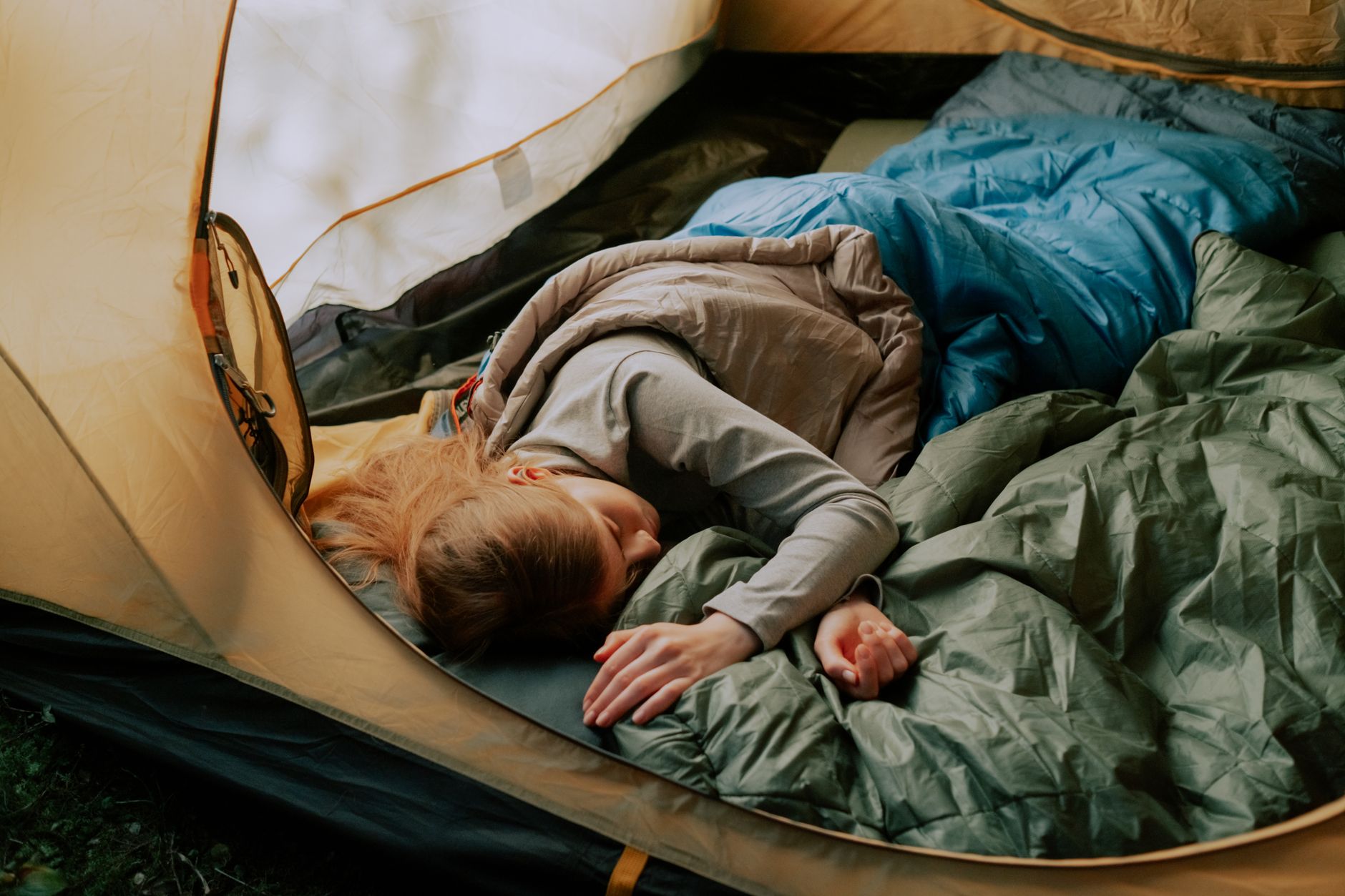
The SOL Emergency Bivvy is the bag I recommend first to anyone building a bug-out bag. It weighs 3.8 ounces, packs to roughly the size of a soda can, and uses a reflective mylar shell that bounces up to 90 percent of your body heat back at you. The bag is sealed on three sides with a drawstring hood, so it blocks wind and rain better than a flat emergency blanket. For a solo adult, it is long enough to cover you from head to shoulders, though taller users will feel the squeeze.
The trade-off is condensation. Mylar does not breathe, so after a few hours you may notice moisture inside the bag. That is manageable for a single night, especially if you vent the hood. The material is also thin. It will tear if you drag it across rocks or use it without a ground pad. Think of it as a survival layer, not a sleeping bag replacement. Check the SOL Emergency Bivvy on Amazon.
Key strengths:
- ✅ Reflects up to 90 percent of radiated body heat.
- ✅ Packs smaller than most breathable bivvies.
- ✅ Weighs only 3.8 ounces.
- ✅ Drawstring hood seals out wind and rain.
- ✅ Low cost for the protection it adds.
- ❌ Traps condensation inside the bag.
- ❌ Thin mylar tears on rough ground.
- ❌ Not a replacement for a real sleeping bag in freezing weather.
Who it’s for: Anyone who wants a proven, ultralight emergency bivvy for a bug-out bag or hiking pack.
2. SOL Escape Bivvy , Best breathable bivvy
The SOL Escape Bivvy is the upgrade pick for people who may spend a full night inside their shelter. It uses a breathable, reflective fabric that reduces condensation while still returning heat. At 8.5 ounces, it is heavier than pure mylar bags, but it feels more like a real bivvy and less like a foil wrapper. The zipper and hood make it easier to enter and vent. If you have ever woken up soaked in a cheap emergency blanket, the Escape solves that specific problem.
It is not cheap, and it is not indestructible. The fabric can still puncture, and the weight penalty matters for ultralight hikers. For a car kit, a power outage kit, or a cold-weather bug-out bag, the comfort and breathability are worth it. The power outage survival guide recommends keeping a warm sleep system even if you shelter in place. Check the SOL Escape Bivvy on Amazon.
Key strengths:
- ✅ Breathable fabric reduces condensation.
- ✅ Reflective interior retains heat.
- ✅ Zipper and hood make it easier to use.
- ✅ Reusable if handled carefully.
- ✅ Good for car kits and cold-weather bags.
- ❌ Heavier than mylar bags at 8.5 ounces.
- ❌ Costs more than basic emergency bivvies.
- ❌ Still vulnerable to punctures.
Who it’s for: Anyone who may sleep a full night in cold conditions and wants less condensation.
3. Go Time Gear Life Bivvy , Best ultralight backup
The Go Time Gear Life Bivvy is built for ultralight backup. It weighs about 4.7 ounces, includes a paracord drawstring, and packs into a small stuff sack. The reflective interior works like a standard mylar bivvy, reflecting body heat and blocking wind. The seams are reinforced with tape, which helps it survive more than one use if you are careful. It is a good choice for a hiking daypack or a minimalist get-home bag.
Breathability is low. You will get condensation on a long night. The bag is also narrow for broad-shouldered users. It works best as an emergency layer over your clothes, not as a standalone sleep system in freezing temperatures. Pair it with a foam pad and a wool layer. Check the Go Time Gear Life Bivvy on Amazon.
Key strengths:
- ✅ Very light at about 4.7 ounces.
- ✅ Reinforced seams for limited reuse.
- ✅ Includes paracord drawstring.
- ✅ Compact enough for a daypack.
- ✅ Blocks wind and reflects heat.
- ❌ Low breathability causes condensation.
- ❌ Narrow fit for larger users.
- ❌ Not warm enough alone in deep cold.
Who it’s for: Ultralight hikers and minimalists who need a tiny backup shelter.
4. Esky Emergency Sleeping Bag 2-Pack , Best budget two-person kit
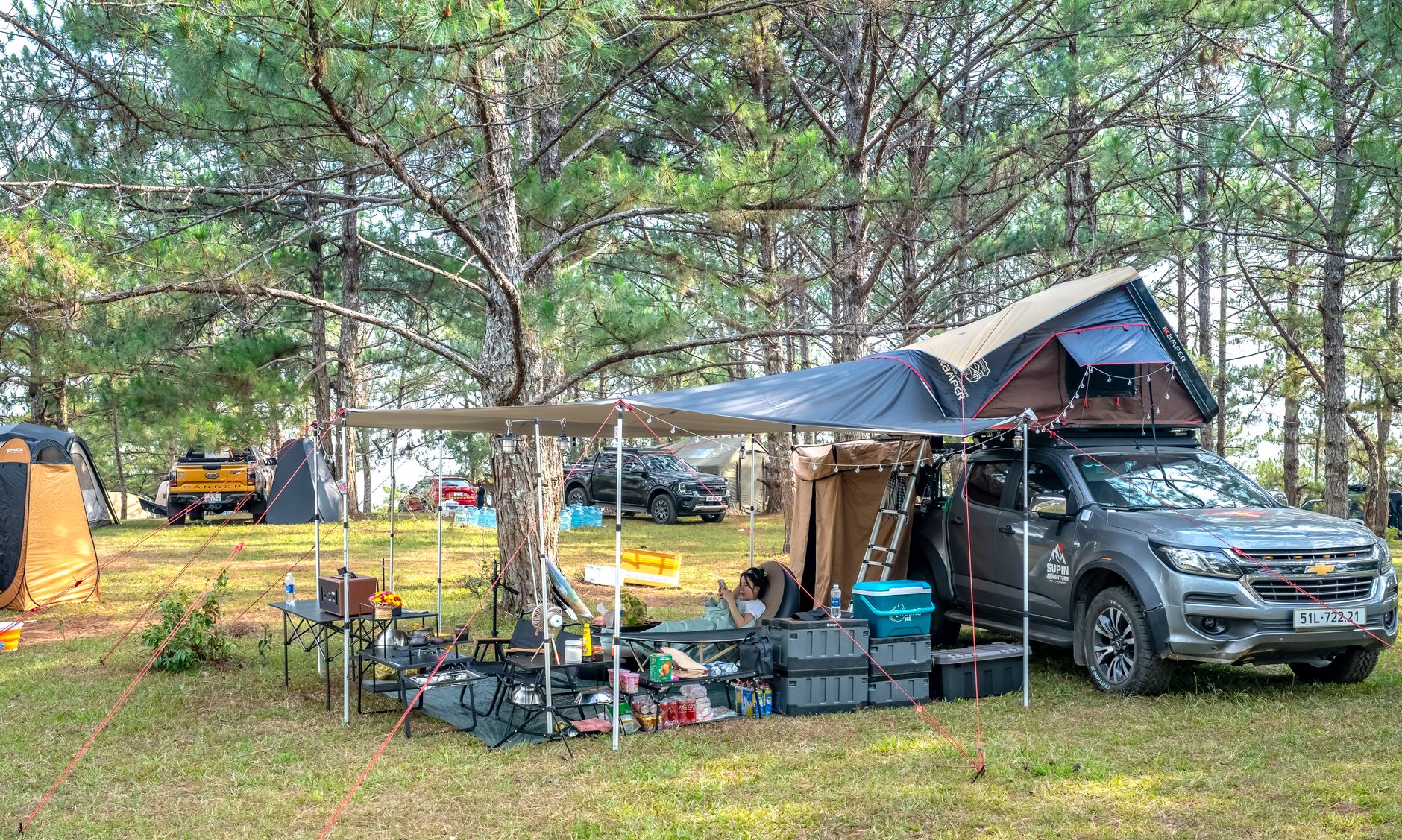
The Esky Emergency Sleeping Bag comes as a two-pack, which makes it a practical choice for couples, families, or one bag for the car and one for the house. Each bag is light, compact, and made from aluminized mylar. It reflects heat, blocks wind, and costs less than most single breathable bivvies. For a basic 72-hour kit, it covers the shelter layer without much weight or space.
The downside is durability. These are disposable-grade bags. The material tears easily, the zipper is basic, and condensation is heavy. They are not designed for repeated trips. That is fine if you treat them as emergency supplies. The winter car survival kit is one of the best places for a two-pack because you can keep one in the trunk and one in a passenger bag.
Key strengths:
- ✅ Two bags for a lower cost than most single bivvies.
- ✅ Light and compact for 72-hour kits.
- ✅ Reflects heat and blocks wind.
- ✅ Easy to store in multiple locations.
- ✅ Good for families or couples.
- ❌ Disposable-grade durability.
- ❌ Heavy condensation inside.
- ❌ Basic zipper and thin material.
Who it’s for: Families, couples, or preppers who want two basic bags for cars and kits.
5. Swiss Safe Emergency Sleeping Bag , Best for car kits
The Swiss Safe Emergency Sleeping Bag is a straightforward mylar bivvy sold for car kits, camping backups, and emergency shelters. It reflects body heat, blocks rain and wind, and packs down small enough to store in a glovebox or door pocket. The bag is longer than some budget options, so it fits taller users better. The bright orange exterior makes you easier to spot in a roadside emergency.
Like every mylar bag, it traps moisture and tears if abused. The included stuff sack is thin, and the seams are not reinforced for heavy use. It is a one-night tool. Keep it out of direct sun for long storage because UV light degrades the material. For a commuter or a family that wants cheap car protection, it does the job.
Key strengths:
- ✅ Longer fit helps taller users.
- ✅ Bright orange exterior improves visibility.
- ✅ Packs small for glovebox or door pocket.
- ✅ Reflects heat and blocks rain.
- ✅ Simple to use with no setup.
- ❌ Traps moisture like all mylar bags.
- ❌ Thin material tears on rocks or branches.
- ❌ Not designed for repeated use.
Who it’s for: Commuters and drivers who want a cheap, visible emergency bag for the car.
Frequently Asked Questions
Are emergency sleeping bags reusable?
Mylar bags are mostly one-use items. Breathable bivvies like the SOL Escape can be reused several times if you handle them carefully and avoid punctures.
How much warmer is an emergency sleeping bag?
It does not add a fixed temperature rating like a sleeping bag. It reflects up to 90 percent of radiated body heat and blocks wind, which can make a 40-degree night survivable instead of dangerous.
Can I use an emergency sleeping bag in a tent?
Yes. It works as a vapor barrier and warmth layer inside a tent. Vent the hood if you can, because condensation will build up overnight.
What is the best emergency sleeping bag for a car?
The Swiss Safe Emergency Sleeping Bag is a good car choice because it is inexpensive, compact, and bright orange. The Esky two-pack is also practical if you want one for each vehicle.
Do emergency sleeping bags expire?
The material can degrade over time, especially with heat and UV exposure. Check stored bags every year for cracks, sticky spots, or tears.
How does FEMA recommend preparing for cold emergencies?
FEMA’s Ready.gov guidance recommends building a kit with warm clothing, blankets, and shelter items. An emergency sleeping bag fits that layer and takes up little space.
What Should You Remember?
- Match the bag to the job: Use a light mylar bivvy for a bug-out bag and a breathable bivvy for full nights.
- Heat reflection matters: Mylar bags can reflect up to 90 percent of radiated body heat.
- Condensation is the main trade-off: Non-breathable bags keep you warm but can leave you damp.
- Two is better than one for vehicles: A two-pack lets you keep shelter in more than one place.
- Check gear yearly: Mylar degrades with heat and UV exposure, so inspect bags before each season.
- Pair with a ground pad: An emergency bag loses heat to cold ground without insulation underneath.
- Follow official guidance: FEMA and the Red Cross recommend shelter and warmth in every emergency kit.
This article is for general information only. Emergency preparedness involves real safety risk , always consult official sources (local authorities, CDC, FEMA) and verify gear before relying on it.