A long-term power outage is not just an inconvenience. It can paralyze water treatment plants, cut off communications, and leave families vulnerable for weeks. The aging U.S. electrical grid faces mounting threats from extreme weather, cyberattacks, and physical strain. According to FEMA, 60% of Americans have not practiced any emergency drills, and many lack basic supplies. A grid-down scenario, whether caused by a hurricane, EMP, or cascading infrastructure failure, demands a different mindset than a short blackout. You must plan for no resupply, no tap water, and no 911 response.
Average power outage durations have more than doubled in the past decade. The U.S. Energy Information Administration found that the typical outage lasted 7.3 hours in 2020, but major events can stretch for days or weeks. After Hurricane Maria, some Puerto Rico residents went without electricity for nearly a year. A grid-down crisis can disrupt fuel deliveries, disable ATMs, and empty grocery store shelves within 48 hours. Those who anticipate this reality and stockpile essentials can ride out the chaos while others scramble.
This guide draws on protocols from the CDC, FEMA, and the Red Cross. It gives you a step-by-step framework for immediate action, water security, food preservation, power generation, and safety. You will also find practical gear recommendations and links to in-depth resources. The goal is to help you stay self-sufficient when the lights go out for good.
How Long Can a Grid-Down Event Last?
Many people underestimate how long a blackout can persist. While the national average hovers around a few hours, truly catastrophic events can knock out power for 10 to 14 days or more. During the 2021 Texas winter storm, millions were without electricity for over three days in freezing temperatures. The North American Electric Reliability Corporation has warned that some regions face elevated risks of prolonged outages due to extreme weather. A coordinated cyberattack on the grid could paralyze entire regions for weeks. When the grid collapses, fuel supply chains halt, repair crews are overwhelmed, and priority goes to critical infrastructure. Your household must be ready for at least a two-week isolation period.
Understanding the scope helps you calibrate your preparations. Short-term blackouts require a 72-hour emergency kit, but a true grid-down event demands a robust food storage plan and independent water treatment. Without electricity, municipal water pumps may fail, causing contamination. Sewage treatment can back up. If you rely on well water, the electric pump stops. Plan for the worst timeline. The Red Cross suggests keeping supplies for a minimum of two weeks. Having a 2-week food supply is the baseline. Modern life has not experienced a nationwide blackout, but localized disasters show the fragility of our systems.
- A major grid failure could disable cell towers, ATMs, and gas stations for 14 days.
- The average U.S. power outage duration increased from 3.5 hours in 2013 to 7.3 hours in 2020.
- FEMA recommends storing at least two weeks of food and water.
What Should You Do Immediately When the Power Goes Out?
The first moments of a blackout are critical. Stay calm and check on family members. Unplug sensitive electronics to prevent surge damage when power returns. Switch on a battery-powered or hand-crank radio to follow official updates. The NOAA Weather Radio network provides continuous information even when the internet is down. If you have a portable solar generator, set it up to charge communication devices. Never use gas-powered generators, camping stoves, or charcoal grills indoors. Carbon monoxide poisoning spikes during outages. The CDC reports that hundreds of deaths occur annually from improper generator use.
Activate your family’s emergency plan. Grab your bug-out bag if evacuation seems necessary, but in most grid-down scenarios, sheltering in place is safer. Check your pre-staged supplies: water, non-perishable food, flashlights, and a hand-crank emergency radio. Turn off all major appliances at the breaker box to reduce the load when power returns. Keep the refrigerator and freezer doors closed. According to USDA guidelines, a closed refrigerator keeps food safe for about 4 hours; a full freezer for up to 48 hours. Limit opening them to preserve cold air. Consume perishable items first, then switch to stored goods.
Review your neighborhood watch or mutual aid network. Long-term blackouts increase crime risk. Stay low-profile, keep doors locked, and avoid advertising your supplies. If you have a security system, confirm its battery backup. Charge all devices while you can. The first 24 hours set the tone for your survival.
How Do You Secure Water in a Long-Term Blackout?
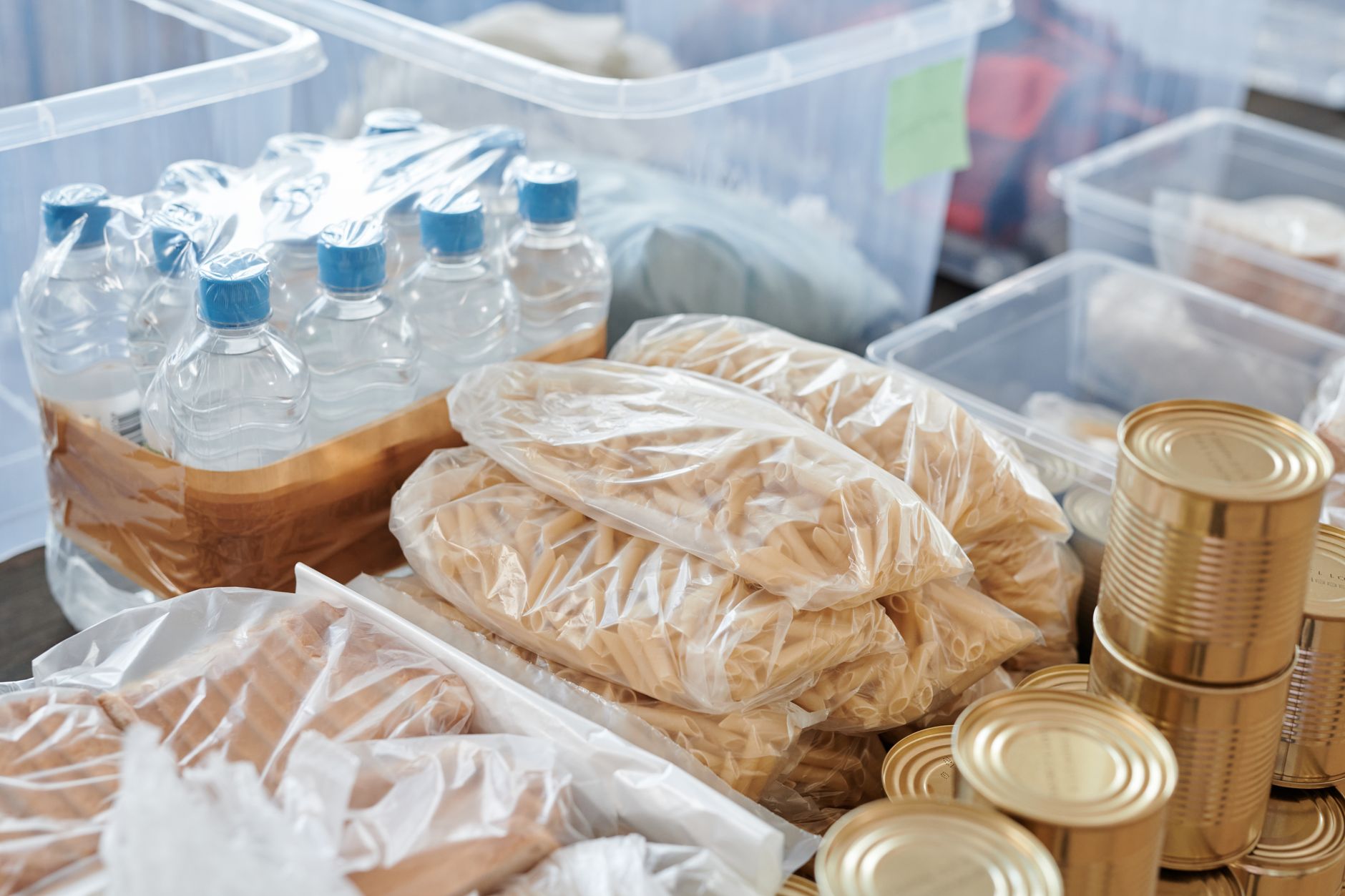
Water is your most critical resource. The human body cannot survive more than three days without it, and dehydration weakens decision-making. FEMA advises storing at least one gallon per person per day for two weeks. For a family of four, that equals 56 gallons. Start with a reliable water storage calculator, like the one in our how much water to store guide. Use food-grade containers and rotate them every six months. During a blackout, tap water may become unsafe. Municipal systems rely on electric pumps and treatment chemicals. When pressure drops, contaminants enter the pipes.
If you have not stored enough, you must purify available water sources. Boiling is effective but requires fuel. Better options include powerful water filters or purification tablets. Our detailed water purification methods article covers everything from ceramic filters to ultraviolet light pens. For a long-term outage, gravity-fed filters like the Berkey or field-ready pumps like the MSR Guardian work well. Always reserve at least one unopened water supply for immediate drinking. The CDC’s emergency preparedness resources remind us that waterborne diseases become a major threat after infrastructure collapses. A 2023 Ready.gov survey found that only 54% of Americans have stored emergency water. Don’t be in the unprepared majority.
Also consider hidden water sources: water heaters can yield 30 to 50 gallons if you drain them safely. Melting ice cubes or draining pipes can extend your supply. Treat all gathered water before drinking. In a long-term scenario, set up rainwater collection or locate a natural spring. Being able to produce clean water independently is a cornerstone of grid-down survival.
- Your water heater holds up to 50 gallons of potable water in a pinch.
- Boiling water for 1 minute kills bacteria, but it consumes valuable fuel.
- Gravity filters process water without electricity.
What Are the Best Food Strategies During an Extended Outage?
Food security in a blackout requires careful planning. Start by evaluating what is in your refrigerator and freezer. The USDA recommends keeping appliance thermometers. Discard any food that has been above 40°F for two hours. Eat fresh items first, then frozen items as they thaw. Never taste food to determine if it is safe; when in doubt, throw it out. Once the initial supply runs out, you must rely on a long-term reserve.
Build a deep pantry with shelf-stable staples: rice, beans, canned meats, pasta, and freeze-dried meals. A 2-week food supply guide helps you calculate calories per day. For extended events, consider a 3-month food supply or even a year’s worth. The best emergency food supply includes a mix of bulk grains and just-add-water entrees. Check out our best emergency food supply picks for 2026 for top-rated kits. Cooking without electricity poses challenges. A camp stove, rocket stove, or solar oven lets you prepare hot meals safely outdoors. Always operate flame-based devices in a well-ventilated area away from flammable materials.
Stock comfort foods and a manual can opener. Stress during a crisis can suppress appetite, so familiar meals boost morale. If you have a garden, even better. A survival garden provides fresh vitamins when grocery stores are closed. The key is to rotate stocks using the first-in, first-out method. Label everything with purchase dates. Without power, a sense of normalcy around mealtime keeps spirits high.
- A full freezer stays safe for 48 hours if unopened.
- Canned foods can last 2 to 5 years past their printed dates.
- A butane camp stove is a compact backup for apartment dwellers.
How Can You Generate Power and Stay Connected?
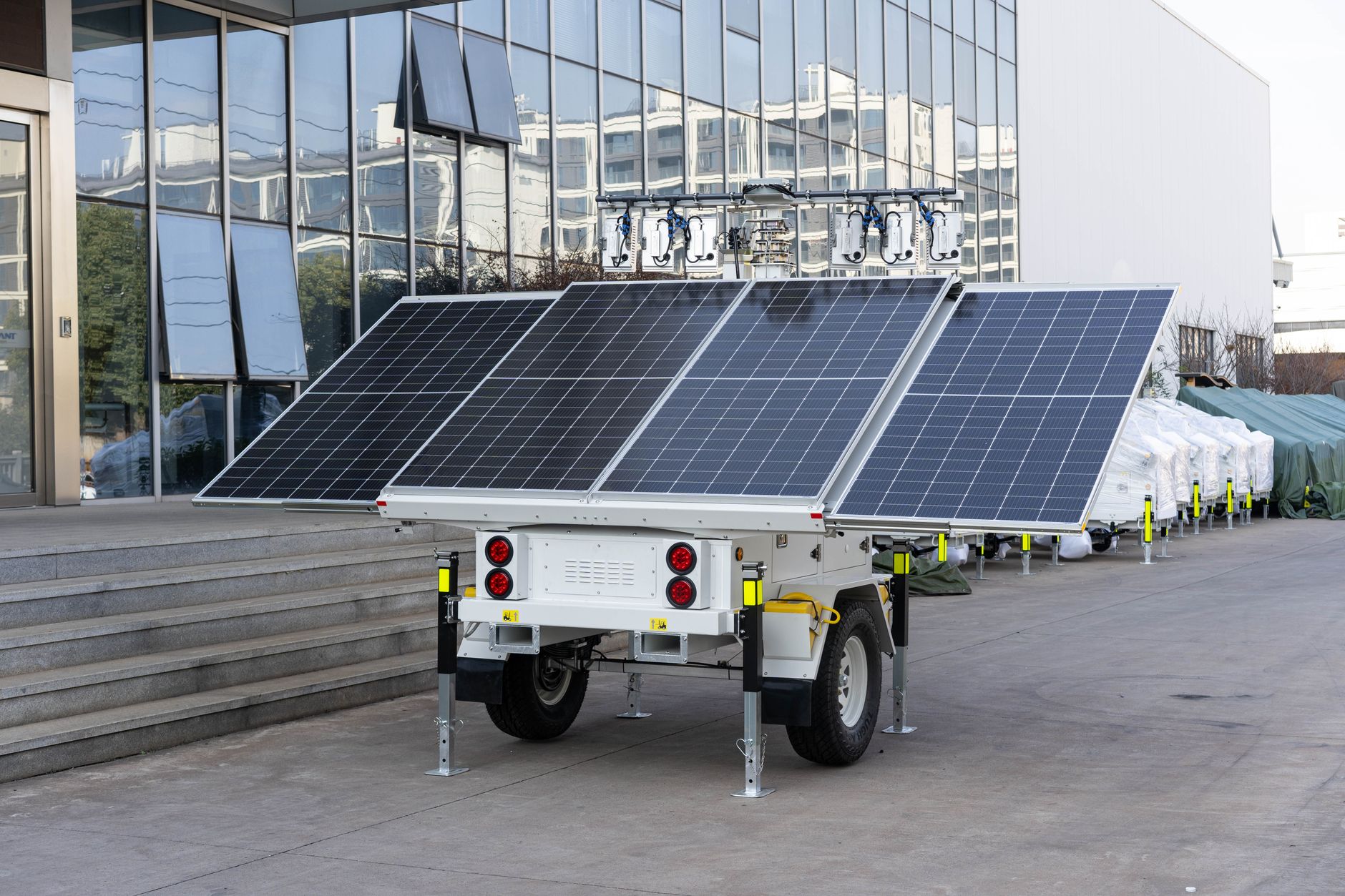
Off-grid electricity changes the game. While a whole-house backup generator is ideal, fuel shortages can cripple it. A solar generator paired with portable panels offers silent, renewable power. Our best solar generators guide ranks units by capacity and portability. They keep cell phones, medical devices, and lights running. Even a small unit can power a radio and charge critical gear. Combine it with a folding solar blanket for endless recharging. For communication, a hand-crank emergency radio with NOAA bands is essential. It operates without any grid dependency.
Protecting electronics from an electromagnetic pulse (EMP) is a prudent step. While the odds of an EMP attack are debated, a solar flare is a real risk. A Faraday cage can shield backup radios, solar charge controllers, and spare phones. Learn how to build a Faraday cage using simple materials. Also preserve information: store survival guides, maps, and medical references on a tablet inside a shielded case. Power generation is only half the battle. You must also conserve energy. Swap incandescent bulbs for LED lanterns, use rechargeable batteries, and ration power for priority tasks. A family of four can manage with a 500-watt solar system if usage is thrifty.
Consider alternative sources like bicycle generators or small wind turbines if you have the space. The goal is to remain hidden from noise and light at night while staying informed. Neighbors without supplies may become curious or desperate. Operate your devices discreetly. A well-prepared household can maintain a near-normal rhythm even after the grid goes silent.
- A 100W solar panel can recharge a portable power station in 6 to 8 hours of good sun.
- Unplug solar generators when not in use to avoid phantom drain.
- EMP-hardened bags protect small electronics for under $30.
How Do You Stay Safe and Handle Medical Needs?
Security, sanitation, and health become top priorities without functioning emergency services. First aid skills are non-negotiable. Stock a comprehensive kit with tourniquets, clotting agents, and wound care supplies. Our guide to the best survival first aid kits covers options from basic to tactical. The CDC stresses that chronic disease management must continue during a disaster. If someone relies on powered medical equipment, a solar battery backup is vital. Have at least a 30-day supply of prescription medications, rotated regularly. Talk to your doctor about emergency prescribing.
Hygiene prevents disease. Without running water, use hand sanitizer, wet wipes, and a bucket toilet system. Keep a supply of bleach for water purification and surface disinfection. The Red Cross recommends one gallon of unscented bleach per household for emergencies. Manage waste carefully. Dig a latrine far from water sources if plumbing is inoperable. A simple 5-gallon bucket with a toilet seat lid and heavy-duty bags works for short periods.
Physical security is often overlooked. A long-term blackout can increase break-ins. Reinforce door jambs, install motion-activated solar lights, and keep tools that can serve as defensive tools. But not brandishing them. Maintain a low profile. Organize your neighborhood to share skills and keep watch. A mutual aid network increases safety for everyone. Practice situational awareness and consider an off-grid alarm system, such as tripwire alerts. Your mental health also matters: dark, quiet isolation takes a toll. Keep board games, books, and a journal. Stay connected with your immediate household. Resilience is a social as well as physical resource.
- A manual breast pump is critical for nursing mothers when electricity fails.
- Keep a printed list of emergency contacts and medical information in your kit.
- Pets need their own food and water supply; figure them into your calculations.
Frequently Asked Questions
What is the difference between a blackout and a grid-down event?
A blackout is usually a temporary, localized power outage caused by storms or equipment failure. A grid-down event implies a large-scale, prolonged failure of the entire electrical infrastructure, possibly lasting weeks or months, with no external help arriving soon.
How much water do I really need per day?
FEMA recommends one gallon per person per day for drinking and basic hygiene. In hot climates or high activity, increase to two gallons. This does not include water for cooking or washing, which adds more.
Can I use my gas stove during a power outage?
Modern gas stoves often have electronic ignitions that won’t work without power, but you can light the burner with a match. Never use a gas oven or stove for heating the home; it poses a carbon monoxide risk.
How do I keep my medications cold?
Keep a cooler with ice packs ready. A portable solar generator can power a small 12V refrigerator. Alternatively, some medications can be stored at room temperature for limited periods; check with your pharmacist.
Should I bug in or bug out?
In a long-term grid-down scenario, sheltering in place is usually safer if your home is secure and you have supplies. Evacuation should happen only if the area is unsafe due to fire, flooding, or violence.
What if I have a generator?
Store plenty of fuel safely, and run the generator only as needed to conserve fuel. Always operate it outdoors, far from windows and doors, to avoid carbon monoxide poisoning. Maintain it well in advance.
What Should You Remember?
- Store at least two weeks of water (1 gallon per person per day) and rotate supplies every six months.
- Build a layered food stockpile that includes canned goods, freeze-dried meals, and a manual can opener.
- Invest in a solar generator and portable panels to keep communication and critical devices running.
- Never use a generator indoors and practice CO safety; follow CDC and FEMA guidelines strictly.
- Learn water purification methods beyond boiling, such as filters, tablets, and UV devices.
- Prepare a comprehensive first aid kit and a 30-day supply of prescriptions.
- Protect electronics from EMP threats with a simple Faraday cage and keep offline backups of vital documents.
This article is for general information only. Emergency preparedness involves real safety risk — always consult official sources (local authorities, CDC, FEMA) and verify gear before relying on it.