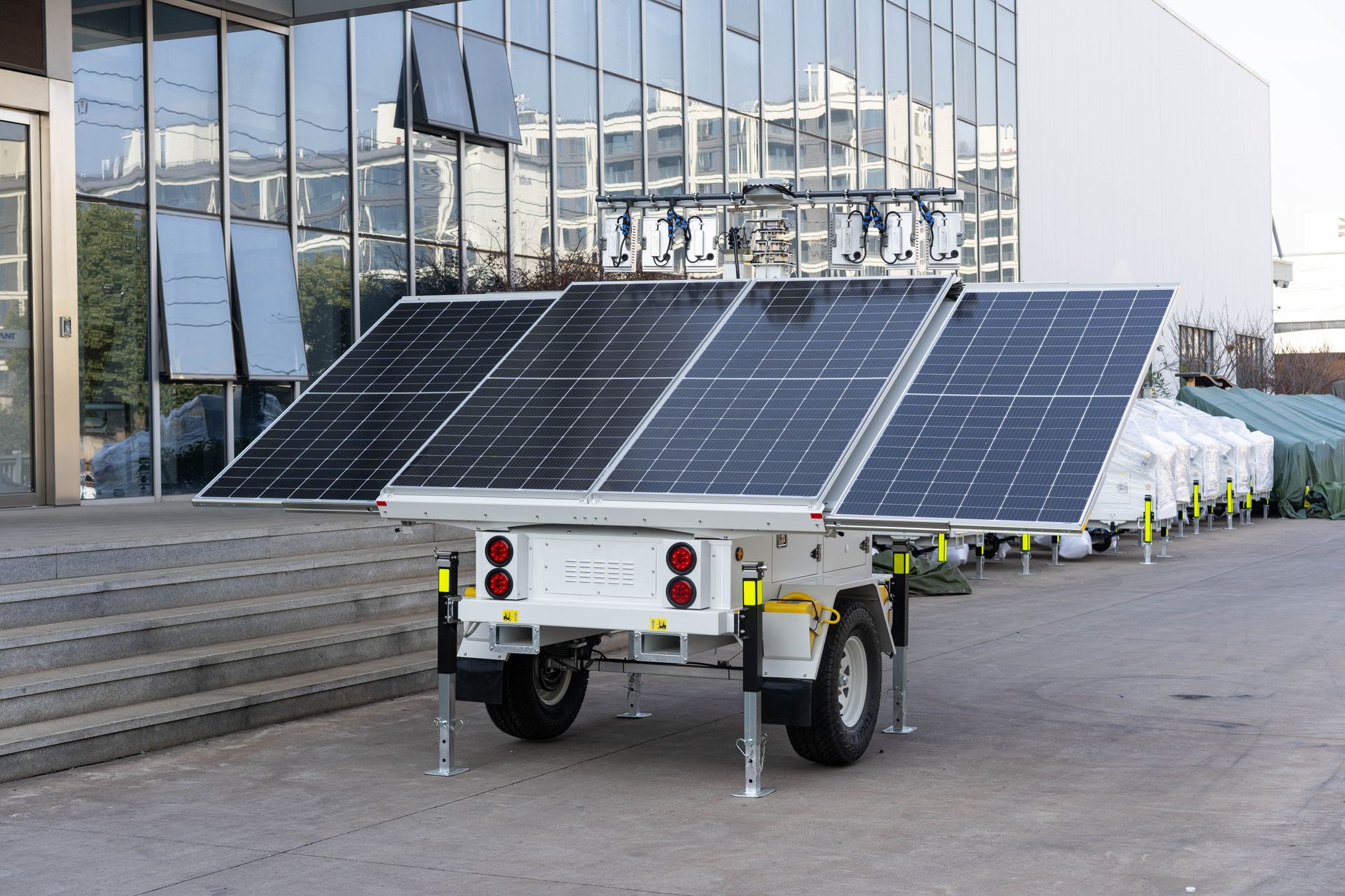
Most of us assume the lights will always come on. That assumption is becoming dangerous. According to NOAA, 2023 saw 28 separate billion-dollar weather disasters, and the U.S. Energy Information Administration reports the average household uses 29 kilowatt-hours of electricity daily. When the grid fails, refrigeration stops, pumps go silent, and medical devices run on borrowed time. A prolonged blackout threatens your entire food supply and can turn a home into an oven or freezer. Portable solar generators bridge that gap with stored energy that runs quietly, indoors, and without fuel. Our power outage survival guide explains why every household needs at least two independent backup sources.
Unlike gas generators, a solar power station produces no carbon monoxide, makes almost no noise, and never needs a fuel run. You can place it right next to your 72-hour emergency kit without cutting holes for exhaust. The Red Cross specifically recommends having a way to charge phones and keep medications cold during an extended outage. A 2-kilowatt-hour unit can keep a standard fridge (about 1.5 kWh per day) running for more than a day, saving hundreds of dollars in spoiled food. Pair it with a portable solar panel and you create a renewable loop that doesn’t depend on gasoline availability.
Choosing the right generator means balancing capacity, output weight, and expandability. We tested stations from 1 kWh to over 7 kWh, evaluating pure sine wave inverters, LiFePO4 battery chemistry, and how quickly MPPT charge controllers harvest sunlight. The FEMA preparedness guidelines stress having at least 72 hours of backup power for critical devices. For those hardening their homes against longer grid-down events, our grid down survival guide covers whole-house integration and transfer switches. Here are the top solar generators that earned our recommendation for 2026.
How Do the Top Options Compare?
| Model | Battery Capacity | Max AC Output | Weight | Solar Recharge Time | Approx. Price |
|---|---|---|---|---|---|
| EcoFlow Delta Pro Ultra | 7.2 kWh (expandable to 21.6 kWh) | 7200W (surge 14,400W) | 116 lbs | 4.5 hours (1600W solar) | $4,999 |
| Bluetti AC200L | 2.048 kWh | 2400W (surge 4800W) | 50.7 lbs | 2-3 hours (1200W solar) | $1,699 |
| Jackery Explorer 5000 Plus | 5.04 kWh (expandable to 10.08 kWh) | 5000W (surge 10,000W) | 85 lbs | 5 hours (2000W solar) | $3,999 |
| Goal Zero Yeti 6000X | 6.07 kWh | 2000W (surge 3500W) | 106 lbs | 6 hours (600W solar) | $4,999 |
| Anker SOLIX F3800 | 3.84 kWh (expandable to 7.68 kWh) | 3800W (surge 7600W) | 72 lbs | 2.5 hours (2400W solar) | $2,999 |
Prices are approximate as of early 2026. Solar recharge times assume ideal sun and the maximum recommended panel input. All models use LiFePO4 batteries.
1. EcoFlow Delta Pro Ultra , Best for Whole-Home Backup
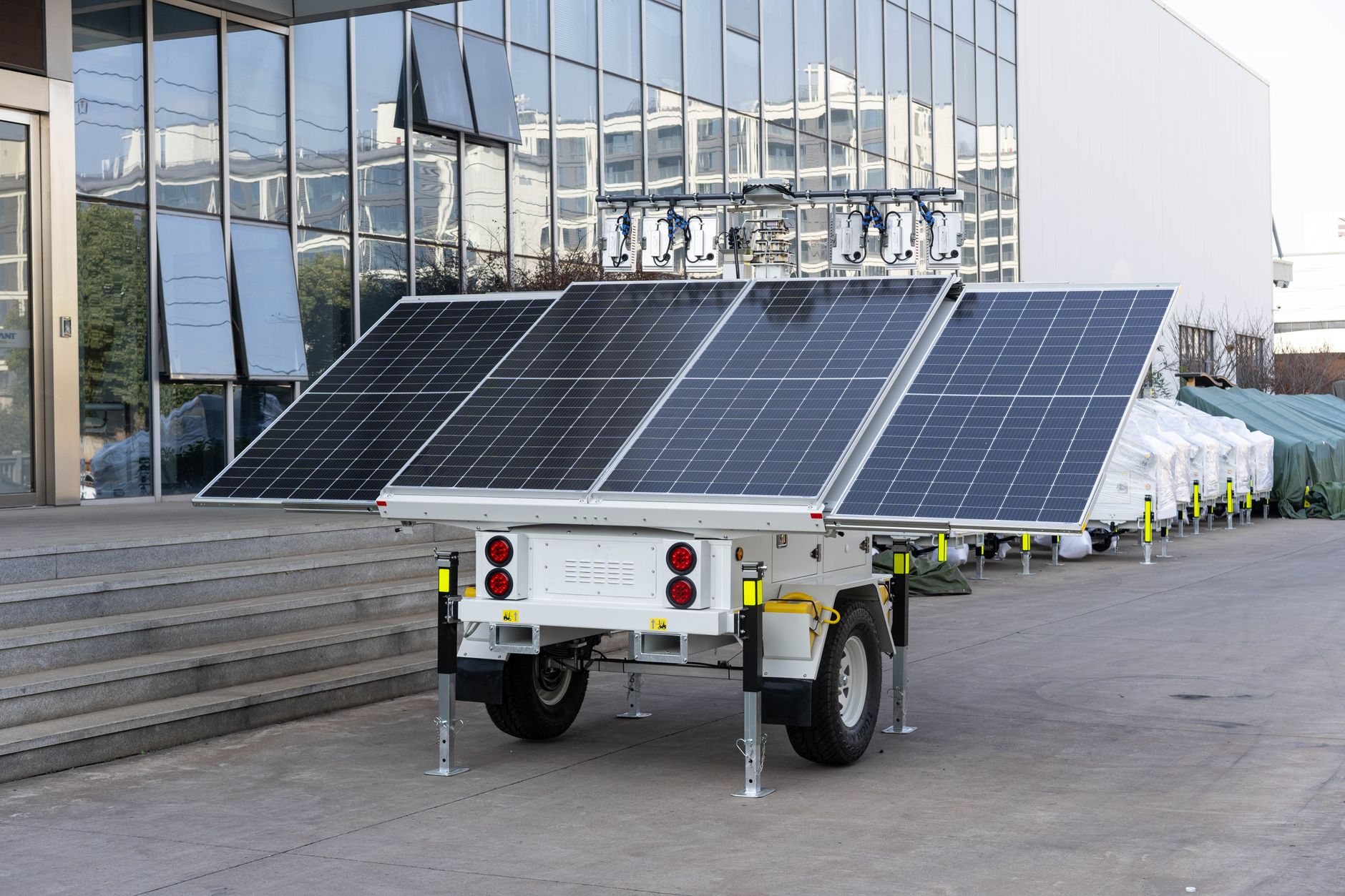
The EcoFlow Delta Pro Ultra sits at the top of the stack for a reason: it can back up an entire house. With 7.2 kWh of base storage and a massive 7200W inverter, it starts well pumps, runs a central air conditioner, and keeps a freezer humming without breaking a sweat. Stack up to three extra battery units and you reach 21.6 kWh, which covers the average daily household demand of 29 kWh with room to spare. A dual MPPT controller inhales 1600 watts of solar, refilling the tank in under five hours of good sun.
The unit’s 14 outlets include four 120V circuits and a 30A RV port, so you can plug in a transfer switch and power hard-wired circuits directly. The LiFePO4 cells are rated for 3500 cycles, long enough to last through a decade of nightly use. Despite the power, it weighs 116 pounds and has wheels, which makes garage-to-panel positioning manageable but not backpack-friendly. EcoFlow’s app shows energy flow in real time and lets you set charging limits to protect the battery during long storage.
Key strengths:
- ✅ Industry-leading capacity expandable to 21.6 kWh
- ✅ High output handles motor-starting surges up to 14,400W
- ✅ Fast 1600W solar input with dual MPPT
- ✅ 14 outlets including 30A RV and four 120V circuits
- ✅ LiFePO4 battery rated for 3500 cycles
- ❌ Very heavy at 116 pounds, even with wheels
- ❌ Price climbs quickly when adding extra battery packs
- ❌ Noisy cooling fans under heavy load
Who it’s for: Homeowners who need to run well pumps, sump pumps, or large medical equipment during multi-day outages.
2. Bluetti AC200L , Best Value for Critical Essentials
The Bluetti AC200L hits the sweet spot between price and performance. Its 2.048 kWh lithium iron phosphate pack provides enough energy to keep a full-size refrigerator, a few lights, and a CPAP machine running all night. At 50.7 pounds, two adults can carry it up stairs without a dolly. The 2400W pure sine wave inverter has no trouble with fridge compressors or a small microwave, though it won’t start a whole-house heavy load. Solar input tops out at 1200W, which recharges the unit in two to three hours of direct sun.
What makes this model a standout for budget preparedness is the dual charging capability. You can feed it 1200W from an AC wall outlet while simultaneously pulling up to 900W from solar, achieving a full top-up in roughly 1.5 hours. That speed matters when the weather window is short. The app monitors individual outlet draw and lets you schedule charging during off-peak rates. Bluetooth and Wi-Fi are both built in. For anyone building out a budget emergency kit, the AC200L leaves money on the table for solar panels and a transfer switch.
Key strengths:
- ✅ Remarkably fast dual charging (AC + solar)
- ✅ Light enough for two-person carry at 50.7 lbs
- ✅ 1200W MPPT solar input refills in under 3 hours
- ✅ Seven outlets including 30A RV port
- ✅ 2.048 kWh capacity at a sub-$1700 price
- ❌ Cannot start large 240V loads like a well pump
- ❌ Only one MPPT channel, so mismatched panels reduce efficiency
- ❌ App occasionally drops connection on older phones
Who it’s for: Apartment dwellers, renters, or anyone wanting a reliable emergency backup for fridge, lights and medical devices without breaking the bank.
3. Jackery Explorer 5000 Plus , Best Balance of Portability and Power

Jackery’s Explorer 5000 Plus redefines what a mid-size station can do. The base unit stores 5.04 kWh and discharges up to 5000W continuously, enough to support a small central AC, a sump pump, and the entertainment center at the same time. At 85 pounds with suitcase-style handles, one strong person can shimmy it into an SUV. The expandable design accepts a second 5.04 kWh battery, doubling capacity to over 10 kWh. A massive 2000W of solar input tops off the base battery in about five hours.
The inverter is pure sine wave and dead quiet even under 3000W loads. Six AC outlets, two USB-C PD100W, and a 30A RV plug cover all the essentials. The integrated carry cart (optional) makes roll-to-the-outlet deployment a snap. Jackery’s app has matured, offering granular energy scheduling, historical usage charts, and low-battery alerts. For preppers who might need to bug out but still want home-level backup, this unit fits both worlds. For more mobile charging options, check our best solar powered chargers guide.
Key strengths:
- ✅ 5.04 kWh base capacity with 10 kWh expandable
- ✅ 5000W continuous output starts capacitor-heavy motors
- ✅ 2000W solar input via dual MPPT
- ✅ Relatively portable at 85 lbs with optional cart
- ✅ Quiet operation even under heavy load
- ❌ Expensive for the base unit alone
- ❌ Proprietary expansion cable limits use of third-party batteries
- ❌ Optional cart wheels not included in base price
Who it’s for: Preppers who want one unit that serves as both a portable power station for camping and a serious home backup during blackouts.
4. Goal Zero Yeti 6000X , Best for Rough Outdoor Use
The Yeti 6000X is built like a piece of outdoor gear, not a sleek appliance. Its 6.07 kWh of LiFePO4 batteries sit inside a water-resistant, impact-tested chassis that can take a tumble off a tailgate. The 2000W pure sine wave inverter won’t start a central air handler, but it runs a chest freezer, lighting, and communications gear for days. Solar charging tops out at 600 watts through a single MPPT port, so recharging takes a patient six hours in full sun.
Goal Zero pairs the station with its own rugged Boulder solar panels, which handle hail and wind better than lightweight folding panels. The display is simple analog-style lights, no app, no Wi-Fi. That may appeal to preppers who want zero electromagnetic emissions and no reliance on phone updates. The Yeti integrates seamlessly into Goal Zero’s home integration kit, which adds automatic transfer switching and hardwired circuit control. The lack of a high-current RV port means you cannot plug a 50-amp trailer directly; adapters are needed.
Key strengths:
- ✅ Extraordinarily durable, impact-resistant enclosure
- ✅ 6.07 kWh capacity in a compact footprint
- ✅ Rugged solar panels designed for harsh weather
- ✅ Simple, no-display controls with manual gauge
- ✅ Home integration kit with automatic transfer available
- ❌ Only 2000W output limits heavy motor starting
- ❌ Slow 600W max solar input means long recharge times
- ❌ No built-in 30A RV outlet without adapter
Who it’s for: Off-grid cabin owners, overlanders, and anyone who subjects their gear to rain, mud, and rough handling.
5. Anker SOLIX F3800 , Best High-Tech Home Integration
Anker’s SOLIX F3800 packs a 3.84 kWh LFP battery and pushes out 3800W through a 13-outlet array. The star feature is its integrated smart home hub: the station can speak directly to your home’s transfer switch and manage grid-to-battery switching automatically without a separate controller. When the grid fails, it takes over in under 20 milliseconds, fast enough that your internet router never reboots. Expandable to 7.68 kWh with an add-on battery, it covers a full day of essentials for a modern, grid-tied home.
Charging is blistering. The dual AC inputs plus a 2400W MPPT solar charger can stuff 3800W total into the battery simultaneously, going from 0 to 80 percent in about 45 minutes. The Anker app provides real-time energy monitoring with per-outlet consumption, solar forecast integration, and touchscreen controls on the unit itself. At 72 pounds, it’s manageable on a dolly. The only real downside is fan noise; under maximum throughput the cooling fans are noticeably loud.
Key strengths:
- ✅ 20ms automatic transfer switch integration built in
- ✅ 3800W output with surge to 7600W
- ✅ Hyper-fast 3800W dual-input charging (AC + solar)
- ✅ 2400W MPPT solar input for quick top-off
- ✅ Excellent smart home and app connectivity
- ❌ Cooling fans become loud above 2500W load
- ❌ Base capacity of 3.84 kWh is modest for whole-home ambitions
- ❌ The glossy touchscreen is a fingerprint magnet
Who it’s for: Tech-savvy homeowners wanting a plug-and-play home integration system that switches over automatically when the grid fails.
Frequently Asked Questions
What size solar generator do I need for a home?
For overnight essentials like a fridge, lights, and a CPAP machine, look for at least 2 kWh of stored energy. A 3-7 kWh unit can cover a full day without solar input. Whole-home backup requires 10+ kWh and a transfer switch.
How long can a solar generator power a refrigerator?
A typical refrigerator uses about 1.5 kWh per day. A 2 kWh power station can run it for roughly 30 hours, while a 7 kWh unit may keep it cold for over four days if you conserve energy.
Are solar generators safe to use indoors?
Yes. They produce zero carbon monoxide and make almost no noise, so you can place them in a hallway or next to your 72-hour kit. This is a major advantage over gas generators.
How many solar panels do I need?
For a 2 kWh station, two 200W panels in full sun often recharge it in 5-7 hours. Larger stations like the EcoFlow Delta Pro Ultra can accept up to 1600W of solar, which recharges its base battery in about 4.5 hours.
Can I charge the unit from AC power and solar at the same time?
Most modern power stations support dual charging. The Bluetti AC200L, for example, can combine 1200W wall charging with 900W solar to fully recharge in under two hours.
What is LiFePO4 and why does it matter?
Lithium iron phosphate batteries last 3,000-5,000 charge cycles, far more than standard lithium-ion. They are also more thermally stable, making them the only chemistry we recommend for emergency power.
What Should You Remember?
- Capacity is key: Choose at least 2 kWh to run a refrigerator, lights, and medical devices through a 24-hour blackout.
- Battery chemistry: Only buy generators with LiFePO4 (lithium iron phosphate) cells rated for 3,000+ life cycles.
- Pure sine wave: An inverter producing clean AC power prevents damage to sensitive electronics and reduces motor buzz.
- Expandability: Units that accept extra battery packs let you grow your system as budget allows.
- Portability trade-off: Large-capacity models are heavy; if you need to move the station often, aim for under 50 pounds.
- Solar input matters: A fast MPPT charge controller lets you top off the battery in a single sunny afternoon.
This article is for general information only. Emergency preparedness involves real safety risk — always consult official sources (local authorities, CDC, FEMA) and verify gear before relying on it.