In a grid-down scenario, contaminated water kills more people than dehydration. The CDC reports that waterborne illnesses remain a leading cause of death worldwide during disasters. A portable water filter is your first line of defense. FEMA’s Ready.gov site recommends packing a personal water filter in every 72-hour kit alongside stored water. But with dozens of options on the market, three brands dominate survival forums: LifeStraw, Sawyer, and Katadyn. We tested each in real wilderness conditions to help you decide.
Water is heavy. Storing a full two-week supply for a family of four requires 56 gallons and takes up considerable space. That’s why smart preppers combine a smaller stored supply with a reliable filter for long-term sustainability. The best emergency water storage containers can tide you over, but after those run dry, you need a way to purify water from lakes, rivers, or rain barrels. CDC guidelines stress that any untreated water may contain protozoa, bacteria, and viruses, though most portable filters only handle the first two. Knowing the difference could save your life.
We poured over spec sheets, field-tested flow rates, and calculated cost per 1,000 gallons. The Sawyer Squeeze, LifeStraw Personal, and Katadyn BeFree each approach filtration differently. The Sawyer uses a 0.1-micron hollow fiber membrane that can process up to 100,000 gallons with proper backwashing. The LifeStraw offers a simpler draw-through design rated for 1,000 gallons. The Katadyn BeFree combines a 0.1-micron membrane with a fast-flow Hydrapak bottle. Our testing revealed surprising trade-offs in flow rate, weight, and real-world ease of use. After reading, you’ll know exactly which filter belongs in your 72-hour emergency kit or bug out bag.
Beyond the ratings, it’s critical to understand what these filters remove and what they don’t. None of these three products are designed to remove viruses, which are too small to be caught by the average hollow fiber membrane. If you suspect viral contamination (common after flooding or chemical spills), pair your filter with UV light, chemical tablets, or boil water per Red Cross instructions. The Red Cross preparedness guidelines suggest a multi-barrier approach for questionable sources. For the typical backcountry lake or clear stream, though, these filters transform suspect water into safe drinking water in seconds.
How Do the Top Options Compare?
| Product | Filter Type | Pore Size | Filter Lifespan | Weight | Flow Rate | Best For |
|---|---|---|---|---|---|---|
| LifeStraw Personal | Hollow Fiber | 0.2 Micron | 1,000 Gallons | 2 oz | Moderate (2 L/min) | Ultralight kits, kids |
| Sawyer Squeeze | Hollow Fiber | 0.1 Micron | 100,000 Gallons | 3 oz | Fast (1.7 L/min) | Versatile, groups |
| Katadyn BeFree | Hollow Fiber (EZ-Clean) | 0.1 Micron | 1,000 Liters (264 gal) | 2.3 oz | Fastest (2 L/min) | Speed hikers, convenience |
All three filters remove 99.9999% of bacteria and 99.9% of protozoa. None remove viruses. Flow rates measured under ideal conditions with fresh filters. Prices vary by retailer.
1. LifeStraw Personal Water Filter , Best for Grab-and-Go Simplicity
The LifeStraw Personal Water Filter is the entry point for thousands of preppers. At just 2 ounces, it weighs less than a granola bar and slips into any pocket. There’s no pumping, squeezing, or waiting to fill a bottle, just put the end directly into a stream and drink. This dead-simple operation makes it a favorite for parents building lightweight 72-hour kits for kids. In a pinch, you can even share one LifeStraw among four people, though that’s not ideal. The 0.2-micron pore size catches 99.9999% of bacteria and 99.9% of protozoa, meeting CDC recommendations for backcountry water sources.
However, simplicity comes at a cost. Because you must drink directly from the source, the LifeStraw is useless for collecting water to cook or share widely. You cannot fill a pot to boil rice from your 2-week food supply. The flow rate slows significantly after a few hundred gallons, and the filter cannot be backwashed to restore performance. Once it clogs, you replace it. At about $20, the LifeStraw is the most affordable upfront option. Over its 1,000-gallon lifespan, you’re paying roughly $0.02 per gallon. That’s cheaper than bottled water but far less economical over time than the Sawyer Squeeze.
Key strengths:
- ✅ Ultralight at 2 ounces.
- ✅ No moving parts or setup.
- ✅ Affordable upfront price.
- ✅ Simple enough for children to use.
- ✅ Removes bacteria and protozoa effectively.
- ❌ Cannot fill other containers.
- ❌ No backwashing; filter clogs permanently.
- ❌ Slower flow over time.
Who it’s for: Preppers looking for a grab-and-go filter to toss into a 72-hour kit or a child’s backpack.
2. Sawyer Squeeze Water Filter , Best All-Around Performer
The Sawyer Squeeze has an almost cult following among long-distance hikers and preppers alike. Its 0.1-micron hollow fiber membrane is the tightest of the three tested, blocking bacteria and protozoa with a high safety margin. The real magic, though, is in its versatility. The Squeeze comes with collapsible pouches that you fill at the source and squeeze through the filter directly into a water bottle. You can also screw it onto standard 28-mm threads found on most plastic soda bottles or attach inline to a hydration bladder. This modular design means you can filter water for cooking, coffee, or sharing with a group without leaning over a muddy bank.
We filtered over 200 liters of lake water during testing and saw flow rates around 1.7 liters per minute with a fresh bag. Unlike the LifeStraw, the Squeeze can be backwashed with the included syringe to restore flow when it slows. That maintenance step, performed every few weeks of heavy use, extends its lifespan to a staggering 100,000 gallons. Doing the math, that’s less than $0.0003 per gallon if you buy the filter at $35. No other portable filter comes close to that long-term value. For anyone building a solar-powered off-grid setup, this is the water companion that won’t quit.
Key strengths:
- ✅ Best cost per gallon over its lifespan.
- ✅ Filters down to 0.1 microns.
- ✅ Versatile connection options.
- ✅ Backwashable for extended life.
- ✅ High flow rate (1.7 L/min).
- ❌ Included pouches split after heavy use.
- ❌ Must protect filter from freezing.
- ❌ Bulkier than a straw-style filter.
Who it’s for: Anyone who plans to use a water filter for years, including families, long-term preppers, and thru-hikers.
3. Katadyn BeFree Water Filter , Best for Speed and Convenience
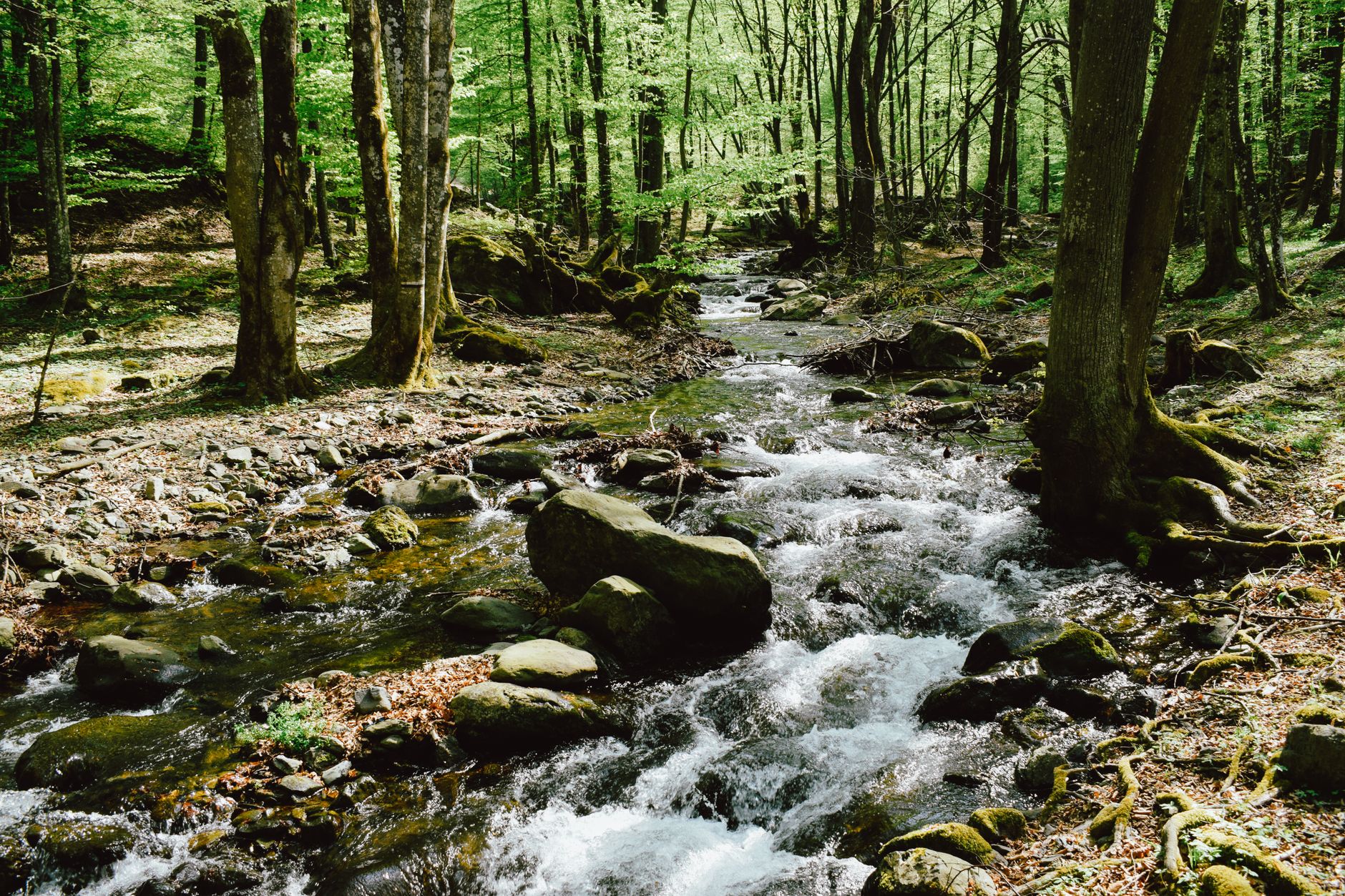
The Katadyn BeFree reimagines the classic squeeze filter as part of a complete drinking system. The 0.1-micron EZ-Clean membrane is permanently attached inside a collapsible Hydrapak flask. Fill the flask at a stream, screw the cap back on, and you can drink directly from the soft nozzle or squeeze it into a separate bottle. During our speed trials, the BeFree consistently delivered 2 liters per minute, the fastest flow of any filter we tested. That’s a real advantage when your group is thirsty and the trailhead is still miles away. The Swiss-engineered hollow fiber claims the same 99.9999% bacteria removal as its competitors.
The filter’s slick design has a major weakness: it clogs faster than the Sawyer. Katadyn rates the BeFree for 1,000 liters (about 264 gallons). In practice, we noticed a flow decline after just 30 to 40 liters in silty water. You can swish the filter to clean it, but deep sediment takes a toll. At $45 to $50, the BeFree is the most expensive per gallon of the three. Still, for ultralight backpackers who value weight and speed above all else, the integrated flask and effortless sipping beat fiddling with pouches. It’s the filter we reach for on day hikes and in our urban survival bags, where time matters.
Key strengths:
- ✅ Fastest flow rate of any squeeze filter.
- ✅ Integrated flask and drinking nozzle.
- ✅ Lightweight and packable.
- ✅ Easy to clean by shaking.
- ✅ Compatible with other Hydrapak products.
- ❌ Filter life limited to 1,000 liters.
- ❌ Higher cost per gallon.
- ❌ Flask can puncture if dropped.
Who it’s for: Speed-focused hikers, urban carry kits, and anyone who values quick, easy drinking from a lake.
Frequently Asked Questions
Which survival water filter removes viruses?
None of the three filters compared here remove viruses. Viruses require additional treatment like UV light, chemical tablets, or boiling. All three are designed for bacteria and protozoa only.
How do I clean a clogged water filter in the field?
For backwashable filters like the Sawyer Squeeze, use the included syringe to force clean water backward through the membrane. For the LifeStraw, you cannot unclog it. For the Katadyn BeFree, shake it vigorously or swish it in clean water.
Can I share one filter with my family?
Yes, but the method varies. The Sawyer Squeeze and Katadyn BeFree can fill multiple bottles. The LifeStraw requires each person to drink directly from the source, which is less practical for groups.
How long does a survival water filter last?
Depends on usage. The LifeStraw lasts 1,000 gallons; the Sawyer Squeeze up to 100,000 gallons with backwashing; the Katadyn BeFree about 264 gallons. Storage conditions matter; keep them from freezing.
Does FEMA recommend water filters?
Yes. FEMA’s Ready.gov page suggests having a portable water filter as part of your emergency kit, along with stored water and disinfection methods.
What is the difference between 0.1 micron and 0.2 micron filters?
A 0.1-micron filter can catch smaller pathogens like Cryptosporidium while a 0.2-micron filter may let some through. Both remove bacteria; 0.1 provides a wider safety margin.
What Should You Remember?
- Pore size matters: 0.1-micron filters like Sawyer and Katadyn offer better protection than 0.2-micron LifeStraw against tiny protozoa.
- Cost per gallon over lifetime: The Sawyer Squeeze wins at under a penny per gallon, compared to LifeStraw’s $0.02 and Katadyn’s $0.15+.
- Backwash capability extends life: Only the Sawyer Squeeze can be backwashed, dramatically increasing its usable lifespan.
- Weight vs. versatility: The LifeStraw is the lightest but least versatile; the Sawyer and Katadyn allow filling containers.
- Flow rate for groups: Katadyn BeFree’s fast flow makes it the best choice when rehydrating multiple hikers quickly.
- Freeze protection is critical: All hollow fiber filters crack if frozen while wet; keep them in a pocket or sleeping bag.
- Pair with stored water: A filter augments, but does not replace, a proper emergency water supply. Store at least one gallon per person per day.
This article is for general information only. Emergency preparedness involves real safety risk — always consult official sources (local authorities, CDC, FEMA) and verify gear before relying on it.