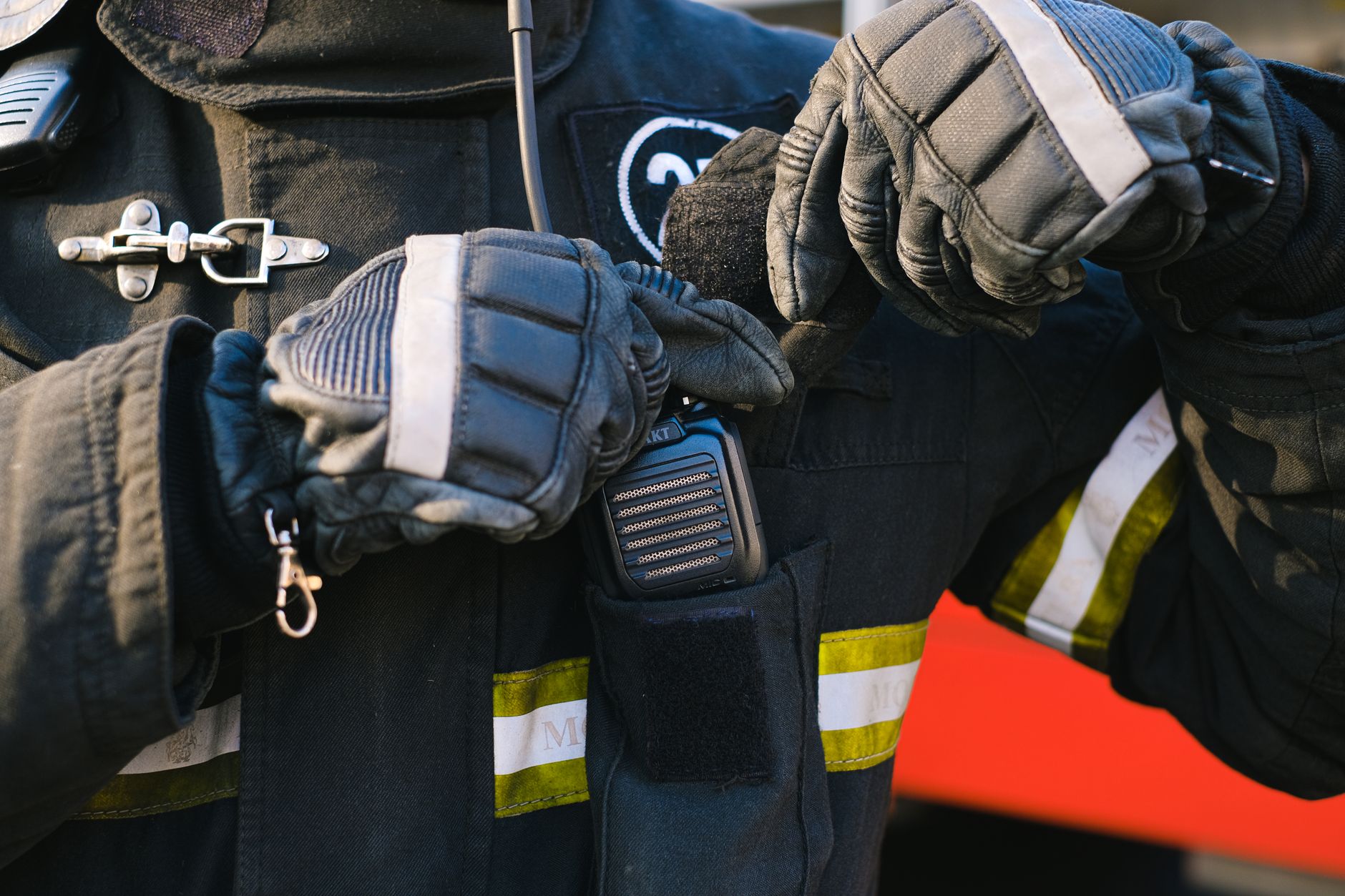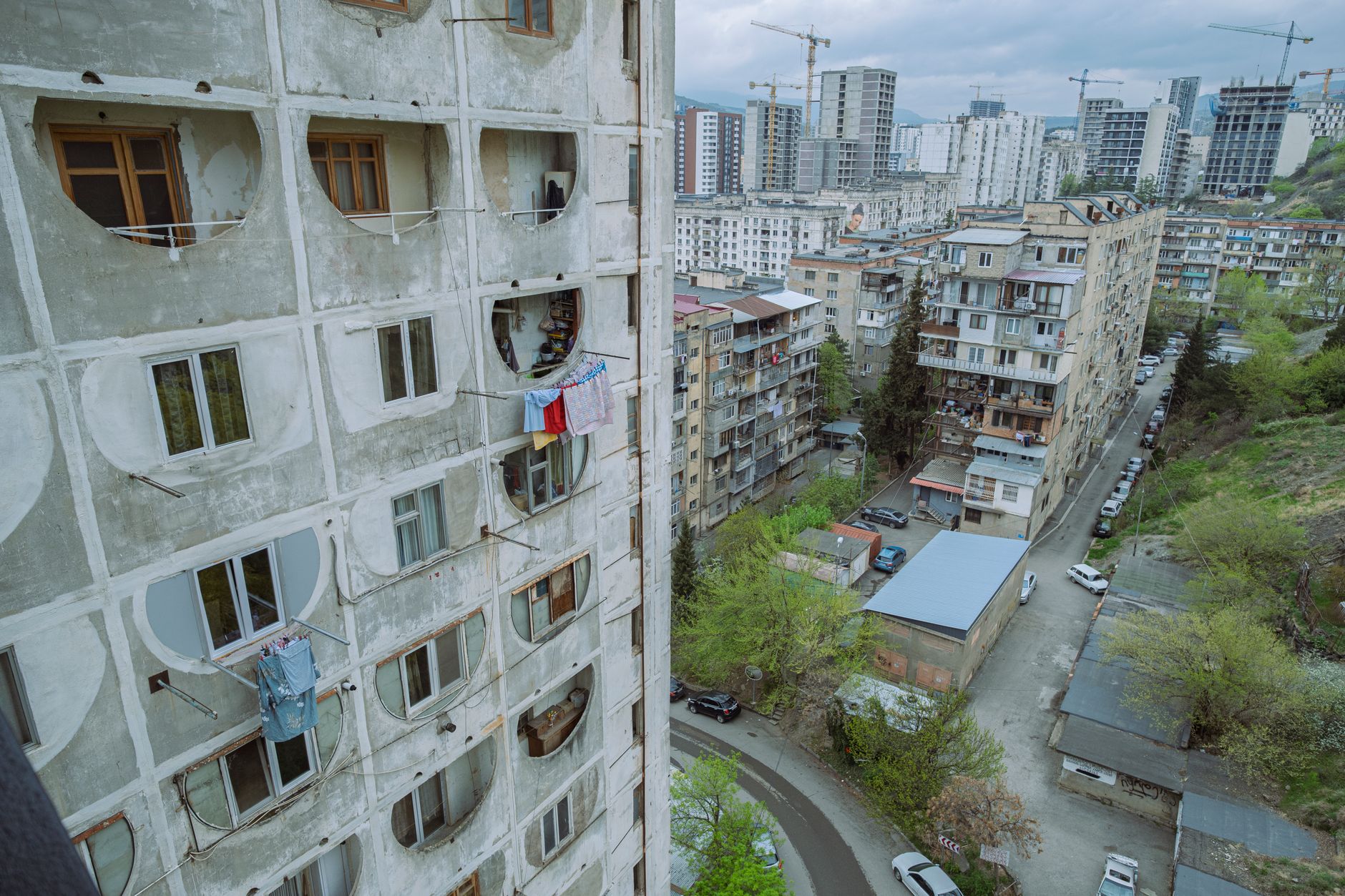
Living in a high-rise apartment or a dense city neighborhood presents unique challenges when disaster strikes. Dependence on elevators, limited storage space, and congested evacuation routes can turn a minor emergency into a life-threatening situation. FEMA’s 2022 National Household Survey found that only 48% of Americans have an emergency supply kit, and just 39% have a family communication plan. For urban dwellers, those numbers may be even lower because they assume help is always close by. Yet, a power outage, water main break, or civil unrest can isolate you for days. The Red Cross emphasizes that urban residents must be self-reliant for at least 72 hours, and CDC guidelines urge storing a two-week supply of water and non-perishable food.
Preparing in a city does not require a bunker or a rural retreat. It is about smart, compact solutions that fit under a bed or in a closet. This guide walks through the core pillars: water storage, food supply, power backup, safety, and evacuation. You will learn to assemble a 72-hour emergency kit without sacrificing space, store water in stackable containers, and choose a solar generator that will not disturb neighbors. We reference official advice from FEMA, CDC, and Red Cross, along with real-world statistics, so you can build a plan that works when the grid goes down or the streets flood.
The average American experiences 3.5 hours of power outage per year, but climate-driven events like hurricanes and heat waves are pushing that much higher. In July 2023, a single storm left over 200,000 New Yorkers without power for days. The CDC reports that urban flooding cost the U.S. economy $4 billion in the last five years. That is why preparation is no longer optional. Start with the basics and adapt them to your living situation. This article gives you a step-by-step plan to protect yourself and your family in an apartment or city home.
How Can You Store Enough Water in an Apartment?
Storing enough water in a small apartment seems impossible, but with smart containers and a little creativity, you can meet FEMA’s recommendation of one gallon per person per day for at least two weeks. For a single person, that is 14 gallons, easily stored under a bed using stackable 5-gallon jugs or a WaterBOB that fills in the bathtub. The best emergency water storage containers can nestle into a closet. Our how much water to store emergencies guide breaks down exact calculations. Avoid storing water in old milk jugs; they degrade. Instead, use BPA-free, food-grade containers.
In a city, a water main break or contamination advisory can leave you without tap water for days. The CDC preparedness page advises having a way to purify water if supplies run low. Keep a portable water filter like those in our best survival water filters 2026 review, and learn basic water purification methods such as boiling or chemical treatment. If you have advance warning of a hurricane, fill the bathtub for sanitation purposes.
Remember that your hot water tank holds 30-50 gallons of drinkable water. In an emergency, you can drain it using the valve at the bottom. Always turn off the gas or electricity to the tank first. This hidden reservoir can sustain a family for several days. FEMA’s Ready.gov site has step-by-step instructions for accessing that water safely.
Rotate your water supply every six months. Mark containers with the date. In a small apartment, a quarterly rotation is easier than a six-month one because you will remember to do it more often. The apartment emergency preparedness article offers more storage hacks.
- Use a bathtub bladder (65-100 gallons) for short-notice fill-ups.
- Store 5-gallon stackable containers in a coat closet or under the bed.
- Rotate water supplies every 3 months to keep them fresh.
What Food Supplies Fit in a Small City Kitchen?
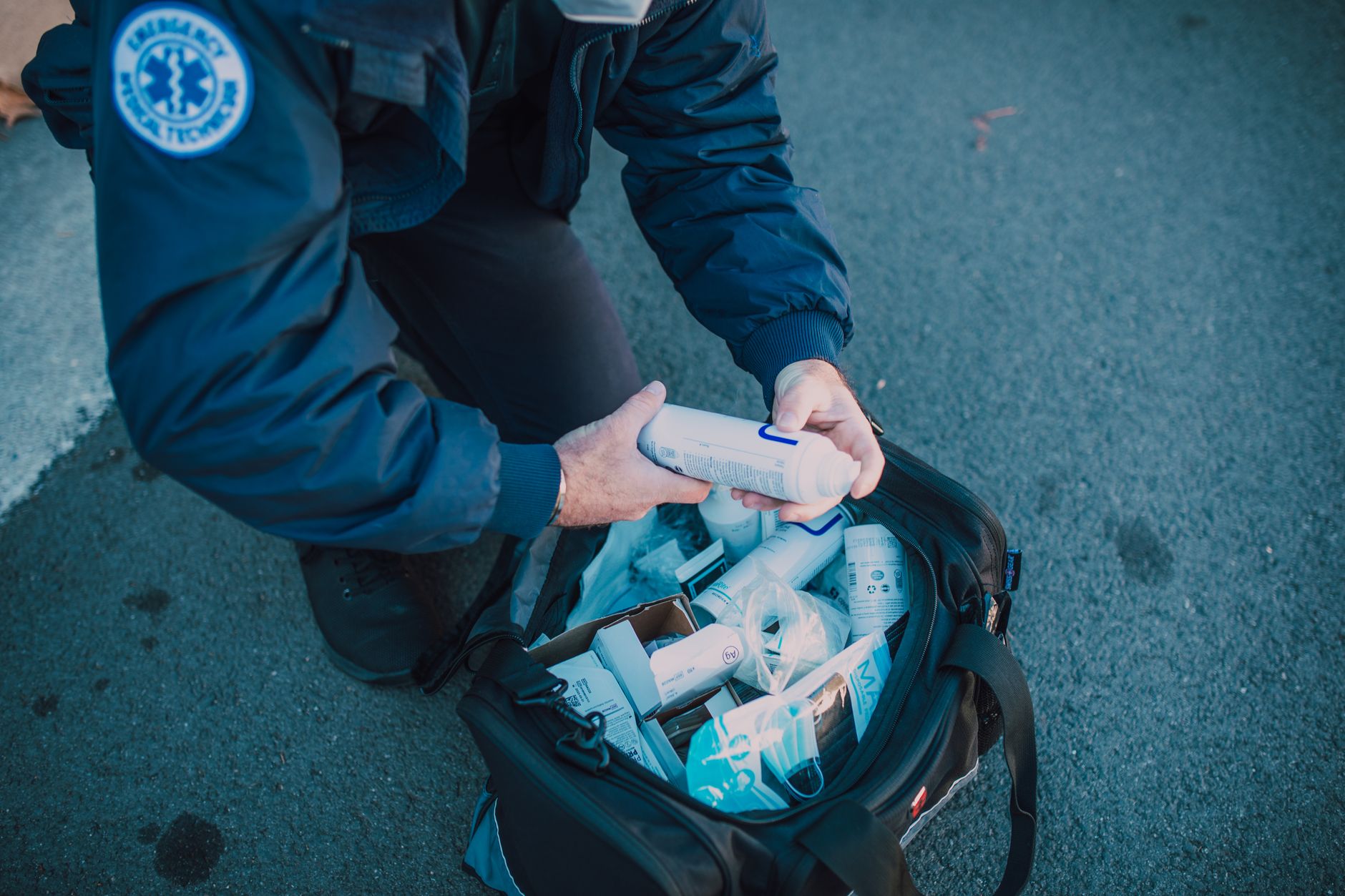
City kitchens are notoriously small. A two-week food supply must be calorie-dense, non-perishable, and require no cooking because utilities may be out. The 2-week food supply guide recommends 2,000 calories per person per day. That is about 28,000 calories for one adult for two weeks. Instead of bulky canned goods alone, consider freeze-dried meals that weigh ounces and last decades. Our best freeze-dried food brands 2026 review highlights brands that pack 1,200 calories into a single pouch the size of a paperback.
The USDA advises against eating refrigerated foods that have been above 40°F for more than two hours. In a blackout, a full freezer will keep food safe for 48 hours if unopened. Invest in a few ice packs to extend that window. Another often overlooked item is a manual can opener. Many city dwellers rely on electric openers that will not work without power. Keep a simple, hand-operated opener in your kit. For detailed food safety rules, bookmark the USDA emergency preparedness page.
For longer disruptions, you might need a three-month supply. The 3-month food supply guide explains how to build it without a pantry. Use under-bed storage bins, stackable crates, and the back of higher cabinets. Ready-to-eat pouches, protein bars, peanut butter, and dried fruit are compact staples. You can also store emergency food kits pre-assembled; the best emergency food kits 2026 page lists options that fit a closet.
Food safety becomes critical. According to USDA data, 1 in 6 Americans gets a foodborne illness each year, and that risk spikes during power outages. Always have a food thermometer to check if perishables stayed cold. If you must store pet food, keep it in a separate, sealed container to avoid contamination. The Red Cross’s emergency resources include a handy food safety checklist.
How Do You Maintain Power When the Grid Fails?
Blackouts in cities are not just inconvenient; they can be deadly, especially for those relying on medical devices or in extreme temperatures. Traditional gas generators are a no-go in apartments because they emit carbon monoxide, a silent killer. The only safe indoor option is a battery-based solar generator. The best solar generators 2026 roundup showcases models as quiet as a laptop that can power phones, lights, and small medical equipment for hours.
Pair your generator with a portable solar panel. Even a 100-watt panel placed on a balcony or fire escape (if allowed) can recharge the unit daily. For lighting, choose rechargeable LED flashlights and lanterns. The best survival flashlights 2026 list includes models that double as power banks. A hand crank emergency radio with NOAA weather alerts ensures you stay informed even when cell towers and Wi-Fi are down.
Power outages cost the U.S. economy an estimated $150 billion annually, according to the Department of Energy. For an individual, the cost can be food spoilage, lost work, and compromised safety. A small investment in a solar powered charger can keep a phone alive for days, letting you receive emergency alerts and stay in touch with family. The power outage survival guide walks through step-by-step what to do when the lights go out.
Don’t forget batteries. Stockpile AA, AAA, and lithium-ion cells. Test your gear monthly. A grid down survival guide explains how to create an energy budget so you know exactly how long your backup will last. In a high-rise, the elevator will be offline, so a headlamp is essential for stairwells. Practice climbing stairs in the dark to avoid panic.
What Should an Urban Bug-Out Bag Contain?
A bug-out bag is your grab-and-go lifeline when you must evacuate immediately because of fire, gas leak, flood, or civil unrest. Urban dwellers need a compact bag that will not slow you down on crowded streets or public transit. The best bug out bags 2026 review features backpacks with multiple compartments that can hold two days’ worth of gear. For a detailed packing list, see our bug out bag checklist 2026.
What goes inside? At minimum: non-perishable food for 3 days, a liter of water with a filter, a multi-tool, a first aid kit, a flashlight, copies of IDs, local maps, and cash in small bills. The best survival multi-tools 2026 and best first aid kits survival 2026 pages can help you choose quality items. Remember, in an urban evacuation you may be on foot; avoid heavy canned goods and opt for energy bars or freeze-dried meals.
The Red Cross recommends keeping your bug-out bag near the exit, checking it every six months, and updating seasonal items like extra layers or sun protection. Red Cross preparedness resources include a downloadable checklist. A 2021 Red Cross survey found that only 15% of city residents have a ready-to-go bag. That delay in packing wastes precious minutes.
If you have a pet, make a mini-bag with food, water, vaccination records, and a leash. Also, if you plan to shelter in place, the urban survival guide covers locking down your apartment. Practice evacuation routes, know at least two ways out of your building and a meeting point outside. FEMA’s Ready.gov site suggests practicing the plan twice a year.
How Can You Stay Safe During Evacuation or Lockdown?
Whether you evacuate or shelter in place, safety hinges on situational awareness and mutual support. City streets can become chaotic, and residents who look out for each other fare better. Form a neighborhood mutual aid network to share resources, skills, and information. In a survey by the National Institute of Standards and Technology, areas with active neighborhood groups had 30% faster recovery after disasters.
During an evacuation, follow official routes and avoid shortcuts that may be blocked. The grid down survival guide explains how to navigate when traffic lights fail and law enforcement is stretched thin. If you must stay put, secure your apartment by reinforcing doors, keeping blinds closed, and maintaining a low profile. The apartment emergency preparedness article details lockdown procedures.
FEMA advises keeping a whistle to signal for help if trapped, and a dust mask rated N95 for debris or smoke. City air can quickly become hazardous after structural damage or fires. The CDC public health preparedness page has guidance on sheltering in place during chemical or radiological events; you will want plastic sheeting and duct tape to seal a room.
Mental preparation is often overlooked. Stress impairs decision-making. Run drills with your family so that actions become automatic. If you live alone, tell a neighbor your plan. According to FEMA, individuals who participate in community drills are twice as likely to respond effectively. Also, build a small comfort kit with a book, notepad, or deck of cards to maintain morale during long waits.
Frequently Asked Questions
How much water should I store for an apartment?
FEMA advises at least one gallon per person per day for drinking and sanitation. Store a minimum of 3 days’ supply, but a 2-week supply is safer for urban disruptions. Stackable 5-gallon containers or a bathtub bladder work in tight spaces.
Can I keep a gas generator in an apartment?
No. Gas generators produce carbon monoxide and are dangerous indoors. Use a solar generator or portable power station instead. They are silent, emission-free, and safe for apartment use.
What is the best emergency food for a small space?
Freeze-dried meals are lightweight, compact, and have a 25-year shelf life. Canned goods, protein bars, and instant noodles also work. Store them under the bed or in a pantry.
How do I get emergency alerts if my phone is dead?
Keep a hand-crank or battery-powered NOAA weather radio. It provides alerts even when cell towers are down. Some models also charge your phone.
Do I need a bug-out bag if I live in a city?
Yes. Urban evacuations happen during fires, chemical spills, or flooding. A grab-and-go bag with essentials ensures you can leave quickly without forgetting crucial items.
How can I help neighbors in an emergency?
Form a mutual aid network. Share supplies, check on elderly residents, and coordinate communication. The neighborhood mutual aid network guide has steps.
What Should You Remember?
- Store at least 1 gallon of water per person per day: Use stackable containers to fit a 2-week supply in your apartment.
- Build a compact 72-hour emergency kit: Include food, water, first aid, flashlight, radio, and personal documents.
- Choose a solar generator for backup power: Silent, safe for indoors, and can recharge with solar panels.
- Keep a bug-out bag in an accessible spot: Practice evacuation routes with your household.
- Stock no-cook emergency food: Freeze-dried meals and canned goods save space and require no cooking.
- Stay informed with a NOAA weather radio: Receives alerts even when cell networks are down.
- Form a mutual aid network with neighbors: Share resources and check on vulnerable residents.
This article is for general information only. Emergency preparedness involves real safety risk — always consult official sources (local authorities, CDC, FEMA) and verify gear before relying on it.