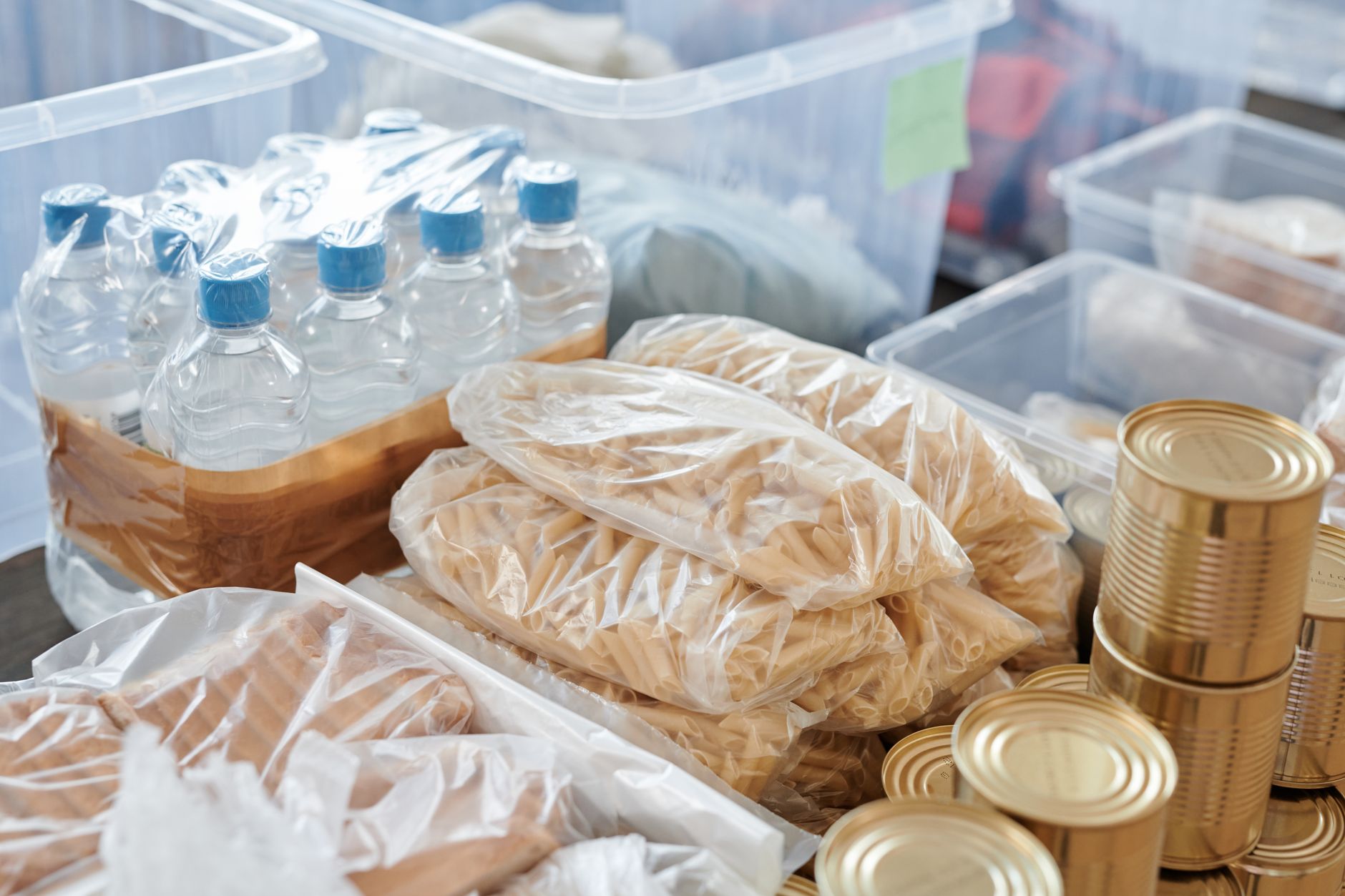
Long term food storage often gets pushed aside until a storm is already on the radar. FEMA’s ready.gov guidelines start with a 72-hour kit, but anyone who has lived through a grid-down event knows three days is not enough. The CDC’s public health emergency guidance pushes households to plan for at least two weeks of nonperishable food, and the Red Cross recommends rotating stored food before it expires. For real resilience, a three-month supply built around 2,000 calories per adult per day is the practical baseline. Calorie math matters more than package count. Without that baseline, you will be hungry despite a closet full of pouches.
We compared five long term food storage approaches: freeze-dried meal kits, bulk dry goods, MRE-style pouches, home canned goods, and commercial emergency food buckets. Use the food storage calculator guide to standardize calorie needs before you buy. Most companies market by number of servings, but serving size varies from 200 to 600 calories. That makes direct comparison difficult. We converted everything to cost per 2,000 calories to level the field. We also checked current pricing, shelf life, sodium levels, packaging quality, and actual taste. Our goal was to find options that work for a family of four for at least two weeks, not just a single person.
Cost and shelf life vary widely. Bulk rice and beans can feed an adult for under $3 per day, but they require fuel, water, and seasoning. Freeze-dried kits from Mountain House or Augason Farms run $6 to $12 per 2,000 calories, yet they last 25 to 30 years and need only hot water. That gap matters if you are storing for a family of four for six months. We also checked packaging quality. Oxygen absorbers and mylar bags make a bigger difference than most people realize. Our 2-week food supply guide shows a realistic starter plan for space and budget.
Why now? Supply chains remain fragile, and grocery inflation has pushed home food reserves back into the mainstream. A recent preparedness survey found that fewer than half of U.S. households have even a one-week food reserve. That is a serious gap. This comparison digs into the five best long term food storage options for 2026, with honest pros, cons, and cost per day. We looked at calories, shelf life, prep effort, and actual taste because emergency food is useless if you refuse to eat it. Keep this guide next to your water storage plan and emergency cooking gear.
How Do the Top Options Compare?
| Product | Best For | Shelf Life | Cost per 2,000 Calories | Price |
|---|---|---|---|---|
| Mountain House Classic Bucket | Best overall taste | 30 years | $10.50 | Check Amazon |
| ReadyWise Emergency Food Supply | Budget convenience | 25 years | $8.25 | Check Amazon |
| Augason Farms Deluxe 30-Day | Lowest cost per calorie | 25 years | $6.40 | Check Amazon |
| Legacy Food Storage | Serving size and quality | 25 years | $11.80 | Check Amazon |
| 4Patriots 3-Month Kit | Long-term coverage | 25 years | $12.25 | Check Amazon |
Prices change often. Cost per 2,000 calories is an estimate based on current retail pricing and package calorie counts as of May 2026. Always rotate stored food and check packaging dates.
1. Mountain House Classic Bucket , Best Overall Taste and 30-Year Shelf Life

Mountain House has been the standard in freeze-dried backpacking meals for decades, and that carries over to long term buckets. The Classic Bucket holds 24 pouches with roughly 12 breakfast and entree servings. Its claimed 30-year shelf life holds when stored below 70 degrees Fahrenheit. You will actually want to eat the beef stroganoff and chicken teriyaki, which matters in week three of an emergency. Check the Mountain House Classic Bucket on Amazon.
The main tradeoff is calorie density. Each bucket supplies around 5,700 calories total. A single adult burns through that in under three days at the 2,000 calorie baseline. FEMA and the Red Cross both emphasize calorie counting over serving counts. For long term food storage, buy multiple buckets or supplement with cheap bulk staples.
In our review of best freeze-dried food brands 2026, Mountain House scored highest for texture and seasoning. If you have picky eaters, this is the one to start with.
Key strengths:
- ✅ 30-year shelf life with consistent quality
- ✅ Entrees taste close to fresh camp food
- ✅ Easy to prepare with just hot water
- ✅ Strong brand reputation and packaging
- ❌ Low total calories per bucket
- ❌ Expensive per day for large families
- ❌ Requires hot water and fuel
Who it’s for: Families who want the best tasting freeze-dried meals and can afford a premium option.
2. ReadyWise Emergency Food Supply , Budget Convenience for Grab-and-Go Kits
ReadyWise sells large buckets with 120 to 180 servings. That sounds impressive until you read the fine print. Many servings are small, around 1,200 to 1,500 calories per day based on their own serving count. That is below the CDC planning baseline of 2,000 calories. Still, ReadyWise gives you real variety: soups, pasta, rice, oatmeal, and desserts. Check ReadyWise Emergency Food Supply on Amazon.
The meals are simple to make. Most only need boiling water and a short wait. Sodium runs high, typically 700 to 900 milligrams per serving. Anyone with blood pressure concerns should plan to dilute or supplement with rice and beans. We compared this directly in Mountain House vs ReadyWise, and the taste gap is real. But for a 72-hour or two-week emergency kit, ReadyWise wins on price and convenience.
Key strengths:
- ✅ Lower upfront cost per bucket
- ✅ Simple just-add-water preparation
- ✅ Bulk servings give a quick food base
- ✅ Long 25-year shelf life
- ❌ Many servings are small in calories
- ❌ High sodium content
- ❌ Texture and flavor score below premium brands
Who it’s for: Budget-conscious preppers building a first 2-week emergency food reserve.
3. Augason Farms Deluxe 30-Day Emergency Food Supply , Lowest Cost Per 2,000 Calories

Augason Farms is the value pick that serious preppers stock deep. The Deluxe 30-Day bucket claims 307 servings with about 1,800 calories per day, and you can often find it under $180. That puts cost per day around $6.40, the lowest of any commercial kit tested here. Most of the food is dry ingredients like pasta, rice, pancake mix, and dehydrated vegetables. You need a way to cook, not just add water. Check the Augason Farms Deluxe 30-Day on Amazon.
Unlike Mountain House, this is not mostly individual entrees. You get bulk pouches and a recipe-based approach. That is fine for home use but less convenient for evacuation. For at-home long term food storage, though, this bucket is hard to beat on calories per dollar. It pairs well with a home cooking setup and a deep pantry.
Key strengths:
- ✅ Lowest cost per calorie among commercial kits
- ✅ 25-year shelf life
- ✅ Large variety of basic ingredients
- ✅ Good for home cooking and recipes
- ❌ Requires more cooking time and fuel
- ❌ Not ideal for grab-and-go evacuation
- ❌ Some servings require extra ingredients
Who it’s for: Preppers who want maximum calories for the least money and already cook at home.
4. Legacy Food Storage 120 Serving Kit , Quality Ingredients and Realistic Serving Sizes
Legacy Food Storage positions itself as the premium alternative that gives realistic portion sizes. Their 120-serving kit packs about 2,000 calories per day. Unlike some competitors that stretch calories with sugary drinks, Legacy uses recognizable freeze-dried and dehydrated ingredients. The meals are sealed in mylar pouches with oxygen absorbers for a 25-year shelf life.
The downside is price. Per 2,000 calories, Legacy runs close to $12, making it the most expensive per person in this comparison. But quality is tangible. Chicken, beef, and vegetables are recognizable, not just textured soy. For long term food storage where you might rely on the food for months, that matters. See how Legacy compares in the best emergency food kits 2026 roundup.
Key strengths:
- ✅ Realistic 2,000 calorie daily servings
- ✅ Lower sodium than many competitors
- ✅ Recognizable proteins and vegetables
- ✅ 25-year shelf life
- ❌ Higher cost per day
- ❌ Fewer flavor options per kit
- ❌ Availability can be inconsistent
Who it’s for: Households that prioritize ingredient quality and realistic serving sizes over lowest price.
5. 4Patriots 3-Month Emergency Food Kit , Set-and-Forget Three-Month Coverage
4Patriots markets aggressively, but their 3-month kit is genuinely convenient. You get multiple sealed boxes with breakfast, lunch, dinner, and drink mixes. The company claims a 25-year shelf life, and the packaging is built for grab-and-go. Total daily calories hover around 1,800 to 2,000, which meets the FEMA baseline.
The biggest complaint is taste variability. Some meals are good; others are bland or cloying. Sodium can spike above 1,000 milligrams per serving. Still, if you want a true set-and-forget option for hurricane season or a long grid-down scenario, 4Patriots covers three months without extra planning. Pair it with a three-month food supply plan and a water storage solution.
Key strengths:
- ✅ Three months of coverage in one purchase
- ✅ Simple meal categories with clear labels
- ✅ 25-year shelf life
- ✅ Portable and stackable boxes
- ❌ Inconsistent taste across meals
- ❌ High sodium in many entrees
- ❌ Premium price for long-term volume
Who it’s for: People who want a one-click three-month food insurance plan and will not cook from scratch.
Frequently Asked Questions
How long can long term food storage actually last?
Freeze-dried and dehydrated foods in sealed mylar pouches with oxygen absorbers can last 25 to 30 years if stored below 70 degrees Fahrenheit. Bulk dry goods like rice and beans last 10 to 30 years depending on packaging.
How many calories per day should I store?
FEMA and the Red Cross recommend at least 2,000 calories per adult per day. Active adults, children, and nursing mothers may need more.
What is the cheapest long term food storage method?
Bulk white rice, dry beans, oats, and pasta stored in 5-gallon mylar bags with oxygen absorbers cost $2 to $4 per day. Commercial kits cost $6 to $12 per day.
Do I need to cook freeze-dried meals?
Most commercial freeze-dried meals only need hot water. Bulk dry goods require boiling or pressure cooking, which means fuel and a stove.
How much food should I store for emergencies?
Start with a 72-hour kit, build to two weeks, then three months. Use a food storage calculator to avoid underbuying calories.
Can I store food in my garage?
A garage is often too hot. Heat shortens shelf life dramatically. Aim for cool, dry, dark storage below 70 degrees Fahrenheit.
What Should You Remember?
- Calorie count: Most commercial kits undercount daily calories, so verify the 2,000 calorie baseline.
- Shelf life: Freeze-dried meals in mylar with oxygen absorbers last 25 to 30 years.
- Cost per day: Bulk rice and beans cost $2 to $4 per 2,000 calories; kits run $6 to $12.
- Preparation: Choose no-cook or just-add-water meals for bug-out bags and power outages.
- Storage conditions: Keep food below 70 degrees Fahrenheit in dry, dark spaces.
- Start small: Build a 72-hour kit, then two weeks, then three months.
This article is for general information only. Emergency preparedness involves real safety risk , always consult official sources (local authorities, CDC, FEMA) and verify gear before relying on it.