A solar power system is not one product. It ranges from a $400 portable battery with a folding panel to a $50,000 rooftop array wired into your home’s breaker box. The right choice depends on what you need to keep running and for how long. Food storage is the first vulnerability. The USDA says a full freezer keeps food safe for 48 hours without power, but a half-full freezer only lasts 24 hours. Add a 2-week food supply guide strategy and a small solar generator and you can ride out most short blackouts.
Efficiency and capacity numbers drive the decision. Modern monocrystalline panels now convert 20 to 23 percent of sunlight into electricity, a big step up from the 15 percent panels sold a decade ago. The average American home uses about 29 kilowatt-hours per day according to the U.S. Energy Information Administration. That is why a rooftop array and a portable power station are completely different tools. To see which portable units performed best in testing, check best solar generators 2026. The goal is to match panel wattage, battery storage, and inverter output to your actual loads.
I evaluated five solar power systems for emergency preparedness, not just utility savings. FEMA’s ready.gov guidance stresses having backup power for medical devices, refrigeration, and communication. A whole-house battery system can do that automatically. A portable unit can do it manually. Either way, you need a plan before the outage hits. The CDC and Red Cross also emphasize redundancy for critical medical needs.
How Do the Top Options Compare?
| System Type | Best For | Typical Price | Key Spec |
|---|---|---|---|
| Portable Solar Generator | Short outages and bug-out kits | Check price on Amazon | 200-2000Wh, 60-200W panels |
| Grid-Tied Rooftop Solar | Homeowners reducing utility bills | Check price on Amazon | 4-10 kW array, 20-23% efficiency |
| Off-Grid Cabin Solar Kit | Remote properties and full independence | Check price on Amazon | 1-5 kW array, battery bank |
| DIY Van/RV Solar System | Mobile living and vehicle bug-out | Check price on Amazon | 100-400W panels, 100Ah batteries |
| Whole-House Backup + Battery | Multi-day outages and medical needs | Check price on Amazon | 10+ kW array, 10-20 kWh battery |
Prices are approximate 2026 estimates before tax credits and may not include professional installation. Solar output varies by latitude, season, temperature, and panel angle.
1. Portable Solar Generator , Best for Short Outages and Bug-Out Kits
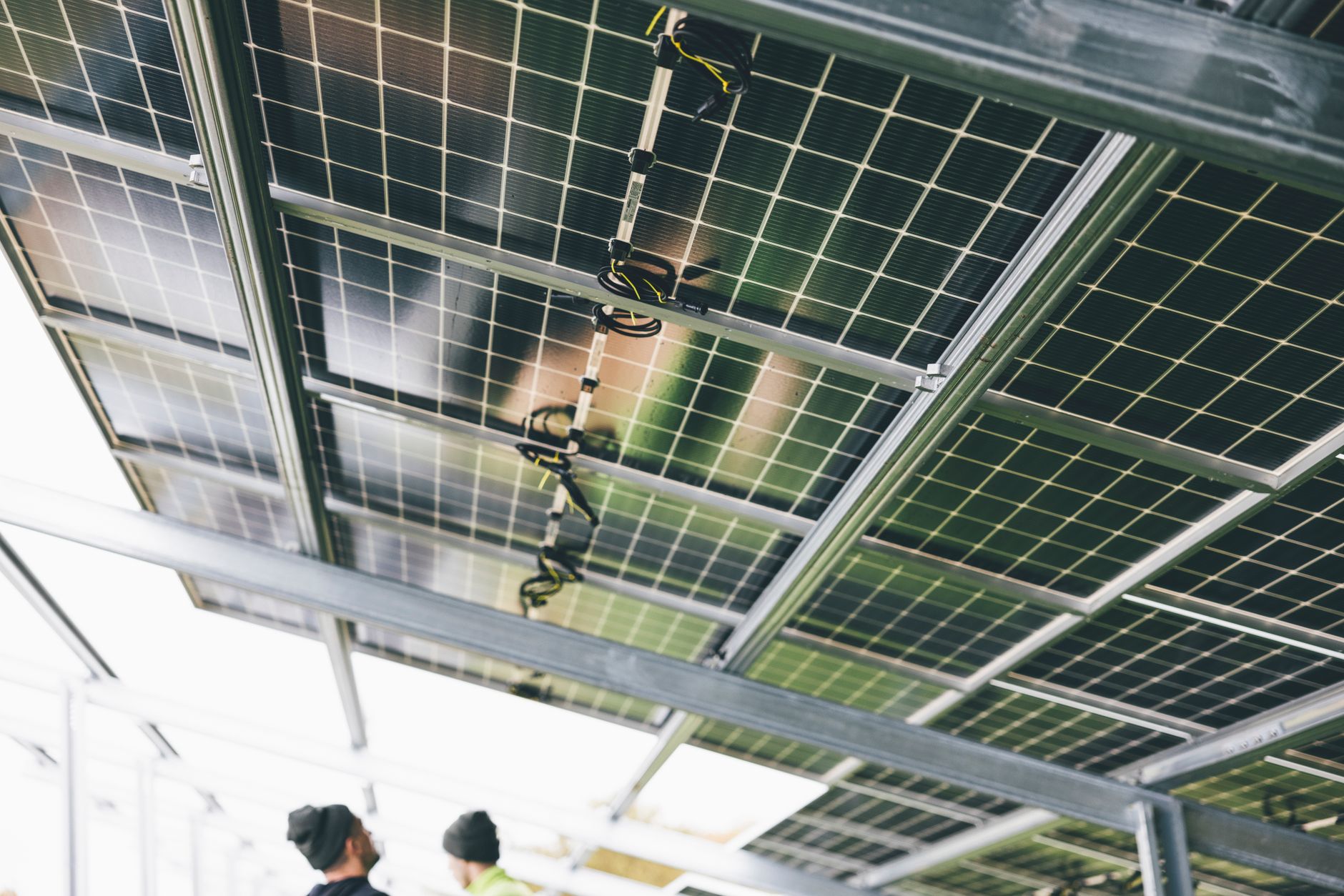
Portable solar generators combine a lithium battery pack, inverter, and charge controller in one box. A 200-watt folding panel can recharge a 1,000-watt-hour unit in 5 to 8 hours of full sun. That is enough to run a chest freezer for 6 to 10 hours or keep phones, radios, and lights alive for days. A unit like the Jackery Explorer 1000 is a solid starting point. For a complete grab-and-go setup, pair it with a 72-hour emergency kit guide.
The real advantage is portability. If you have to evacuate, throw it in the car and leave. Expect to pay $400 to $2,500 depending on battery capacity and panel wattage. Many units include USB-C PD, AC outlets, and 12V ports. Charging from a vehicle alternator is slow but possible. For a short blackout, this keeps your refrigerator cycling long enough to save food.
The big limitation is power output. You cannot run a 240-volt well pump or central air conditioner. High-capacity units get heavy, with some 2,000-watt-hour models approaching 60 pounds. Still, this is the easiest first solar investment for most families.
Key strengths:
- ✅ Runs small appliances and medical devices during short outages
- ✅ Portable and simple to deploy without an electrician
- ✅ Charges from wall, car, or solar panels
- ✅ Quiet, no fuel, no carbon monoxide risk
- ✅ Many models accept extra batteries for more capacity
- ❌ Cannot power large 240-volt loads like central AC
- ❌ Slow solar recharge in cloudy or winter conditions
- ❌ High-capacity units get heavy and expensive
Who it’s for: Anyone who wants a grab-and-go backup power source for short outages or evacuation.
2. Grid-Tied Rooftop Solar System , Best for Homeowners Reducing Utility Bills
A grid-tied rooftop array feeds power straight into your home’s electrical panel. When the grid is up, the utility credits you for excess production through net metering. Modern monocrystalline panels run at 20 to 23 percent efficiency, a big jump from the 15 percent common a decade ago. According to the U.S. Energy Information Administration, the average American home uses about 29 kilowatt-hours per day. A 6-kilowatt array can cover most of that demand in sunny states.
The catch is serious. Most grid-tied inverters shut down automatically during a blackout. That means you still have no power when the grid goes down unless you add a battery. Without a battery, this is a financial investment, not an emergency backup system. FEMA recommends generators or battery systems for outages. If your priority is keeping the freezer running, you still need a power outage survival guide plan for the first 48 hours.
Cost after federal tax credits runs $12,000 to $30,000 installed. Payback periods range from 7 to 14 years depending on local electricity rates and sun exposure. If your goal is lower bills and cleaner energy, it is the best long-term value. If your goal is blackout survival, pair it with a battery or skip it.
Key strengths:
- ✅ Lowest cost per watt for permanent solar on an occupied home
- ✅ Reduces monthly utility bills and can earn net metering credits
- ✅ 25-year panel warranties and low maintenance
- ✅ Qualifies for federal and local incentives
- ❌ Shuts down during grid outages without a battery
- ❌ Requires professional installation and roof space
- ❌ Long payback period and not portable
Who it’s for: Homeowners who want to cut electricity bills and already have a separate backup plan.
3. Off-Grid Cabin Solar Kit , Best for Remote Properties and Full Independence
An off-grid cabin kit includes solar panels, a charge controller, deep-cycle batteries, and an inverter sized for continuous loads. A 2-kilowatt array with a 400-amp-hour battery bank can run lights, a water pump, a refrigerator, and small tools in a weekend cabin. Kits from companies like Renogy include pre-wired components that reduce guesswork.
The math changes when you live far from utility lines. Running grid power to a remote cabin can cost $20,000 to $50,000 per mile. A $3,000 to $15,000 solar kit pays for itself quickly in that situation. You also gain true independence from utility failures and fuel supply lines.
The downside is maintenance. Flooded lead-acid batteries need watering and terminal cleaning. Lithium batteries cost more but last longer and tolerate deeper discharges. You must also size the system for winter sun angles and several cloudy days in a row. A generator remains a common backup for December and January.
Key strengths:
- ✅ True off-grid independence from utility failures
- ✅ Far cheaper than running grid power to remote land
- ✅ Expandable with more panels and batteries over time
- ✅ Works with generators as a winter backup
- ❌ Battery maintenance and replacement add long-term costs
- ❌ Requires hands-on system sizing and troubleshooting
- ❌ Winter output drops sharply at high latitudes
Who it’s for: Cabin owners, remote homesteaders, and anyone building beyond utility lines.
4. DIY Van/RV Solar System , Best for Mobile Living and Vehicle Bug-Out
A van or RV solar system typically mounts 100 to 400 watts of panels on the roof and feeds a lithium or AGM battery through a charge controller. A 200-watt panel produces roughly 800 to 1,200 watt-hours per sunny day. That is enough to run a 12-volt fridge, charge laptops, and power LED lights without idling the engine.
Installation is beginner friendly. You can buy complete kits with pre-drilled mounting brackets, adhesive entry glands, and wiring diagrams. The Red Cross suggests keeping vehicles ready for evacuation, and a solar-equipped van extends your off-grid range. For a vehicle-based evacuation plan, build out a bug out bag checklist 2026 and keep the solar battery charged.
The limitation is space and weight. You only have so much roof area, and a 100-amp-hour lithium battery weighs about 25 pounds. Air conditioning and induction cooking are usually out of reach without a second alternator or shore power. For a bug out vehicle, though, a modest solar kit keeps essential electronics alive for days.
Key strengths:
- ✅ Mounts on existing vehicle roof and travels with you
- ✅ Keeps 12V fridge and devices running without fuel
- ✅ Kits are straightforward for DIY installation
- ✅ Works while driving and parked in full sun
- ❌ Limited roof space restricts total wattage
- ❌ Cannot run high-draw appliances like air conditioners
- ❌ Flat-mounted panels lose 10 to 20 percent output compared to angled ground mounts
Who it’s for: Van lifers, RV owners, and preppers who want power on the move.
5. Whole-House Backup Solar + Battery , Best for Multi-Day Outages and Medical Needs
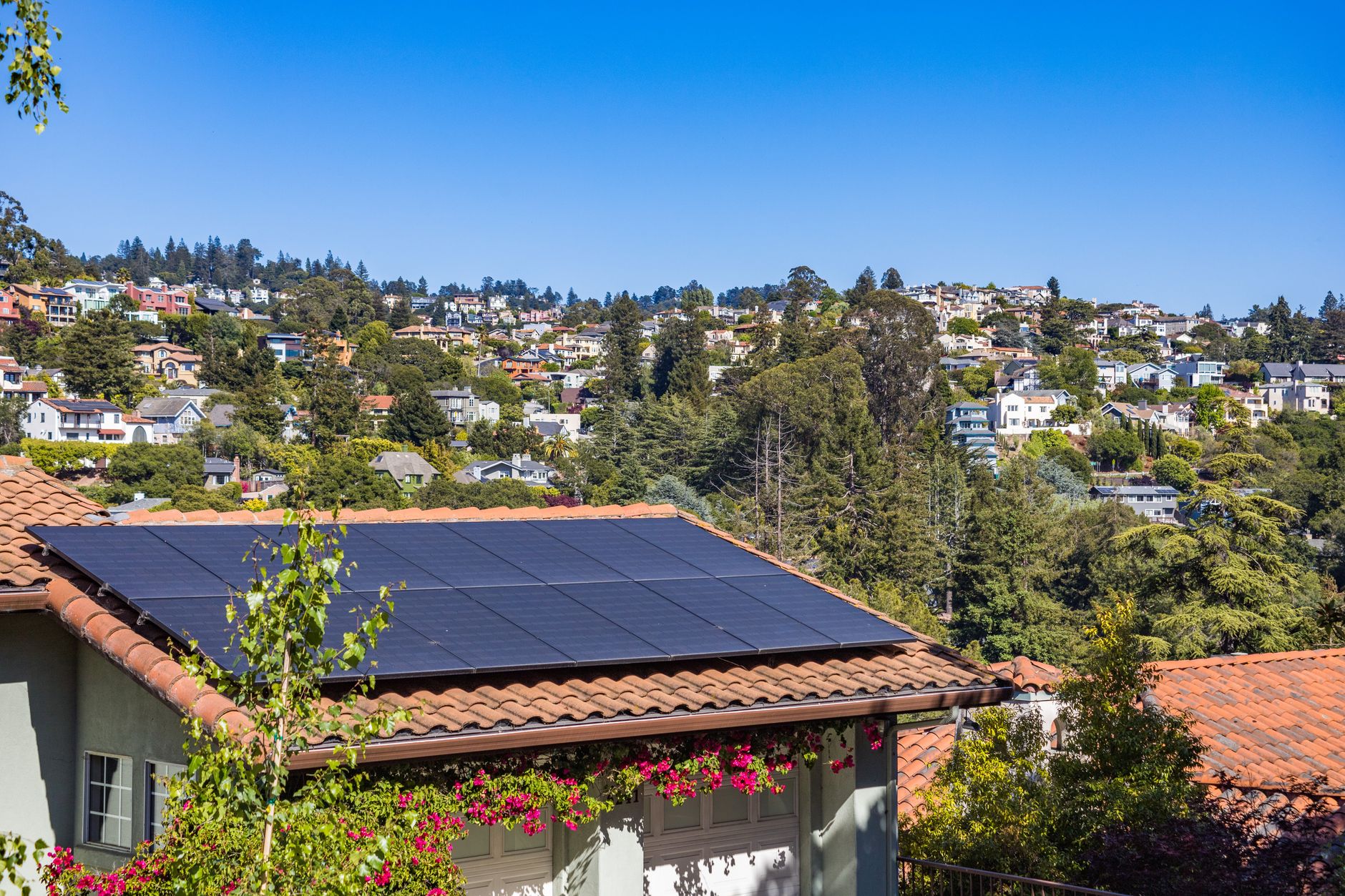
This is the heavy hitter. A 10- to 15-kilowatt rooftop array paired with a 10- to 20-kilowatt-hour battery can keep critical circuits running for days. A typical 13.5-kilowatt-hour battery can run a refrigerator, well pump, furnace fan, and lights for 24 to 48 hours depending on load. Add more batteries for longer autonomy.
The CDC emphasizes backup power for people who depend on electrically powered medical equipment. The CDC preparedness guidance highlights that oxygen concentrators, CPAP machines, and home dialysis need reliable electricity. This system covers those needs without gasoline, propane, or noisy generators. Check units like the EcoFlow Delta Pro Ultra for modular backup.
Expect to pay $20,000 to $50,000 installed. That is a serious investment. The federal solar tax credit covers 30 percent of the system, including batteries, through 2032. The payoff during a week-long winter blackout, though, is measured in saved food and avoided hotel stays. Before spending this much, harden your food storage plan so you know exactly what you are protecting.
Key strengths:
- ✅ Runs critical loads automatically during multi-day outages
- ✅ No fuel, no exhaust, no weekly generator maintenance
- ✅ Qualifies for 30 percent federal tax credit through 2032
- ✅ Expandable with additional batteries for longer autonomy
- ❌ Highest upfront cost of any option
- ❌ Requires professional installation and possible permits
- ❌ Battery replacement every 10 to 15 years adds cost
Who it’s for: Homeowners who need automatic backup power for medical equipment or long outages.
Frequently Asked Questions
What size solar generator do I need for a refrigerator?
A refrigerator needs 600 to 800 running watts and a startup surge of 1,200 to 2,000 watts. Choose a solar generator with at least a 1,500-watt inverter and 1,000 watt-hours of battery capacity. That will run a standard fridge for 8 to 12 hours before recharging.
Can a grid-tied solar system power my house during a blackout?
No, most grid-tied inverters shut down automatically during a blackout to protect utility workers. You need a battery backup or a hybrid inverter with islanding capability. Without storage, your rooftop array produces nothing when the grid goes down.
How much does a whole-house solar battery backup cost?
A whole-house solar array plus battery backup typically costs $20,000 to $50,000 installed before incentives. The federal tax credit covers 30 percent through 2032. Smaller critical-load battery systems can start around $10,000.
Will solar panels work during cloudy weather?
Yes, but output drops. Solar panels produce 10 to 25 percent of rated output under heavy cloud cover. Snow, shade, and short winter days reduce output further. A battery bank and generator backup are essential for multi-day cloudy stretches.
Do I need a permit for a portable solar panel setup?
No permit is needed for a portable solar generator or folding panels used temporarily. Permanent roof-mounted systems and battery banks tied into a home electrical panel generally require permits and inspections. Check local building codes before installation.
How long do solar batteries last?
Lead-acid batteries last 3 to 7 years with regular maintenance. Lithium iron phosphate batteries typically last 10 to 15 years or 3,000 to 5,000 cycles. Battery lifespan depends on depth of discharge, temperature, and cycle frequency.
What Should You Remember?
- Start small: A portable solar generator keeps phones, radios, and a fridge running during short outages.
- Know your loads: Add up watts for refrigerator, well pump, and medical devices before buying an inverter.
- Grid-tied is not backup: Most rooftop systems shut down without a battery.
- Battery cost matters: Lithium batteries last longer and tolerate deeper discharges than lead-acid.
- Winter reduces output: Panels produce 30 to 50 percent less in cloudy or snowy months.
- Use incentives: The federal tax credit covers 30 percent of solar and battery costs through 2032.
This article is for general information only. Emergency preparedness involves real safety risk , always consult official sources (local authorities, CDC, FEMA) and verify gear before relying on it.