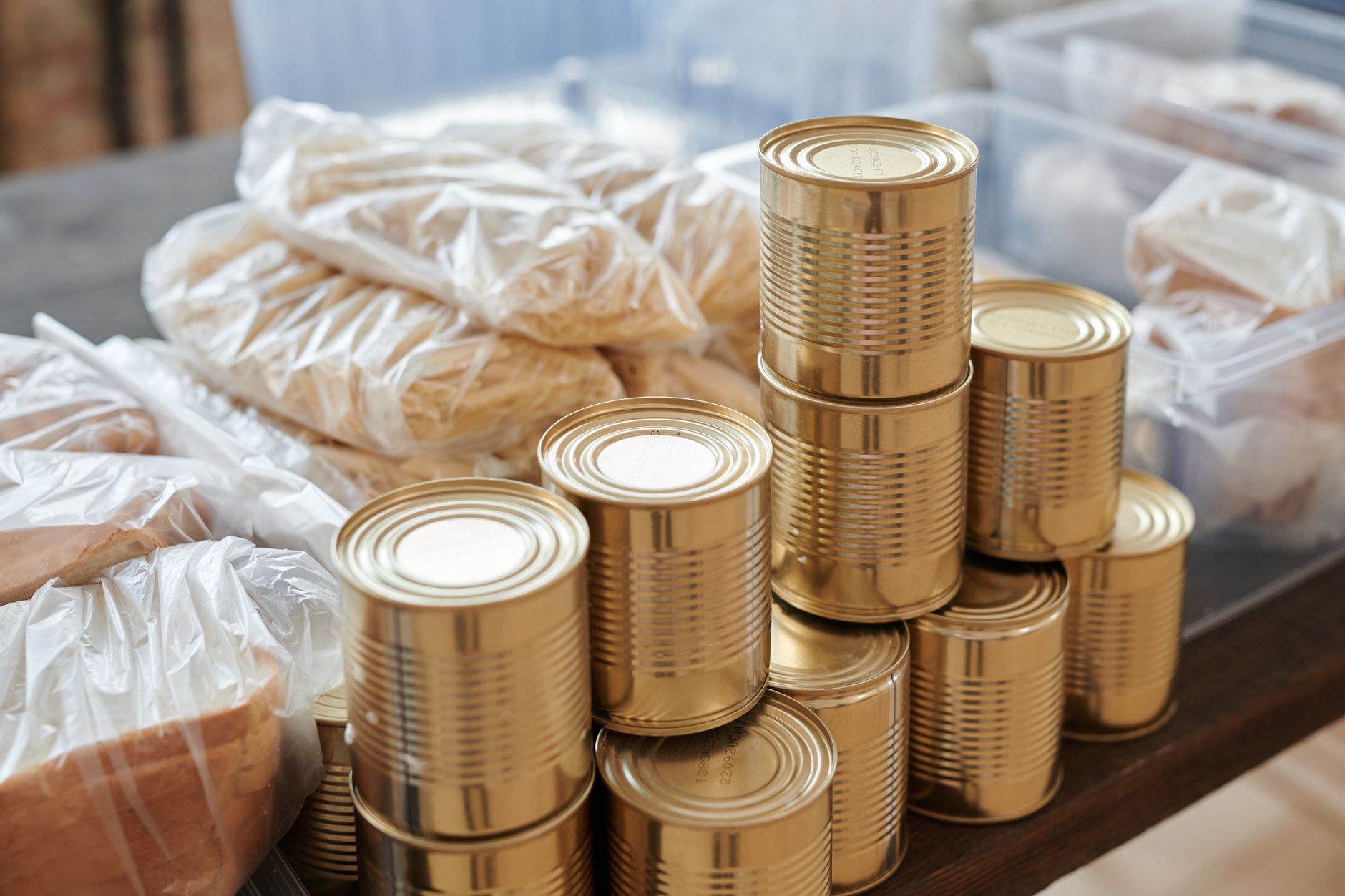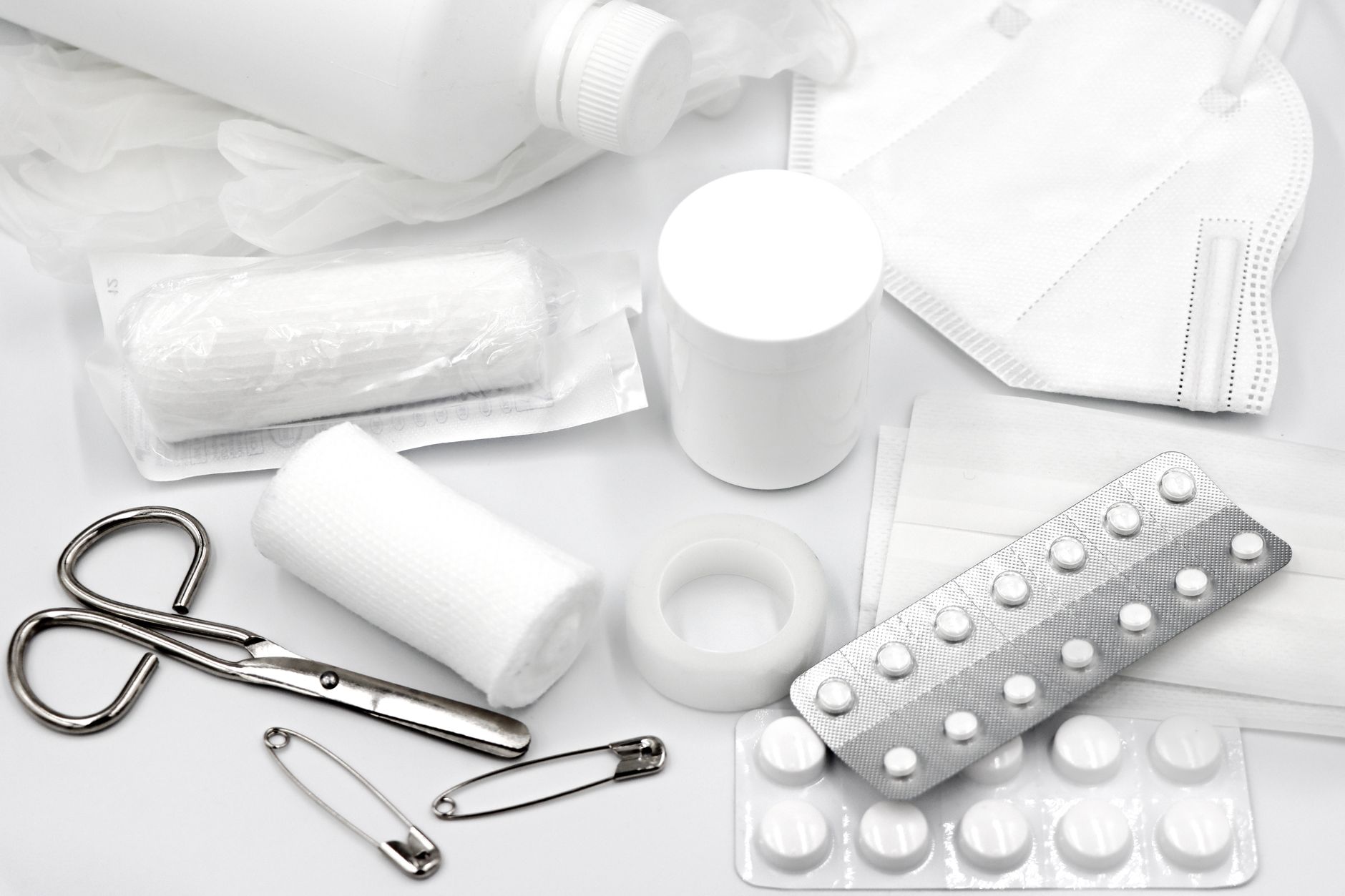
Off-grid living means more than camping in the backyard. It means running your household without municipal power, water, or food supply chains. Recent grid failures, extreme weather, and rising utility costs pushed thousands of families to build semi-off-grid systems. FEMA’s Ready.gov guidelines say every household should be able to survive at least 72 hours without outside help, but true off-grid readiness stretches far beyond that. The CDC’s public health preparedness framework adds another layer: clean water, safe food, and backup power are not optional. You need a system that works when nothing else does. The time to build that system is before the next outage, not during it.
I compared five core off-grid living systems: solar power, water storage and filtration, long-term freeze-dried food, survival gardening, and emergency communications. Each system was evaluated against three criteria: cost per day of service, shelf life or durability, and ease of setup for a first-time prepper. The Red Cross emergency preparedness resources stress that redundancy matters. If one system fails, another must cover the gap. I also looked at real-world data on calories, water consumption, and solar output. The goal is not a bunker. It is a working homestead that keeps you fed, hydrated, and informed. Before buying anything, use a 2-week food supply guide to map out your baseline.
A single adult needs roughly 2,000 calories per day for moderate activity. That number climbs to 2,400 or more in cold weather or heavy labor. Water needs are even more unforgiving: one gallon per person per day covers drinking and basic hygiene, and two gallons covers cooking and bathing. Freeze-dried food can stretch a $300 investment into a 25-year calorie reserve. A 1,000Wh solar generator can keep a refrigerator cold for 10 to 15 hours before needing a recharge. These numbers aren’t marketing claims. They come from manufacturer tests and USDA food safety guidance. The Red Cross also publishes a 14-day supply list for water, food, and meds.
How Do the Top Options Compare?
| System | Best For | Key Statistic | Price | Main Drawback |
|---|---|---|---|---|
| Off-Grid Solar Power | Reliable electricity independence | 1,000Wh runs a fridge 10-15 hours | Check Solar Generators on Amazon | High upfront cost, weather dependent |
| Water Storage & Filtration | Daily hydration and sanitation | 1 gallon per person per day | Check Water Storage Containers on Amazon | Heavy, needs rotation |
| Freeze-Dried Food Supply | 25-year shelf life | 2,000 calories per person per day | Check Freeze-Dried Food on Amazon | Expensive per meal compared to bulk staples |
| Survival Garden | Renewable food production | $50 seed kit yields 500+ lbs | Check Survival Seed Kits on Amazon | Needs water, soil, and months of care |
| Emergency Communications | Staying informed off-grid | Hand-crank radio works with no grid | Check Emergency Radios on Amazon | Limited range, batteries optional |
Prices are search links for current Amazon listings. Actual costs vary by brand and capacity. FEMA and Red Cross recommend at least two weeks of supplies for every household.
1. Off-Grid Solar Power Systems , Best for reliable electricity independence
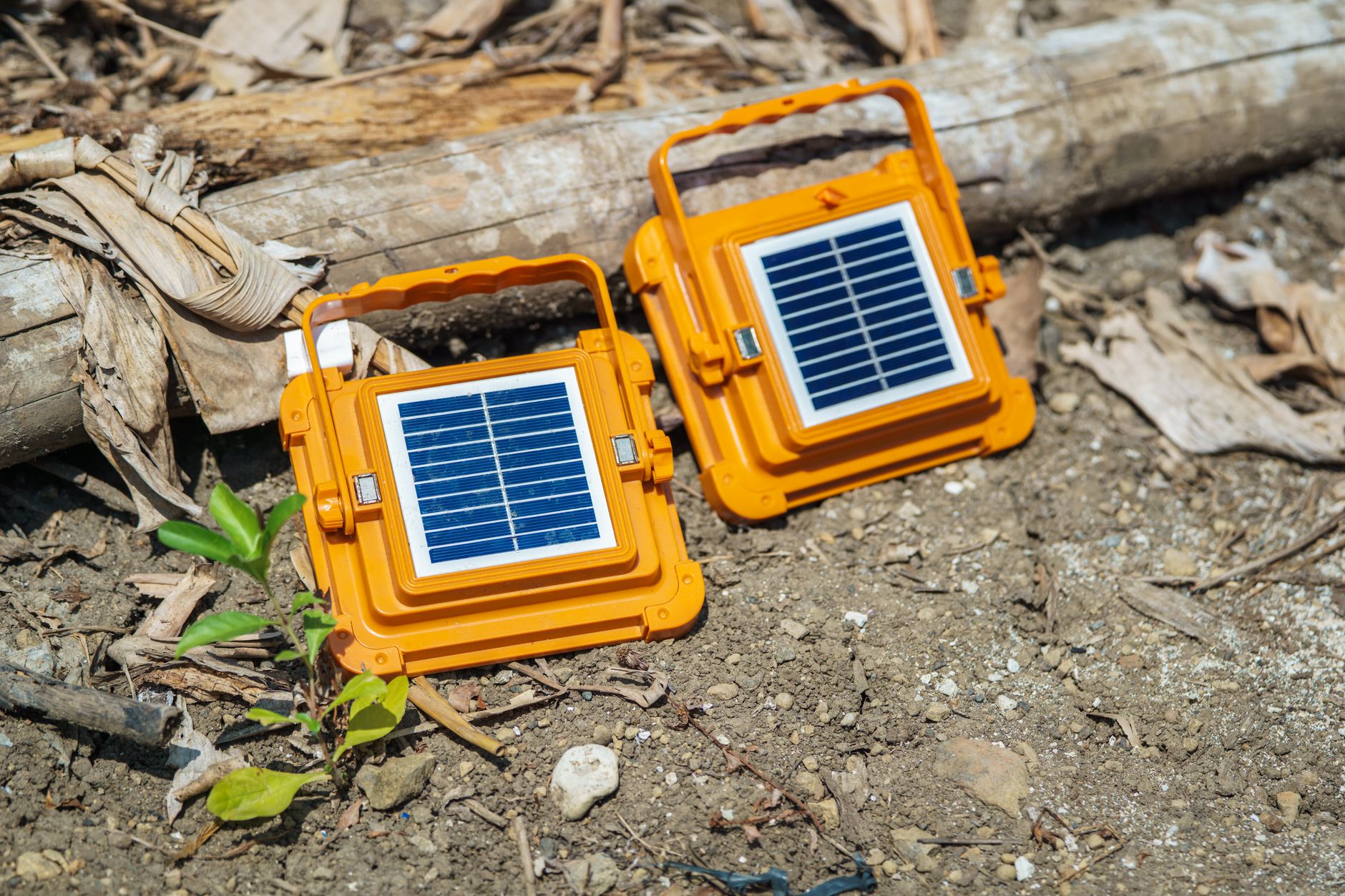
A solar generator with a 1,000Wh to 2,000Wh capacity is the backbone of most off-grid setups. It can run a standard refrigerator for 10 to 15 hours, keep LED lights on for days, and charge phones and laptops. The best solar generators of 2026 include built-in MPPT charge controllers and lithium iron phosphate batteries rated for 3,000 to 5,000 charge cycles. You don’t need roof panels to start. Portable folding panels of 200 to 400 watts can recharge a 1,000Wh unit in 5 to 8 hours of full sun. The Jackery Explorer 1000 is a popular entry point.
The biggest mistake new off-gridders make is under-sizing the battery. A 500Wh unit will not run a fridge overnight. FEMA recommends backup power for medical devices and refrigeration. If you rely on a CPAP machine, add at least 300Wh per night. In winter, solar output drops by 40 to 60 percent in northern states. That means you need either more panels or a dual-fuel generator as backup.
Price is the main barrier. A quality 1,000Wh solar generator with panels costs $1,200 to $2,500. That sounds steep, but it replaces a generator and fuel for years. The payback period is about five years compared to running a gasoline generator 20 hours per month. Avoid cheap no-name brands that claim 5,000 watt-hours for $300. Real lithium batteries cost money.
Key strengths:
- ✅ Runs refrigerators, lights, and medical devices without grid power
- ✅ Lithium iron phosphate batteries last 3,000 to 5,000 charge cycles
- ✅ Portable panels recharge units in 5 to 8 hours of full sun
- ✅ Quiet, no fuel storage needed
- ❌ High upfront cost for quality units
- ❌ Solar output drops in winter and cloudy weather
- ❌ Battery capacity must match your actual loads
Who it’s for: Choose this if you need to keep a fridge, CPAP machine, or communication gear running during outages or in a remote cabin.
2. Emergency Water Storage and Filtration , Best for daily hydration and sanitation
Water is the first thing to kill you in an off-grid failure, not hunger. The CDC and FEMA both recommend storing at least 1 gallon per person per day. For a 14-day buffer, that is 14 gallons per person just for drinking. Add another gallon per person per day if you plan to cook, wash dishes, or flush a toilet manually. A family of four needs 112 gallons for two weeks. That requires serious storage containers, not a few milk jugs.
A best survival water filter can turn questionable water into safe drinking water. The Berkey water filter is a countertop workhorse with a 2.25-gallon capacity and filters that remove 99.99% of bacteria. For stored water, use food-grade 55-gallon drums or stackable 5-gallon containers. Rotate stored tap water every six months. Add 8 drops of unscented household bleach per gallon if you are unsure about contamination.
Do not forget filtration for natural sources. A creek or pond can harbor giardia and cryptosporidium. A 0.1-micron filter removes those pathogens. Boiling for one minute at a rolling boil is the cheapest backup. FEMA and the Red Cross both list water as the top preparedness priority.
Key strengths:
- ✅ 1 gallon per person per day covers drinking and basic hygiene
- ✅ Berkey filters remove 99.99% of bacteria
- ✅ 55-gallon drums store months of water in a small footprint
- ✅ Portable filters handle creeks, ponds, and stored water
- ❌ Water is heavy and requires dedicated storage space
- ❌ Stored tap water must be rotated every six months
- ❌ High-quality filters cost $150 to $350
Who it’s for: Choose this if your off-grid location lacks a reliable well or municipal water supply.
3. Long-Term Freeze-Dried Food Supply , Best for 25-year shelf life
Freeze-dried food is the closest thing to a set-it-and-forget-it calorie reserve. A single adult needs about 2,000 calories per day. Freeze-dried entrees like beef stroganoff or chicken and rice pack 300 to 600 calories per pouch. The best freeze-dried food brands of 2026 have 25-year shelf lives when stored below 70 degrees Fahrenheit. That is a massive advantage over canned goods, which last only 2 to 5 years.
The Mountain House 14-day emergency meal kit provides roughly 1,700 calories per day for one person. That is a little low for hard labor, so add rice, beans, or canned meat. A 30-day supply for one adult costs between $250 and $450. That breaks down to $8 to $15 per day. It is not cheap, but it requires no refrigeration and only boiling water to prepare.
The main drawback is sodium. Most freeze-dried meals contain 600 to 1,200 milligrams of sodium per serving. If you have high blood pressure, balance them with low-sodium bulk staples. Rotate a few pouches into your regular camping meals so you learn what you actually like. Do not buy a year of food you have never tasted.
Key strengths:
- ✅ 25-year shelf life under proper storage
- ✅ No refrigeration required
- ✅ Only boiling water needed for preparation
- ✅ Lightweight and stackable
- ❌ High sodium content
- ❌ $8 to $15 per day per person
- ❌ May not provide enough calories for heavy labor
Who it’s for: Choose this if you want a long-term, low-maintenance food reserve that lasts decades.
4. Survival Garden , Best for renewable food production
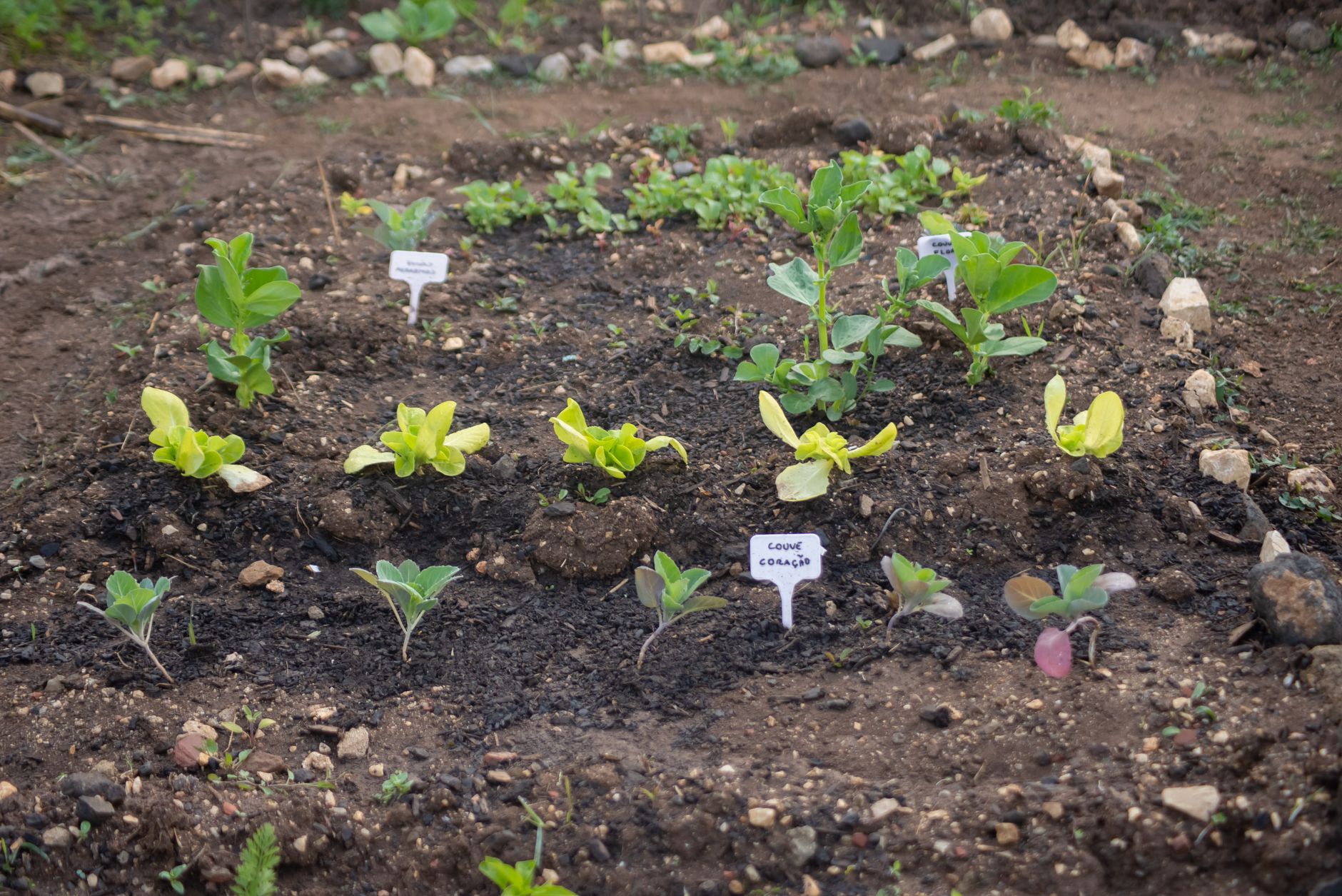
A survival garden turns sunlight, soil, and seed into fresh calories. The how to start a survival garden guide recommends starting with calorie-dense crops like potatoes, sweet potatoes, dry beans, and winter squash. A $50 seed kit can produce over 500 pounds of vegetables in a single growing season if you have decent soil and water. That is real food, not just garnish.
The downside is time. A garden will not feed you in week one of an emergency. It takes 60 to 120 days for most calorie crops to mature. You also need water. A mature garden can drink 20 to 40 gallons per day in hot weather. If your water storage is limited, a garden competes with your drinking supply.
Still, no off-grid homestead is complete without one. Even a small 10x20 foot plot can supplement stored food with vitamins and fresh calories. Save seeds from heirloom varieties so you are not dependent on seed catalogs. Compost kitchen scraps to build soil fertility over time.
Key strengths:
- ✅ $50 seed kit can yield 500+ pounds of produce
- ✅ Renewable, no shelf life limit
- ✅ Supplements stored food with fresh vitamins
- ✅ Heirloom seeds can be saved year after year
- ❌ Takes 60 to 120 days before harvest
- ❌ Requires 20 to 40 gallons of water per day in summer
- ❌ Climate, pests, and soil quality limit yields
Who it’s for: Choose this if you have land, water access, and time to tend a productive garden.
5. Off-Grid Emergency Communications , Best for staying informed during grid failure
When the power goes out, your phone becomes a brick after a day or two. A hand-crank emergency radio keeps you connected to NOAA weather alerts and local AM/FM broadcasts. The best units include a built-in flashlight, a USB charging port, and solar panels. A one-minute crank gives about 10 to 15 minutes of radio listening.
Two-way radios are even better for staying in touch with family. FRS and GMRS radios work up to 1 to 5 miles depending on terrain. A GMRS license costs $35 for 10 years, but you can use FRS radios without a license. Keep a written list of frequencies and schedules. Cell towers fail, but radio waves do not care.
Do not rely on just one device. A hand-crank radio covers receive-only information. A pair of GMRS radios covers local coordination. A shortwave receiver can pull in broadcasts from hundreds of miles away. Test all your gear monthly. Dead batteries in a drawer are useless.
Key strengths:
- ✅ Hand-crank radios work with no batteries
- ✅ NOAA weather alerts keep you informed of storms
- ✅ GMRS radios coordinate family within 1 to 5 miles
- ✅ Solar panels on radios provide backup charging
- ❌ Limited range compared to cell phones
- ❌ GMRS license required for some frequencies
- ❌ Cheap radios have poor reception and flimsy cranks
Who it’s for: Choose this if you need to receive alerts and coordinate with family when the grid fails.
Frequently Asked Questions
How much water do I need for off-grid living?
FEMA recommends storing at least 1 gallon per person per day for drinking and sanitation. A 14-day supply for one person is 14 gallons. For cooking and hygiene, store 2 gallons per person per day if possible.
What is the best food for long-term off-grid storage?
Freeze-dried meals offer a 25-year shelf life and require only boiling water to prepare. Canned goods, rice, beans, and oats are cheaper but last 2 to 5 years. Balance both for variety and daily calories.
Can I power a refrigerator off-grid?
Yes. A 1,000Wh to 2,000Wh solar generator can run a standard fridge for 10 to 24 hours depending on wattage. Pair it with 200 to 400 watts of solar panels to recharge daily.
How much does off-grid living cost to start?
A basic setup costs $1,500 to $5,000 for solar power, water storage, food, and communications. A full homestead system can run $20,000 or more. Start with priority items like water and food.
What does FEMA recommend for off-grid preparedness?
FEMA’s Ready.gov advises two weeks of food, water, and medications for every household. The CDC adds that you should keep a battery-powered radio and a first aid kit.
Is a survival garden worth it for off-grid living?
Yes. A $50 seed kit can produce over 500 pounds of vegetables in one growing season. It requires water, soil, and daily care, but it provides renewable calories and nutrients.
What Should You Remember?
- Start small: Build a 72-hour kit before buying a whole solar array.
- Water first: Store at least 1 gallon per person per day for 14 days.
- Calories count: Plan for 2,000 calories per person per day.
- Shelf life matters: Freeze-dried food lasts 25 years, canned goods 2 to 5 years.
- Power independence: A 1,000Wh solar generator keeps a fridge running 10 to 15 hours.
- Grow what you eat: A $50 seed kit can produce hundreds of pounds of food.
- Stay connected: Hand-crank radios work when the grid and cell towers fail.
This article is for general information only. Emergency preparedness involves real safety risk , always consult official sources (local authorities, CDC, FEMA) and verify gear before relying on it.