When a wildfire crests the ridge or flash floods close roads, you may have only minutes to leave. A bug out bag prepares you to grab and go without scrambling. Yet, according to FEMA’s Ready.gov, only 38% of Americans have assembled any kind of emergency kit. That gap leaves millions exposed during mandatory evacuations. A structured checklist helps you avoid critical oversights, from water storage to vital documents. The Red Cross also notes that nearly half of all households do not know what destinations they would go to in an evacuation.
The bug out bag checklist for 2026 reflects lessons from recent years. Colorado’s Marshall Fire in 2021 and Hurricane Ian in 2022 showed that power outages, contaminated water, and sudden evacuations are more common. The CDC stresses that public health in disasters hinges on access to clean water, medication, and first aid. A 2024 CDC report found that 1 in 5 evacuees without a first aid kit experienced delays in wound care, leading to preventable infections.
This guide walks you through every essential category, from water purification to document protection. You will find specific gear recommendations, links to detailed reviews, and the evidence behind each choice. Use this checklist to build or upgrade your bug out bag so you are never caught unprepared.
| Category | Recommended Gear | Why It’s Critical |
|---|---|---|
| Water | Sawyer Squeeze filter, purification tablets, metal bottle | Prevents dehydration and waterborne illness when clean water sources are scarce. |
| Food | Freeze-dried meals, energy bars, nut butter packets | Provides sustained energy and morale without cooking fuel. |
| Shelter | Emergency bivvy, tarp, sleeping bag, paracord | Guards against hypothermia and exposure during overnight stays. |
| First Aid | Comprehensive kit, prescription meds, hand sanitizer | Treats injuries immediately and stops infections that worsen in dirty environments. |
| Communication | Hand-crank radio, solar power bank, signal mirror | Keeps you connected to emergency broadcasts and helps rescuers find you. |
| Documents | Waterproof folder, USB drive, cash, multi-tool | Proves identity, unlocks insurance claims, and provides cash when cards fail. |
What Water and Hydration Gear Should Your Bug Out Bag Include?
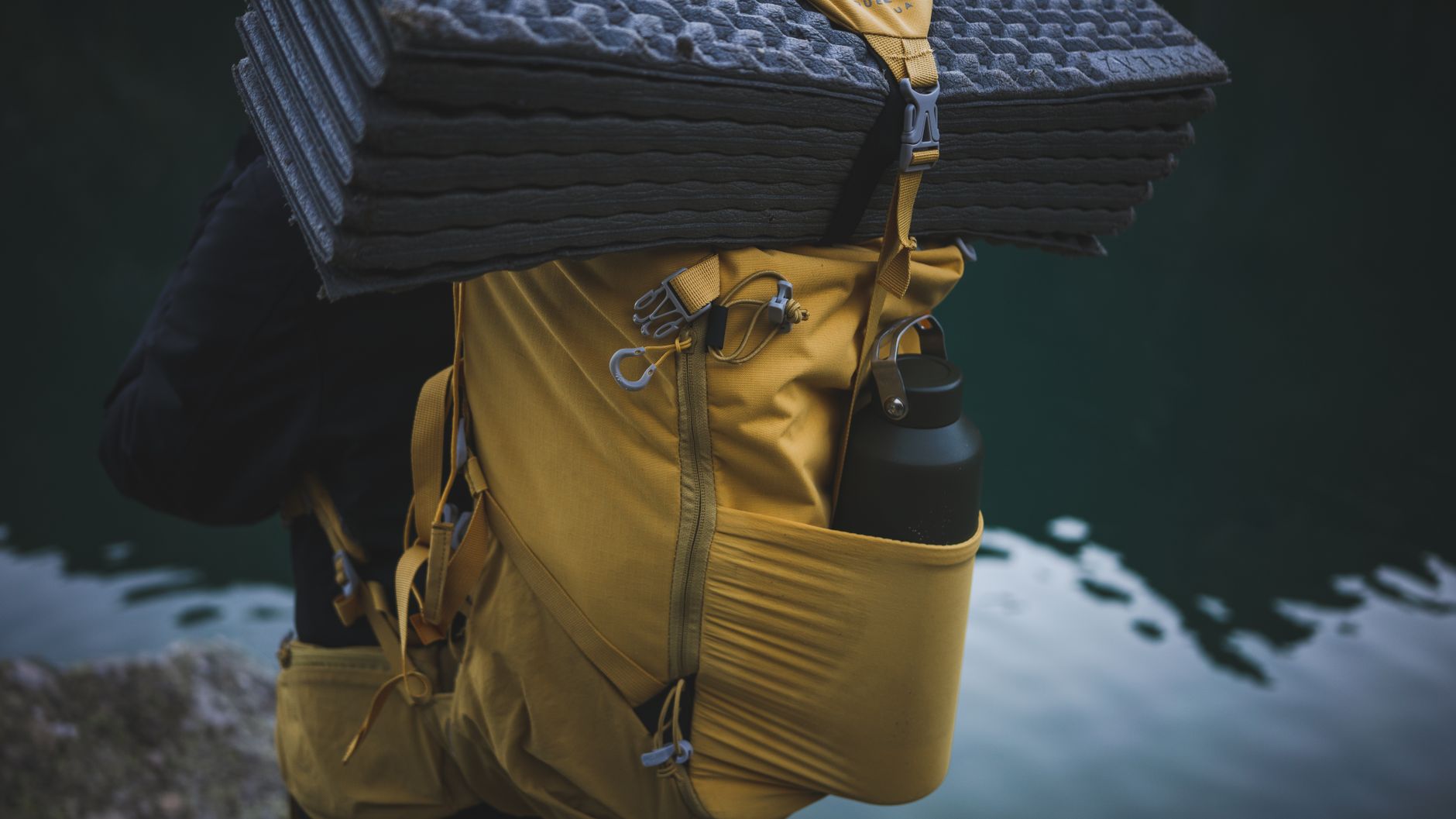
Water is the most critical survival element. Each person needs at least one gallon per day for drinking and hygiene, according to FEMA’s emergency water guidelines. However, lugging three gallons is heavy, so your bag should hold a portable water filter like the Sawyer Squeeze, plus purification tablets for backup. Collapsible water bottles save space. Consider a stainless steel single-wall bottle that can boil water if you have a fire source. The best survival water filters can remove 99.9999% of bacteria. A guide to water purification methods explains UV pens and chemical treatments. For extended emergencies, stash a water storage container in your vehicle. Proper hydration prevents confusion and physical collapse during a long evacuation on foot.
- Portable water filter (Sawyer, Lifestraw, or Katadyn BeFree)
- Collapsible canteen or hydration bladder
- Purification tablets (chlorine dioxide)
- Single-wall metal water bottle for boiling
What Food and Nutrition Supplies Are Critical for Evacuation?
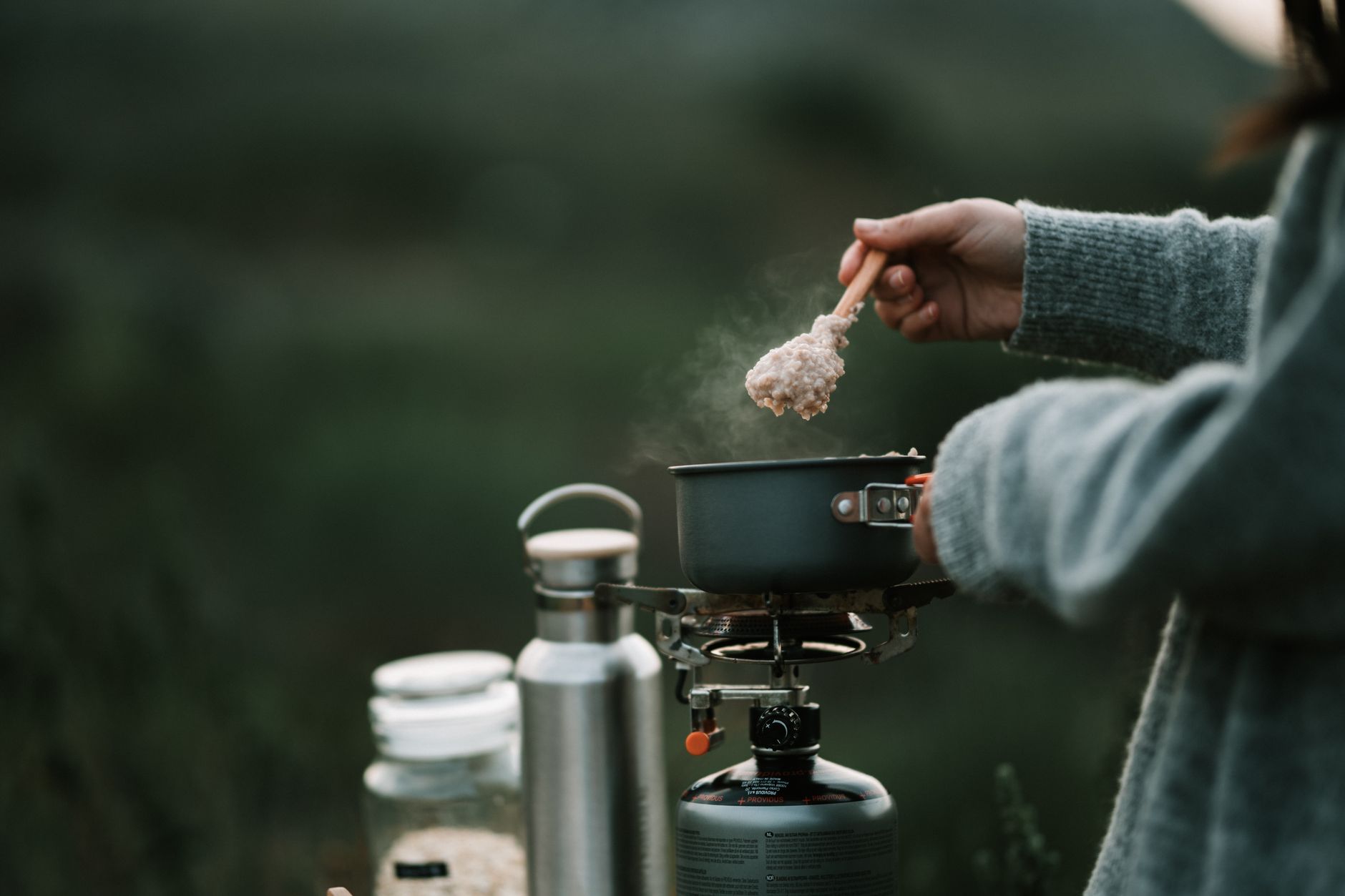
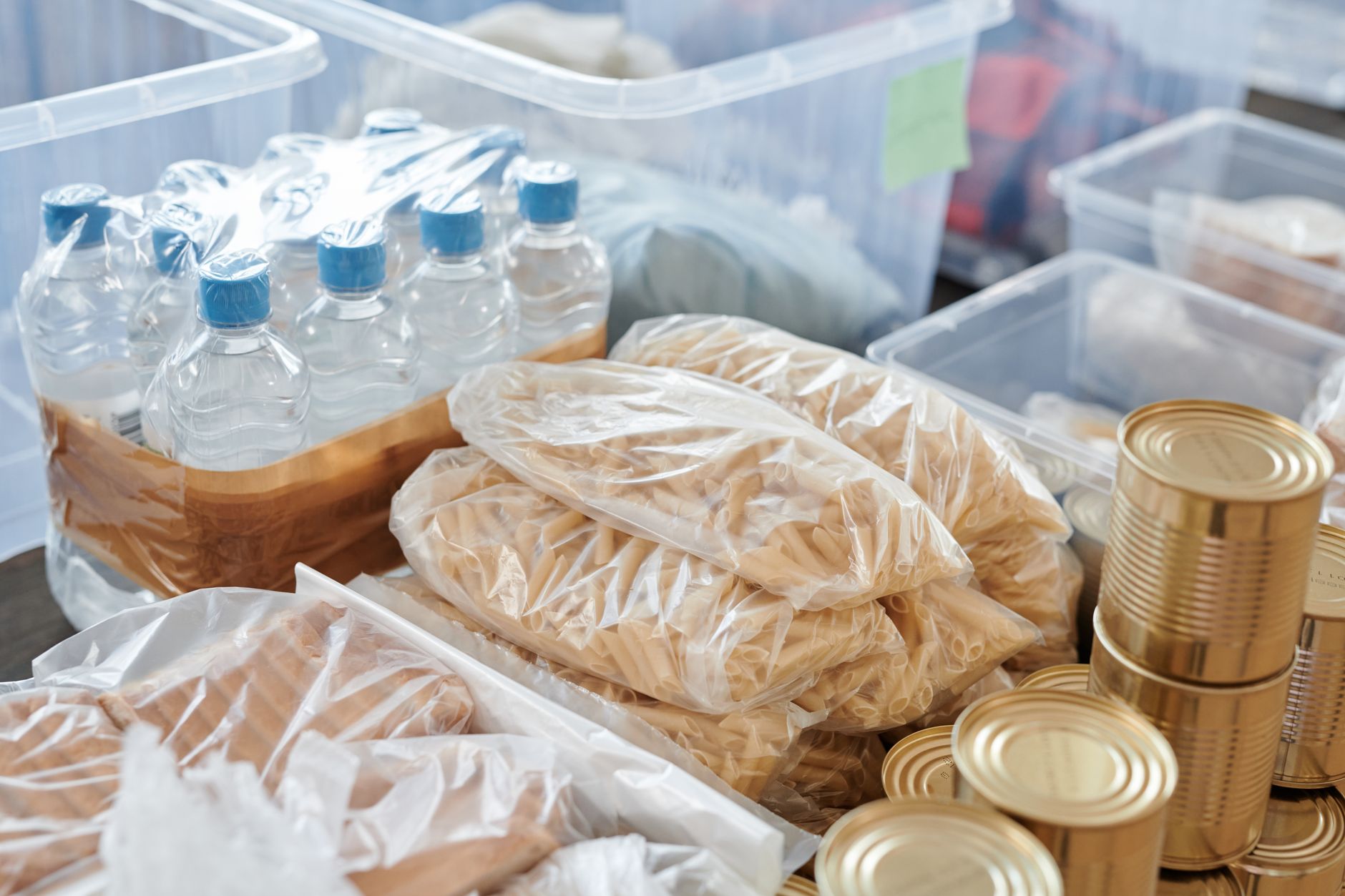
High-energy, non-perishable food items require no cooking if utilities are down. The USDA advises storing shelf-stable foods with long expiration dates. A food storage calculator helps determine portions. Pack at least 2,000 calories per person per day, choosing freeze-dried meals that only need cold water, like those reviewed in our best emergency food supply guide. Include energy bars, nut butter packets, and dried fruits. A lightweight mess kit with a spork and insulated cup completes the food module. If you have special dietary needs, add baby formula or gluten-free options. The Red Cross also recommends a two-week food supply for shelter-in-place, but for a bug out bag, 72 hours of compact rations suffices. Hunger saps decision-making ability, so prioritize calorie-dense selections.
- Freeze-dried meal pouches (Mountain House, Peak Refuel)
- High-calorie energy bars (ProBar, Clif Builder)
- Nut butter packets and dried fruits
- Compact mess kit with spork and insulated cup
How Do You Build a Shelter and Sleeping System for 72 Hours?
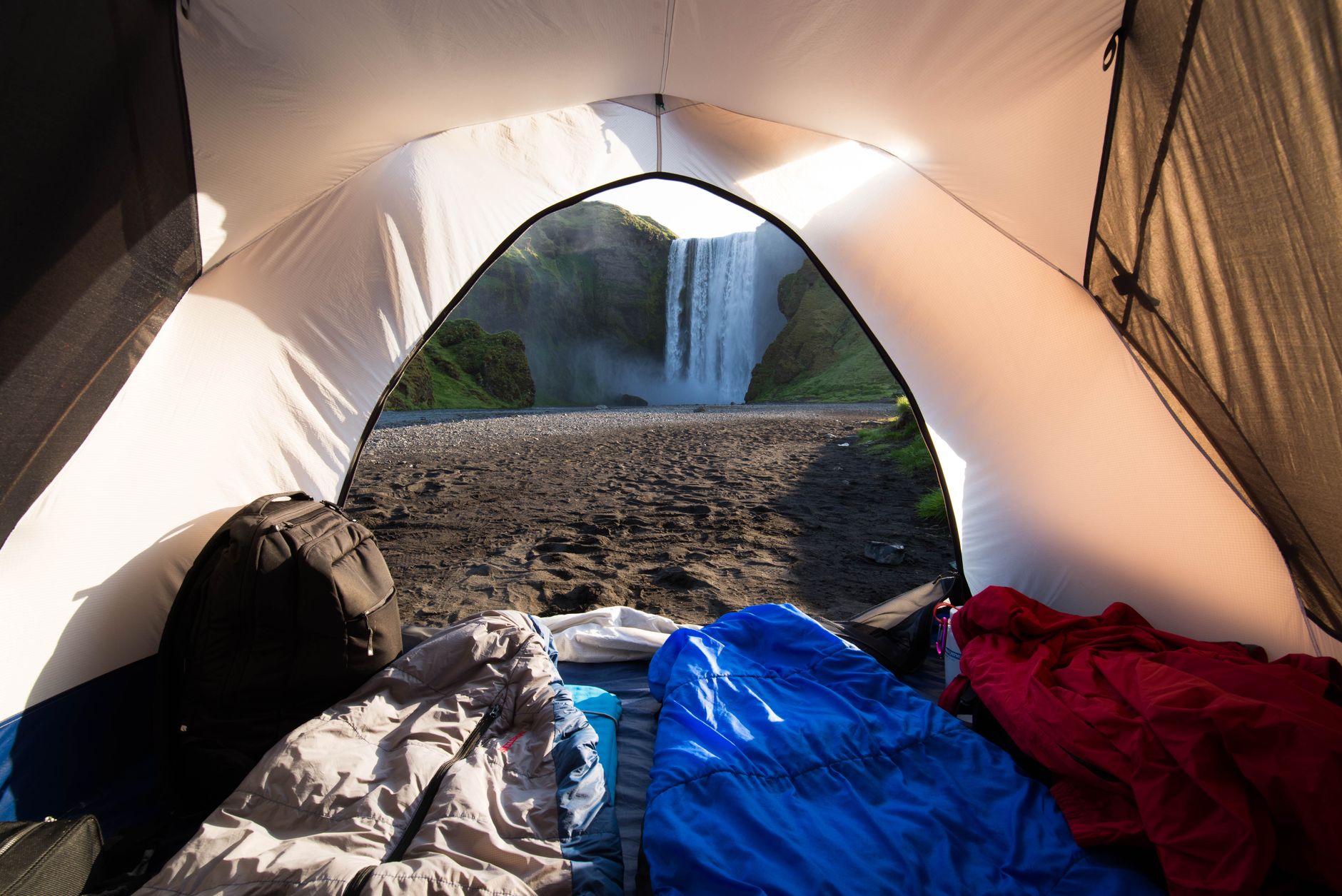
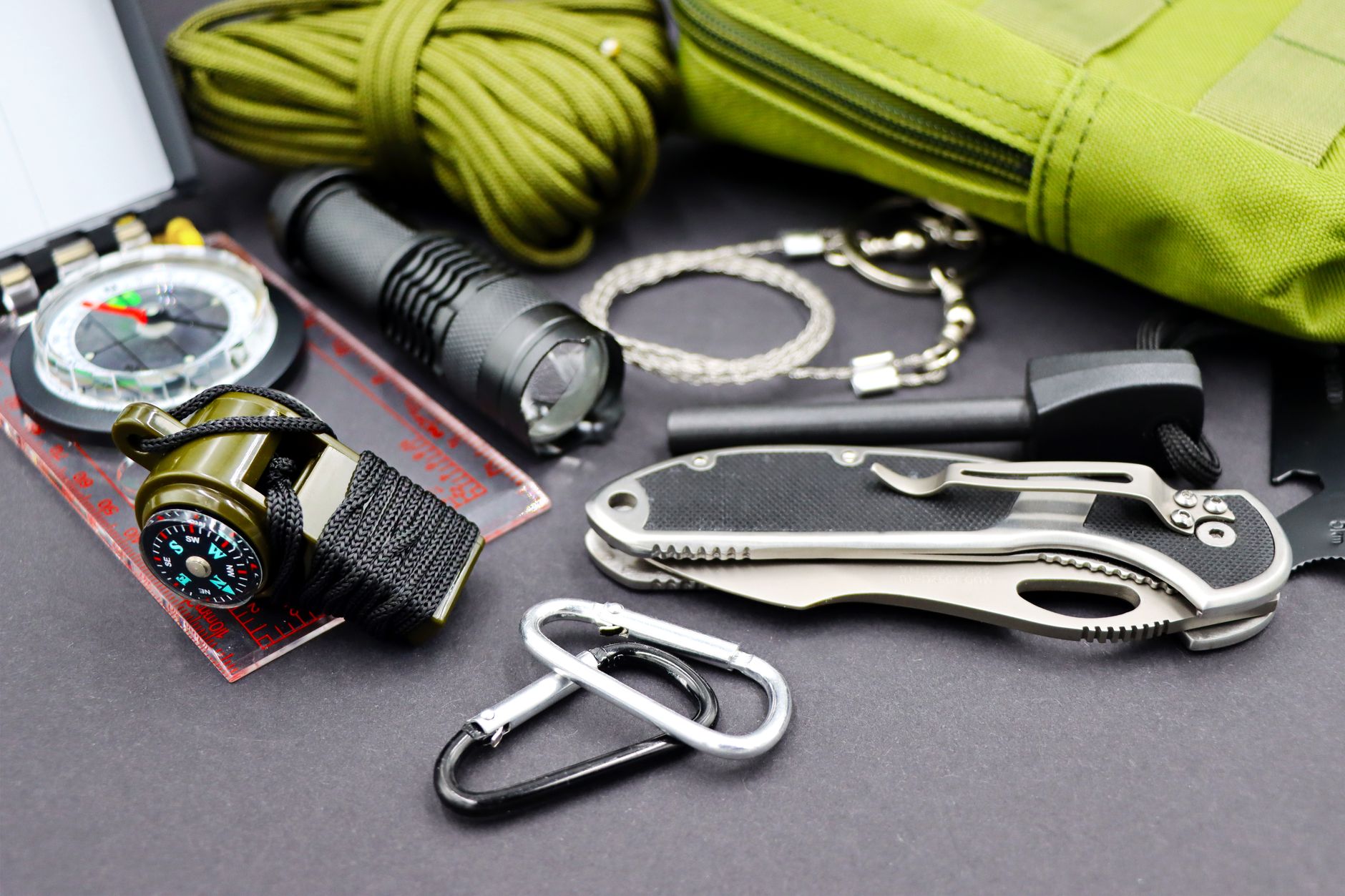
Exposure can be fatal in cold or wet conditions. A lightweight emergency bivvy and a compact tarp shelter can shield you from wind and rain. A multi-tool with a knife blade, like the Leatherman Signal included in our best bug out bags guide, lets you cut cordage and stakes. A three-season sleeping bag compressed into a stuff sack fits inside a 40- to 50-liter pack. Wool blankets retain warmth even when damp. Pack a mylar space blanket as an extra layer. If you evacuate by car, a larger tent can live in the trunk. Check our 72-hour emergency kit guide for full shelter checklists. The key is to practice setting up your shelter before you need it, so the motions become automatic under stress.
- Emergency bivvy sack or mylar space blanket
- Compact tarp with grommets and paracord
- Three-season sleeping bag or wool blanket
- Multi-tool with blade for shelter construction
What First Aid and Hygiene Items Do You Need According to the Red Cross?
The Red Cross standard for a portable first aid kit covers bandages, antiseptic wipes, gauze pads, adhesive tape, scissors, tweezers, and over-the-counter pain relievers. Personalize the kit with two weeks of prescription medications and copies of the prescriptions. Include a small bottle of hand sanitizer, biodegradable soap, and menstrual products. According to a 2024 CDC study, 19% of post-evacuation clinic visits were for preventable wound infections among evacuees lacking basic first aid. A comprehensive first aid kit can stop that spiral. Also pack a quick-reference first aid manual. The Red Cross suggests attending a CPR and first aid course annually, so your skills match your supplies. Hygiene items reduce the risk of gastrointestinal illness when sanitation systems collapse.
- Bandages, gauze, adhesive tape, and antiseptic wipes
- Two-week supply of prescription medications
- Hand sanitizer, biodegradable soap, menstrual products
- First aid manual and CPR face shield
What Communication and Power Gear Keeps You Connected During an Evacuation?
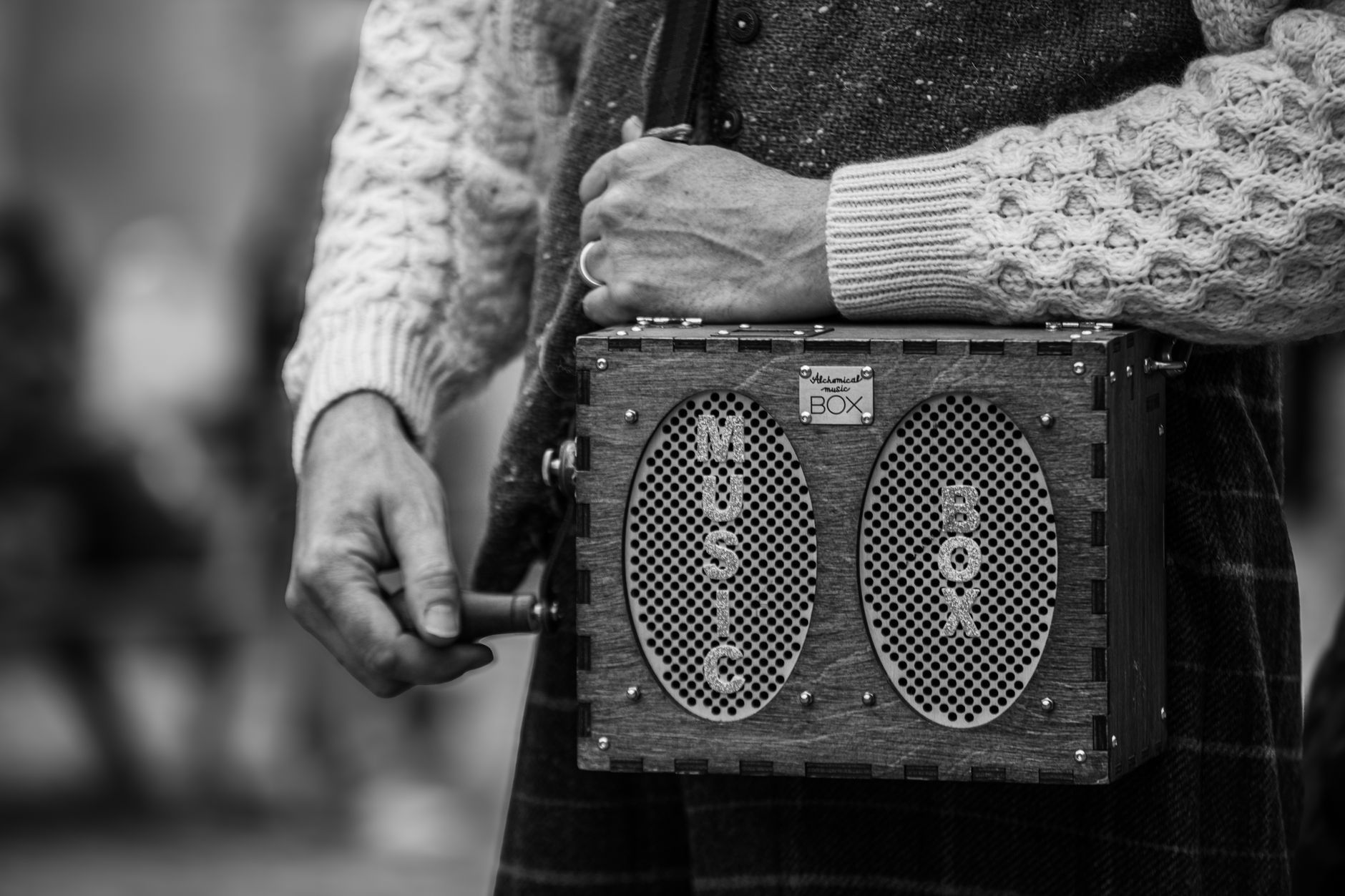
When cell towers fail, a hand-crank emergency radio with NOAA weather alerts becomes your information lifeline. Our top hand-crank radio picks include models that charge your phone via USB. Pair it with a solar power bank that keeps devices alive for days. A portable solar generator, like those in our best solar generators 2026 guide, can power a small fridge or medical device if you shelter in place. Write down important phone numbers on waterproof paper, as digital contacts are useless if your phone dies. Signal mirrors and whistles round out your communication kit. NOAA’s weather safety page provides frequency details for local alerts. Practice using all devices before an emergency so you can operate them in the dark.
- Hand-crank radio with NOAA weather bands
- Solar power bank (10,000 mAh or higher)
- Portable solar generator for extended needs
- Waterproof notepad, permanent marker, and emergency whistle
What Personal Documents and Miscellaneous Items Complete the Checklist?
Physical copies of passports, birth certificates, insurance policies, and property deeds can restart your life after a disaster. Store them in a waterproof bag. Include a thumb drive with digital scans, plus some cash in small bills because ATMs fail. A multi-tool like a Leatherman Wave adds pliers, can opener, and screwdrivers. Also add a local map, duct tape, a sewing kit, and a deck of cards for mental strain. Our 72-hour emergency kit checklist covers these small but vital items. Finally, update the bag every six months when daylight saving time changes, swapping out expired food and batteries. These overlooked items are often the difference between chaos and a controlled evacuation.
- Waterproof document pouch with copies of IDs and insurance
- Thumb drive with digital scans and password manager backup
- Cash in small denominations and a multi-tool
- Regional map, duct tape, and personal comfort items
Frequently Asked Questions
How often should I update my bug out bag?
Check your bag every six months. Rotate food, water, and batteries. Update clothing for seasonal changes and replace any expired medications.
What is the ideal bag capacity for a 72-hour kit?
A 40- to 55-liter backpack works best. This size balances gear capacity with portability. Avoid overly large military packs that slow you down.
Can I use my car emergency kit as a bug out bag?
A car kit supplements but does not replace a dedicated go bag. In a sudden evacuation, you may have to leave your vehicle, so a portable pack is essential.
Should I pack a firearm in my bug out bag?
Personal preference and local laws dictate. If you do, include a safe holster and secure storage. Most evacuation scenarios rely on avoidance, not confrontation.
How much water should I carry per person?
Plan for one gallon per person per day. Since carrying that much water is heavy, pack water purification tools and know water sources along your route.
What are the most overlooked items in a bug out bag?
Prescription glasses, spare car keys, pet supplies, and comfort items for children. Many people forget to include copies of legal documents and emergency contact lists.
What Should You Remember?
- FEMA recommends every household have a go bag with enough supplies for at least 72 hours.
- Water purification is mandatory because you cannot carry three days of water without filters and chemical treatments.
- Pack non-perishable, high-calorie food that requires no cooking, plus a mess kit and eating utensil.
- A compact shelter and sleeping bag prevent hypothermia even in unexpected overnight stays outdoors.
- A first aid kit tailored to your family’s needs reduces injury complications by 19%, according to the CDC.
- A hand-crank radio and solar charger keep you informed and connected when cell networks fail.
- Document copies and cash serve as your post-disaster recovery foundation, so protect them in waterproof containers.
This article is for general information only. Emergency preparedness involves real safety risk — always consult official sources (local authorities, CDC, FEMA) and verify gear before relying on it.