Every winter, severe weather causes thousands of vehicle-related emergencies. According to the Federal Highway Administration, over 1,300 people are killed and more than 116,800 are injured in vehicle crashes during wintry conditions each year. But the threat extends beyond collisions. Hypothermia can strike quickly, as the CDC notes that core body temperature can drop to dangerous levels even when outdoor temperatures are above freezing if you’re wet or exposed to wind. For cold-climate drivers, a well-equipped winter car survival kit is essential. At SurvivalLab, we advocate building a kit that not only keeps you safe during a breakdown but also sustains you for an extended wait. Supplement your car kit with a 72-hour emergency kit at home and consider a bug-out bag for quick evacuations.
The Red Cross recommends that every vehicle carry a disaster supplies kit tailored for winter. Similarly, FEMA advises stocking your car with food, water, and warmth essentials. The goal is self-sufficiency for at least 24 to 48 hours. With modern gear and careful planning, you can create a compact, all-in-one solution that fits in your trunk or back seat. This guide will walk you through a complete checklist, explain why each item matters, and show you how to maintain your kit for the long haul.
Building a winter car survival kit doesn’t require a massive budget or a truckload of gear. By combining a few core categories (warmth, sustenance, communication, and tools) you can assemble a reliable kit that fits in a duffel bag or plastic tote. The key is to focus on multi-purpose, cold-weather-rated items. For instance, the food you pack should be non-perishable and easy to eat without cooking. Our best emergency food kits roundup highlights options that are ideal for vehicle storage. Don’t overlook water: the CDC suggests storing at least a three-day supply per person, but in a car, space is tight. Learn how to store water safely with our best emergency water storage containers guide.
Why Is a Winter Car Survival Kit Critical?
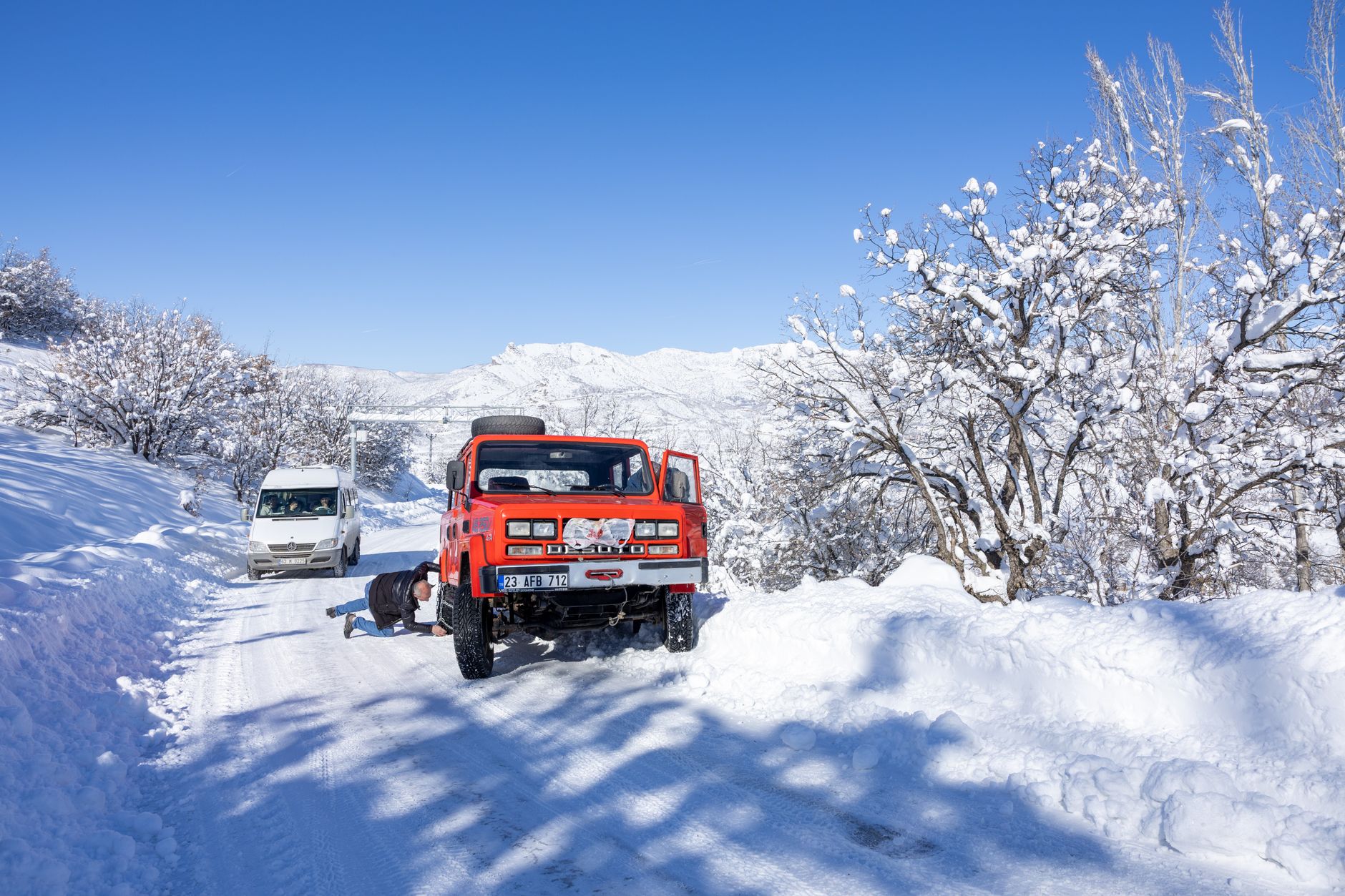
A winter car survival kit is not about hoarding; it’s about foresight. When a sudden whiteout traps you on an interstate, your vehicle quickly turns from a warm shelter into a freezing metal box. The CDC explains that hypothermia occurs when the body loses heat faster than it can produce it. In extreme cold, this can happen in less than 30 minutes. NOAA weather safety resources emphasize that wind chill accelerates heat loss, making a stranded vehicle a potential deathtrap. Meanwhile, the Federal Highway Administration reports that winter road conditions contribute to over 1,300 fatalities each year. Beyond accidents, the risk of carbon monoxide poisoning from running the engine in deep snow is another silent killer. The Red Cross advises drivers to always keep a survival kit in the car during winter months, as it can extend your survival window until help arrives. For a broader look at cold-weather preparedness at home, explore our power outage survival guide.
What Essentials Belong in a Winter Car Survival Kit?
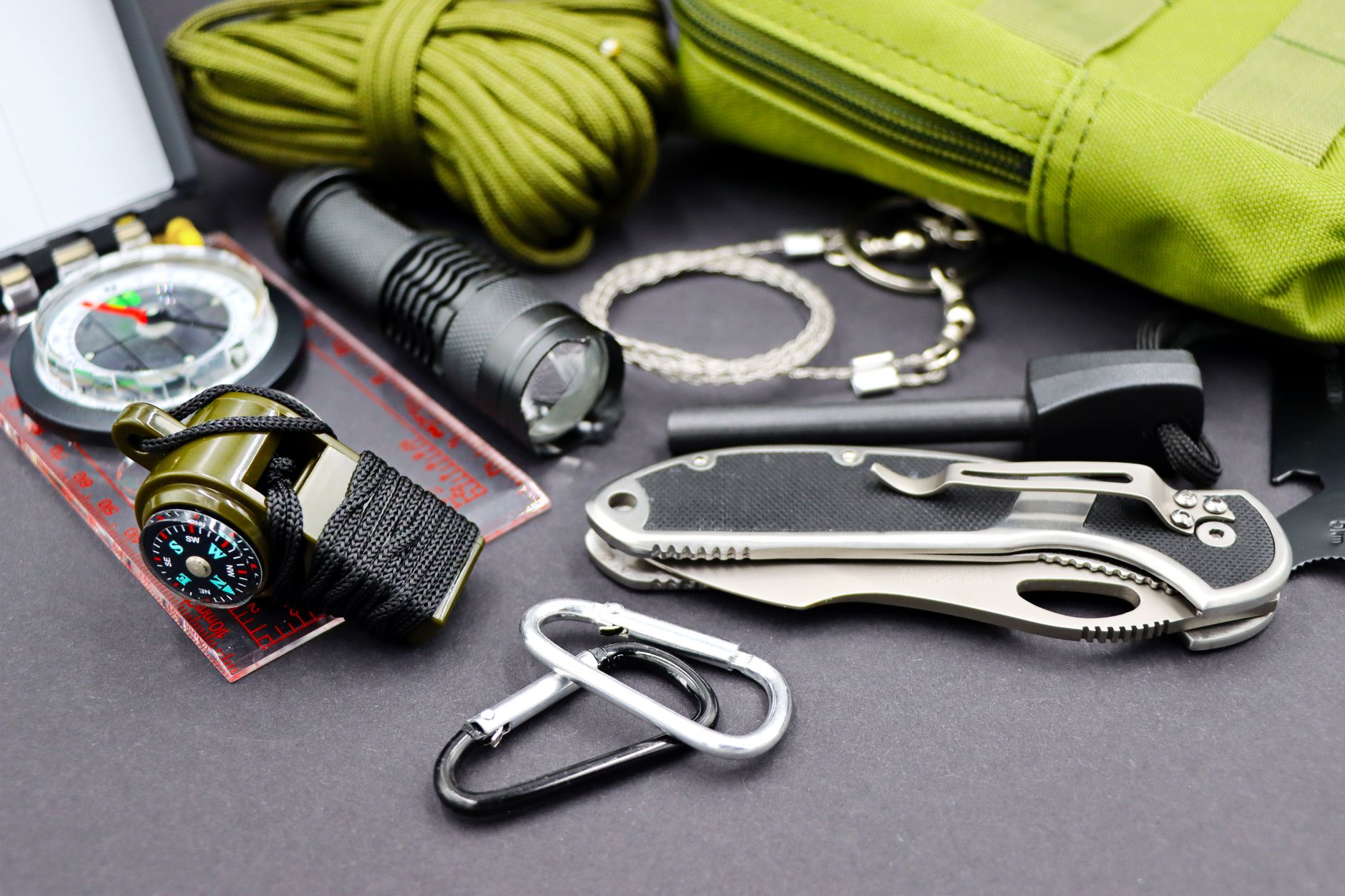
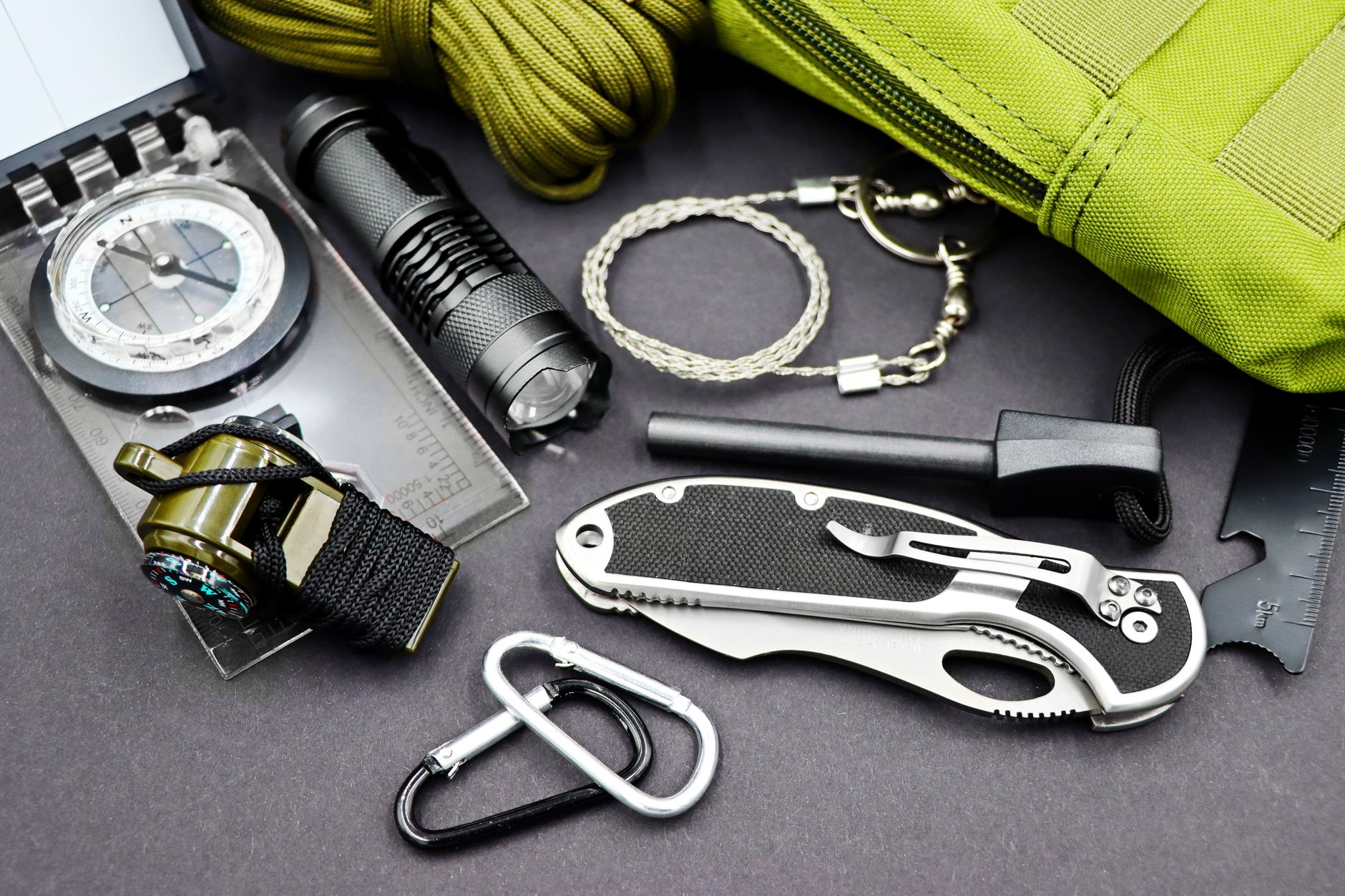
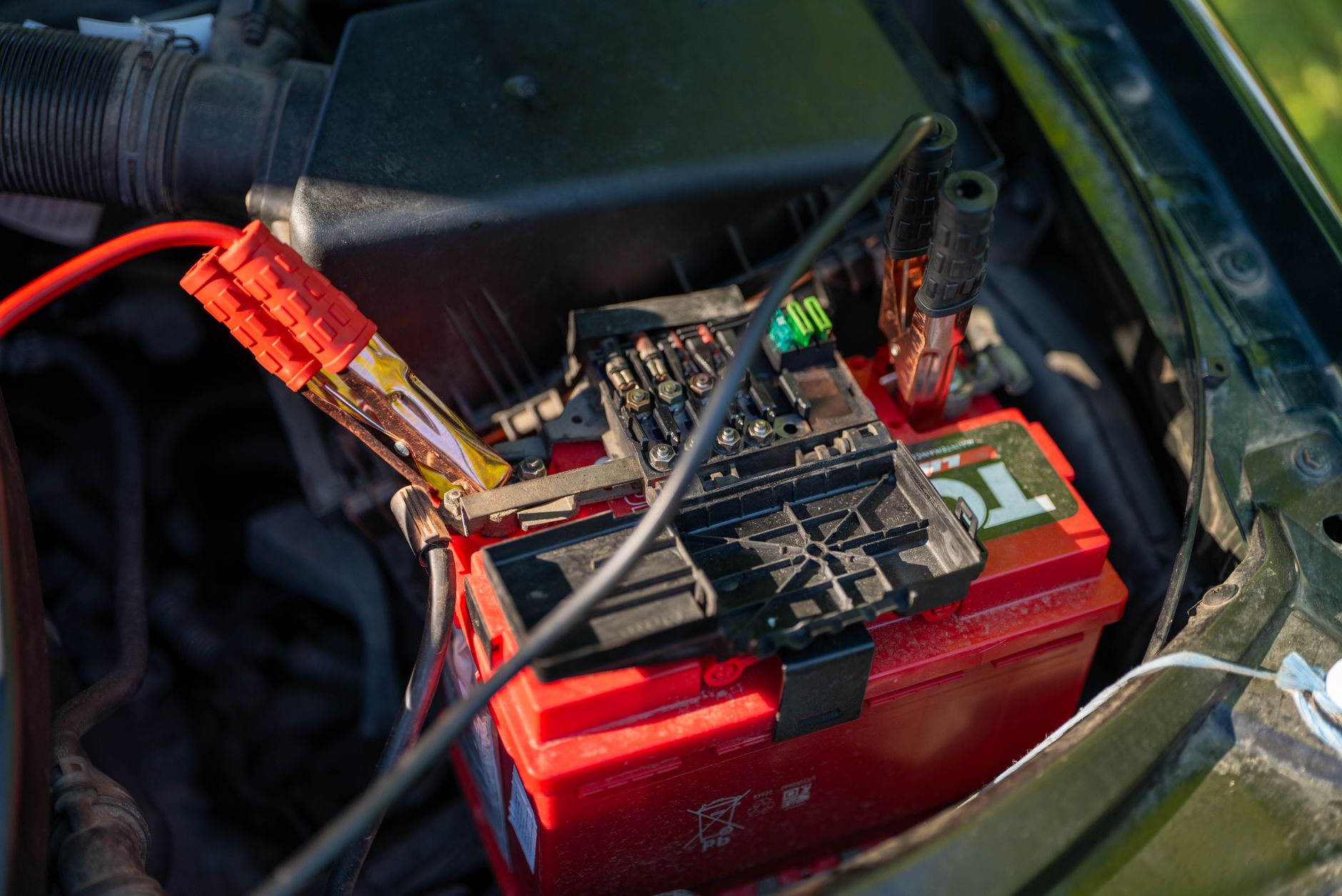
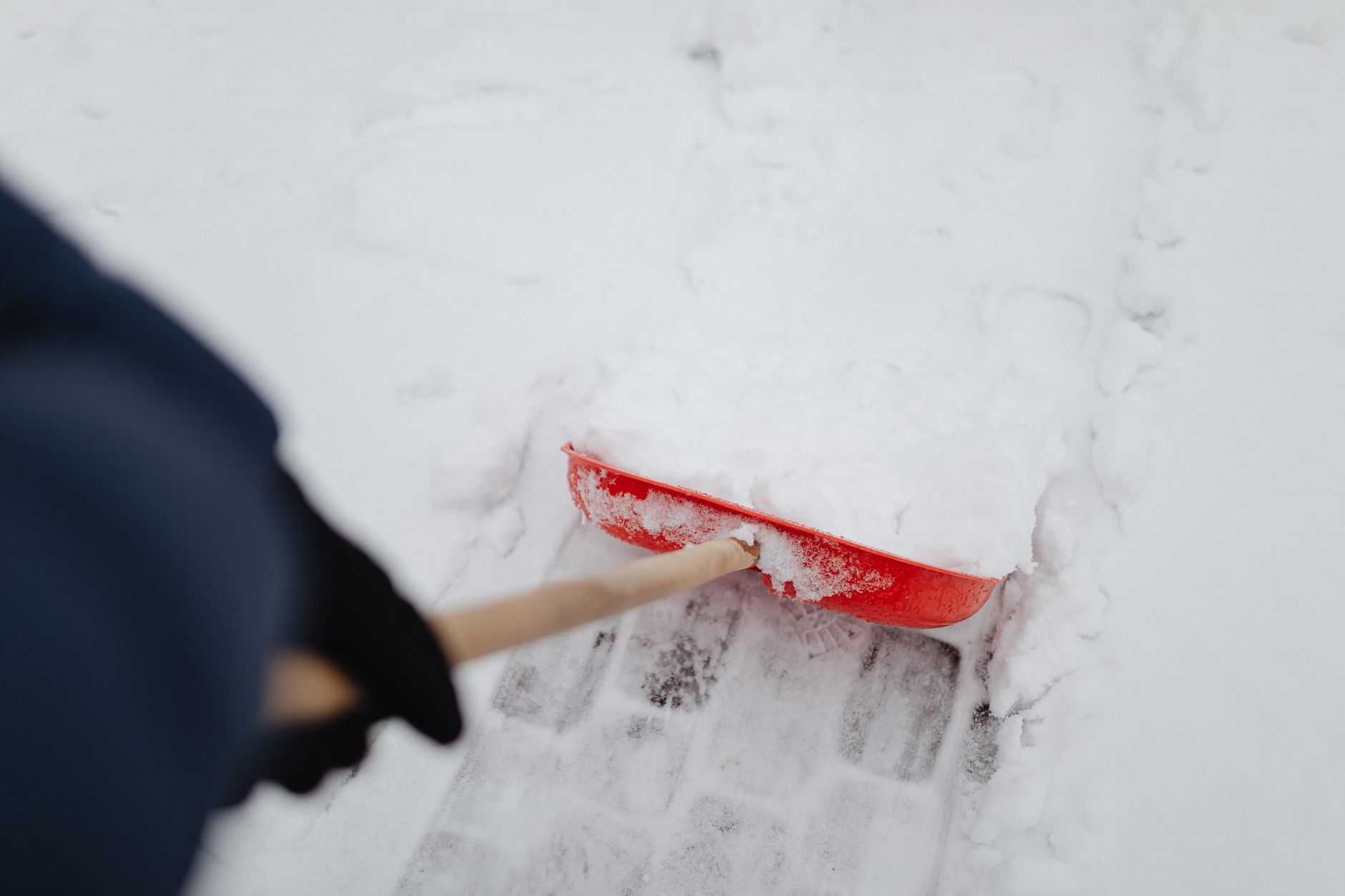
A complete winter car kit covers warmth, nourishment, communication, and minor repairs. Here are the non-negotiables. Warmth: one heavy wool or fleece blanket per person, space blankets, extra hats and gloves, and a pack of chemical hand warmers. Sustenance: high-calorie emergency food bars or freeze-dried meals, and at least three 1-liter bottles of water stored in insulated sleeves. Communication and light: a hand-crank emergency radio to receive NOAA weather alerts, a bright LED flashlight with lithium batteries (which perform better in cold), and a portable power bank to keep your phone charged. Vehicle tools: jumper cables, tow strap, a folding shovel, ice scraper, cat litter or sand for traction, and reflective warning triangles. First aid and multi-tool: a well-stocked first aid kit and a quality multi-tool can handle minor injuries and on-the-spot fixes. Store everything in a waterproof container and label it clearly.
- Wool blankets, space blankets, chemical hand warmers
- High-calorie food bars and insulated water bottles
- Hand-crank emergency radio and LED flashlight
- Jumper cables, tow strap, folding shovel, ice scraper
- Cat litter or sand for traction, reflective triangles
- First aid kit, multi-tool, duct tape, extra cash
How Do You Store Food and Water Safely in a Vehicle?
Temperature swings inside a parked car can freeze water and spoil food. Use BPA-free plastic bottles filled only 80% to allow for ice expansion. Alternatively, insulated stainless steel bottles keep water liquid longer. The USDA recommends storing non-perishable food in airtight containers away from direct sunlight and heat sources. For winter, choose items that remain edible even if frozen: energy bars, nuts, dried fruit, and vacuum-sealed meals. Rotate these supplies every six months and mark expiration dates on the container. Our food storage calculator can help you plan quantities. Water purification methods like a small filter or purification tablets serve as a backup if you run out of stored water. Check the integrity of your emergency water storage containers each season to ensure no leaks or cracks.
What Communication and Power Devices Are Essential?
Cell towers may go down during severe winter storms, or your phone battery can die quickly in the cold. A hand-crank emergency radio with NOAA weather band keeps you informed of changing conditions and rescue efforts. Pack a solar-powered charger or a high-capacity power bank to recharge small electronics. A survival flashlight with a hand-crank or replaceable lithium batteries provides steady light without draining your phone. Also include a whistle to signal for help and a laminated card with emergency contact numbers. NOAA’s weather radio network broadcasts warnings 24/7, having that link to the outside world can save hours of anxiety and ensure you make informed decisions about when to conserve fuel or attempt to walk for help.
How Can You Stay Warm If Stranded in Your Car?
Hypothermia is the primary killer in a stranded winter scenario. Run the engine for 10 minutes every hour to generate heat, but first clear the exhaust pipe of snow to prevent deadly carbon monoxide entry. While the engine is off, layer up with wool blankets and insulated clothing. Mylar space blankets reflect body heat effectively. Unroll a sleeping bag from a bug-out bag checklist if you have one. Chemical hand warmers placed in armpits and groin areas help elevate core temperature. Never use a propane heater or a camping stove inside the car, the CO buildup can be fatal. A small candle inside a metal tin provides modest warmth and light. For more cold-weather home strategies, review our power outage survival guide.
What Vehicle Maintenance Steps Improve Winter Safety?
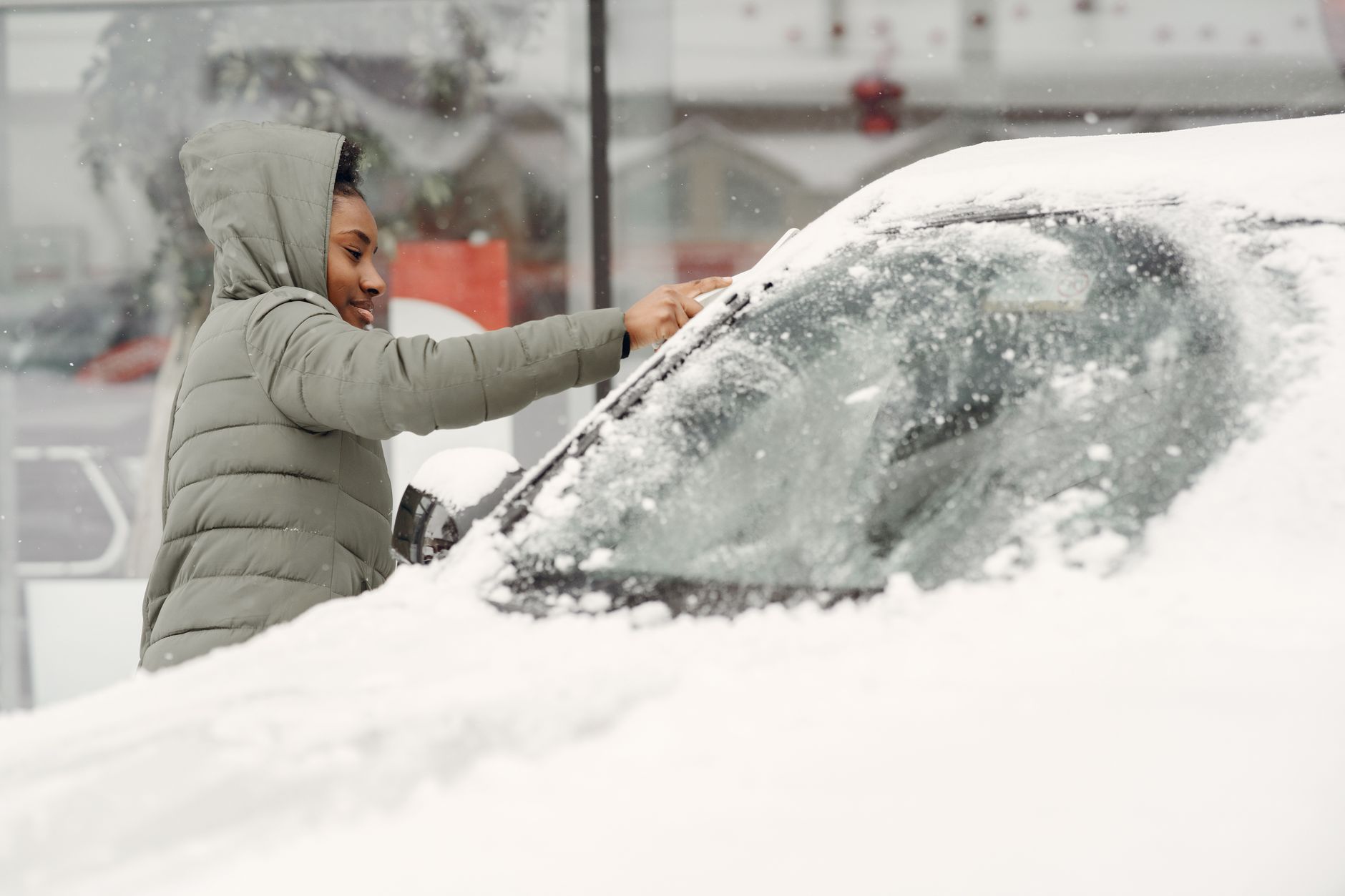
Prevention starts under the hood. Keep your gas tank at least half full to avoid fuel line freeze and to provide an emergency fuel reserve. Have your battery tested before winter, cold reduces cranking amps significantly. Switch to winter-grade oil and ensure coolant and windshield washer fluids are rated for subzero temperatures. Install winter tires or maintain proper tread depth on all-season tires; low tread drastically increases stopping distance on ice. Replace wiper blades with winter-specific versions that prevent ice buildup. Always carry a sturdy ice scraper, snow brush, and a bag of sand or kitty litter for traction. NOAA’s winter driving resource page provides additional vehicle prep tips. By coupling a well-maintained vehicle with a stocked winter car survival kit, you dramatically reduce the risk of a minor breakdown turning into a life-threatening situation.
Frequently Asked Questions
How often should I replace the food and water in my car kit?
Every 6 months, or before each winter season. Store food in airtight containers and water in insulated bottles to prevent freezing. Rotate supplies to maintain freshness and check for container damage.
Can I use a propane heater inside my car to stay warm?
No. Propane heaters produce carbon monoxide and can cause poisoning. Only rely on clothing, blankets, and strategic engine use. If you run the engine, ensure the exhaust pipe is clear of snow.
What's the most important item in a winter car survival kit?
Warmth. Blankets, extra clothing, and mylar space blankets are critical because hypothermia is the primary threat. Without the ability to stay warm, other supplies become useless.
How much water should I store in the car for winter?
The CDC recommends at least one gallon per person per day. In a car, aim for three 1-liter bottles per person, stored in insulated sleeves. Rotate them every few months to prevent plastic degradation.
Do I need a different car kit for electric vehicles (EVs)?
The same supplies apply, but EV drivers should also carry a portable battery charger and know how to conserve battery range. Cold temperatures can reduce EV range by up to 40%, so planning is essential.
Should I keep my car kit in the trunk or the cabin?
The trunk is fine, but make sure you can access it from inside the car if the trunk is frozen. Keep a small emergency bag in the cabin with essentials like a flashlight, gloves, and a first aid kit for quicker access.
What Should You Remember?
- Winter car survival kit provides essential warmth, food, water, and communication tools to survive a winter breakdown.
- Emergency food and water must be stored properly to prevent freezing and spoilage; rotate supplies twice a year.
- Reliable communication with hand-crank radio and backup power ensures you stay informed and can call for help.
- Hypothermia prevention relies on layers, blankets, and strategic engine use; never use fuel-burning heaters inside a vehicle.
- Vehicle maintenance such as proper tires, fluids, and a full gas tank reduces the risk of getting stranded in the first place.
- First aid and tools like jumper cables, tow strap, and a multi-tool help you handle minor emergencies and improve your chances of rescue.
- Regularly check and update your kit before each winter trip, and supplement it with a home 72-hour emergency kit for full preparedness.
This article is for general information only. Emergency preparedness involves real safety risk — always consult official sources (local authorities, CDC, FEMA) and verify gear before relying on it.