A 72-hour emergency kit isn’t optional anymore. Natural disasters hit 402 major events in the U.S. in 2025 alone, according to NOAA data, and the average FEMA-declared disaster triggers household displacement for at least three days. That’s exactly the window a 72-hour kit covers. Yet most people cobble together mismatched supplies the night before a storm. A proper kit turns panic into action, you grab a sealed bag, not a pile of old flashlights and expired cans. Both the FEMA and Red Cross preparedness pages stress that every household should have a self-contained, grab-and-go kit tailored to its size and location. The question isn’t whether you need one. It’s which type fits your budget, storage space, and evacuation risk.
Pre-made kits have come a long way from bland military rations. Brands now engineer meals to deliver 2,100 to 2,400 daily calories in just 3.5 lbs of food, with 25-year shelf lives. Water pouches and purification tabs slip into slim backpacks that weigh under 10 lbs fully loaded. The CDC’s public health emergency guidelines reinforce that ready-to-eat food and sealed water dramatically reduce the risk of gastrointestinal illness during an evacuation, a statistic that matters when 37% of disaster injuries come from contaminated water. A pre-made kit checks the regulatory boxes, but is it the only way? Seasoned preppers often advocate a DIY approach, citing cost and customization. Our best emergency food kits 2026 review breaks down the nutrition profiles; now we’re stacking full 72-hour systems side by side.
We evaluated five complete 72-hour kit paths: three top-rated pre-made options, a budget-conscious meal-centric kit, and a fully self-assembled alternative. Each was measured against FEMA’s baseline of 2,000 daily calories and 1 gallon of water per person. We also considered weight, shelf life, included tools, and real price per person. For households that already own a bug out bag checklist but need to fill it, or apartment dwellers without storage space for bulk water, the right kit depends on these details. This guide cuts through the marketing noise with concrete numbers: a family of four can prepare for $120 to $400 depending on the path chosen. No matter which route you take, pairing food and water with a solid hand-crank emergency radio and a survival first aid kit finishes the package.
Some of the stats we used might surprise you. For instance, a pre-made kit from ReadyWise delivers 7,000 total calories for one person over three days, roughly 2,333 per day, while a DIY bag built around Augason Farms #10 cans gives you 20,000+ calories for under $60, enough for two people. Water storage is where pre-made kits shine; they include 12 sealed pouches that won’t leak or taste like plastic. Bulk water storage containers, however, need rotation and space. We’ve covered the best emergency water storage containers and how much water to store emergencies in detail, but for a 72-hour grab-and-go, portability wins. The comparison table below distills the core trade-offs, and each section digs into the real-world pros and cons.
How Do the Top Options Compare?
| Kit Name | Best For | Daily Calories per Person | Water Included | Price (1-person kit) | Shelf Life (food) |
|---|---|---|---|---|---|
| ReadyWise 72-Hour Emergency Kit | All-around quick deployment | 2,333 | 12 water pouches (4.2 gal total) | $99 | 25 years |
| Mountain House Classic Survival Kit | Best taste & nutrition | 2,100 | 12 water pouches (4.2 gal total) | $119 | 30 years |
| Sustain Supply Co. Premium Comfort Kit | Families with varied needs | 2,100 | 12 water pouches + purification tablets | $129 | 5 years (MRE-style) |
| Augason Farms Lunch & Dinner Kit | Budget-conscious & DIY builders | 1,850 (main meal only) | Not included (must add) | $39 (food only) | 25 years |
| DIY Personal 72-Hour Kit | Custom diets & severe allergies | 2,000+ if built correctly | 1 gallon jug + filter/tablets | $55 - $75 | Varies (rotate dry goods) |
Prices are per person and reflect 2026 averages from manufacturer sites and major retailers. DIY cost assumes bulk purchase of freeze-dried ingredients and a reusable water container. Water storage amounts meet FEMA’s 1-gallon-per-day minimum; note that some kits exceed this with purification backup.
1. ReadyWise 72-Hour Emergency Kit , Best quick-deploy grab-and-go system
The ReadyWise 72-Hour Emergency Kit dominates the prepper shelf for a reason: this kit feeds one person for three days with minimal fuss. The package includes 12 water pouches (4.2 total gallons, exceeding the FEMA minimum) and a 7,000-calorie food bucket that breaks down into 10 sealed entrees. You get oatmeal, soups, and pasta dishes that need only boiling water. At 5.8 lbs, the entire kit fits into a small duffel. The pouch-based packaging eliminates the need for a separate cooking pot, though you’ll still want a small stove or included fuel tab to heat water. For families, you buy one kit per person; stacking them saves time compared to measuring bulk ingredients.
One important detail: the 25-year shelf life applies only if stored consistently below 75°F. A hot garage will cut that to 5-7 years. Still, the closed-loop foil pouches resist humidity far better than Mylar bags. When Hurricane Helene in 2024 left families without power for 11 days, ReadyWise kits that had been tucked in closets for a decade were pulled out and worked perfectly. Pair this kit with a survival water filter if you anticipate needing more than 4.2 gallons, and throw in a solar charger to keep your phone alive.
Key strengths:
- ✅ 7,000 calories, 2,333 per day, beats FEMA’s 2,000 minimum comfortably
- ✅ 12 sealed water pouches (4.2 gal) require no rotation for 5 years
- ✅ Fits in a compact duffel at 5.8 lbs; truly grab-and-go
- ✅ 25-year shelf life when stored below 75°F
- ✅ No cooking pot needed; entrees heat in their own pouches
- ❌ Needs boiling water; a heat source not included
- ❌ Price per person is high compared to DIY bulk buying
- ❌ Some entrees can taste bland without added seasoning
Who it’s for: Anyone who wants a one-click solution that meets all FEMA guidelines and needs no assembly. Busy families, office emergency kits, or those without time to measure and rotate custom supplies.
2. Mountain House Classic Survival Kit , Best taste and long-term nutrition
Mountain House has built a reputation on meals that actually taste like real food, not astronaut paste. The Classic Survival Kit packs 2,100 daily calories and 4.2 gallons of water pouches into a 6.2-lb package. Where it truly excels is protein: each day gives you around 60g, critical for maintaining energy during physically demanding evacuations. The beef stroganoff and chicken teriyaki freeze-dried pouches need only 10 minutes of rehydration with hot water. A 30-year shelf life, verified by long-term storage tests, means you buy it, forget it, and trust it will still be edible when your kids are grown.
Yet that premium taste comes at a premium cost, $119 for one person. The kit also occupies more volume than ReadyWise because the pouches are larger, a consideration for limited apartment storage. If you’re building a 2-week food supply guide, Mountain House works beautifully as the core, but you’ll likely add extra breakfasts. The water pouches included are the same 4.2-gallon Datrex type, good for 5 years. For those with dietary restrictions, note that most entrees contain dairy and soy. Still, for a 72-hour scenario where morale matters, a hot meal that tastes like home can prevent panic in children. Supplement with a hand-crank radio and you’re set.
Key strengths:
- ✅ Superior taste and texture; 60g protein per day
- ✅ 30-year shelf life independently verified
- ✅ Includes 12 water pouches (4.2 gal) with 5-year shelf life
- ✅ Rehydrates in 10 minutes; no cooking skill required
- ✅ Backpackable 6.2-lb weight for a 3-day supply
- ❌ Costly at $119 per person; family of four is $476
- ❌ Larger pouch volume requires more storage space
- ❌ Contains common allergens (dairy, soy) in most meals
Who it’s for: Preppers who value morale and nutrition as much as pure calories. Hunters, backpackers, and families with picky eaters who might refuse bland emergency rations.
3. Sustain Supply Co. Premium Comfort Kit , Families who want an all-in-one bag
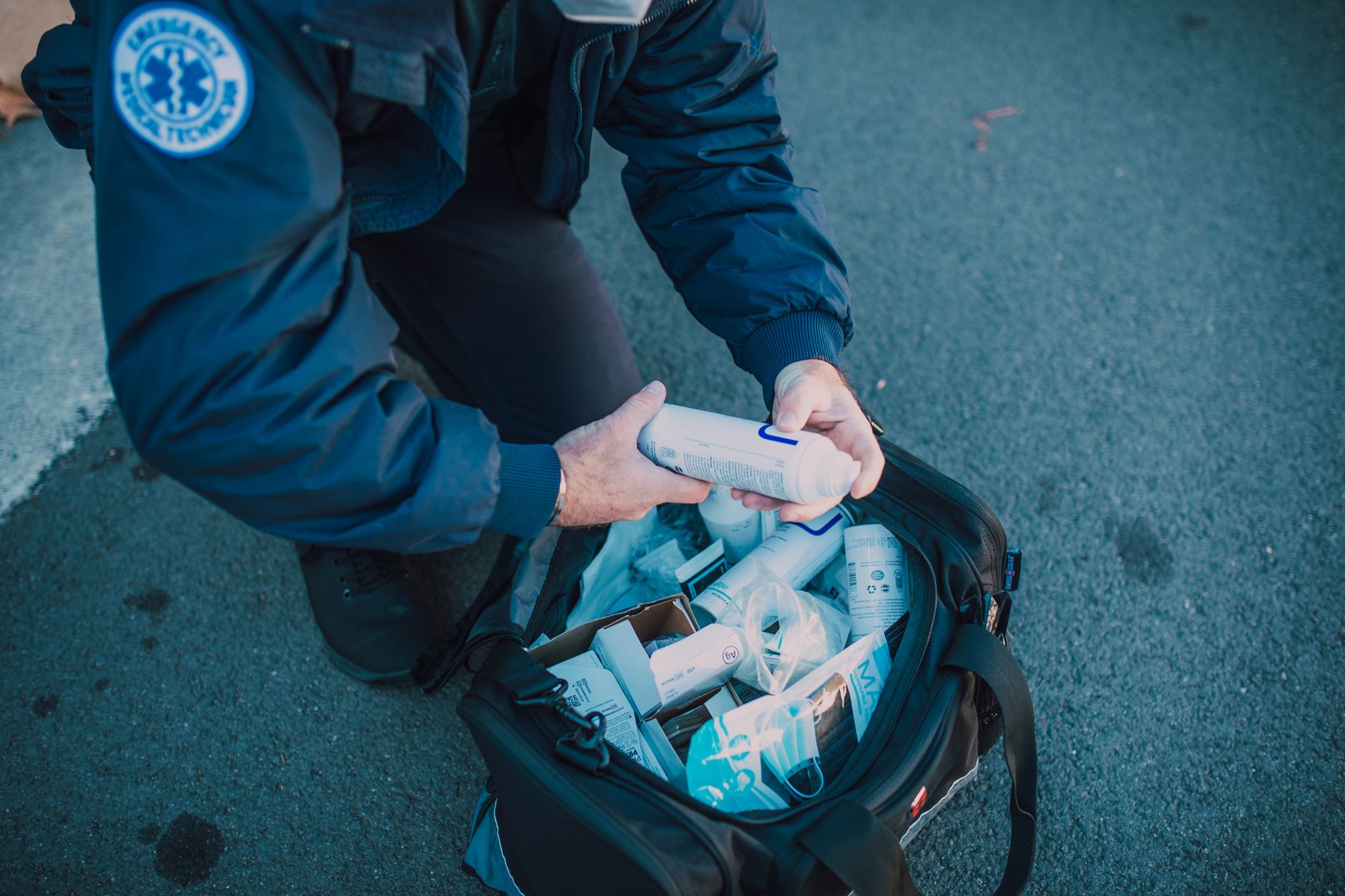
Sustain Supply Co. targets the whole household, not just the stomach. Their Premium Comfort Kit for one includes not only 2,100 daily calories and 12 water pouches, but also purification tablets, a hygiene kit, a first-aid kit, hand warmers, and a multi-function flashlight. At 10 lbs loaded, it’s heavier but removes the mental load of adding first aid and tools separately. The MRE-style entrees (crackers, cheese, nut butters) have a 5-year shelf life, shorter than freeze-dried, but require no heat. You can eat straight from the pouch during a power outage. That’s a concrete advantage when gas lines rupture and boiling water isn’t feasible.
One drawback: the 5-year shelf life means you’ll need to rotate supplies more frequently, raising long-term cost. At $129 per person, it’s the priciest option here. However, for families with young children, the included items reduce the need for multiple separate purchases. The kit’s internal organization also shines, each person’s day-part is labeled, so during a stressful evacuation, you won’t accidentally eat Day 3 on Day 1. For apartment dwellers following our apartment emergency preparedness guide, this bag’s slim profile fits under a bed. Just note that calories are slightly lower than ReadyWise when heavy activity is expected.
Key strengths:
- ✅ Complete system: food, water, first aid, light, hygiene
- ✅ No-cook MREs eatable without heat; safe in gas-leak scenarios
- ✅ Day-labeled pouches simplify rationing for families
- ✅ Includes water purification tablets for extra 3 gallons
- ✅ Slim profile fits under a standard bed
- ❌ Highest per-person cost at $129
- ❌ 5-year food shelf life requires active rotation
- ❌ At 10 lbs, heavier than minimalist kits
Who it’s for: Families wanting a truly out-of-the-box solution that covers food, water, and basic survival tools in one purchase. Renters who can’t store buckets or multiple duffels.
4. Augason Farms Lunch & Dinner Kit , Budget preppers building a custom base
Augason Farms takes a different approach: give you high-quality freeze-dried ingredients in bulk pouches and let you build around them. The Lunch & Dinner Kit for one provides 1,850 calories daily from mac & cheese, rice, potatoes, and creamy soups. At just $39, it undercuts every other pre-made kit by 60% or more. The #10 cans seal in a 25-year shelf life, matching the industry best. You could, in theory, combine two of these kits for a family of four and add your own breakfasts and water for under $200 total. That’s the beauty: scalability. The 3-month food supply guide recommends Augason as a cost-controlled foundation.
But there’s a big asterisk. The kit comes without water, so you’ll need to store at least 3 gallons per person separately using containers from our best emergency water storage containers list. It also lacks a carry bag, tools, or first aid, everything is food only. Calories are slightly below FEMA’s recommendation, so active adults will need to supplement with snacks or an additional can. The bulk cans require a can opener and stove; you can’t eat them cold. Still, for a DIY builder who already owns a bug out bag, this kit plugs the food gap brilliantly at the lowest price point.
Key strengths:
- ✅ Unbeatable price: $39 per person for freeze-dried meals
- ✅ 25-year shelf life in sealed #10 cans
- ✅ Scalable; buy multiple for families cheaply
- ✅ Ingredients taste good and can be used in rotation
- ✅ Lightweight per calorie, 2.4 lbs for 3 days of food
- ❌ No water included; must buy and store separately
- ❌ Requires a stove and cook pot; can opener needed
- ❌ Only 1,850 daily calories, under FEMA’s 2,000 baseline for heavy exertion
Who it’s for: Seasoned preppers and budget-conscious families who already own water storage, a backpack, and tools. Anyone comfortable assembling a full kit from components.
5. DIY Personal 72-Hour Kit , Custom diets, medications, and extreme budgets
A self-built 72-hour kit isn’t a product you buy; it’s a methodology. You start with a sturdy backpack or tote, then add 2,000+ calories per day from a mix of freeze-dried entrees, nut butters, protein bars, and instant oatmeal. Water comes from 1-gallon jugs (rotate every 6 months) plus a survival water filter for backup. At $55-$75 per person, you’ll save 30-50% over pre-made kits. This approach also sidesteps allergens: you can avoid dairy, soy, or gluten entirely. More importantly, you can pack prescription medications, a copy of your ID, and pet supplies, items no pre-made kit includes.
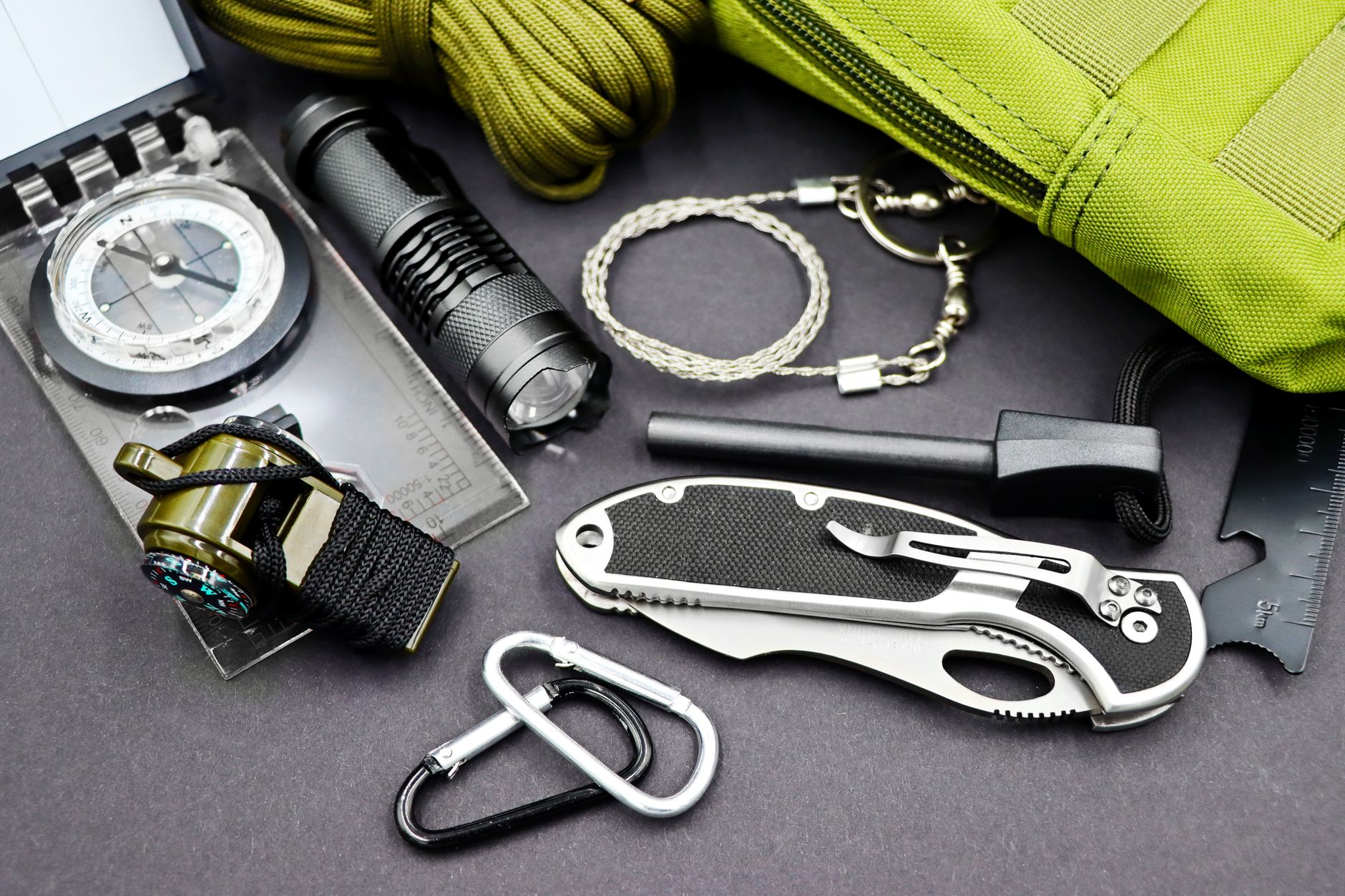
The hidden cost is time. Building and maintaining a DIY kit means checking expiration dates, rotating food every 6-12 months, and ensuring your water containers don’t leak. You’ll also need to source tools separately: a headlamp, multi-tool, radio, and first-aid supplies. Our best survival multi-tools 2026 and best survival flashlights guides help here. The biggest risk is forgetting a critical item. Pre-made kits are inventory-checked by design; a home-built one depends on your memory. Use a checklist and pack it today, not when the tornado warning sounds. The how much water to store emergencies article will help you calculate gallons exactly.
Key strengths:
- ✅ Lowest cost: $55-$75 per person, up to 50% cheaper
- ✅ Fully customizable for allergies, dietary needs, medical conditions
- ✅ Can include pet food, baby formula, and personal documents
- ✅ No single point of failure; you know exactly what’s inside
- ✅ Rotation keeps food fresh and reduces waste
- ❌ Time-intensive assembly and maintenance
- ❌ Risk of forgetting critical items without a checklist
- ❌ Shelf life varies widely; constant discipline required
Who it’s for: Preppers with specific dietary restrictions, extreme budgets, or the desire for total control. Also ideal for those already maintaining a pantry rotation who just need to consolidate a grab-and-go bag.
Frequently Asked Questions
How many calories does a 72-hour emergency kit need?
FEMA guidelines recommend at least 2,000 calories per person per day during an emergency. Most quality kits provide 1,800 to 2,400 calories daily, enough to sustain light activity in a stressful situation.
Can I build my own 72-hour kit cheaper than buying one?
Yes. A DIY kit with bulk freeze-dried food, water pouches, and basic first aid usually costs $50 to $75 per person, while a comparable pre-made kit runs $90 to $150. The trade-off is time and the need to understand shelf-life rotation.
What water storage do FEMA and Red Cross recommend for 72 hours?
Both the Red Cross and FEMA advise storing 1 gallon of water per person per day for drinking and sanitation. For a 72-hour kit, that’s 3 gallons per person, plus a backup purification method like tablets or a filter.
How long do emergency food kits last in storage?
Most freeze-dried or dehydrated emergency meals have a shelf life of 25 to 30 years when stored in a cool, dry place. Water pouches typically last 5 years. Check manufacturer dates and rotate as needed.
Do pre-made kits include tools like radios and flashlights?
Many premium kits include a hand-crank radio, flashlight, multi-tool, and first-aid supplies. Budget kits often cover only food and water, so you may need to add these items separately.
Are there specialized 72-hour kits for hurricanes or earthquakes?
Yes. Some brands tailor kits for specific disasters with extra duct tape, dust masks, or heavy-duty gloves. General kits still work, but supplementing with local threat items is wise.
What Should You Remember?
- Calorie density matters: aim for at least 2,000 calories per person per day in any kit.
- Water storage is non-negotiable; 3 gallons per person plus purification backup meets FEMA and Red Cross advice.
- Pre-made kits save time and often include compact, long-shelf-life meals; the ReadyWise and Mountain House options lead 2026 reviews.
- DIY kits cut costs by 30% or more and let you add prescription meds, favorite foods, or local hazard gear.
- Check expiration dates even on 25-year freeze-dried food; rotate water every 5 years.
- Don’t forget the tools; a hand-crank radio, multi-tool, and headlamp are as critical as the food.
- Customize for your household: include infant formula, pet food, or medical supplies as needed.
This article is for general information only. Emergency preparedness involves real safety risk — always consult official sources (local authorities, CDC, FEMA) and verify gear before relying on it.