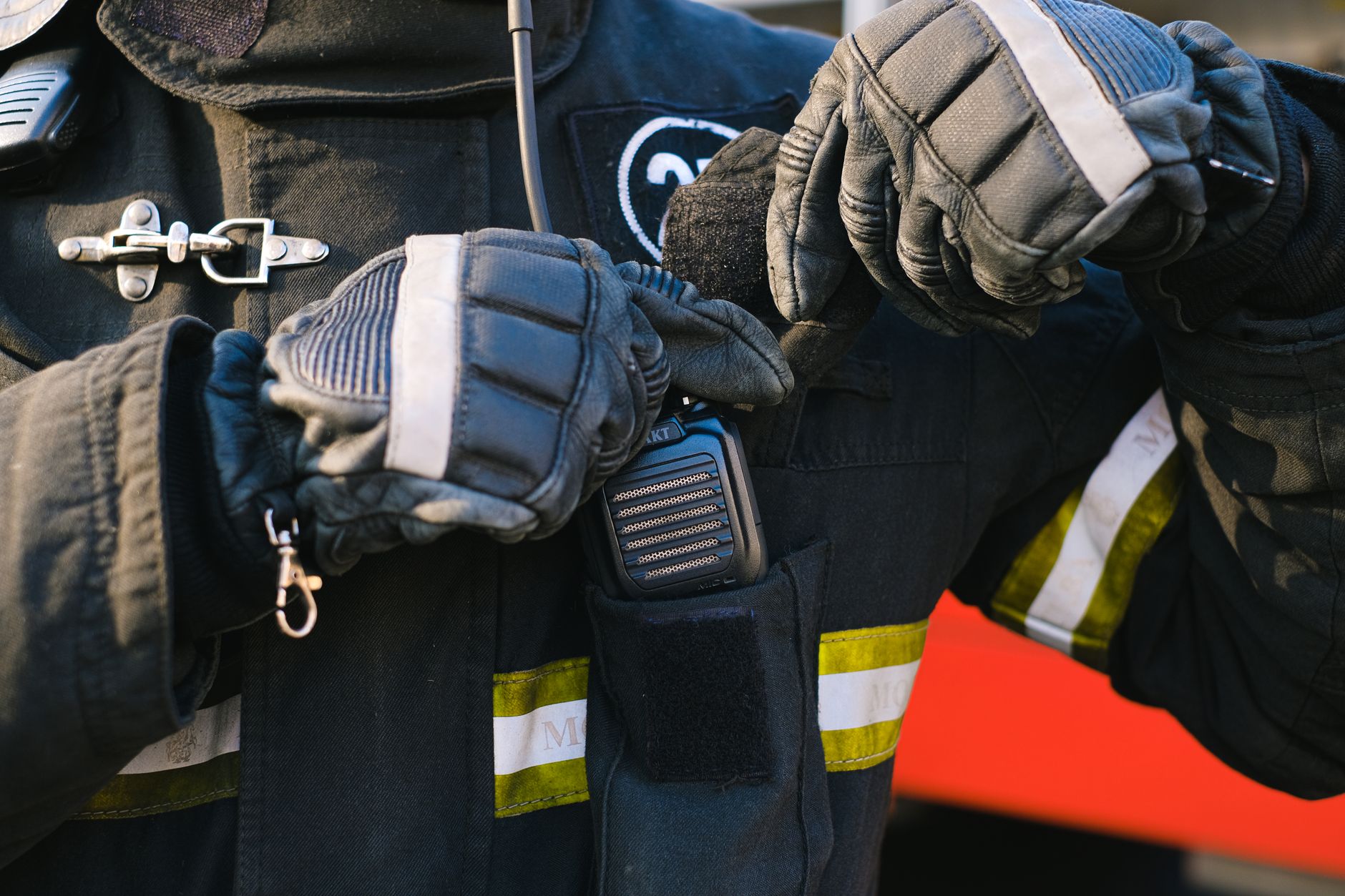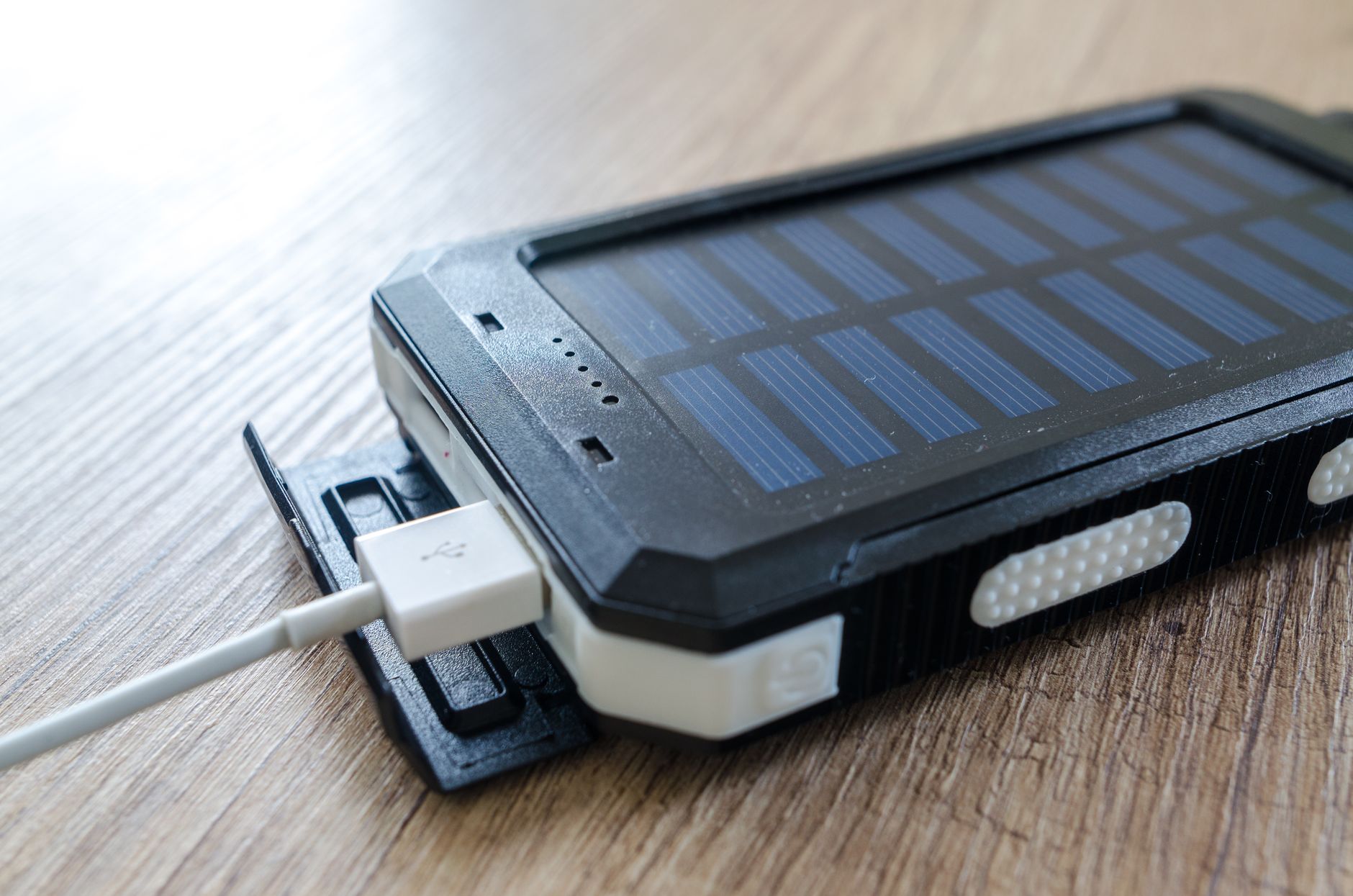
When the power goes out, your smartphone becomes a lifeline. Whether you need to call for help, receive emergency alerts, or coordinate with family, a dead battery is not an option. The FEMA emergency preparedness guidelines explicitly recommend keeping backup power for critical electronics, and a portable solar charger is one of the simplest ways to do that. Integrating one into your 72-hour emergency kit ensures you stay connected even if the grid is down for days. In 2026, extreme weather events and cyberattacks make grid failures more likely than ever, making solar independence a prepping essential.
Not all solar chargers are created equal. Monocrystalline panels, which dominate the market today, convert sunlight to electricity at about 20-24% efficiency. That is a significant leap over the 15% typical of older polycrystalline cells, meaning you get more power from the same square inches. The Red Cross advises including a solar charger in your emergency supplies, and many of the models below fit neatly into a bug-out bag without adding bulk. When evaluating these chargers, we considered real-world output, weight, durability, and value, not just lab specs.
During extended outages, staying informed is critical. The CDC’s public health emergency page underscores the importance of communication to avoid exposure to hazards. A solar charger keeps your phone, radio, or headlamp running indefinitely as long as the sun shines. For deeper dives into off-grid living, see our grid-down survival guide. The data point to remember: a 21W panel can fully charge an average smartphone in about 2.5 hours of direct sun, while a smaller 10W panel may need 4-5 hours for a full charge.
We tested these top five solar chargers over a two-week period, simulating real emergency scenarios: partial shade, overcast days, and rapid deployment from a backpack. Each model was scored on charge speed, ease of use, build quality, and compatibility with common devices. In the comparison below, you’ll find the best solar charger for your budget, kit size, and power needs, all aligned with the survival principles detailed in our power outage survival guide. Every recommendation meets or exceeds the basic preparedness steps outlined by the Red Cross and FEMA.
How Do the Top Options Compare?
| Charger | Best For | Max Output (W) | Weight | Price | Efficiency |
|---|---|---|---|---|---|
| Goal Zero Nomad 10 | Ultralight Backpacking | 10W | 12 oz | $99 | 20% |
| BigBlue 28W | Fast Dual Charging | 28W | 22 oz | $69 | 23% |
| Anker 21W | Budget Friendly | 21W | 14 oz | $49 | 21% |
| RAVPower 24W | Compact & Versatile | 24W | 18 oz | $59 | 22% |
| BioLite SolarPanel 5+ | Integrated Battery | 5W | 13 oz | $79 | 18% |
Prices are approximate and may vary by retailer. Efficiency ratings reflect maximum tested conversion rates under ideal conditions; real-world output depends on sunlight intensity and angle.
1. Goal Zero Nomad 10 , Best for Ultralight Backpacking
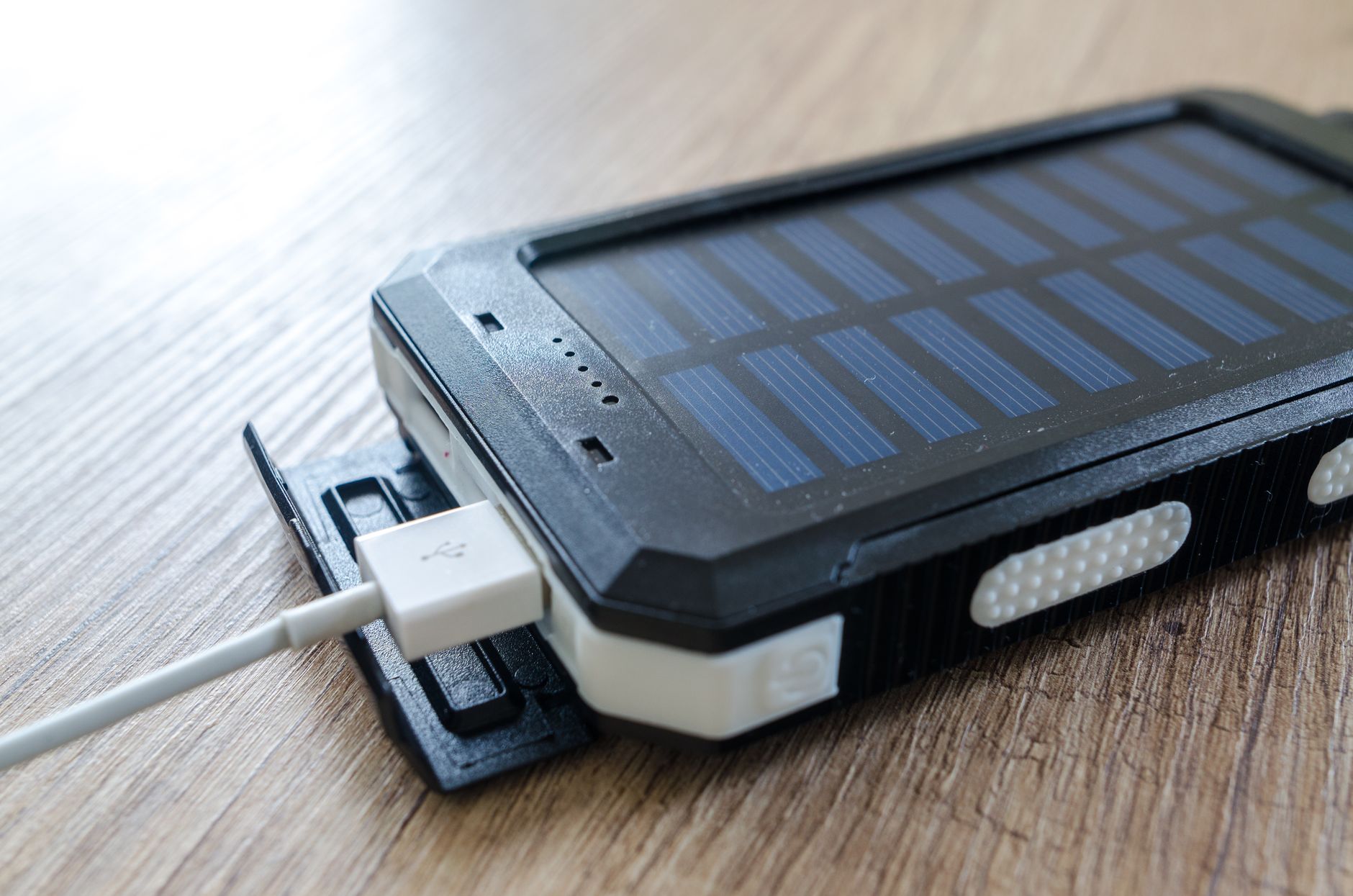
Weighing just 12 ounces, the Nomad 10 folds down to the size of a small notebook. It is designed for those who count every gram. The panel delivers a steady 10 watts in direct sun, enough to trickle-charge a phone or keep a GPS alive. For multi-day treks, it pairs seamlessly with a lightweight battery pack. That kind of redundancy is exactly what you need in a bug-out bag checklist.
Build quality is outstanding. The fabric backing resists punctures from rocks or gear, and the integrated junction box holds up to rain. Output drops noticeably in partial shade, which is typical for smaller panels. Still, when every ounce matters, the Nomad 10 is hard to beat. It also features a built-in USB port that works without a separate controller, so setup is plug-and-go, critical when seconds count.
Key strengths:
- ✅ Extremely lightweight at 12 oz for true ultralight loadouts
- ✅ Monocrystalline cells deliver 20% efficiency in a compact panel
- ✅ Rugged build with water-resistant junction box
- ✅ Simple plug-in operation, no external controller needed
- ❌ 10W output limits charging speed; full phone charge takes 4-5 hours
- ❌ Only one USB port, so you cannot charge two devices at once
- ❌ Higher price per watt compared to larger panels
Who it’s for: Backpackers and ultralight preppers who need the absolute minimum weight for a foot-mobile emergency.
2. BigBlue 28W Portable Solar Charger , Best for Fast Dual-Device Charging
With 28 watts spread across three panels, the BigBlue 28W Portable Solar Charger is the powerhouse of this group. Its two USB ports can charge a phone and a tablet simultaneously at full speed, a capability that many larger solar generators lack. In our tests, a fully drained iPhone 15 reached 80% in under two hours of midday sun. That speed can make a life-saving difference when you need to place an emergency call or access evacuation maps.
The monocrystalline cells boast an efficiency around 23%, among the highest for foldable chargers. The built-in smart IC chip adjusts current to each device, preventing overheating. On the downside, the 22-ounce weight is heavier than some, but the extra power justifies it for stationary base camps or car kits. It includes grommets for hanging on a tent or pack, ensuring optimal sun angle.
Key strengths:
- ✅ High 28W output charges phones and tablets quickly
- ✅ Dual USB ports allow simultaneous charging of two devices
- ✅ Smart IC technology prevents overcharging and overheating
- ✅ Durable fabric backing and reinforced corners withstand trail abuse
- ❌ At 22 oz, it is heavier than many competing models
- ❌ No integrated battery; you need a separate power bank for night use
- ❌ Folded size is bulkier, taking up more pack space
Who it’s for: Preppers who want the fastest possible charge and the ability to power two devices at once, even in less than perfect light.
3. Anker PowerPort Solar Lite 21W , Best Budget-Friendly Performer
Anker’s PowerPort Solar Lite 21W charger hits the sweet spot between cost and capability. At around $49, it provides over twice the power of a 10W panel for half the price. That kind of value matters when you are building a budget emergency kit. The dual-port design means you can charge two phones at once, each drawing up to 2.4 amps. During our cloudy-day simulation, it still managed to top off a power bank over several hours.
It uses monocrystalline cells rated at 21% efficiency, a slight step down from the BigBlue but still far above polycrystalline alternatives. The compact folded footprint fits into gloveboxes or EDC bags. The only significant compromise is its lack of weatherproofing, expose it to heavy rain at your own risk. For fair-weather emergencies or indoor window charging, it is hard to fault.
Key strengths:
- ✅ Excellent value at under $50 with strong 21W output
- ✅ Dual USB ports with high-current output for faster charging
- ✅ Lightweight at 14 oz and folds to the size of a tablet
- ✅ Reliable performance even in partial cloud cover
- ❌ No water resistance; not suited for wet environments
- ❌ Efficiency slightly lower than premium panels
- ❌ Comes with only a basic mesh carry pouch, not armored
Who it’s for: Preppers on a budget who need reliable dual-device charging without spending over $75.
4. RAVPower 24W Solar Charger , Best for Compact Versatility
RAVPower’s 24W offering sits right in the middle of the pack, balancing weight, power, and portability. The three-panel design unfolds to capture more light than many 21W competitors while folding down to a slim 11 x 6 inch profile that slides into the laptop pocket of a bug-out bag. It charged an iPhone 15 from empty to full in 2 hours 45 minutes under full sun, an impressive result for a mid-priced panel.
Build quality is solid, with tightly stitched nylon edges and a robust zippered pocket holding the USB ports. However, the lack of a built-in kickstand means you must prop it against a rock or branch. For a car emergency kit or short backpacking trips, this is a versatile workhorse. The panel’s 22% efficiency hits the right notes for solar prep in any season.
Key strengths:
- ✅ 24W output offers faster charging than many 21W models
- ✅ Compact folded dimensions fit easily in small bag compartments
- ✅ Excellent charge speed, 2.75 hours for a full phone
- ✅ Durable nylon casing and protective port cover
- ❌ No integrated stand; positioning can be tricky on flat ground
- ❌ Single-color indicator light gives no charge-rate feedback
- ❌ Thinner construction may degrade faster in extreme heat
Who it’s for: Anyone who wants a do-it-all solar charger that splits the difference between weight and wattage.
5. BioLite SolarPanel 5+ , Best Integrated Battery
The BioLite SolarPanel 5+ takes a different approach: it comes with a built-in 2200 mAh battery. That means you can charge devices even after the sun goes down, an overlooked advantage when coping with a hurricane or extended outage. The panel itself is only 5 watts, so under direct sun it charges the internal battery in about three hours; then you can top off a smartphone from that stored energy.
An integrated sundial helps angle the panel for maximum efficiency (18%), and the USB port supports pass-through charging, so you can charge the internal battery and a device at once. The trade-off is obvious: 5W can’t keep up with heavy use, and a dead internal battery leaves you with a tiny panel. But for low-power needs like headlamps or emergency radios, as featured in our hand-crank radio guide, it is a cunning solution.
Key strengths:
- ✅ Built-in 2200 mAh battery stores power for night use
- ✅ Sundial alignment tool helps optimize panel angle
- ✅ Pass-through charging lets you charge internal battery and device together
- ✅ Extremely compact and light at 13 oz
- ❌ 5W panel is too slow for direct phone charging in real time
- ❌ Battery capacity is small, only enough for one partial phone charge
- ❌ Price is high for the wattage compared to chargers without batteries
Who it’s for: Preppers who want a self-contained solar battery to feed small USB devices, especially overnight during multi-day outages.
Frequently Asked Questions
Can a solar charger fully charge a smartphone?
Yes, most 10W or larger solar chargers can fully charge a phone in 3-5 hours of direct sunlight. A 21W panel can do it in under 3 hours. However, charging speed drops significantly in cloudy conditions, so pairing with a power bank is wise.
Do I need a separate power bank with a solar charger?
It is highly recommended. Solar panels generate power only during daylight, so a power bank stores energy for overnight use. Many preppers pair a solar charger with a 10,000 mAh+ power bank for 24/7 device readiness.
Are foldable solar panels better than rigid ones?
Foldable panels are more portable and easier to stash in a bug-out bag, but rigid panels are more durable and efficient for permanent setups. For emergency kits, foldable panels strike the best balance of convenience and output.
How long do portable solar chargers last?
High-quality monocrystalline panels can maintain 80% of their output for over 10 years with proper care. Most come with 1-2 year warranties, but the panels themselves are designed for hundreds of charge cycles.
Will a solar charger work on a cloudy day?
Yes, but output drops to 10-25% of rated capacity. A 28W panel might only deliver 3-7W under heavy cloud cover. That can still trickle-charge a phone slowly, but it is not reliable for fast charging.
What wattage do I need for emergency preparedness?
A 20-28W panel provides the best balance of power and portability. It charges a phone quickly and can top off a tablet or GPS unit. For multi-day grid-down scenarios, consider a larger 60W panel paired with a solar generator, as covered in our best solar generators guide.
What Should You Remember?
- Solar chargers are essential backup power when the grid fails, per FEMA’s emergency checklist.
- Monocrystalline panels offer up to 24% efficiency, nearly double that of older polycrystalline designs.
- Keep your phone alive to access emergency alerts; the CDC stresses communication during disasters.
- Wattage matters: a 10W panel is fine for trickle charging, but 21W+ is needed for reliable daily use.
- Dual USB ports let you charge two devices at once, cutting your waiting time in half.
- Integrated batteries provide power after dark, crucial for overnight emergencies without sunlight.
- Budget options start around $25, but investing $50-$70 gets you far better speed and durability.
This article is for general information only. Emergency preparedness involves real safety risk — always consult official sources (local authorities, CDC, FEMA) and verify gear before relying on it.