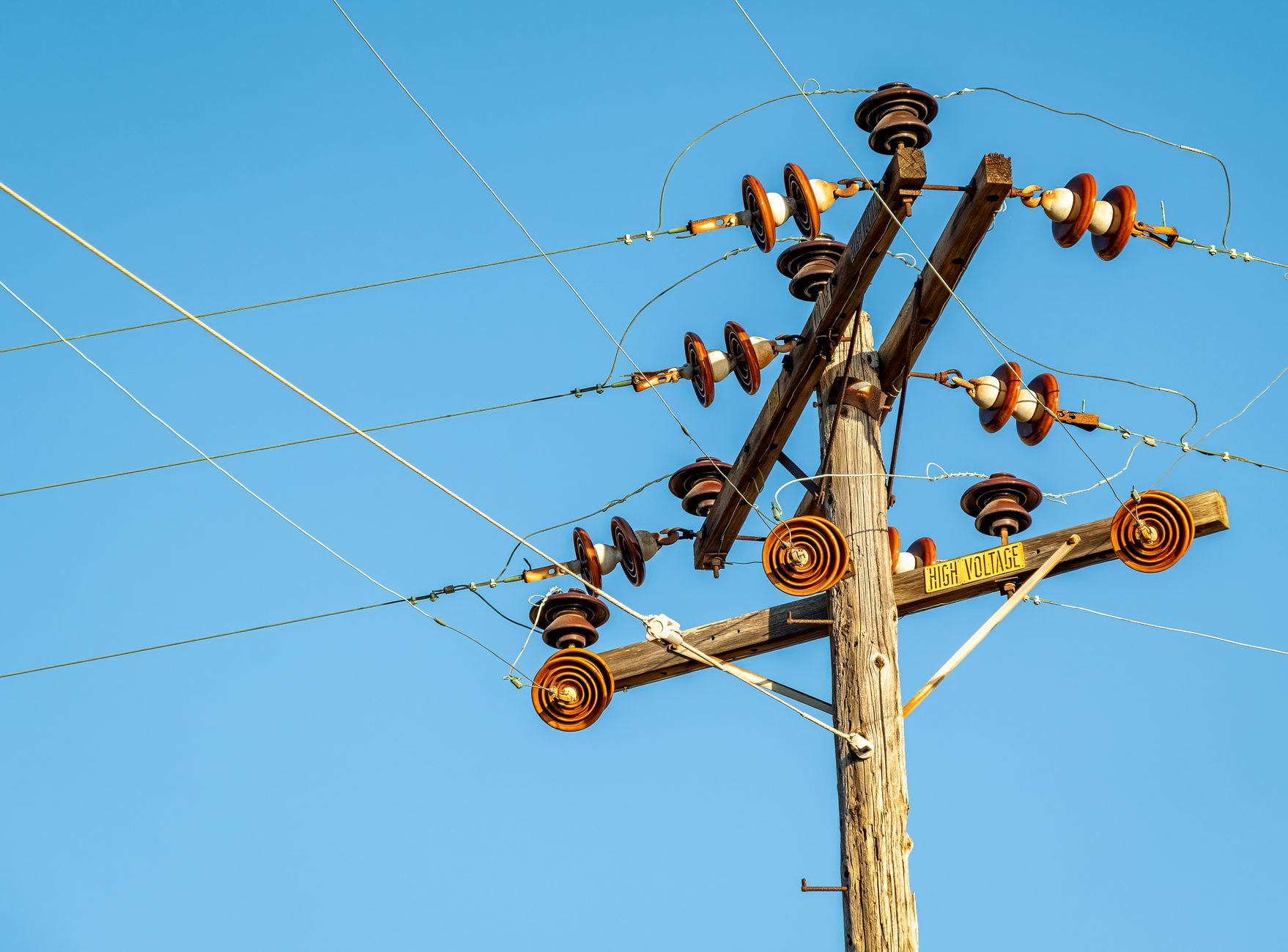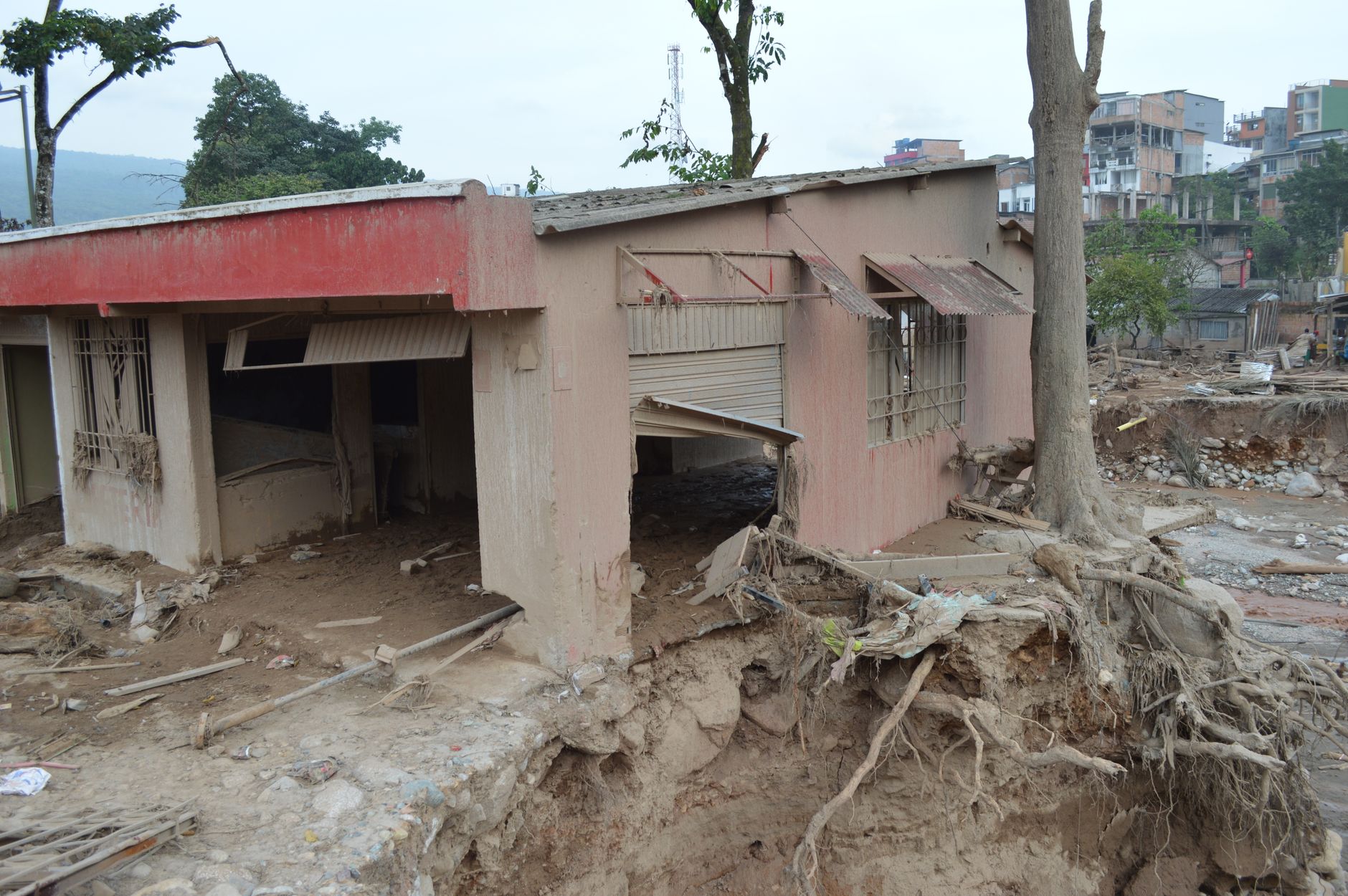
Power outages are no longer rare inconveniences. According to the U.S. Energy Information Administration, the average American experienced over 7 hours of power interruptions in 2021. That figure has doubled in the last decade. Extreme weather, aging infrastructure, and rising demand now threaten the grid like never before. In 2023, NOAA confirmed a record 28 billion-dollar weather disasters. Each one stressed power systems across the country. A blackout in 2026 could last days or even weeks. You can’t afford to be caught off guard.
When the lights go out, safety becomes your top priority. A prolonged outage disrupts food storage, water supply, heating, and communication. Without a plan, small problems quickly snowball. The good news? You can prepare with a few low-cost, high-impact steps. The FEMA emergency preparedness guidelines emphasize building a basic disaster kit and a family communication plan. By combining those with modern gear and common sense, you’ll turn a crisis into a manageable challenge. This guide walks you through exactly what to do before, during, and after the next big blackout.
What Should You Do the Moment the Power Fails?
First, stay calm and assess the situation. Look out the window. Are your neighbors’ lights off too? If the outage is widespread, grab your 72-hour emergency kit and turn on a battery-powered radio. Listen for official updates from local authorities. The Red Cross emergency preparedness resources recommend tuning to NOAA Weather Radio for real-time information. Avoid opening your refrigerator or freezer unless absolutely necessary. A closed fridge keeps food safe for about 4 hours; a full freezer holds its temperature for up to 48 hours.
Next, unplug major electronics and appliances. Voltage spikes when power returns can fry sensitive circuits. Leave one lamp on so you know when electricity is restored. If you own a best solar generators 2026, now is the time to deploy it. A portable power station can run a few lights, charge phones, and even power a small medical device. Do not connect a gas generator indoors or in an attached garage. Carbon monoxide poisoning kills hundreds of Americans each year. Place generators at least 20 feet from windows and doors.
- Turn off and unplug all devices except one lamp
- Report the outage to your utility company
- Monitor a battery-powered or hand-crank radio
- Keep refrigerator and freezer doors closed
How Can You Keep Food and Water Safe During a Blackout?
Food safety becomes critical after just a few hours. The CDC preparedness guidelines explain that perishable items like meat, poultry, and dairy should be discarded if they stay above 40°F for more than 2 hours. A refrigerator thermometer is an inexpensive lifesaver. Without power, food in the fridge stays cold for up to 4 hours if you keep the door shut. A full freezer retains its temperature for 48 hours; a half-full one only 24 hours. Dry ice can extend that window, but handle it with gloves.
Water is even more vital. Many homes rely on electric well pumps that stop during an outage. Store at least one gallon per person per day, as recommended by FEMA. For a family of four, that means a minimum 14-gallon emergency supply for a two-week scenario. Use best emergency water storage containers designed for long-term storage. If you haven’t stocked water, you can purify tap water during a “boil water” advisory with a best survival water filter or chemical tablets. Never risk drinking questionable water.
- Use a fridge thermometer and discard food above 40°F for 2+ hours
- Fill bathtubs and sinks immediately for non-potable use
- Store 1 gallon of water per person per day
- Know how to purify water using filters or bleach
What Are the Best Lighting and Power Backup Options?
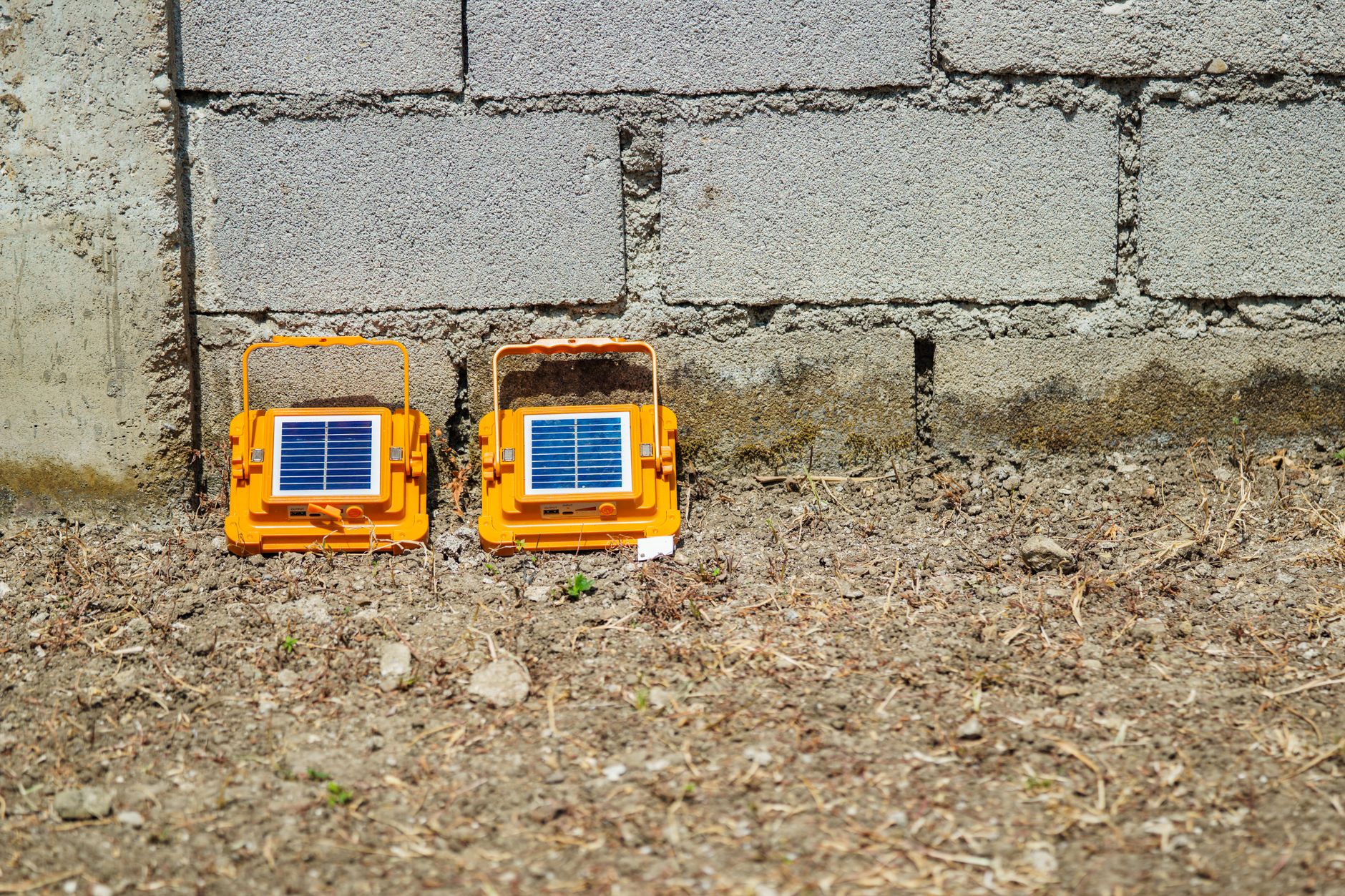
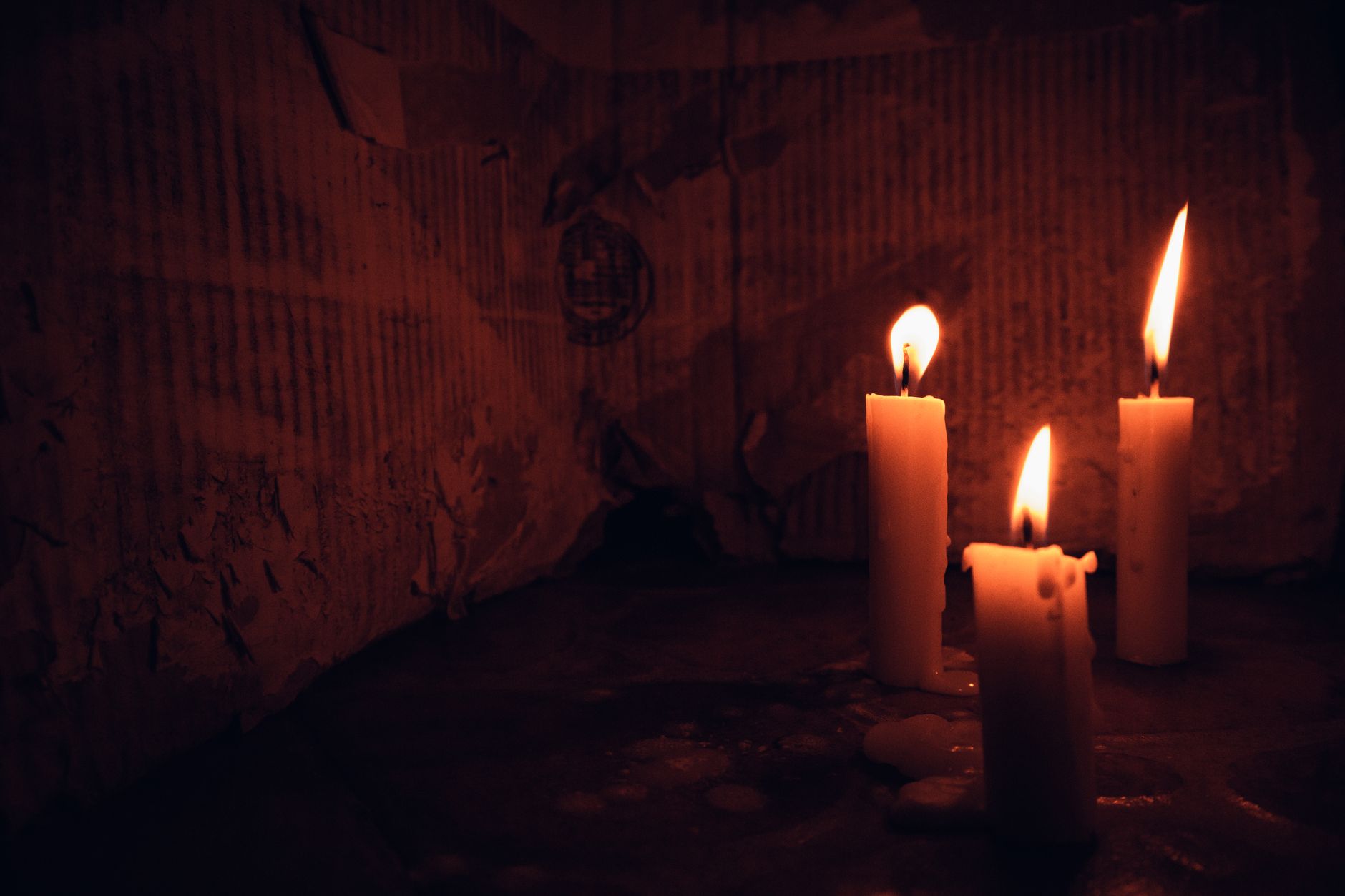
Dark rooms are more than inconvenient. They increase fall risks and stress. Stock multiple best survival flashlights 2026 with extra batteries. Headlamps free your hands for cooking or repairs. Avoid candles if possible. According to the National Fire Protection Association, candles cause an average of 20 home fires per day in the U.S. Instead, use battery-powered LED lanterns that run for days on a single charge.
For larger needs, a best solar generator 2026 paired with portable solar panels gives you renewable, silent power. A 1,500-watt unit can keep a refrigerator, lights, and communication devices running. Many new models recharge in 3-6 hours of direct sun. If you choose a gas generator, stock fuel safely and never refuel a hot engine. Always run it outdoors. A grid down survival guide will help you plan a layered power strategy. Small power banks keep phones alive; solar chargers offer endless top-ups.
- LED lanterns and headlamps are safer than candles
- Solar generators provide silent, renewable backup
- Gas generators demand strict outdoor placement
- Keep a cache of rechargeable battery banks
How Do You Stay Warm or Cool Without Electricity?
Extreme temperatures turn a blackout into a life-threatening event. In winter, close off unused rooms and stuff towels under doors. Layer clothing and use sleeping bags rated for cold weather. A vent-free propane heater rated for indoor use can warm a single room, but always crack a window for ventilation. Do not use charcoal grills or camp stoves inside. Carbon monoxide is odorless and deadly.
Summer heat brings dehydration and heatstroke. Close blinds and curtains on sun-facing windows. Stay hydrated and wear light, breathable fabrics. Battery-powered fans offer relief; wet towels on pulse points lower body temperature quickly. If you have a basement, it will stay cooler naturally. An urban survival guide often suggests community cooling centers, but during a widespread outage those may not operate. Plan for self-reliance. A simple hand-crank fan or a mister powered by a small solar panel can make a big difference.
- Insulate one room and layer up in freezing weather
- Use indoor-safe propane heaters with a cracked window
- Block sunlight and use battery fans during heat waves
- Hydrate often and recognize signs of hypothermia or heat exhaustion
What Communication and Safety Measures Should You Take?
Staying informed helps you make smart decisions. A best hand crank emergency radio pulls in AM/FM and NOAA weather bands without needing electricity. Keep your phone charged but use it sparingly. Text messages use less battery and may send even when calls won’t connect. Have a printed list of emergency contacts. Cell towers can go down or become overloaded.
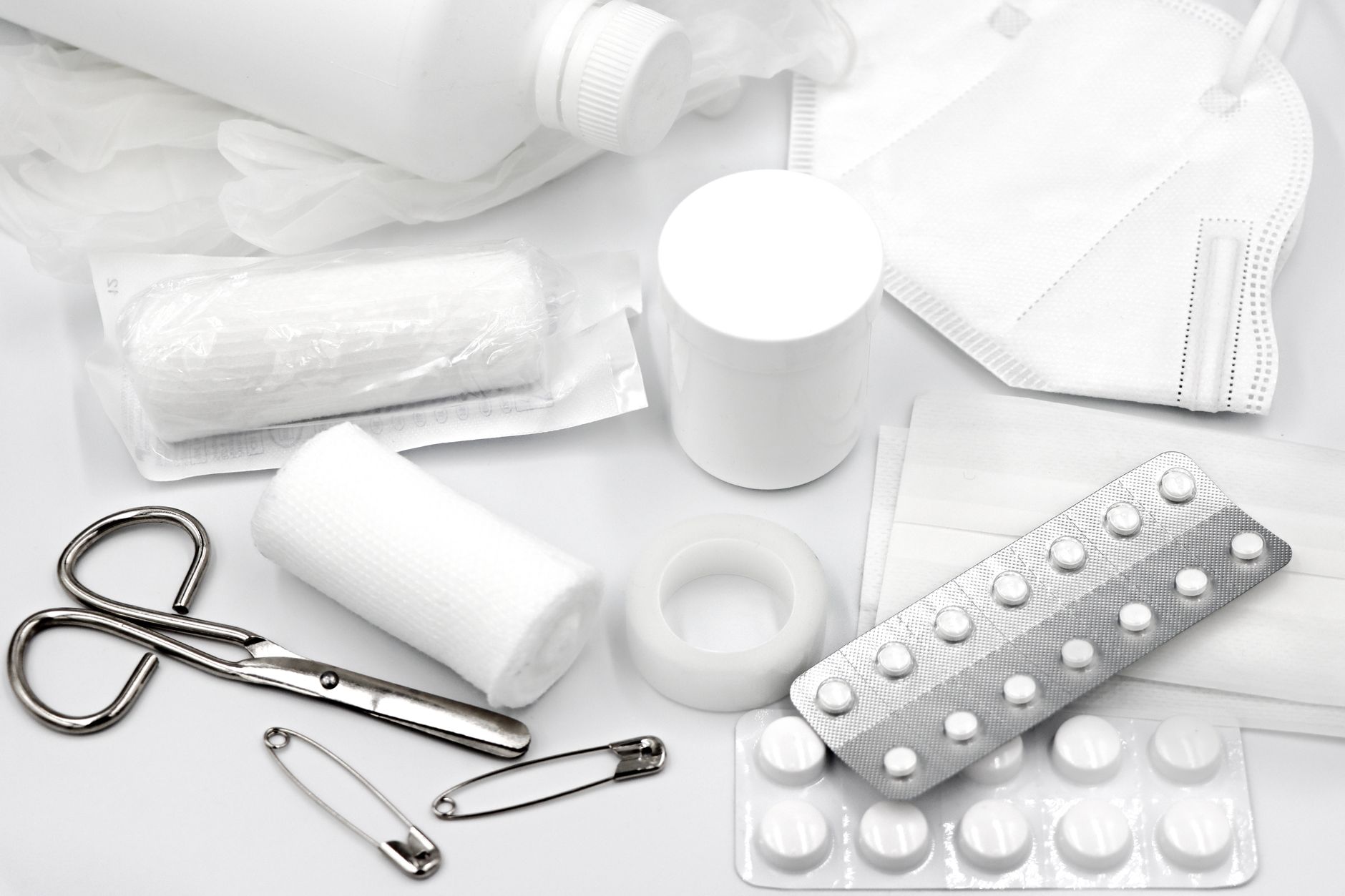
Safety also means protecting your home and family. Lock doors and windows, especially if the outage is prolonged. Opportunistic crime can rise when streetlights fail. Motion-sensor battery lights deter intruders. A best first aid kit should be easy to locate in the dark. Practice your fire escape plan without smoke alarms. If you rely on medical equipment, have a backup power plan and inform your utility company. Many will prioritize your restoration. Finally, check on elderly neighbors and those with limited mobility. A neighborhood mutual aid network can share resources and boost everyone’s resilience.
- Use a hand-crank or battery radio for updates
- Limit phone use, text for emergencies
- Enhance home security with battery lights and locks
- Have a backup plan for medical devices
How Do You Protect Your Home and Electronics?
Power surges when electricity returns can destroy appliances and electronics in an instant. Unplugging devices is the simplest defense. But what about hardwired systems like HVAC or well pumps? Installing a whole-house surge protector at your electrical panel adds a strong layer of protection. Individual surge-protected power strips add another. If you plan to live off-grid longer, consider a transfer switch for your generator. This lets you safely feed power into your home’s circuit without backfeeding the grid, which endangers utility workers.
Beyond electronics, physical damage can occur. Burst pipes in winter are a common blackout nightmare. Let faucets drip slowly to relieve pressure. Drain outdoor spigots and insulate exposed pipes. A how to build a Faraday cage might interest those worried about electromagnetic pulses, but during a normal outage, simple surge protection is enough. Review your home insurance policy for coverage on food spoilage and electrical damage. Keep a paper inventory of valuable items. Being prepared on paper saves days of headache later.
- Install a whole-house surge protector
- Use point-of-use surge strips for sensitive gear
- Drip faucets to prevent frozen pipes
- Do not backfeed power; use a proper transfer switch
Frequently Asked Questions
How long can food stay safe in a refrigerator without power?
A closed refrigerator keeps food cold for about 4 hours. A full freezer can maintain a safe temperature for up to 48 hours; a half-full freezer lasts 24 hours. Use a thermometer and discard anything above 40°F for over 2 hours.
Can I use a generator indoors if I open windows?
No. Generators produce deadly carbon monoxide gas. Opening windows does not provide enough ventilation. Always run generators at least 20 feet from doors and windows, with the exhaust pointing away from the house.
What is the best way to charge my phone during an outage?
Use a portable power bank or connect to a solar generator. Keep your phone in low-power mode and close background apps. A hand-crank radio with a USB port can also give a small charge in a pinch.
How much water should I store for a family of four?
Store at least one gallon per person per day. For a two-week supply, a family of four needs 56 gallons. This covers drinking, cooking, and basic hygiene. Use BPA-free, food-grade containers and rotate the water every six months.
Do I need to unplug all appliances?
Yes. Unplug sensitive electronics like TVs, computers, and appliances to prevent damage from power surges when electricity returns. Leave one lamp on so you know when the power is back.
What should I do if I rely on medical equipment?
Contact your electric utility and register for medical priority restoration. Have a backup power source like a solar generator with enough capacity to run your device. Keep extra charged batteries and inform neighbors about your needs.
What Should You Remember?
- Store at least two weeks of non-perishable food and one gallon of water per person per day
- Unplug all electronics to prevent surge damage and leave one lamp on as an indicator
- Never operate generators indoors or in attached garages, even with windows open
- Use battery-powered LED lanterns instead of candles to eliminate fire risk
- Have a battery or hand-crank radio to stay informed when cell networks fail
- Practice food safety by keeping fridge doors closed and discarding anything above 40°F for over two hours
- Create a household emergency plan and share it with all family members
This article is for general information only. Emergency preparedness involves real safety risk — always consult official sources (local authorities, CDC, FEMA) and verify gear before relying on it.