Preparing for an emergency does not require a prepper’s fortune. The FEMA ready.gov guidelines make it clear: a basic disaster supplies kit saves lives, and you can build one for far less than you think. Even a modest $50 plan can cover the non-negotiable pillars of survival: water, a few calories, light, and a way to treat a minor injury. If you have a little more to spend, the $100 and $200 tiers expand your safety net dramatically without forcing you into debt. This comparison breaks down exactly what you get at each spending level, using plain language and real numbers from trusted sources like the CDC and the American Red Cross.
The key is knowing what to buy and in what order. According to the Red Cross, an emergency food supply should provide at least 2,000 calories per person per day for a minimum of three days. For water, the CDC standard is one gallon per person daily. Those requirements form the backbone of every plan here. We also factor in a water purification method because even if you store water, the ability to make more clean water multiplies your resilience. A compact water filter or simple purification tablets turn puddles and creek water into a drinkable resource, a feature that becomes more affordable at the $100 and $200 levels.
Statistics drive home why even a basic kit matters. The average household spends about $300 a month on entertainment and dining out. Shifting just a fraction of that into a dedicated emergency kit means you are never starting from zero when a power outage or hurricane hits. In our research, a 72-hour supply of store-bought bottled water for a family of four costs roughly $12, a tiny fraction of the peace of mind it provides. Similarly, a food storage calculator can help you avoid over-purchasing. Our $50, $100, and $200 plans each meet the core recommendations from the Red Cross and are tested against real-world constraints like weight, shelf life, and ease of use.
None of these plans are a one-time purchase and forget arrangement. Every six months, rotate the water and check expiration dates. But the upfront cost is the entry ticket, and you can start today. In the sections that follow, you will see exactly what fits into each budget, the pros and cons of that tier, and which plan fits your household. If you are just beginning, our 72-hour kit guide walks you through the essentials. If you want to expand into long-term food storage, the 2-week and 3-month guides show you how to scale from here.
How Do the Top Options Compare?
| Plan | Total Cost | Key Items | Food & Water Coverage | Best For |
|---|---|---|---|---|
| $50 Level | $50 | Bottled water, energy bars, flashlight, basic first aid kit, multitool, emergency blanket | ~3 gallons water + 2,400 calories (1 person, 72h) | Single adult, tight budget |
| $100 Level | $100 | Water storage container, purification tablets, 3-day freeze-dried meals, mid-range flashlight, shelter tarp, upgraded first aid, battery radio | ~7 gallons + 6,000 calories (1 person, 3 days or 2 people, 72h basic) | Couples or solo prepper wanting comfort |
| $200 Level | $200 | Gravity water filter, 72h freeze-dried meals, camp stove, fuel, upgraded shelter, multi-person first aid, hand-crank radio, headlamp | ~14 gallons + 12,000 calories (1 person, 6 days or 2 people, 72h fully) | Small family or better prepared individual |
Calorie counts based on a 2,000 calorie per person daily requirement. Water assumes 1 gallon per person per day for drinking and basic hygiene. Prices are approximate and may vary by retailer.
1. $50 Emergency Budget Plan , Bare-bones 72-hour survival for one person
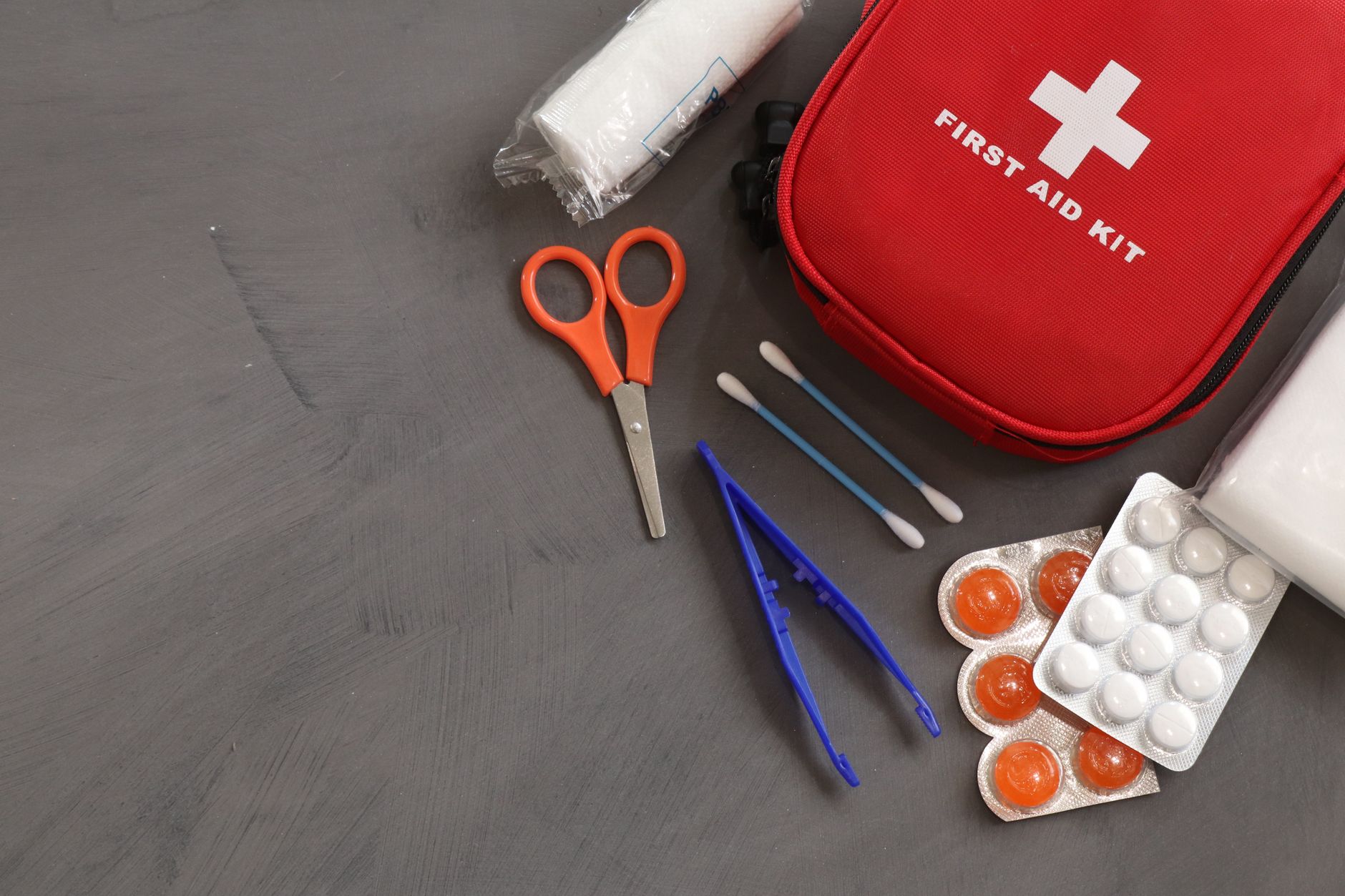
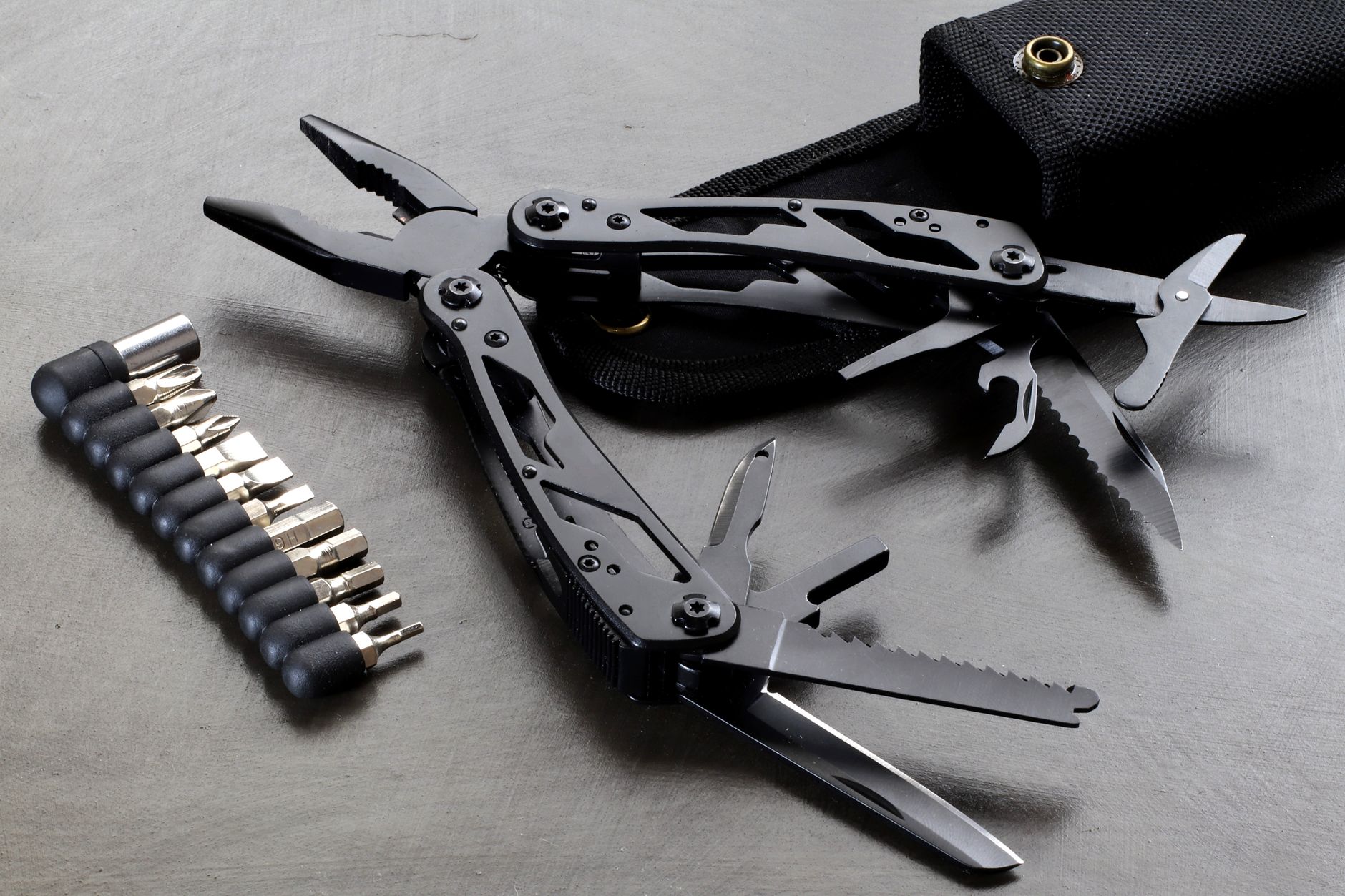
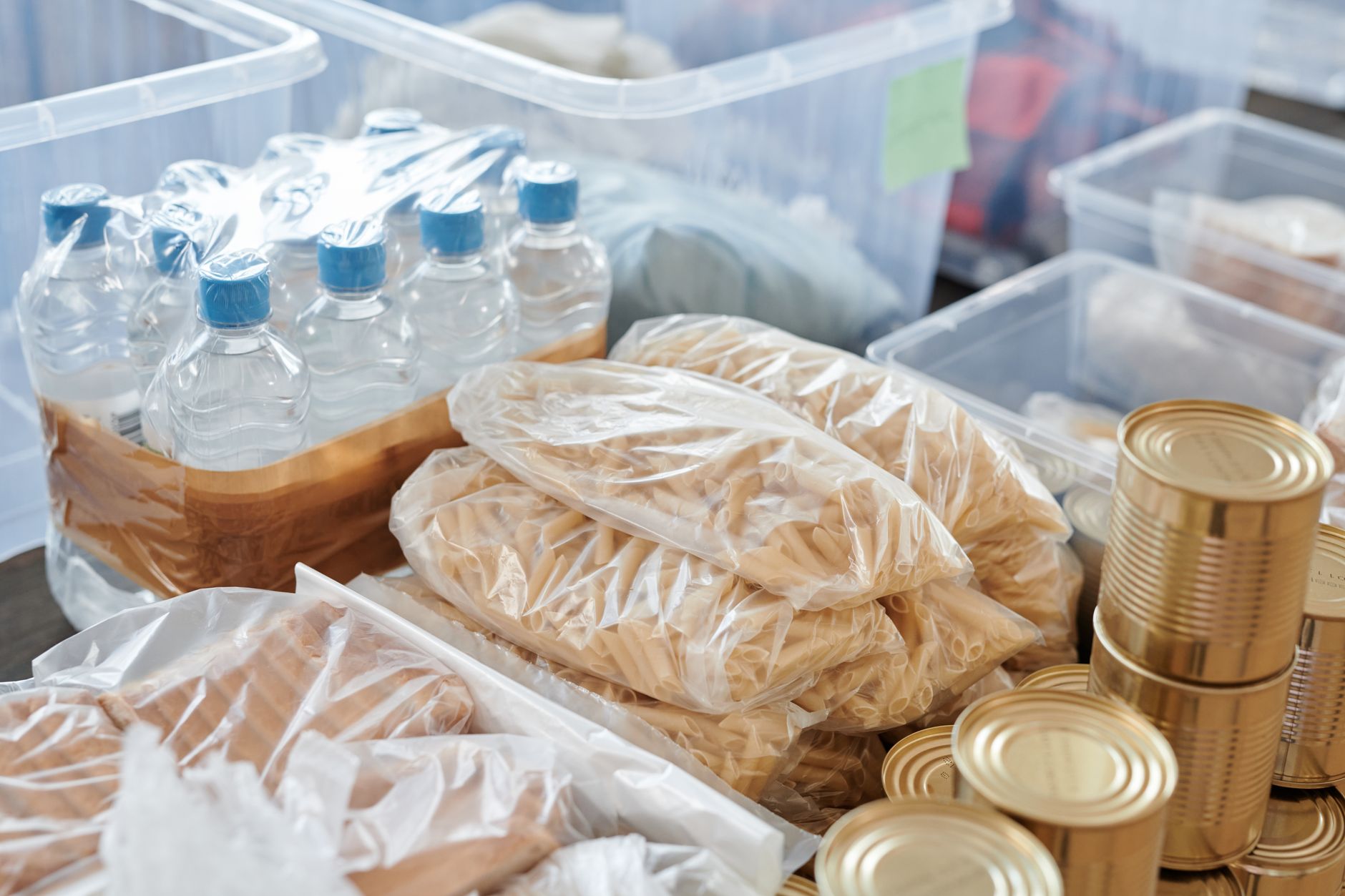
This is the absolute minimum you should aim for. You are not building comfort; you are building a lifeline. The core is water and calories. At this price point, a case of 24 half-liter bottles costs around $5 and provides about 3 gallons. Add eight high-calorie emergency food bars (400-500 calories each) for $10 to $12. A small LED flashlight runs $5. A basic first aid kit with bandages, antiseptic wipes, and pain relievers is another $6. A sturdy multitool can be found for $10, and a mylar emergency blanket rounds out the kit at $3. That’s roughly $40, leaving $10 for a few purification tablets and a cheap dust mask. You won’t have a stove or tent, but you can survive 72 hours. The budget preparedness guide shows how incremental additions transform this starter kit. For water storage ideas, check best emergency water storage containers.
Every item must earn its place. The flashlight and multitool handle multiple problems. The blanket retains 90 percent of body heat. Purification tablets treat 20 liters of questionable water. You sacrifice taste and convenience, but you stay alive. The main limitation is no way to cook warm food or signal for help beyond a whistle. In a post-disaster scenario, being visible and audible can matter. Plan to add a cheap whistle (often built into the flashlight) or a small signal mirror later. For now, this $50 spend puts you ahead of the majority of households that have nothing. If you can stretch to $60, a hand-crank emergency radio adds news and weather alerts without batteries.
Key strengths:
- ✅ Achieves minimum FEMA/CDC recommendations for 72 hours
- ✅ Lighweight and portable for a bug-out bag
- ✅ Zero reliance on electricity for most items
- ✅ All components available at grocery and hardware stores
- ✅ Lays groundwork for later upgrades
- ❌ Limited water purification (tablets only)
- ❌ No hot meals or shelter beyond emergency blanket
- ❌ Basic first aid cannot handle severe injuries
Who it’s for: Single adults who need a starter kit and are willing to supplement with knowledge of local water sources and shelter building.
2. $100 Emergency Budget Plan , Solo prepper or couple wanting multi-day capability
At $100, you leave behind bare survival and step into functional preparedness. The extra $50 transforms your kit. Instead of flimsy water bottles, you get a 7-gallon rigid water storage container like the Reliance Aqua-Tainer ($15). That’s three days of water for two people. Next, upgrade food from calorie bars to a 3-day freeze-dried meal supply. Mountain House or similar pouches pack 2,000+ calories per day and taste decent; a 3-day supply costs about $30. A mid-range LED flashlight with rechargeable batteries and an emergency radio with NOAA weather alerts are crucial. Together they run $25. A 10x10 tarp, paracord, and a better first aid kit with trauma shears and splint material consume another $20. The remaining $10 buys a pack of purification tablets and a reliable lighter. This setup means you can boil water if you have a pot (not included in base cost, but often improvised) and create a makeshift shelter. The water purification methods article details how tablets and boiling compare.
Food quality rises noticeably. Freeze-dried meals have a 10- to 25-year shelf life, unlike energy bars that expire in a few years. With a proper storage box from the best emergency food kits 2026, you keep everything organized. The tarp can be rigged in multiple ways and folds flat. Where this plan still falls short is in cooking capability and longer-term water filtration. You still rely on tablets for purification, which leave a chlorine taste and don’t remove sediment. However, you can now treat water, listen to instructions, and stay dry, which dramatically increases comfort and safety. If you can squeeze an extra $20, a compact backpacking stove pushes this kit into true hot-meal territory. Even without it, you are far better prepared than at $50.
Key strengths:
- ✅ 3-day food and water for one or basic 72h for two people
- ✅ Reliable water storage with spigot
- ✅ Emergency radio keeps you informed
- ✅ Better first aid includes trauma supplies
- ✅ Modular: easily add a stove or larger tent
- ❌ Still relies on purification tablets, not a filter
- ❌ No cooking method without extra purchases
- ❌ Radio requires batteries or hand-cranking
Who it’s for: Individuals or couples who want a robust 72-hour kit and plan to camp or evacuate by car.
3. $200 Emergency Budget Plan , Small family preparedness with expanded safety margin
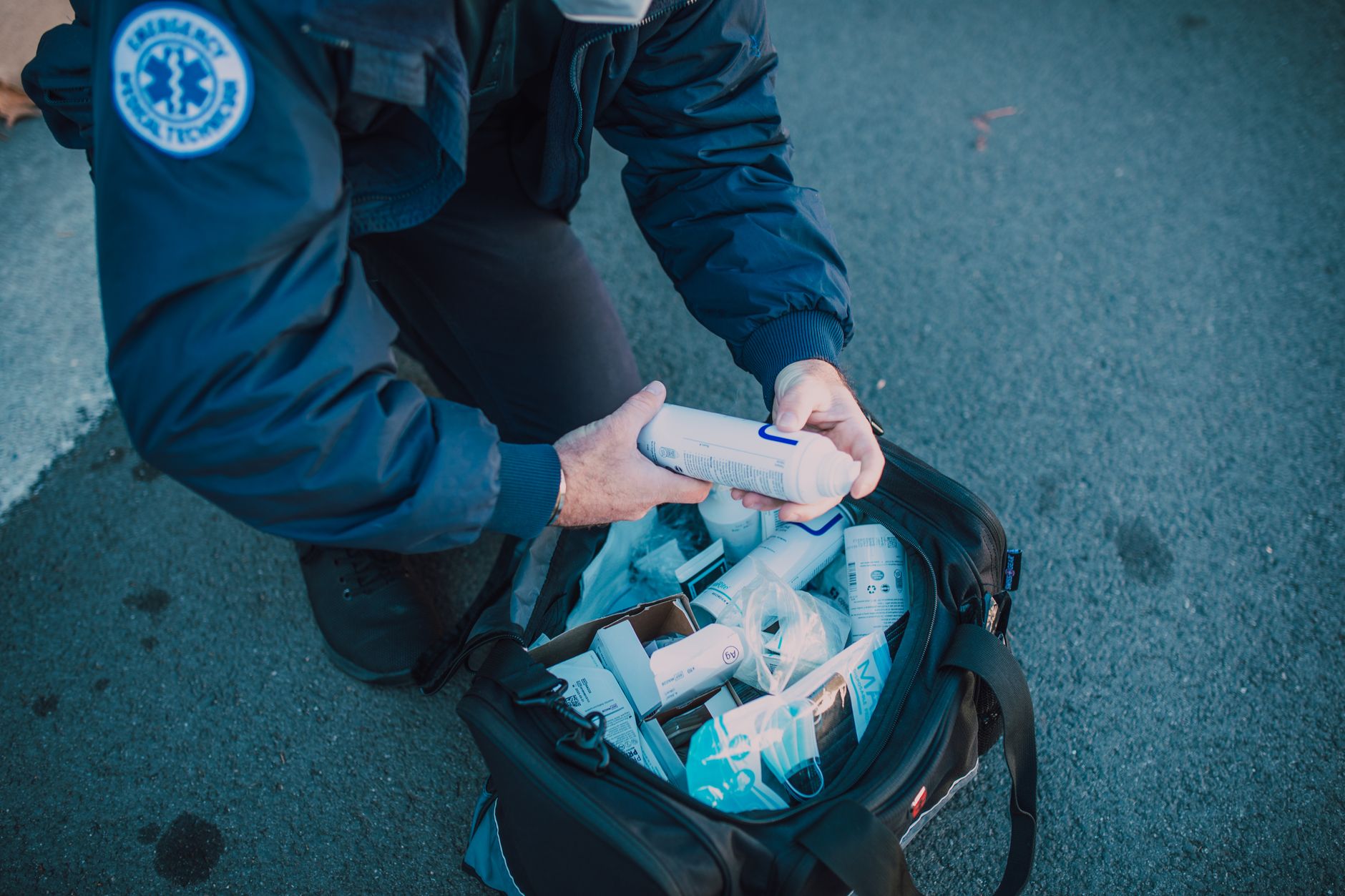
Doubling the $100 plan unlocks true family-level readiness. A gravity-fed water filter like the Platypus GravityWorks (about $60) processes 1.5 gallons per minute and meets EPA standards for removing 99.9999% of bacteria and protozoa. That single purchase means you can turn a river, lake, or rain barrel into safe drinking water without chemicals. Pair it with two 7-gallon water containers for $30, and you store 14 gallons while also being able to produce more continuously. For food, step up to a two-person 72-hour freeze-dried meal kit with a stove and fuel canisters. A JetBoil or similar integrated stove with built-in pot costs around $75, making hot meals, coffee, and boiled water for sanitation realistic. A premium first aid kit with Israeli bandages, tourniquet, and burn gel runs $30. Shelter gets a boost with an all-weather sleeping bag or bivvy (around $40) that replaces a simple emergency blanket. A headlamp, multi-band radio, and spare batteries fill out the $200. The best emergency water storage 2026 list confirms that dedicated containers outperform recycled bottles.
At this level, you are no longer trading off much. The filter alone justifies the cost; during a prolonged power outage or water main break, you can supply unlimited drinking water. The freeze-dried meals often contain 1,200-1,500 calories per pouch, and two meals a day meet requirements. The National Oceanic and Atmospheric Administration NOAA weather safety stresses having a way to receive alerts, and the hand-crank radio ensures you get updates even if cell towers fail. The downside is the initial investment, but these items last for years. A solar generator would be the next logical upgrade, but it pushes beyond this budget. For now, you have a kit that can sustain a small family through a hurricane, ice storm, or evacuation scenario without panic. The bug out bag checklist 2026 gives you extra ideas for fine-tuning.
Key strengths:
- ✅ Unlimited water purification with gravity filter
- ✅ Hot meals and boiled water with integrated stove
- ✅ 14 gallons of stored water plus ability to make more
- ✅ Full trauma first aid kit for multiple people
- ✅ Radio, headlamp, and shelter cover extended scenarios
- ❌ Heavier and bulkier, less portable on foot
- ❌ Initial cost may stretch tight budgets
- ❌ Stove fuel must be rotated annually
Who it’s for: Families up to four people or solo preppers wanting the best all-around 72-hour to 1-week capability without buying a pre-built kit.
Frequently Asked Questions
What should I prioritize on a $50 budget?
Water and basic first aid are non-negotiable. Start with a 1-gallon per person per day water supply, then add a multitool, flashlight, emergency blanket, and a few high-energy food bars that contain at least 400 calories each.
Is a $200 emergency kit enough for a family of four?
It covers a 72-hour period reasonably well if you choose multi-purpose items and bulk water storage. For longer scenarios, you will need to scale up food and add a larger water filtration system, which can be done incrementally beyond the $200 starting point.
How long will the food in these budget plans last?
The meals and energy bars in the $50 and $100 plans are designed for 3 days. The $200 plan may include up to a week of emergency food for one person or 3 days for two, assuming moderate activity levels and 2,000+ calories daily.
Can I build these kits with items from my local store?
Absolutely. Each plan lists widely available products. Big-box retailers, hardware stores, and online marketplaces all carry these items, often at lower prices than pre-made kits.
Do I need a water filter for a $50 kit?
At $50, your budget goes furthest with bottled water and purification tablets. A high-quality filter typically pushes you into the $100+ range, but tablets will make suspect water safe to drink for a few dollars.
How often should I rotate stored food and water?
Check expiration dates every six months. Rotate water every six to twelve months and replace food bars or freeze-dried meals as they approach expiration. Keep a written schedule to stay consistent.
What Should You Remember?
- Water first: allocate the largest budget share to potable water and a way to purify more.
- Calories matter: target at least 2,000 calories per person per day for a 72-hour window.
- Start small, build later: a $50 core can be the foundation; add layers as funds allow.
- Multi-use gear: items like a multitool, bandana, and duct tape solve many problems at low cost.
- Shelter is cheap: emergency blankets and plastic sheeting protect you from cold/wet for under $10.
- Light and communication: a reliable flashlight and a battery-operated radio keep you informed.
- Official guidelines are free: follow FEMA, CDC, and Red Cross checklists to avoid guesswork.
This article is for general information only. Emergency preparedness involves real safety risk — always consult official sources (local authorities, CDC, FEMA) and verify gear before relying on it.