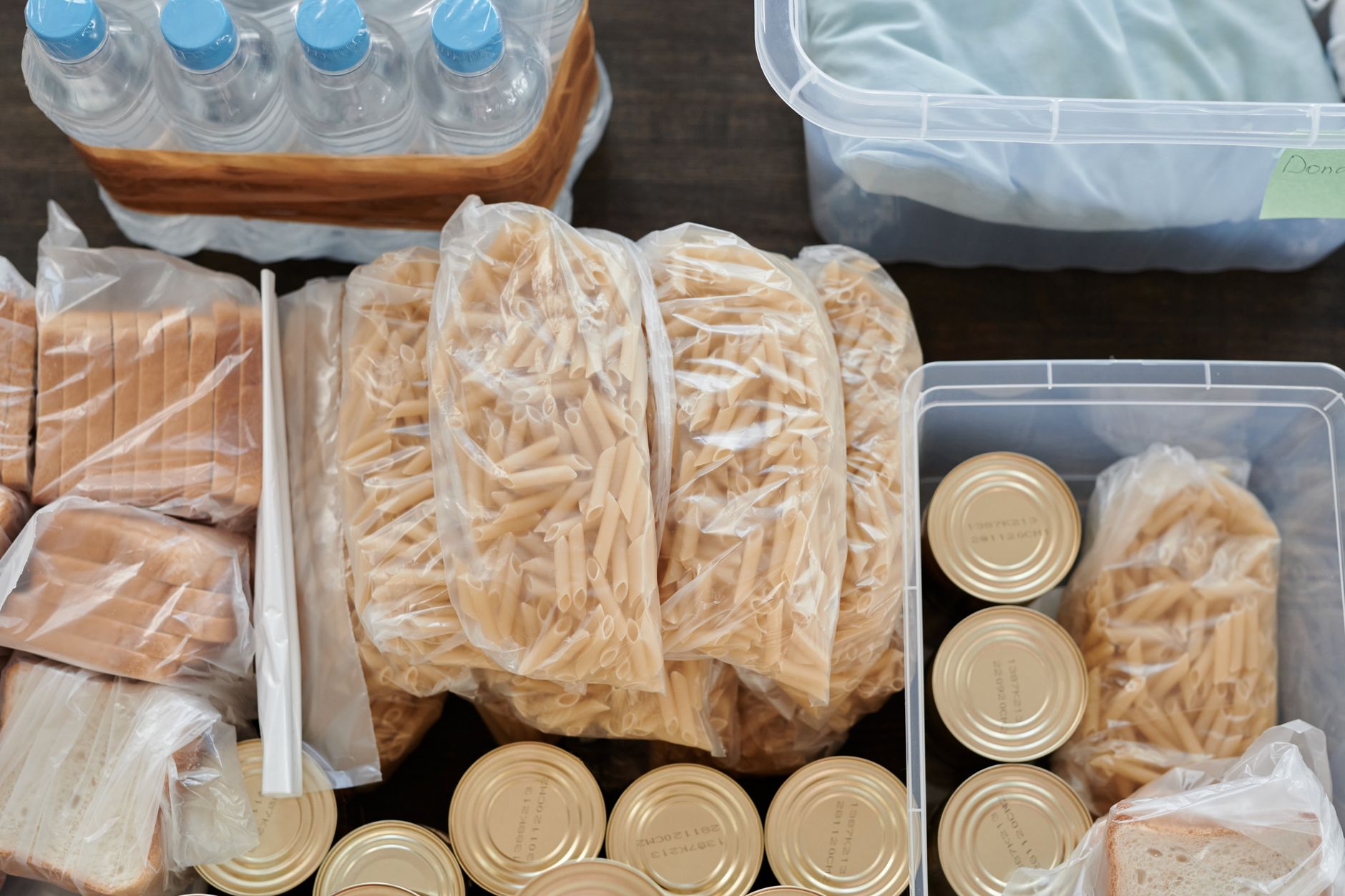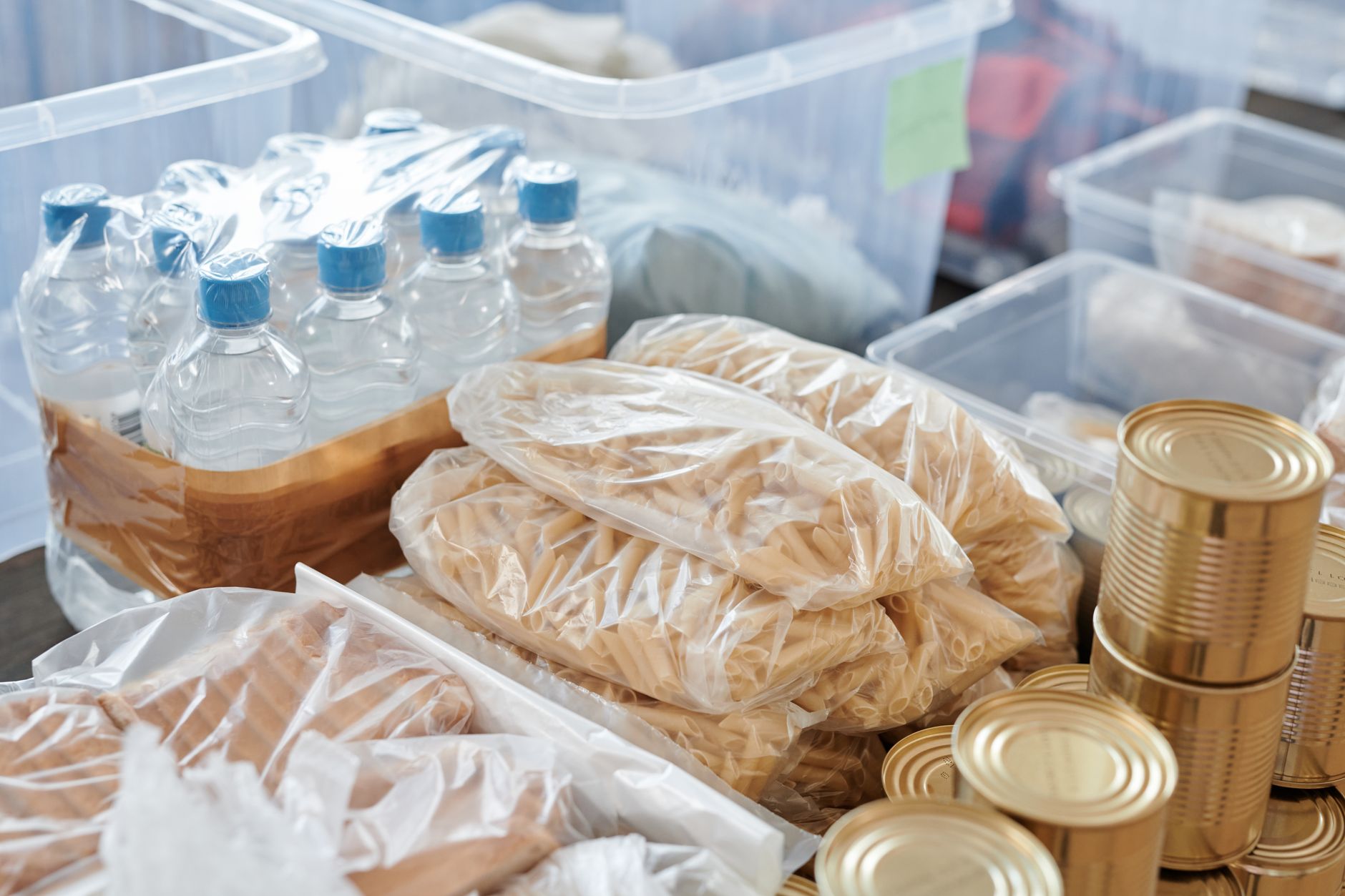
Grid power fails more often than most people admit. One ice storm or a bad wildfire season can leave a rural household dark for a week while crews work through downed lines. FEMA’s ready.gov tells every household to plan for at least three days of self-sufficiency, and rural families usually need far longer than that. Off-grid living takes the same idea to its logical end. You stop waiting for the line crew and you own the line. That means five systems that have to work together: water, power, food, heat, and waste. Skip one and the other four will not save you.
We compared these systems the way a first-time homesteader would actually build them. That means real numbers instead of marketing claims. How many gallons a family burns through in a week. How many kilowatt hours a 5 kW array really produces in December. How many cords of wood a 1,500 square foot house eats in a cold climate. We also weighed upkeep, because an off-grid system that needs a specialist every six months is not off grid at all. If you want to work backward from a target, run your household through a food storage calculator guide before you buy anything.
Order matters more than brand, and it matters more than budget. Water and food come first because both keep working during a blackout and both cost less than a lithium battery bank. Figure out your daily draw using the numbers in how much water to store for emergencies before you buy a single barrel. Power comes third because it is the most expensive and the easiest to oversize. Heat and sanitation close out the list, and both are usually governed by local code rather than personal preference.
Budget honesty matters here too. A hand pump, four 55-gallon drums, and a gravity filter can be assembled for less than the price of one solar panel, and they cover the system that kills people fastest. Lithium banks and freeze dryers are where the real money goes, and neither is required on day one. Permits are the other wall. Many counties require a well permit, a septic or greywater approval, and an electrical inspection, and some prohibit full-time occupancy without grid service. Check the rules before you dig. You can stage the build over several years and stay tied to the grid while you do it. A power outage survival guide is a good bridge document if you are still deciding how far off grid you want to go.
How Do the Top Options Compare?
| Core System | Best For | Representative Gear | Routine Upkeep | Price |
|---|---|---|---|---|
| Water: well, hand pump, storage | Year-round water independence | Simple Pump hand pump, 55-gallon drums, ceramic gravity filter | Filter cleaning twice a year, pump seal service | Check price |
| Power: solar array plus battery bank | Whole-house electricity reliability | Renogy 400W array, 48V LiFePO4 bank, propane backup generator | Panel cleaning, terminal checks, bank balancing | Check price |
| Food: bulk storage plus garden | Long-term calorie security | Harvest Right freeze dryer, Mylar bags, oxygen absorbers | Inventory rotation every 12 months, absorber audit | Check price |
| Heat and cooking: wood plus propane | Cold-climate survival | EPA-certified wood stove, Mr. Heater Big Buddy, propane cooktop | Yearly chimney sweep, gasket and hose checks | Check price |
| Sanitation: composting toilet and greywater | Hygiene and disease prevention | Nature’s Head composting toilet, mulch basin drain field | Annual solids empty, cover material restock | Check price |
Prices are deliberately excluded because equipment quotes swing widely by region, installer, and season. Use the Check price links to see current retail numbers. Every system listed assumes you have checked local well, septic, and electrical permitting rules first.
1. Off-Grid Water: Well, Hand Pump, and Storage , Best for Year-Round Water Independence
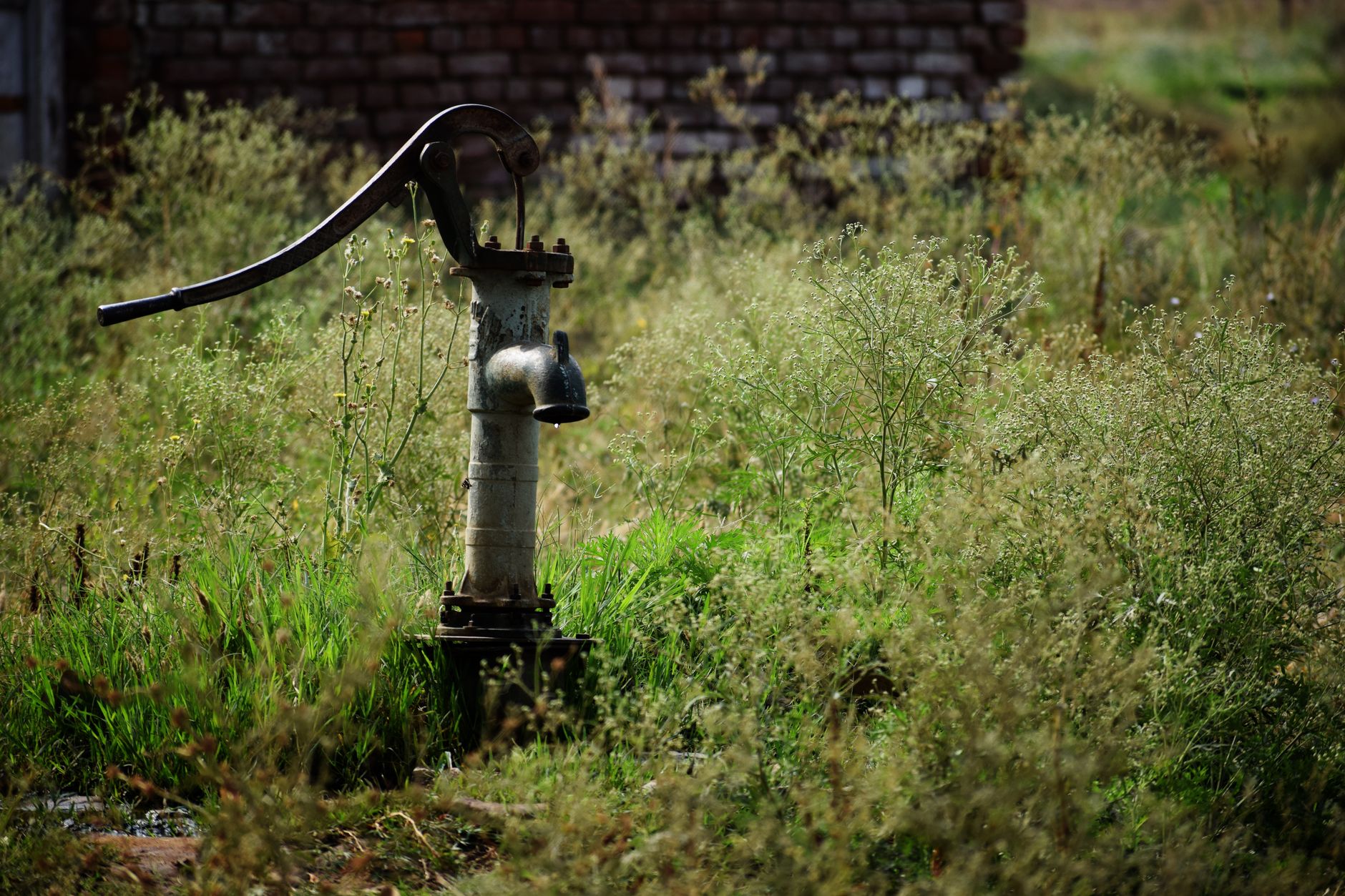
Water is the system that fails fastest and hurts first. The American Red Cross and FEMA both land on the same floor: one gallon per person per day for drinking and basic hygiene. That is a minimum, not a target. A family of four burns through 4 gallons a day, 28 gallons a week, and about 1,460 gallons a year before you count cooking, dishes, or a garden. No barrel stack survives that math for long. Storage is a buffer. It is not a source.
The source is almost always a well. Depth and recovery rate decide what you can pump. Suction pumps stall around 25 feet, so anything deeper needs a submersible or a deep-lift hand pump. A Simple Pump hand pump is rated to lift from roughly 200 feet, which covers most drilled wells in the country, and it keeps working when the inverter is dead. Check the Simple Pump hand pump on Amazon to compare cylinder and drop pipe options. Buy the correct cylinder for your static water level the first time. Re-pulling a drop pipe in February is a bad afternoon.
Treatment comes after the well, not before it. Assume any surface water carries Giardia, Cryptosporidium, or agricultural runoff, and assume your well can be compromised by a cracked casing or a flooded head. Ceramic gravity filters, boiling, and UV all work, and they fail in different ways. A gravity filter clogs and needs cleaning. UV needs power. Boiling needs fuel. Read up on water purification methods and pick two, not one. Store drinking water in food-grade drums and rotate the stock. For a breakdown of container types and liner quality, see emergency water storage picks for 2026.
Key strengths:
- ✅ Supplies the one resource you cannot ration past about three days.
- ✅ A hand pump keeps producing water when the grid is down for weeks.
- ✅ Storage expands cheaply in 55-gallon increments with food-grade drums.
- ✅ Gravity filtration needs no electricity and has no electronic parts to fail.
- ❌ Well drilling is the largest single cost in the system and can still come up dry or high in minerals.
- ❌ Hand pumping 20 gallons takes 20 to 30 minutes of real physical effort.
- ❌ Frozen lines and cracked well casings are common winter failure points.
Who it’s for: Choose this first if you own rural land with drilling access, or if your current well depends on a grid-powered submersible pump.
2. Off-Grid Power: Solar Array, Battery Bank, Backup Generator , Best for Whole-House Electricity Reliability
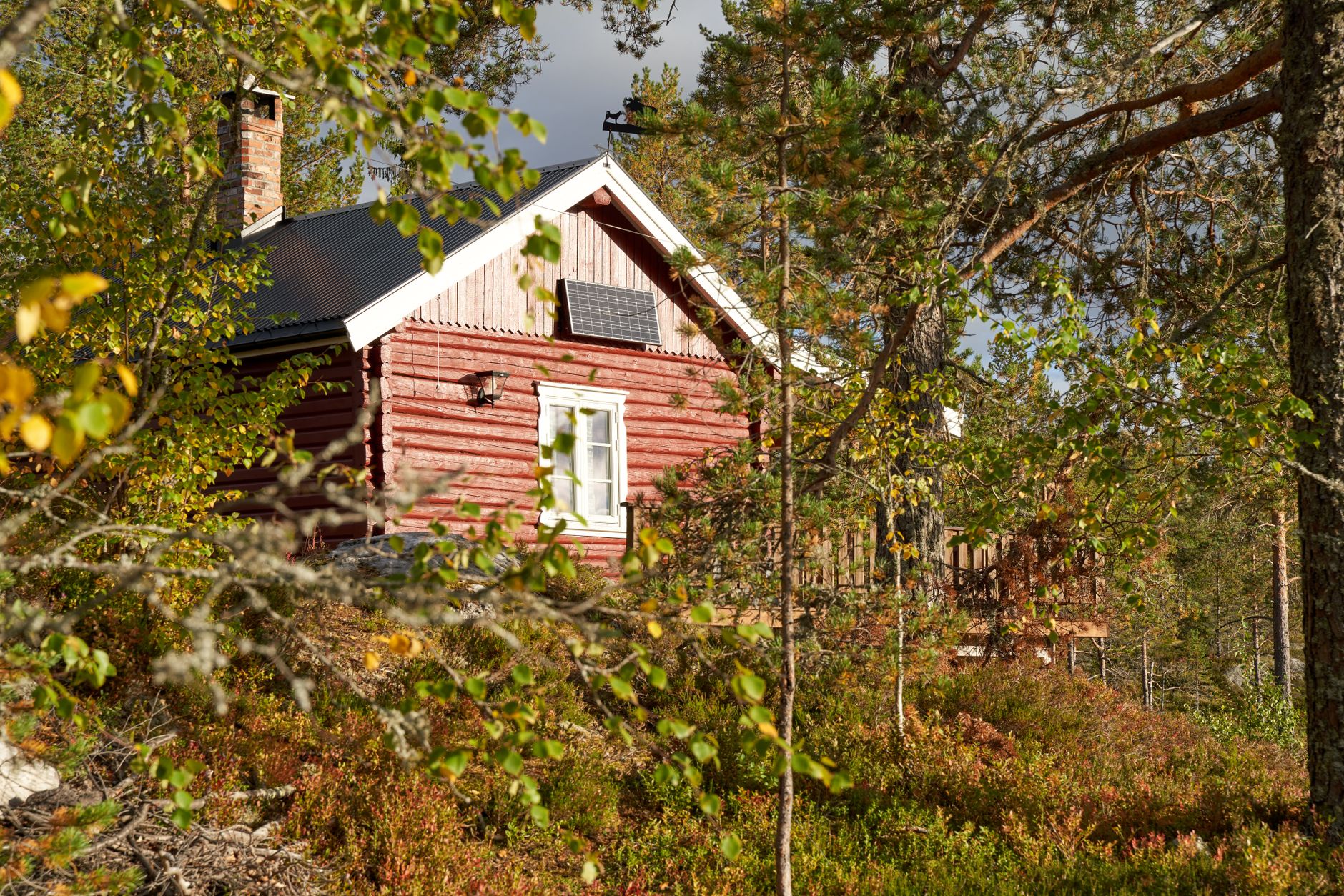
Residential solar panels convert about 20 to 22 percent of incoming sunlight into electricity in 2026. That efficiency number matters less than the seasonal swing. A 5 kW array in a sunny climate can produce 20 to 25 kWh on a July day and only 8 to 12 kWh in December. Most households use more power in winter, not less. Size the array for December and you throw away production in June. Size it for June and you will run a generator all winter.
Battery chemistry decides how often you repeat the purchase. Lithium iron phosphate banks cycle 3,000 to 6,000 times to 80 percent depth of discharge. Flooded lead acid manages 500 to 1,200 cycles and needs watering and equalizing. A 48-volt LiFePO4 bank with 10 kWh usable will run a fridge, a well pump, lights, and a laptop through one cloudy day. It will not run an electric range, an electric water heater, or a heat pump in January. Plan the house loads around that limit instead of discovering it in a snowstorm.
Generators and inverter sizing finish the job. Well pumps and compressors draw a starting surge that can hit three times the running load, so a 3,000-watt inverter may trip on a 1 hp pump. A modest propane or dual-fuel generator charging the bank through the inverter is far more efficient than running the whole house on generator power. Renogy’s 400W kit is a common starter for a cabin or workshop. Check the Renogy 400W solar kit on Amazon if you want to test a small array before committing to a whole-house build.
Key strengths:
- ✅ Produces power silently with no fuel deliveries after the initial purchase.
- ✅ Lithium iron phosphate banks now last 10 to 15 years with minimal maintenance.
- ✅ Scales in increments, so panels and batteries can be added over several years.
- ✅ Pairs cleanly with a small generator for winter backup and multi-day storms.
- ❌ Winter production can drop by more than half in northern states.
- ❌ Upfront cost is the highest of the five core systems.
- ❌ Batteries lose usable capacity in cold weather unless they are heated or buried below frost line.
Who it’s for: Choose this once water and food are covered and your biggest remaining gap is refrigeration, pumping, and lighting.
3. Off-Grid Food: Bulk Storage, Garden, and Preservation , Best for Long-Term Calorie Security
An adult needs roughly 2,000 to 2,500 calories a day. That works out to 730,000 to 912,500 calories per person per year, a number most pantry builds never come close to. Sealed freeze-dried cans hold quality for about 25 years in proper storage conditions. Dry staples in Mylar with oxygen absorbers run 20 to 25 years. Both ranges assume steady temperatures below 75 degrees Fahrenheit. A shed that hits 110 every August will cut those dates hard.
Stored food is insurance. A garden is production. A 1,000 square foot intensive bed can yield 300 to 600 pounds of vegetables in a season, but most of that weight is water. Real calories come from potatoes, corn, beans, winter squash, and root crops. A root cellar held between 32 and 40 degrees Fahrenheit with high humidity keeps potatoes, carrots, and beets edible into spring. That single room does more for winter food security than any shelf of cans.
Meat, dairy, and fat are the hard parts. A home freeze dryer turns fresh produce, cooked meals, and raw meat into shelf-stable food without canning. A Harvest Right unit is the common choice for that job. Check the Harvest Right freeze dryer on Amazon. It pulls serious wattage, so it belongs in the power plan, not on a wish list. Canning and pressure canning cover the rest, but only with tested recipes and correct process times. A bad jar of green beans is a hospital visit.
Build a rotation or you are just storing garbage. Label everything by month and year, eat the oldest stock first, and run a full inventory twice a year. The practical starting point is three months of staples in the pantry, then a year of long-life protein and fat. The 3-month food supply guide walks through that first stage step by step.
Key strengths:
- ✅ Removes daily dependency on grocery trucking and store inventory levels.
- ✅ Freeze-dried and Mylar storage survives temperature swings better than canned goods.
- ✅ A garden supplies fresh vitamins that long-stored food loses over time.
- ✅ Home freeze drying preserves a harvest without the water bath and jar logistics.
- ❌ Feeding a family from a garden takes land, water, and years of soil building.
- ❌ Freeze dryers draw heavy power and need a real energy plan behind them.
- ❌ Long-term storage still requires disciplined rotation to stay edible and useful.
Who it’s for: Choose this if your pantry runs out in two weeks, or if you plan to feed a household partly from your own land within five years.
4. Off-Grid Heat and Cooking: Wood, Propane, and Thermal Mass , Best for Cold-Climate Survival
Heating is the largest energy load in most off-grid homes. A well-insulated 1,500 square foot house in a 6,500 heating-degree-day climate needs roughly 40 to 60 million BTU across a winter. A cord of seasoned hardwood carries about 20 to 25 million BTU, and an EPA-certified stove turns 60 to 75 percent of that into room heat. Old smoke dragons run closer to 40 percent, which means you cut and stack nearly twice the wood for the same warmth.
Wood supply is the hidden constraint. Four to six cords a year is normal for a cold-climate house, and a sustainably managed woodlot produces roughly one cord per acre per year. That math points to five to ten acres of woodland in active rotation. Without the land, you are buying wood, and buying wood is not off grid. It is a fuel bill with extra steps and a delivery schedule you do not control.
Cooking splits from heating for good reason. A wood cookstove does both, but it turns the kitchen into a sauna in July. Propane is the usual summer answer, and it stores indefinitely in a tank you own rather than rent. For outage backup, a Mr. Heater Big Buddy runs on 1-pound or 20-pound propane cylinders and produces 4,000 to 18,000 BTU. It is rated for indoor use, but it still consumes oxygen, so crack a window and keep a carbon monoxide alarm in the same room. Never run it while you sleep in a sealed space.
Thermal mass and air sealing beat a bigger stove every time. A masonry heater or soapstone stove releases heat for hours after the fire dies, which flattens the overnight temperature drop. Adding insulation and sealing attic bypasses can cut the load by 30 percent before you touch the heating system at all. Do the envelope work first. It costs less than a second stove and it works every single day.
Key strengths:
- ✅ Wood heat works through long grid outages with zero electricity required.
- ✅ A modern EPA-certified stove cuts wood consumption by roughly a third.
- ✅ Propane stores for years and lights instantly for summer cooking.
- ✅ Thermal mass evens out overnight temperature swings without any controls.
- ❌ Chimney sweeping and creosote management are non-negotiable safety tasks.
- ❌ Indoor combustion produces carbon monoxide and requires real ventilation.
- ❌ Wood heat demands 40 to 80 hours a year of cutting, splitting, and stacking.
Who it’s for: Choose this if winter temperatures drop below freezing for months and you have either woodland access or a propane tank you own outright.
5. Off-Grid Sanitation: Composting Toilets and Greywater , Best for Hygiene and Disease Prevention
The CDC’s public health preparedness guidance treats sanitation as a first-tier concern after any disruption, because human waste spreads cholera, dysentery, hepatitis, and a long list of parasites. In a conventional home, flushing eats about 5 gallons per person per day. That is 1,825 gallons a year for one person, which is more water than most off-grid wells want to surrender.
A composting toilet separates solids from liquids, and that separation is the entire mechanism. Liquid goes to a drain field or an evaporation basin. Solids mix with a carbon cover material such as sawdust or peat and break down over 6 to 12 months in a vented bin. A urine-diverting model with a crank agitator handles a two-person household with a weekly liquid jug dump and an annual solids empty. Get the vent pipe right. A composting toilet that smells is almost always a venting problem, not a compost problem.
Greywater is the other half of the system. Shower, sink, and laundry water can go to a mulch basin or a constructed wetland instead of a septic tank, which cuts total household water use by 30 to 50 percent. Most jurisdictions regulate greywater, and some allow it only with a permit and a design review. Dig first and ask later is a fast way to pay for a demolition and a fine.
The failure mode here is not inconvenience. It is disease, flies, and groundwater contamination that poisons the well you just paid to drill. Put the outhouse, the drain field, and the compost pile downhill and at least 50 feet from any wellhead, and further if your soil drains fast. Cheap to build correctly. Expensive to fix afterward.
Key strengths:
- ✅ Cuts household water use by 30 to 50 percent compared with conventional flushing.
- ✅ Produces usable compost for non-food plantings after full decomposition.
- ✅ Works with no water supply and no sewer connection at all.
- ✅ Urine diversion reduces odor and bin volume dramatically.
- ❌ Local codes often restrict or outright ban composting toilets in residences.
- ❌ Solids handling is a genuine chore and the composting cycle takes a full year.
- ❌ Wrong cover material or poor venting creates odor and fly problems within days.
Who it’s for: Choose this if you are building from scratch or your septic system is failing, and you are willing to learn the maintenance routine properly.
Frequently Asked Questions
How much water does an off-grid household need each day?
FEMA and the American Red Cross both use one gallon per person per day as the minimum for drinking and basic hygiene. A family of four should plan on at least four gallons a day, and double that if you are cooking, washing dishes, or watering a garden. Storage alone cannot cover a full year.
How many solar panels does it take to go off grid?
Most off-grid homes land between 4 kW and 10 kW of panels, sized for December production rather than summer. A 5 kW array may make 20 to 25 kWh on a long July day and only 8 to 12 kWh in December. Size for the worst month and add a generator for the deepest stretches.
How long does freeze-dried food really last?
Sealed freeze-dried cans hold quality for about 25 years when stored below 75 degrees Fahrenheit. Mylar bags with oxygen absorbers keep dry staples for 20 to 25 years. Heat is the enemy, so an unconditioned shed that hits triple digits will shorten those numbers.
Can I legally live off the grid?
Usually, but not everywhere. Many counties require a potable water supply, an approved septic or greywater system, and a permitted electrical installation. A handful of jurisdictions require a grid connection before they will issue a certificate of occupancy. Call the planning office before you buy land.
Which off-grid system should I build first?
Water, then food. Both keep working during a blackout and both cost less than a lithium battery bank. Power comes third because it is the most expensive and the easiest to oversize. Heat and sanitation are usually driven by local code and climate.
Do I still need a generator if I have solar and batteries?
In most northern climates, yes. A small propane generator that charges the battery bank through the inverter costs far less to run than powering the whole house. It also covers multi-day storms when snow buries the array.
What Should You Remember?
- Water first. A well with a hand pump plus 1 gallon per person per day of stored water covers the failure that kills fastest.
- Size solar for December. A 5 kW array can lose more than half its output in winter, so build the battery bank around the worst month.
- Calories, not pounds. One adult needs 730,000 to 912,500 calories a year, and a vegetable garden will not get you there alone.
- Heat is the biggest load. A cold-climate house burns 40 to 60 million BTU a season, which is four to six cords of hardwood.
- Sanitation prevents the second disaster. Composting toilets cut household water use by 30 to 50 percent and keep waste away from your well.
- Sequence the build. Stage water, food, power, heat, and waste over several years instead of financing everything at once.
- Check the code first. Many counties require well, septic, and electrical permits before you can legally occupy an off-grid structure.
This article is for general information only. Emergency preparedness involves real safety risk , always consult official sources (local authorities, CDC, FEMA) and verify gear before relying on it.