When the grid goes down in 2026, the outage rarely lasts an hour. Wildfires, hurricanes, ice storms, and aging transmission lines can leave neighborhoods dark for days. FEMA’s ready.gov preparedness guidelines recommend storing at least a three-day supply of food, water, and medicine, and the Red Cross emergency preparedness resources add a simple rule: plan for how you will power medical devices, refrigeration, and communication. A backup power system is no longer a luxury for rural cabins. It is part of the same preparedness stack as your power outage survival guide. This guide compares five off grid electric systems that can carry a home through the next long blackout.
Not every backup system fits every home. A portable solar generator suits a renter in an apartment. A 24 kW standby generator suits a rural house with a well pump and central air. A DIY lithium bank suits a homeowner who can safely wire a 48V system. We looked at continuous output, surge capacity, battery chemistry, recharge options, noise, maintenance, and fuel storage. We also checked safety guidance from the CDC public health emergency preparedness page, which tracks carbon monoxide deaths tied to generators. The best solar generators can run silently, but fuel generators still win on raw power per unit of storage.
The math starts with your loads. A typical refrigerator draws 150 to 200 watts while running and can surge past 1,200 watts when the compressor kicks on. A furnace fan might pull 400 to 800 watts. A sump pump or well pump can demand 1,500 watts or more at startup. A 10 kWh battery can cover those critical loads for roughly 8 to 12 hours, or longer if you ration power. That is why budget emergency preparedness focuses on reducing demand before buying hardware. Efficiency matters too. Inverter generators convert gasoline to electricity at only about 15 to 20 percent efficiency, while LiFePO4 batteries retain roughly 80 percent capacity after thousands of cycles.
Safety is not optional. Carbon monoxide from a portable generator can reach lethal concentrations in minutes, even if the generator sits in a garage with the door open. Never backfeed a home outlet. Use a transfer switch or interlock kit, and follow local electrical codes. A grid down survival guide should include fuel rotation, battery maintenance, and a practiced shutdown plan. The five systems below range from plug-and-play solar batteries to permanent standby generators and DIY lithium banks. Pick the one that matches your home, your skills, and your budget. The wrong choice wastes money and can put your family at risk.
How Do the Top Options Compare?
| System | Best For | Output | Recharge/Fuel | Runtime | Check Price |
|---|---|---|---|---|---|
| EcoFlow Delta Pro Ultra | Best overall solar battery | 7.2 kW continuous, 10.8 kWh expandable | Solar, AC, gas generator | 1 to 3 days critical loads | Check price |
| Bluetti AC300 + B300 | Best modular battery backup | 3,000W continuous, 3,072Wh per battery | Solar, AC, car, generator | 12 to 24 hours critical loads | Check price |
| Generac Guardian 24kW | Best whole-home standby | 24,000W | Natural gas or propane | Unlimited while fuel lasts | Check price |
| Honda EU2200i | Best portable fuel inverter | 2,200W peak, 1,800W continuous | Gasoline | 4 to 8 hours per tank | Check price |
| EG4 48V 100Ah + 6000XP | Best DIY off-grid system | 6,000W inverter, 5.12 kWh per battery | Solar, grid, generator | 1 to 2 days critical loads | Check price |
Ratings are manufacturer claims. Real output varies with temperature, load type, and battery age. Gas generators produce carbon monoxide. Never run one indoors, in a garage, or near a window. Always follow local electrical codes and manufacturer instructions.
1. EcoFlow Delta Pro Ultra , Best Overall Off-Grid Solar Battery
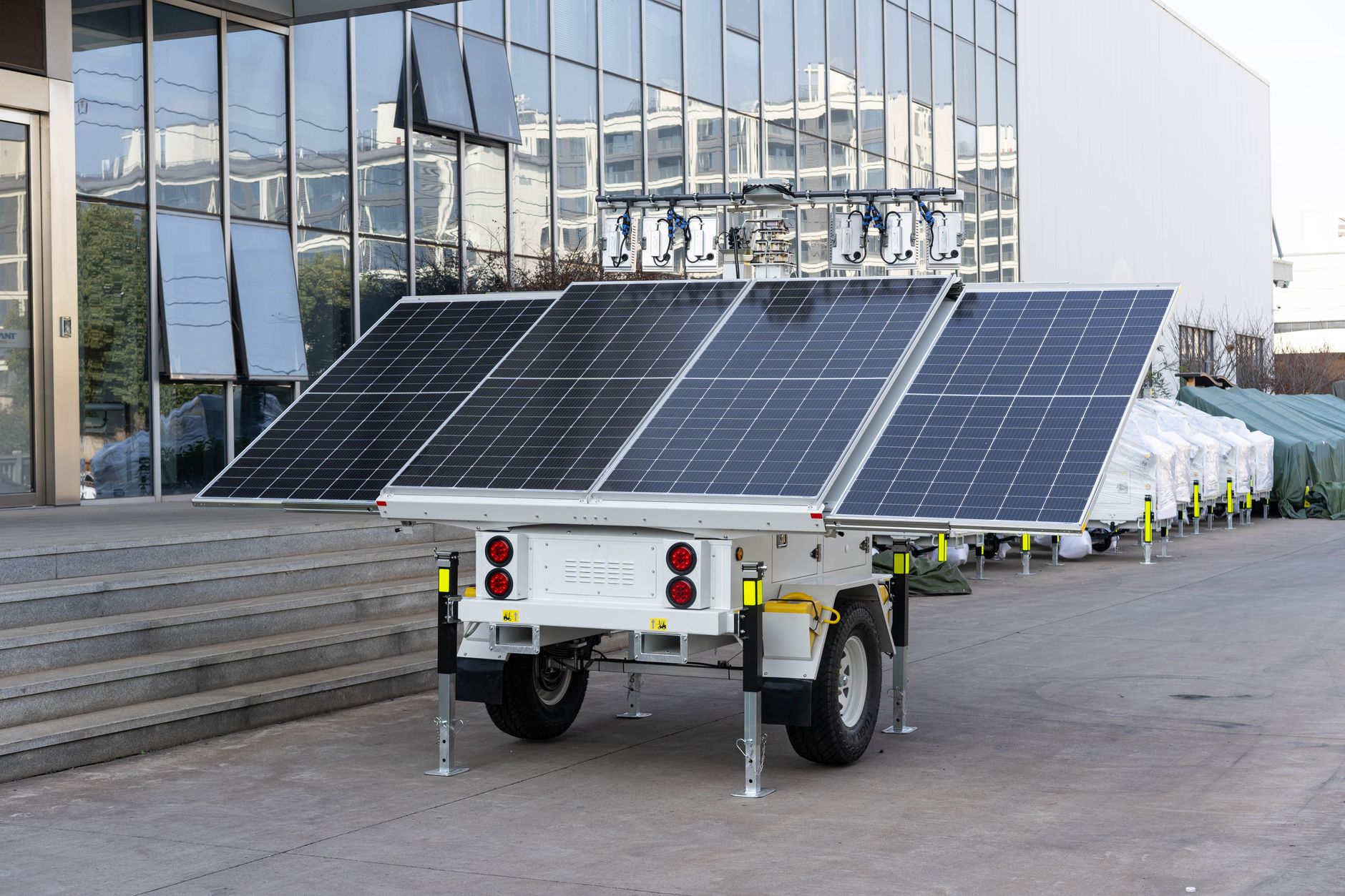
The EcoFlow Delta Pro Ultra is a 7.2 kW continuous inverter paired with a 10.8 kWh LiFePO4 battery. It accepts up to 5.6 kW of solar input, AC power, or a gas generator. For a fridge, furnace fan, internet router, and a few lights, that capacity often covers one to three days. The battery uses lithium iron phosphate cells rated for about 3,500 cycles to 80 percent capacity.
Installation is flexible. You can roll the unit to a manual transfer switch or hardwire it through an EcoFlow Smart Home Panel for automatic circuit backup. That matters because motor loads surge. A fridge that runs at 150 to 200 watts can briefly pull 1,200 watts or more at compressor start. The Delta Pro Ultra handles those spikes without tripping.
The downsides are real. It costs more per kilowatt-hour than a DIY rack battery, and the full unit is heavy. Firmware updates and app pairing sometimes require patience. Still, for a complete off grid electric system that does not need fuel, the Delta Pro Ultra is one of the strongest 2026 options. Check the EcoFlow Delta Pro Ultra on Amazon.
Key strengths:
- ✅ Delivers 7.2 kW continuous and 10.8 kWh expandable capacity for whole-home critical loads.
- ✅ Recharges from solar, AC, or a gas generator without separate charge controllers.
- ✅ Uses LiFePO4 batteries rated for about 3,500 cycles to 80 percent capacity.
- ✅ Works with a smart home panel for automatic backup of selected circuits.
- ✅ Quiet operation with no exhaust or fuel storage.
- ❌ Costs more per stored kilowatt-hour than a DIY lithium battery bank.
- ❌ Weighs over 180 pounds with battery, so it is not a grab-and-go unit.
- ❌ Requires professional wiring for whole-home transfer switch integration.
Who it’s for: Homeowners who want a plug-and-play solar battery system that can run critical circuits without fuel or manual refueling.
2. Bluetti AC300 + B300 , Best Modular Battery Backup
The Bluetti AC300 and B300 pair a 3,000 watt inverter with a 3,072 watt-hour LiFePO4 battery. You can stack up to four B300 batteries for 12,288 watt-hours total. That modular design lets you start small and add capacity when budget allows. It runs a fridge, freezer, lights, CPAP, and internet gear for a day or more.
Recharge options include solar, wall outlet, car input, and a gas generator. The AC300 accepts up to 2,400 watts of solar, which can refill a single B300 in a few hours of good sun. For apartment dwellers, that flexibility is the main selling point. You do not need a permanent install or a fuel supply. Keep the freezer running and you protect the food in your best emergency food supply.
The tradeoff is clutter. The inverter and batteries are separate boxes, so you need space and cables. There is no built-in automatic transfer switch. The app can drop connections. Even so, the AC300 remains one of the most expandable solar battery systems for the money. Check the Bluetti AC300 + B300 on Amazon.
Key strengths:
- ✅ Modular design lets you start with one battery and add capacity later.
- ✅ 3,000W continuous output runs a fridge, freezer, lights, and CPAP.
- ✅ Supports 2,400W solar input for fast recharge during sunny days.
- ✅ LiFePO4 chemistry gives long cycle life and stable output.
- ✅ Quiet and emissions-free for indoor use when properly placed.
- ❌ Inverter and batteries are separate units, so setup takes more space and cables.
- ❌ No automatic transfer switch without extra hardware.
- ❌ App connectivity can drop and require re-pairing.
Who it’s for: Renters and cabin owners who want expandable battery backup without a permanent whole-home install.
3. Generac Guardian 24kW , Best Whole-Home Standby Generator
The Generac Guardian 24kW is a permanent standby generator that sits outside on a concrete pad. It connects to a natural gas line or a propane tank and wires into an automatic transfer switch. When the grid fails, the generator starts within seconds and powers the whole house. That includes central air, a well pump, a furnace, and most large appliances.
Fuel is the key advantage. Natural gas rarely runs out during a local outage, and propane can be stored on site. The generator also exercises itself weekly to stay ready. Efficiency is not the strong point. A fuel generator converts only about 15 to 20 percent of the energy in gas into electricity. But the fuel itself is energy dense, so a small line can supply a large load.
The drawbacks are cost, noise, and carbon monoxide. Installation requires permits, a fuel hookup, and an electrician. The unit is loud enough to annoy neighbors. It also fails if the natural gas supply fails during a regional emergency. For homeowners who want automatic whole-home power and can handle the install, it is the most capable option here.
Key strengths:
- ✅ Delivers 24 kW, enough to run central air, well pump, and most large homes.
- ✅ Automatic transfer switch starts the generator within seconds of an outage.
- ✅ Runs on natural gas or propane, so no gasoline storage or refueling.
- ✅ Can run indefinitely as long as fuel supply continues.
- ✅ Increases home resale value and meets many HOA requirements with proper placement.
- ❌ Requires a significant installation investment, permits, concrete pad, and fuel hookup.
- ❌ Produces carbon monoxide and noise, so placement must follow code.
- ❌ Does nothing if the natural gas supply fails during a regional emergency.
Who it’s for: Homeowners in hurricane, ice storm, or wildfire regions who want automatic whole-home power and can afford permanent installation.
4. Honda EU2200i , Best Portable Fuel Inverter Generator
The Honda EU2200i is a portable inverter generator with 2,200 watts of peak power and 1,800 watts continuous. It runs a fridge, lights, phone chargers, and a small fan. Two units can be paralleled for more power. The fuel tank holds under a gallon, and runtime is about 4 to 8 hours at half load. It weighs around 47 pounds.
Honda’s reputation for reliability is earned. The generator starts easily, runs quietly at 48 to 57 dBA, and includes CO-Minder, which shuts the engine down if carbon monoxide levels rise. That safety feature matters because the CDC reports carbon monoxide poisoning as a leading cause of generator-related deaths. Never run it indoors, in a garage, or near a window.
The limitations are fuel and maintenance. Gasoline goes stale, so you must rotate your supply and add stabilizer. The EU2200i cannot power central air or a well pump without a second unit. It is also a theft target if left outside. For short outages and small loads, it is a proven workhorse. Store it with your winter car survival kit if you travel in cold weather.
Key strengths:
- ✅ Runs 1,800 watts continuous and 2,200 watts peak, enough for a fridge and basics.
- ✅ Very quiet for a gas generator at 48 to 57 dBA.
- ✅ Fuel efficient and reliable, with a CO-Minder shutoff for safety.
- ✅ Light enough for one person to move at about 47 pounds.
- ✅ Parallel kit lets you combine two units for more power.
- ❌ Requires gasoline, which must be stored and rotated safely.
- ❌ Cannot be run indoors, in a garage, or near windows due to carbon monoxide.
- ❌ Only runs 4 to 8 hours per tank depending on load.
Who it’s for: Campers, tailgaters, and homeowners who need a portable fuel generator for short outages and small loads.
5. EG4 48V 100Ah + 6000XP Inverter , Best DIY Off-Grid Power System
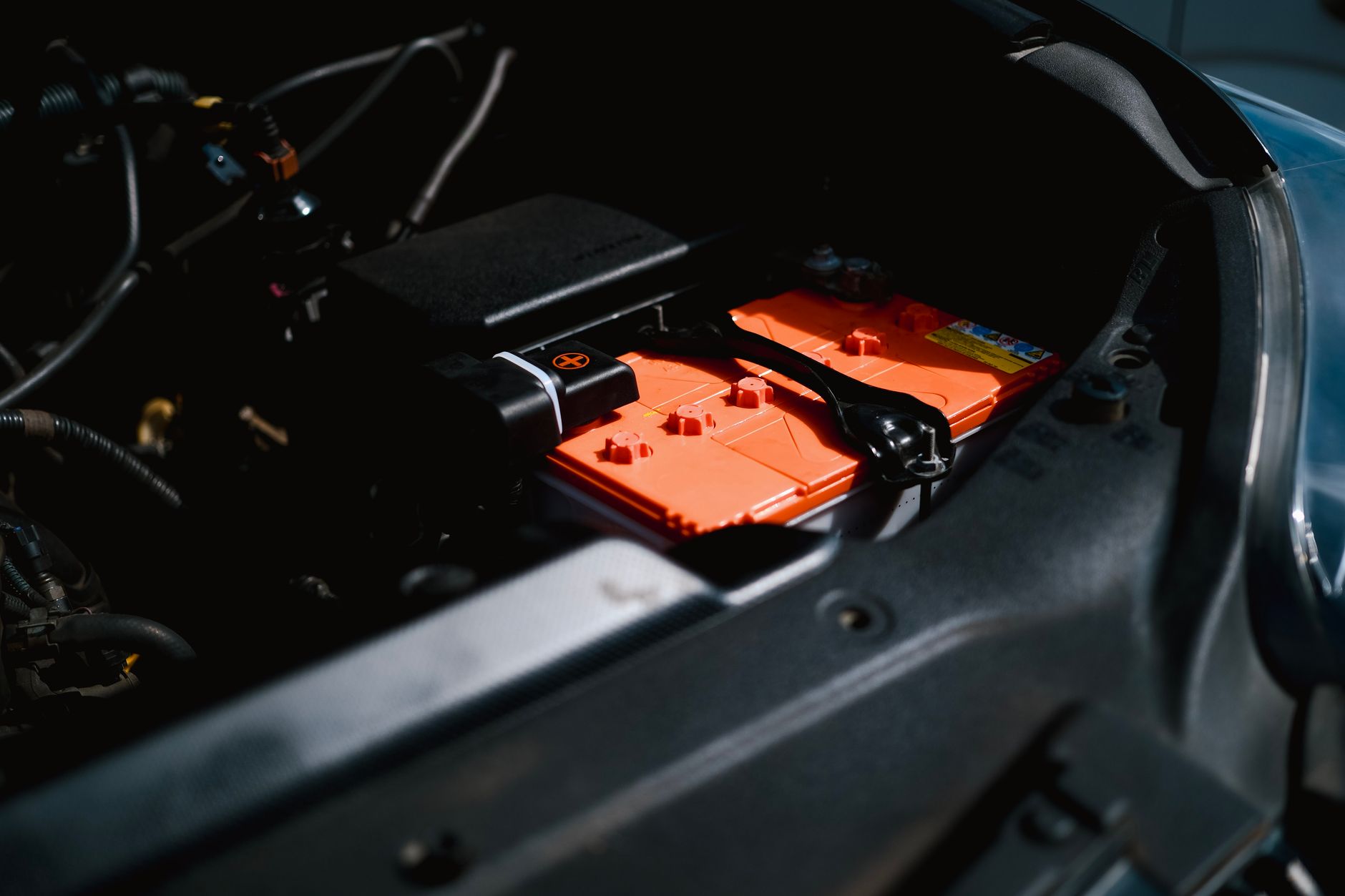
The EG4 48V 100Ah server rack battery stores 5.12 kWh of LiFePO4 energy. Pair it with the EG4 6000XP inverter, a 6,000 watt 48V unit that accepts solar, grid, and generator input. One battery and one inverter can run a small cabin or critical home circuits. Add batteries to reach 20 kWh, 30 kWh, or more. This is the lowest cost per kilowatt-hour of the five systems.
Unlike a solar generator, this is a component system. You need a rack, bus bars, fuses, breakers, cables, and a transfer switch. You also need permits and an electrician if you tie it to home wiring. The payoff is scalability and repair. If one battery fails, you replace one battery. The inverter can be serviced separately. LiFePO4 cells in this class often carry ratings of 6,000 cycles to 80 percent capacity.
Do not buy this if you want plug-and-play. The EG4 setup is for someone who understands DC voltage, torque specs, and code requirements. Done right, it can cost far less than a brand-name solar generator with the same storage. Check the EG4 48V battery and 6000XP inverter on Amazon.
Key strengths:
- ✅ Lowest cost per kilowatt-hour among the five systems.
- ✅ Scalable from 5 kWh to over 30 kWh by adding server rack batteries.
- ✅ LiFePO4 cells often rated for 6,000 cycles to 80 percent capacity.
- ✅ Inverter supports solar, grid, and generator input for flexible charging.
- ✅ Repairable and serviceable with standard 48V components.
- ❌ Requires electrical knowledge, permits, and a licensed electrician for safe installation.
- ❌ No automatic transfer switch or plug-and-play enclosure included.
- ❌ Not portable once installed.
Who it’s for: DIY homeowners and off-grid cabin owners who want the most storage for their money and are comfortable with electrical work.
Frequently Asked Questions
How long will a solar generator run my house?
A 10 kWh battery like the EcoFlow Delta Pro Ultra can run a fridge, lights, internet, and a furnace fan for 1 to 3 days. Central air or electric heat will drain it in hours. Add batteries or solar panels for longer outages.
Can I run a gas generator indoors during a power outage?
No. Gas generators produce carbon monoxide, an invisible and odorless gas that can reach lethal levels in minutes. Place the generator outside, at least 20 feet from doors, windows, and vents.
What size backup power system do I need?
Add the running watts of the devices you must power, then check the surge watts for motors in fridges, furnaces, and well pumps. A 3,000W inverter handles most basics. A 7,000W system can run more appliances at once.
Are DIY lithium battery banks safe?
Yes when installed with proper fusing, breakers, and disconnects. LiFePO4 chemistry is stable, but 48V DC can arc and cause fires if wired wrong. Use a licensed electrician if you are not trained.
Do I need a transfer switch for backup power?
Yes for any system tied into home wiring. A transfer switch prevents backfeeding the grid and protects utility workers. Portable generators can use a manual transfer switch or an interlock kit.
How much solar do I need to recharge a backup battery?
A good rule is 1,000 to 1,500 watts of solar for every 5 kWh of battery you want to recharge in a day. Shade, clouds, and winter sun reduce that output by 50% or more.
What Should You Remember?
- Size the loads first: Add continuous and surge watts for fridge, furnace, well pump, and medical gear before buying.
- Choose LiFePO4 for storage: Lithium iron phosphate batteries often keep 80% capacity after 3,500 to 6,000 cycles.
- Never run a gas generator indoors: Carbon monoxide kills within minutes; place it outside and away from windows.
- Plan for recharge: Solar, grid, or generator input all matter when an outage lasts more than a day.
- Match the system to the home: Renters should pick modular solar generators; homeowners can install standby or DIY systems.
- Follow FEMA, CDC, and Red Cross guidance: Store water, food, and power for at least 3 days, and practice your outage plan.
- Budget for installation: Transfer switches, permits, and wiring can add significant cost beyond the hardware.
This article is for general information only. Emergency preparedness involves real safety risk , always consult official sources (local authorities, CDC, FEMA) and verify gear before relying on it.