The 2024 Atlantic hurricane season produced 21 named storms, 9 hurricanes, and 3 major hurricanes. This active season strained emergency response systems across coastal communities. Experts from NOAA predict that 2025 and 2026 will continue the trend of above-normal hurricane activity. For anyone living along the Gulf Coast or Eastern Seaboard, a detailed preparedness checklist is no longer optional. It is a necessity. Hurricanes bring destructive winds, torrential rain, and storm surge that can flood entire neighborhoods. Being ready before the first warnings sound can save your life and your property. A single storm can leave thousands without power or clean water for weeks. Preparation starts long before a hurricane watch is issued.
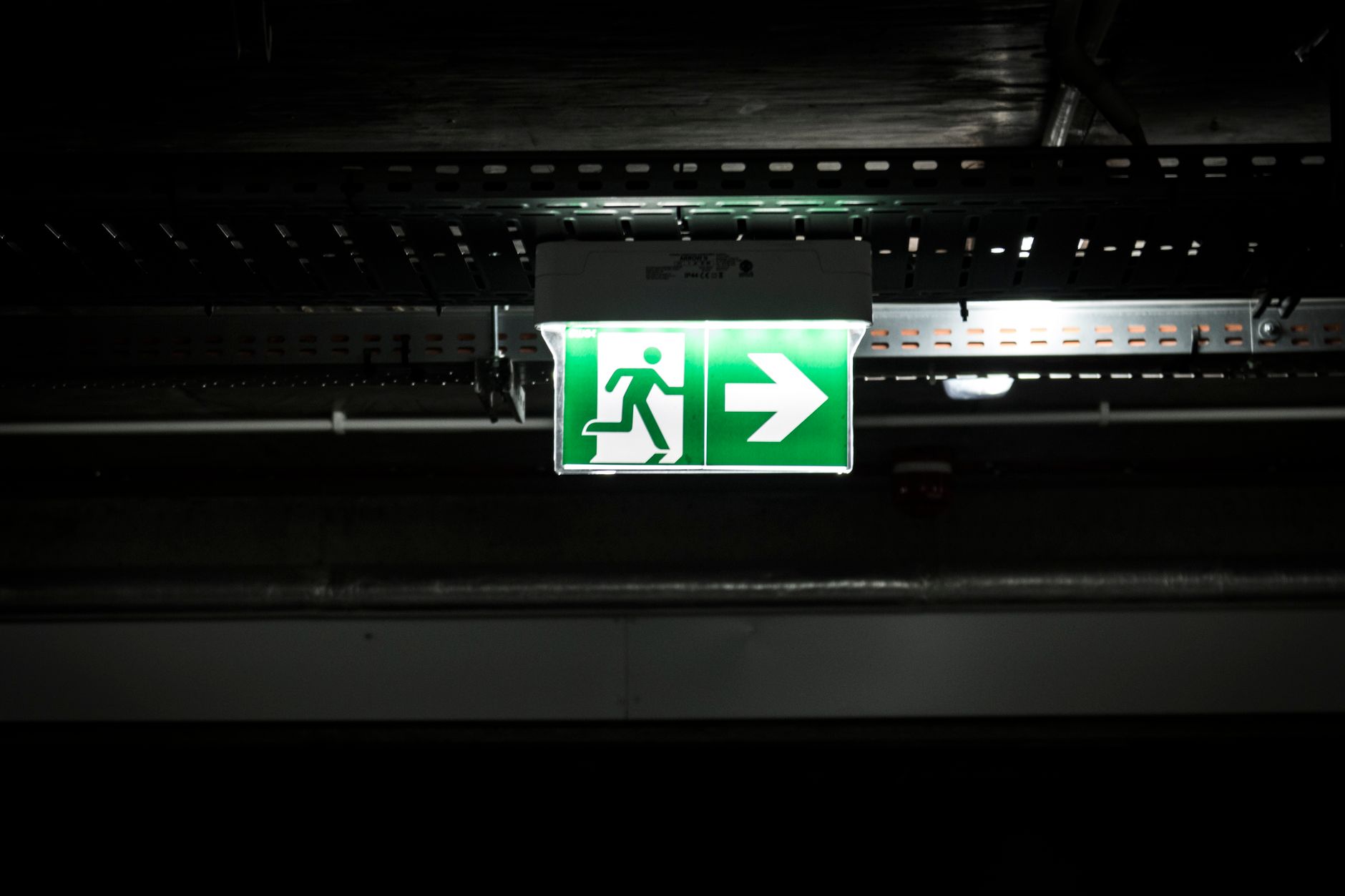
The best defense is a solid plan that covers all three phases: before, during, and after the storm. Begin by reading the latest FEMA emergency preparedness recommendations. They emphasize building a supply kit, staying informed, and knowing evacuation routes. The CDC also offers health-related safety measures for hurricanes, especially regarding water contamination and mold after flooding. The Red Cross provides shelter-in-place guidelines for those who cannot evacuate. This article breaks down the entire process into actionable steps. We will cover exactly what to do when a hurricane watch turns into a warning, how to ride out the storm, and how to recover safely. Following official guidance from these agencies is critical. Local officials rely on their protocols to issue evacuation orders. Do not wait until the last minute to understand what you need. A little planning now can prevent panic later.
Statistics show that storm surge accounts for roughly 40% of hurricane-related deaths, according to NOAA. Many of these fatalities happen because people underestimate flood risks. Having enough clean water is critical. After a storm, municipal water systems can be compromised for weeks. The USDA advises storing at least one gallon of water per person per day for several days. You also need a reliable way to purify water. A survival water filter and a water storage plan are essential. Nobody wants to scramble for supplies when evacuation orders come. This checklist ensures you are prepared long before the first cloud forms on the horizon. From building a 72-hour kit to creating an evacuation route, each step matters. We have gathered the most current advice from survival experts and government agencies to create this 2026 hurricane checklist.
What Should I Do Before a Hurricane Watch Becomes a Warning?
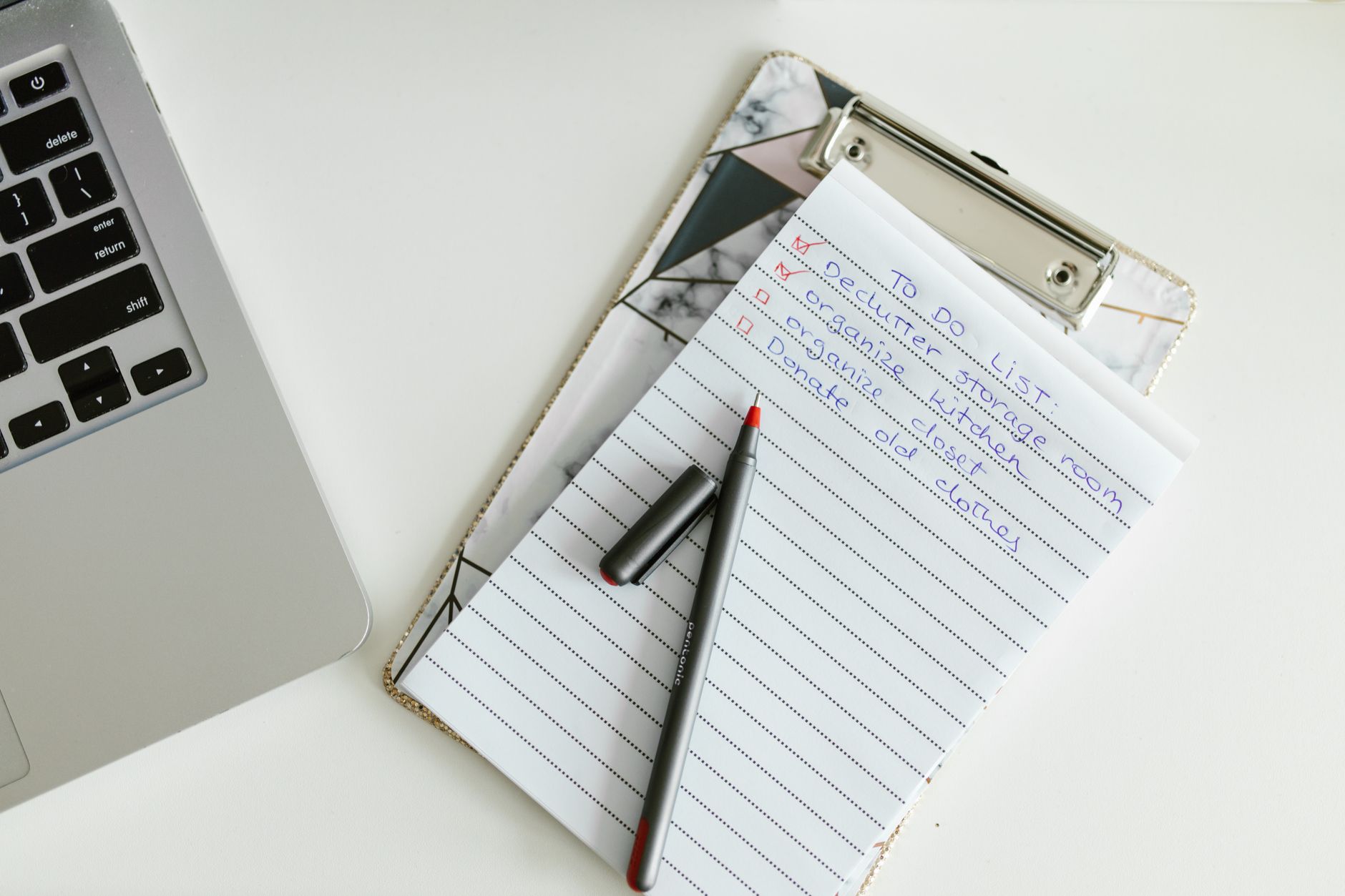
Preparation begins months before hurricane season. Review your insurance policies and make sure flood damage is covered. Standard homeowners insurance does not cover flooding. Create a family communication plan that includes an out-of-state contact. Share copies of important documents with a trusted relative. Sign up for local emergency alerts on your phone. Keep a hand-crank emergency radio in your home to receive NOAA weather alerts even if cell towers fail. Trim tree branches that could fall on your house. Test your generator and stock extra fuel. If you plan to evacuate, know your route and destination in advance. The Red Cross provides checklists for evacuation kits. Visit their site to ensure you are ready. It is also a good time to join a neighborhood mutual aid group to share resources and check on neighbors after the storm.
- Review your insurance annually before hurricane season starts.
- Create a family emergency communication plan with a meeting location.
- Sign up for local emergency alerts and know your evacuation zone.
- Trim overhanging branches and secure loose roof shingles.
- Test your backup generator and change the oil if needed.
- Join a local neighborhood preparedness network.
What Supplies Should I Stock for a Hurricane Emergency Kit?
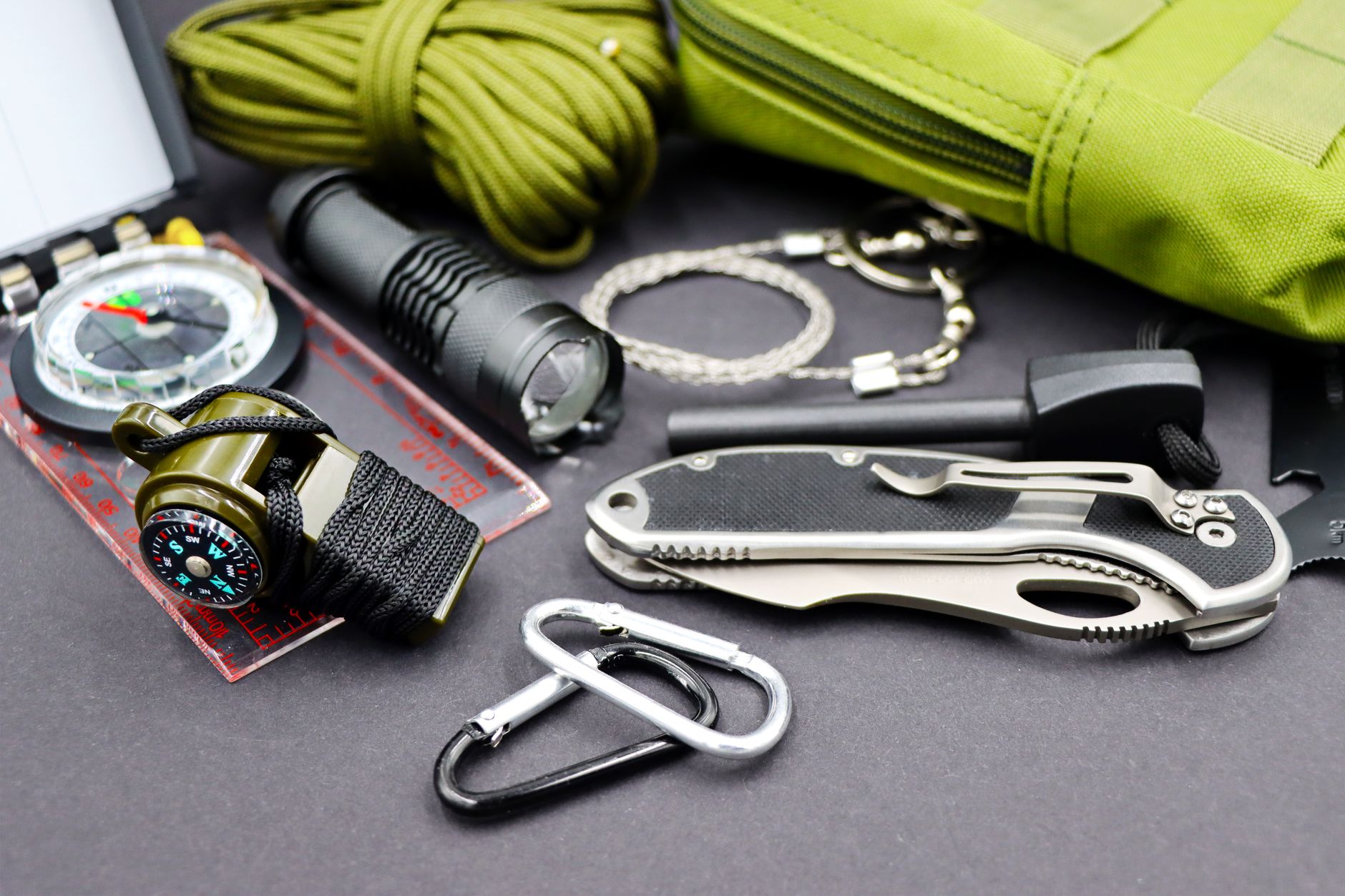
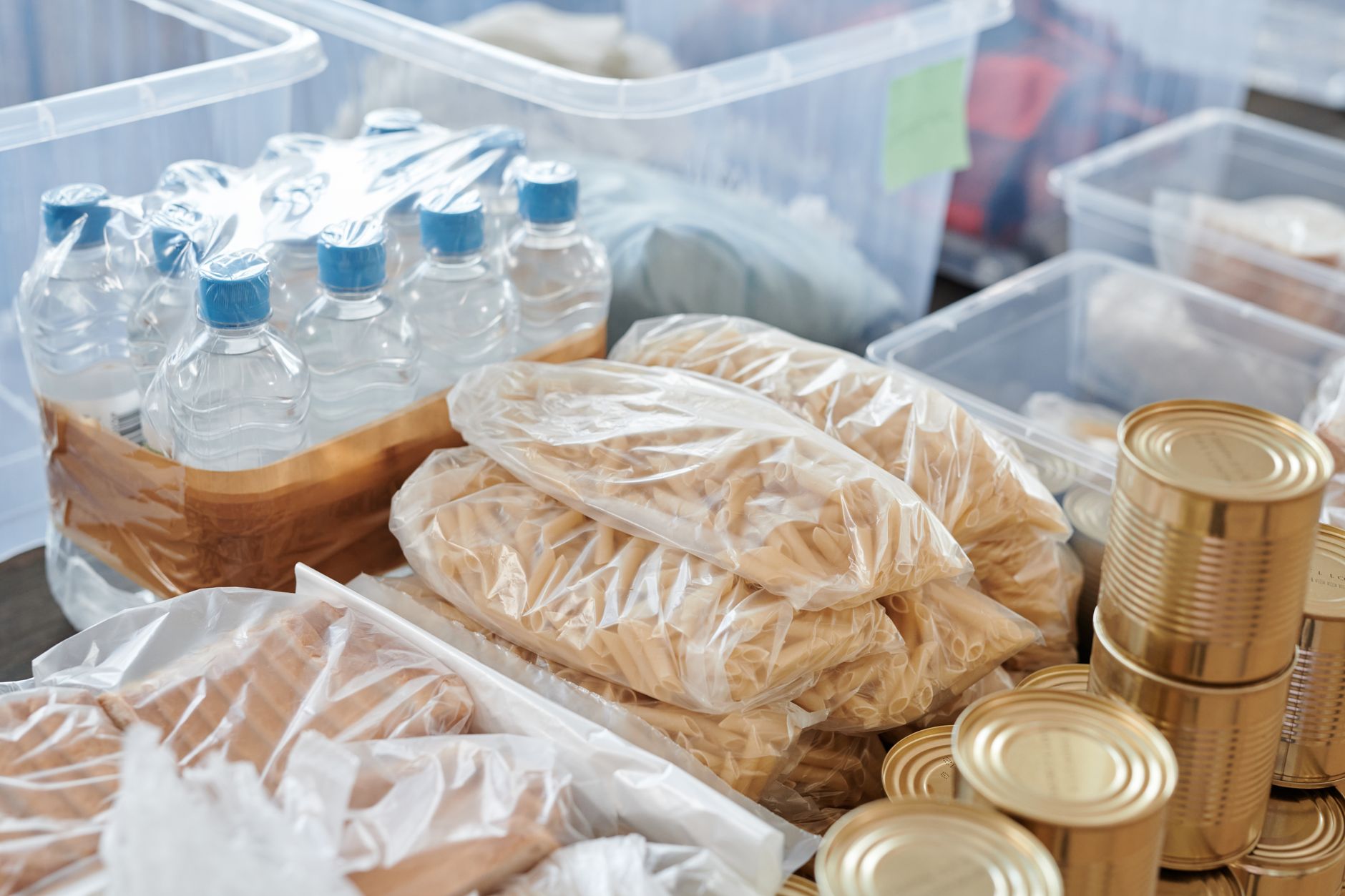
Your hurricane kit should sustain your household for at least three days. Pack one gallon of water per person per day. Store non-perishable food that does not need cooking. Include a manual can opener, flashlight, extra batteries, and a first aid kit. FEMA recommends having a full change of clothing and sturdy shoes for each person. Keep important medications, baby supplies, and pet food on hand. A multilevel evacuation bag such as a bug out bag makes leaving quickly easier. Do not forget personal hygiene items and sanitation supplies like moist towelettes and garbage bags. Many preppers also invest in a solar generator to keep essential electronics charged. A survival radio with NOAA alert capability is a must. Finally, store copies of identification and insurance documents in a waterproof container.
- Water: 1 gallon per person per day
- Food: 3-day supply of non-perishable items
- First aid kit with prescription medications
- Flashlights and extra batteries
- Hand-crank or battery-powered radio
- Cell phone chargers and backup battery packs
- Cash in small denominations
- Important documents in waterproof bag
How Do I Secure My Home Against Hurricane Damage?
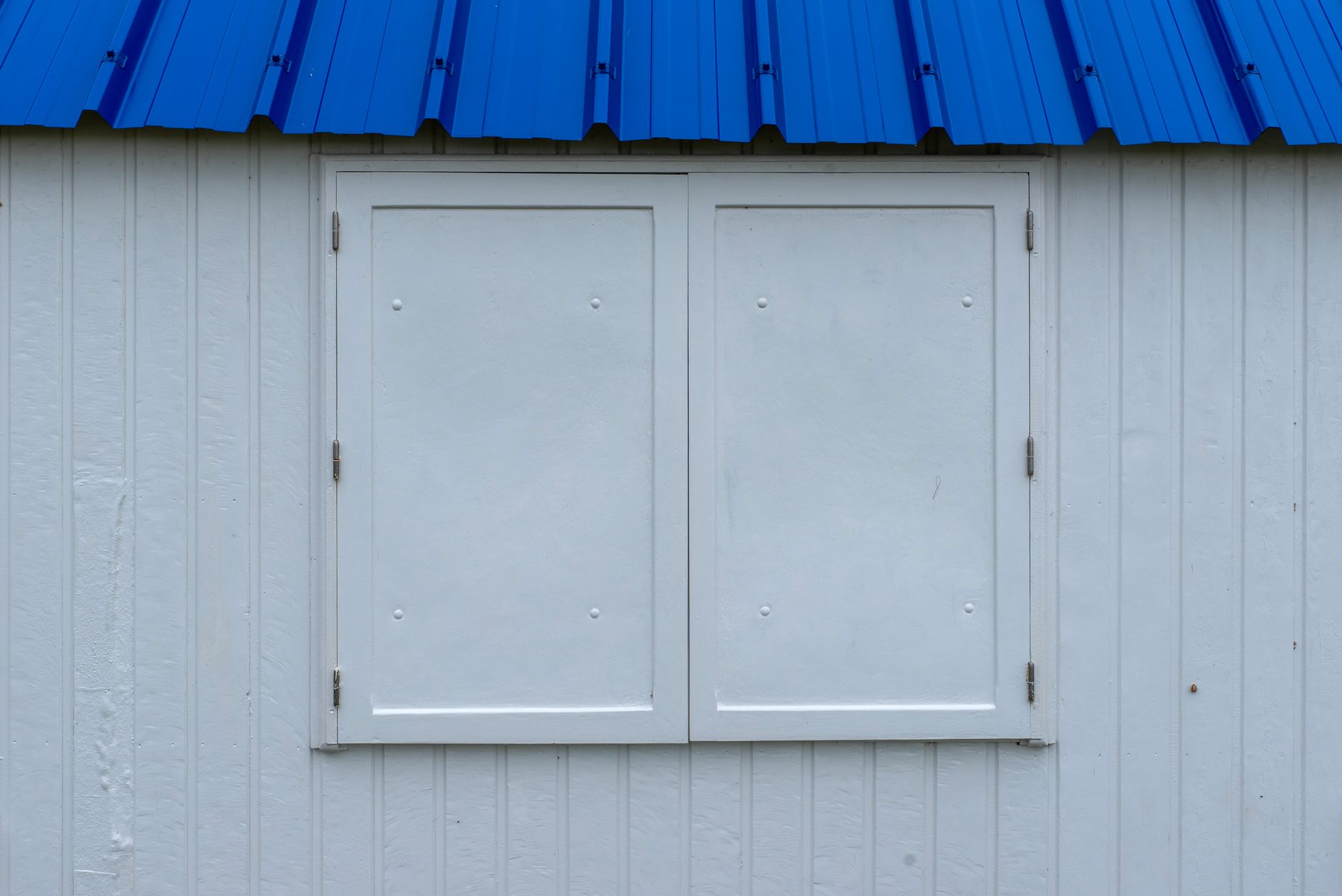
Wind and water cause most structural damage. Start by installing storm shutters or cutting plywood to cover all windows. Taping windows does not prevent breakage and is not recommended. Reinforce the garage door, which is often a weak point. Bring in all outdoor furniture, decorations, and trash cans, as they can become projectiles. Clear gutters and downspouts to prevent water backup. If you live in a flood-prone area, set up sandbags or flood barriers. Consider installing a backflow valve in your sewer line. Review your roof for loose shingles and secure any antennas or satellite dishes. A grid-down survival guide can help you prepare for extended power outages that often follow hurricanes. Turn your refrigerator and freezer to their coldest settings to preserve food longer if the power goes out. Know how to manually open your garage door.
- Install storm shutters or plywood over windows.
- Secure loose roof shingles and clear gutters.
- Bring all outdoor objects inside.
- Reinforce the garage door and entry doors.
- Set up sandbags if you are in a flood zone.
- Turn refrigerator to coldest setting and freeze water containers to create block ice.
What Should I Do During the Hurricane?
When the storm hits, stay inside and away from windows. Go to a small interior room, closet, or hallway on the lowest floor. Do not go outside even if the eye passes over and conditions temporarily calm. Winds can resume suddenly from the opposite direction. Keep your emergency radio tuned to local news or NOAA frequencies. If flooding forces you to move to a higher floor, do so cautiously. Avoid using candles because of fire risk; rely on battery-powered flashlights instead. Fill bathtubs with water for sanitation uses like flushing toilets. During a power outage, unplug appliances to protect them from surges when power returns. The CDC advises against drinking tap water until authorities declare it safe. If you suspect a gas leak, turn off the main gas valve and leave the house if it is safe to do so.
- Stay in an interior room away from windows.
- Use flashlights, not candles.
- Monitor updates with a battery-powered radio.
- Fill bathtub with water before the storm if possible.
- Unplug electronics to prevent surge damage.
- Do not go outside during the calm eye of the storm.
What Should I Do After the Hurricane Passes?
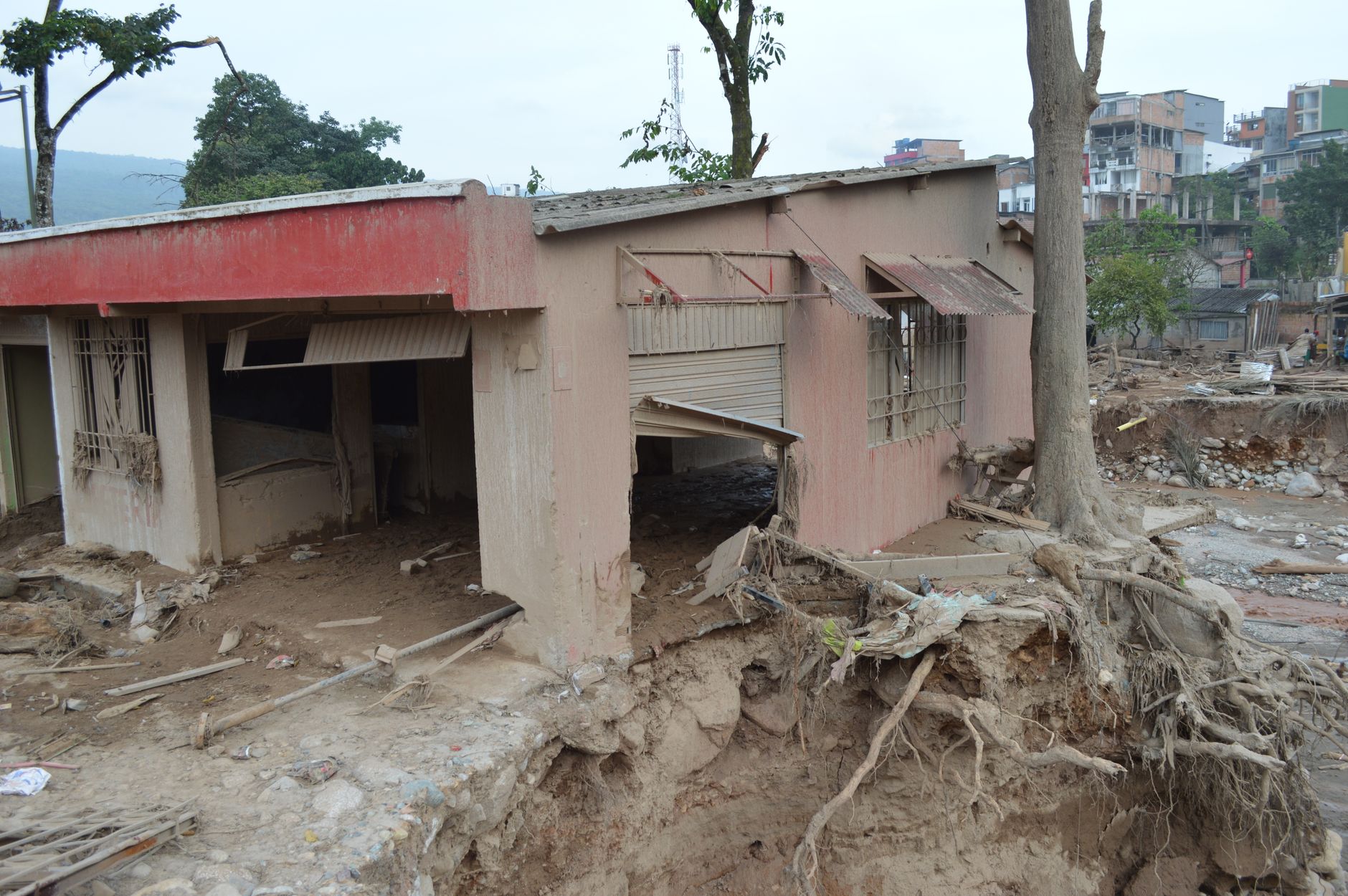
The danger is not over once the winds die down. Avoid walking or driving through floodwaters. Just 6 inches of moving water can knock a person down, and a foot can sweep away a vehicle. Stay away from downed power lines and report them immediately. Be wary of damaged buildings that could collapse. If you evacuated, return home only when officials say it is safe. Check your property for structural damage, gas leaks, and water damage. Document everything with photos for insurance claims. Use generators only outdoors, at least 20 feet from any window or door. Carbon monoxide poisoning kills dozens each year after hurricanes. Never connect a generator directly to your home’s wiring unless a transfer switch is installed. Purify any drinking water if you suspect contamination. A water filter can help, but boiling water for at least one minute is the safest method. If flooding occurred, discard any food that came into contact with floodwater.
- Avoid floodwaters and downed power lines.
- Document damage with photos for insurance.
- Use generators safely outdoors only.
- Purify water before drinking.
- Throw away food exposed to floodwater.
- Check for gas leaks and structural damage.
Frequently Asked Questions
When should I start preparing my home for hurricane season?
Begin preparations at the start of hurricane season, which runs from June 1 to November 30. Review your emergency kit, insurance, and home mitigation measures early. Do not wait until a watch is issued.
Is it safe to use a generator during a power outage after the storm?
Yes, but only outdoors at least 20 feet from any window, door, or vent. Carbon monoxide from generators can be fatal. Never run a generator inside a home, garage, or carport.
How much water should I store for a hurricane?
Store at least one gallon per person per day for a minimum of three days. For a family of four, that means 12 gallons. If you have room, store a two-week supply in a cool, dark place.
Should I stay or evacuate during a hurricane?
Follow local evacuation orders. If you live in a storm surge zone or a mobile home, leave as soon as officials advise. If you shelter in place, choose a sturdy interior room.
What is the biggest mistake people make after a hurricane?
Many people are injured or killed by stepping into floodwater or using generators indoors. Always treat flooded roads as dangerous and never operate a generator inside.
How do I protect my food during a power outage?
Keep refrigerator and freezer doors closed as much as possible. A full freezer will keep food safe for about 48 hours if unopened. Use block ice or frozen water bottles to extend cool time.
What Should You Remember?
- Start preparing early by reviewing your insurance, creating a communication plan, and signing up for alerts.
- Assemble a 72-hour kit with water, non-perishable food, first aid supplies, flashlights, and a radio.
- Secure your property with storm shutters, sandbags, and by bringing outdoor objects inside.
- Shelter in an interior room during the storm. Avoid windows and do not go outside during the eye.
- Never use generators indoors or near your home to prevent carbon monoxide poisoning.
- Purify water from any questionable source by boiling or using a certified water filter.
- Document damage with photos and contact your insurance company immediately after the storm.
This article is for general information only. Emergency preparedness involves real safety risk — always consult official sources (local authorities, CDC, FEMA) and verify gear before relying on it.