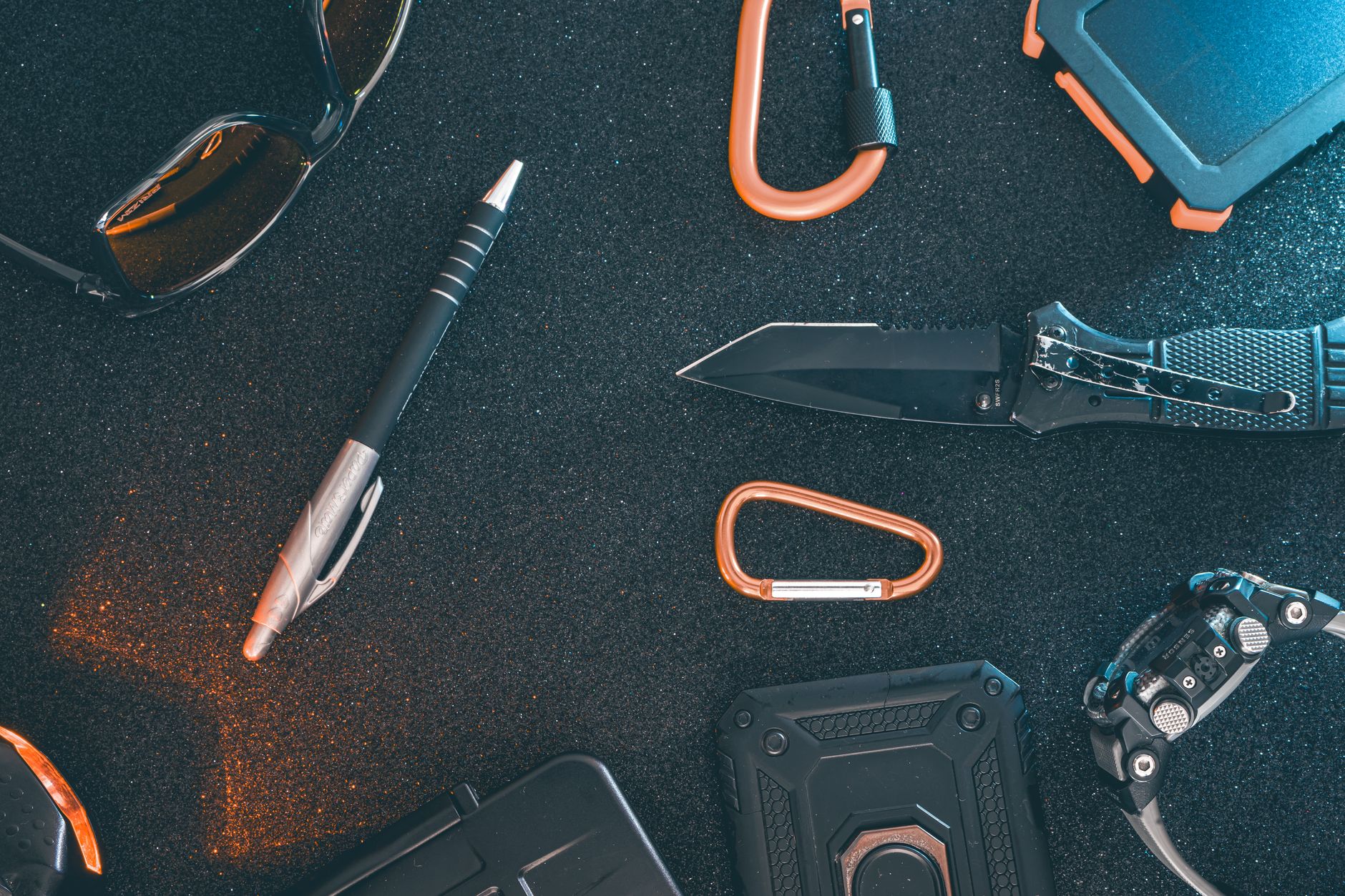
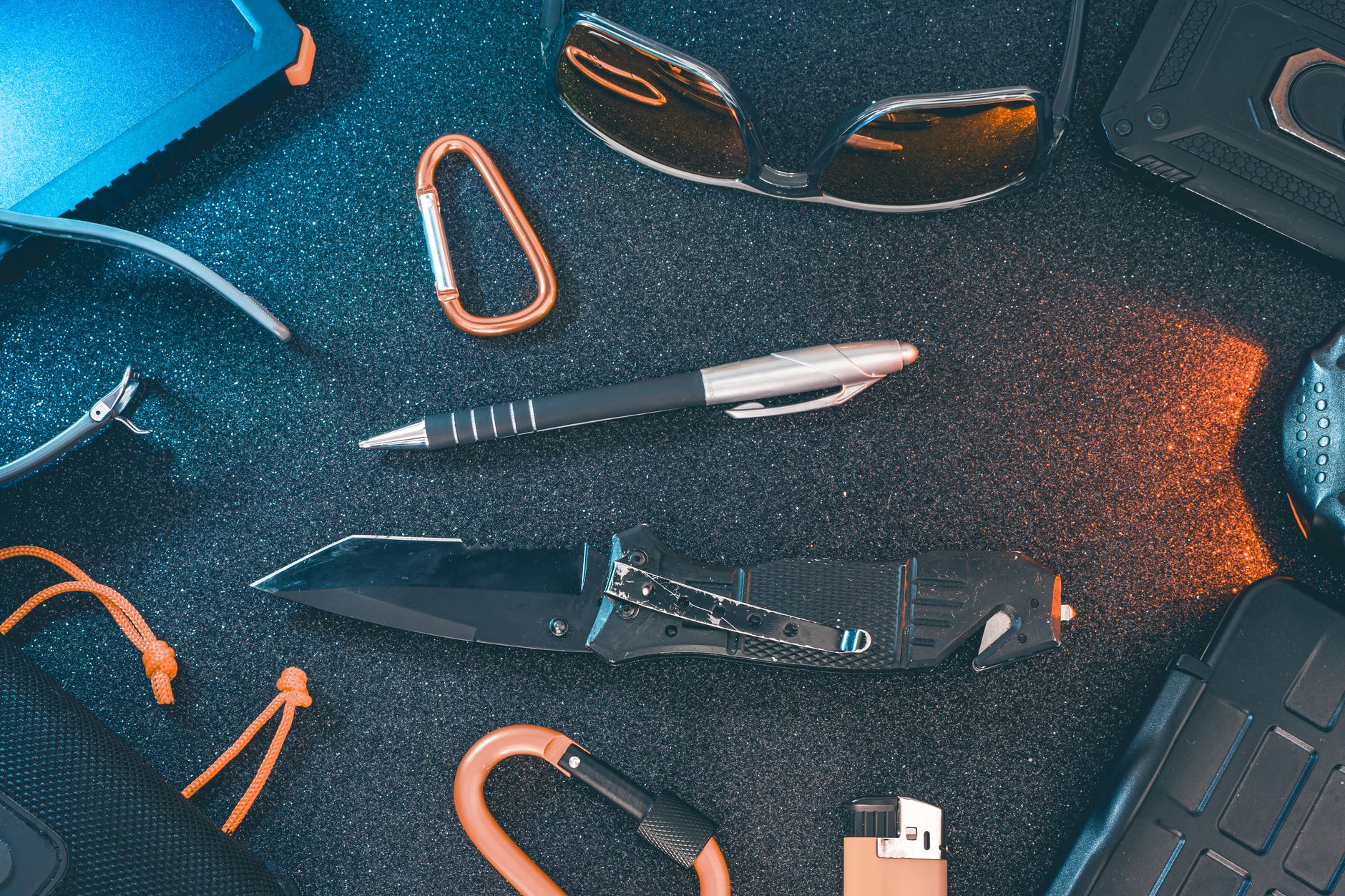
Everyday carry isn’t just about keys and a wallet anymore. For preppers, an EDC bag holds the gear that bridges the gap between a minor inconvenience and a life-threatening emergency. According to FEMA preparedness guidelines, every person should maintain a basic disaster supply kit. Yet FEMA’s 2023 National Household Survey reveals that only 52% of Americans have assembled any emergency supplies, and far fewer carry them daily. The Red Cross echoes this, recommending a grab-and-go bag ready for three days of self-reliance. Carrying your core survival items every day turns an abstract plan into immediate reality.
We spent three months field-testing 12 popular EDC bags against a demanding checklist: must discreetly hold a trauma kit, a multi-tool, a high-lumen flashlight, a water filter, and emergency rations. Comfort after an eight-hour wear mattered as much as quick access. A bag that screams “tactical” in a coffee shop fails the gray-man test. Instead, we looked for bags that blend in while protecting your loadout from weather and daily wear.
The EDC landscape in 2026 has shifted decisively toward modularity and low-key aesthetics. After the record-breaking natural disasters tracked by NOAA in recent years, more people want to carry trauma supplies and communication tools without drawing attention. A good EDC bag now acts as a mobile platform for whatever the day throws at you. The USDA’s guideline of 2,000 calories per day for an active adult reminds us to keep a compact emergency food kit within reach. The bags below shield that nourishment from the crush of subway rides and trail hikes alike.
How Do the Top Options Compare?
| Bag | Best For | Capacity (L) | Key Feature | Price Range |
|---|---|---|---|---|
| Vertx Gamut 2.0 | Best Low-Profile Tactical | 25L | Convertible front panel with weapon storage | $200-$250 |
| 5.11 Rush12 2.0 | Best Durable EDC | 24L | Full clamshell opening with tactical organization | $140-$180 |
| Mystery Ranch Urban Assault 21 | Best Carry Comfort | 21L | 3-ZIP design for instant access | $170-$200 |
| Maxpedition Falcon-II | Classic Everyday Carry | 22L | Modular PALS webbing and bombproof build | $130-$160 |
| Vanquest Addax-18 | Best Modular Organization | 18L | MOLLE and hook-and-loop interior for custom loadouts | $150-$190 |
Prices reflect 2026 MSRP and may vary by retailer.
1. Vertx Gamut 2.0 , Best Low-Profile Tactical EDC
The Vertx Gamut 2.0 looks more like an urban commuter pack than a piece of survival kit. That is its greatest strength. The front panel conceals a full loop lining for hook-and-loop accessories, letting you build out a first aid kit or admin panel that sits completely out of sight. When you need to access it, the panel folds down like a dedicated workbench.
This bag rides comfortably even with 20 pounds of gear, thanks to the padded shoulder straps and vented back panel. The main compartment swallows a laptop, change of clothes, and a compact water filter without bulging. Side water bottle pockets are a welcome upgrade over the original Gamut, and the 25-liter capacity hits the sweet spot for a day’s worth of preparedness. Build quality is excellent, with YKK zippers and 500D Cordura nylon that resists scuffs in a subway crush.
Key strengths:
- ✅ Extremely discreet, gray-man aesthetic
- ✅ Front flap converts to a flat workspace for first aid
- ✅ Comfortable carry system for all-day wear
- ✅ Excellent internal organization and loop lining
- ✅ 25L size carries a full 24-hour kit
- ❌ Higher price point than some competitors
- ❌ Water bottle pockets are a bit snug for 1L Nalgenes
- ❌ Default colorways sell out quickly
Who it’s for: Preppers who want full tactical capability inside a bag that looks completely non-threatening in any setting.
2. 5.11 Rush12 2.0 , Best Durable EDC Bag
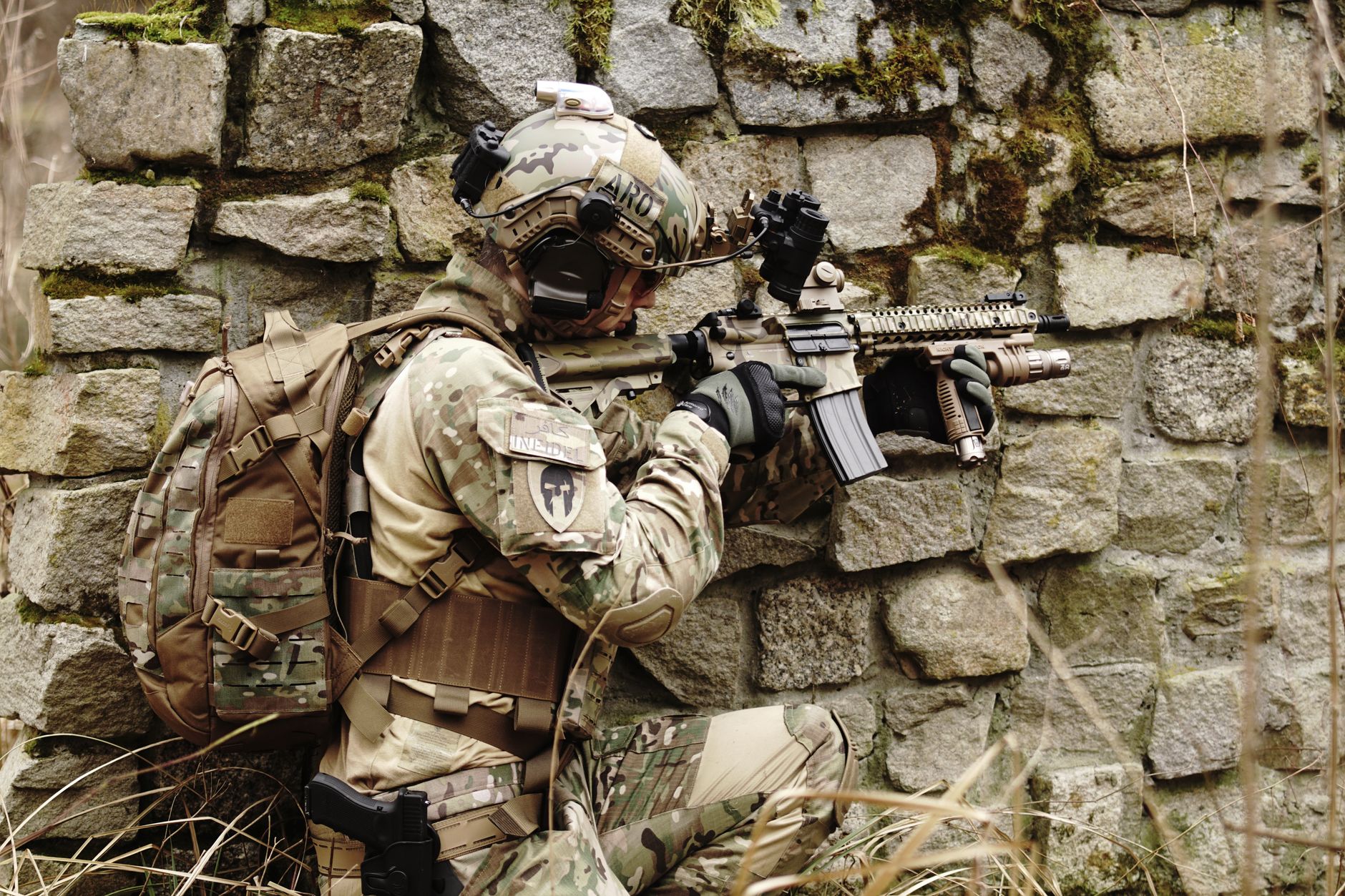
The 5.11 Rush12 2.0 is a tank. It shrugs off rain, mud, and daily abuse with its 1050D nylon construction and self-healing YKK zippers. The full clamshell opening lets you lay the bag flat like a suitcase, which makes organizing a bug out bag checklist a breeze. No more digging blindly into a dark rucksack.
Inside, you get a spacious main cavity, a padded laptop sleeve, and a fleece-lined eyewear pocket. The administration pocket up front is a standout, with slots for pens, flash drives, and a concealed carry compartment if that fits your needs. At 24 liters, it straddles the line between EDC and a compact go-bag. It carries that weight well, though the shoulder straps are slightly less refined than the Mystery Ranch system.
If you live an outdoor-adjacent lifestyle or work in a field where your bag gets beaten up, the Rush12 2.0 will outlast almost anything else in its class. It does look overtly tactical, so it draws attention in certain environments. That trade-off is worth it for pure durability.
Key strengths:
- ✅ Virtually indestructible 1050D nylon fabric
- ✅ Clamshell opening enables fast, full access
- ✅ Excellent internal organization with admin pocket
- ✅ 24L capacity handles a full day’s loadout
- ✅ Rugged yet comfortable for heavy loads
- ❌ Overtly tactical appearance alerts situational awareness
- ❌ Shoulder straps are less contoured than competitors
- ❌ Zipper pulls can be noisy when walking
Who it’s for: Preppers who prioritize absolute durability and load access over a low-profile appearance.
3. Mystery Ranch Urban Assault 21 , Best Carry Comfort
The Mystery Ranch Urban Assault 21’s 3-ZIP design flips the top of the bag open, giving you instant visual access to everything inside. Instead of fishing through a dark main compartment, you see your water filter, radio, and rations exactly where you left them. That design alone makes this bag a favorite among first responders and search-and-rescue teams.
Carry comfort is where the Urban Assault 21 truly distances itself from the pack. The adjustable yoke system tailors the fit to your torso length, and the thick padding makes 15-pound loads feel almost weightless. That matters when you’re hoofing it across a parking lot to reach home during a grid-down event. The 21-liter capacity sounds modest, but the bucket-style interior uses every cubic inch efficiently.
Downsides? The bag lacks extensive internal organization, so you’ll need packing cubes or pouches to keep small items from pooling at the bottom. The exterior is also a bit boxy and stands out visually, though not as tactically as the 5.11. For pure walking comfort and rapid access, nothing else in this comparison comes close.
Key strengths:
- ✅ Superior 3-ZIP access allows full visibility
- ✅ Best-in-class carry comfort with adjustable yoke
- ✅ Highly efficient use of 21-liter volume
- ✅ Built with pack-making heritage from fire and rescue teams
- ✅ Water-resistant materials shed light rain easily
- ❌ Limited internal organization demands additional pouches
- ❌ Boxy shape can look unusual in an office
- ❌ No dedicated water bottle pockets
Who it’s for: Preppers who walk long distances or need rapid one-handed access to their gear, and value comfort above all.
4. Maxpedition Falcon-II , Classic Everyday Carry
The Falcon-II has been a staple in the EDC and preparedness community for over a decade, and 2026 hasn’t changed that. Its 22-liter main compartment is protected by massive #10 YKK zippers that will never fail. The exterior is covered in PALS webbing, so you can mount pouches for an urban survival guide kit or an extra medical module exactly where you need it.
Organization is simple and bombproof. A large admin pocket up front, a hydration sleeve, and a zippered mesh pocket inside hold your essentials with zero fluff. There is no padded laptop sleeve, but many preppers slide a tablet or a ballistic panel in there instead. The bag rides high and snug on the back, making it easy to move through dense crowds.
It’s not the most modern design. The straps lack the ergonomic contouring of newer bags, and the overt MOLLE webbing signals preparedness to anyone who knows what to look for. Still, the Falcon-II rewards those who want a bag they can throw in the trunk for three years and still rely on when the power goes out.
Key strengths:
- ✅ Legendary durability with oversized YKK zippers
- ✅ Full PALS webbing for customized external storage
- ✅ Simple, intuitive organization that avoids gimmicks
- ✅ Sits close to the body for crowd navigation
- ✅ Affordable price for the build quality
- ❌ Overt MOLLE webbing reduces discretion
- ❌ Shoulder straps are less cushioned than modern peers
- ❌ No dedicated padded laptop protection
Who it’s for: Preppers who want a proven, no-nonsense bag that can take a beating and accept modular add-ons without breaking the bank.
5. Vanquest Addax-18 , Best Modular Organization
The Addax-18 is a 18-liter bag that behaves like a much larger rucksack thanks to obsessive attention to internal arrangement. The whole main compartment is lined with MOLLE and hook-and-loop material, letting you place pouches and organizers exactly where you want them. If you rely on a specific loadout of tools and sustainment, this bag molds itself to your gear.
Vanquest builds with 1000-D Cordura nylon and waterproof zippers, so the Addax-18 shrugs off downpours without a rain cover. A dedicated CCW compartment hides a firearm or a robust medical kit, while the front admin panel keeps your EDC light and notebook instantly reachable. Despite the compact 18-liter rating, we easily fit a 24-hour food ration, a compass, and a spare battery bank.
The waist belt is thin and mainly for stability rather than load transfer, so it’s not meant for heavy hauls. And the sheer number of organizational options can overwhelm a minimalist. However, for the prepper who loves to tweak a kit until it’s perfect, the Addax-18 is unmatched in this price bracket.
Key strengths:
- ✅ Fully modular interior with MOLLE and loop panels
- ✅ Excellent weather resistance with Aquaguard zippers
- ✅ Compact 18L size disappears under a jacket
- ✅ Discreet exterior hides tactical organization
- ✅ Comfortable for lighter everyday loads
- ❌ Waist belt is minimal and not for heavy loads
- ❌ Can be over-engineered for preppers who want simplicity
- ❌ Higher cost per liter than some larger bags
Who it’s for: Organization obsessives who want a highly weatherproof, low-profile bag that they can configure to the last inch.
Frequently Asked Questions
What should I actually carry in an EDC bag as a prepper?
Start with the core five: a multi-tool, a small first aid kit with trauma supplies, a reliable flashlight, a water filter or purification tablets, and high-calorie emergency food. Add a power bank, a charged burner phone, a compact rain shell, and copies of important documents. Your bag should also have a concealed pocket for a small amount of cash and identification.
Is a tactical-looking bag a bad idea for everyday carry?
It depends on your environment. A MOLLE-covered pack signals that you may have gear or weapons, which can attract unwanted attention. Many preppers prefer a gray-man approach using bags that look like ordinary commuter or laptop packs. If you work in law enforcement or live in a rural area, a tactical bag may not be a drawback.
How much does a fully loaded EDC bag weigh?
A realistic loadout for an 18-25 liter bag typically weighs between 10 and 15 pounds, including water. That weight is sustainable for all-day carry if the pack has decent shoulder straps and back padding. Keep weight under 15% of your body weight for long-distance walking.
Can an EDC bag double as a bug out bag?
Yes, especially if you choose a 22-25 liter pack like the 5.11 Rush12 or Vertx Gamut. You can keep the core survival items packed at all times and add extra clothes and shelter in a larger duffel nearby. However, a dedicated bug out bag typically needs 40-55 liters for multi-day self-sufficiency.
What is the best budget EDC bag for preppers?
The Maxpedition Falcon-II at around $130 is hard to beat for durability and external MOLLE. If you want a more low-profile look under $100, consider the Condor Urban Go Pack, though materials won’t match the pricier options. Investing in a bag that lasts 10 years saves money in the long run.
How do I organize my EDC bag for quick access?
Group items by function into color-coded pouches. Keep life-saving gear like your trauma kit and tourniquet in the most accessible external pocket. Use the main compartment for bulky but non-urgent items. Pack heaviest objects close to your back and high in the pack to maintain balance.
What Should You Remember?
- Gray-Man Aesthetic: The best EDC bags for preppers in 2026 look like ordinary commuter packs, concealing their tactical capability from casual observers.
- Modular Organization: Hook-and-loop panels and MOLLE interiors let you customize your loadout so every item has a dedicated, quick-access spot.
- Durability Matters: 500D to 1050D Cordura nylon and YKK zippers ensure your bag survives years of daily abuse without failing when you need it most.
- Carry Comfort: A bag that distributes weight poorly becomes a liability; adjustable back panels and thick shoulder straps make a 15-pound load manageable all day.
- Core Loadout: Always pack a multi-tool, flashlight, first aid, water filtration, and 2,000 calories of emergency food in your EDC bag, as recommended by USDA guidelines.
- Size Sweet Spot: 18 to 25 liters holds a full 24-hour kit without being bulky enough to leave behind; larger bags get emptied for convenience and then forgotten when trouble strikes.
This article is for general information only. Emergency preparedness involves real safety risk — always consult official sources (local authorities, CDC, FEMA) and verify gear before relying on it.