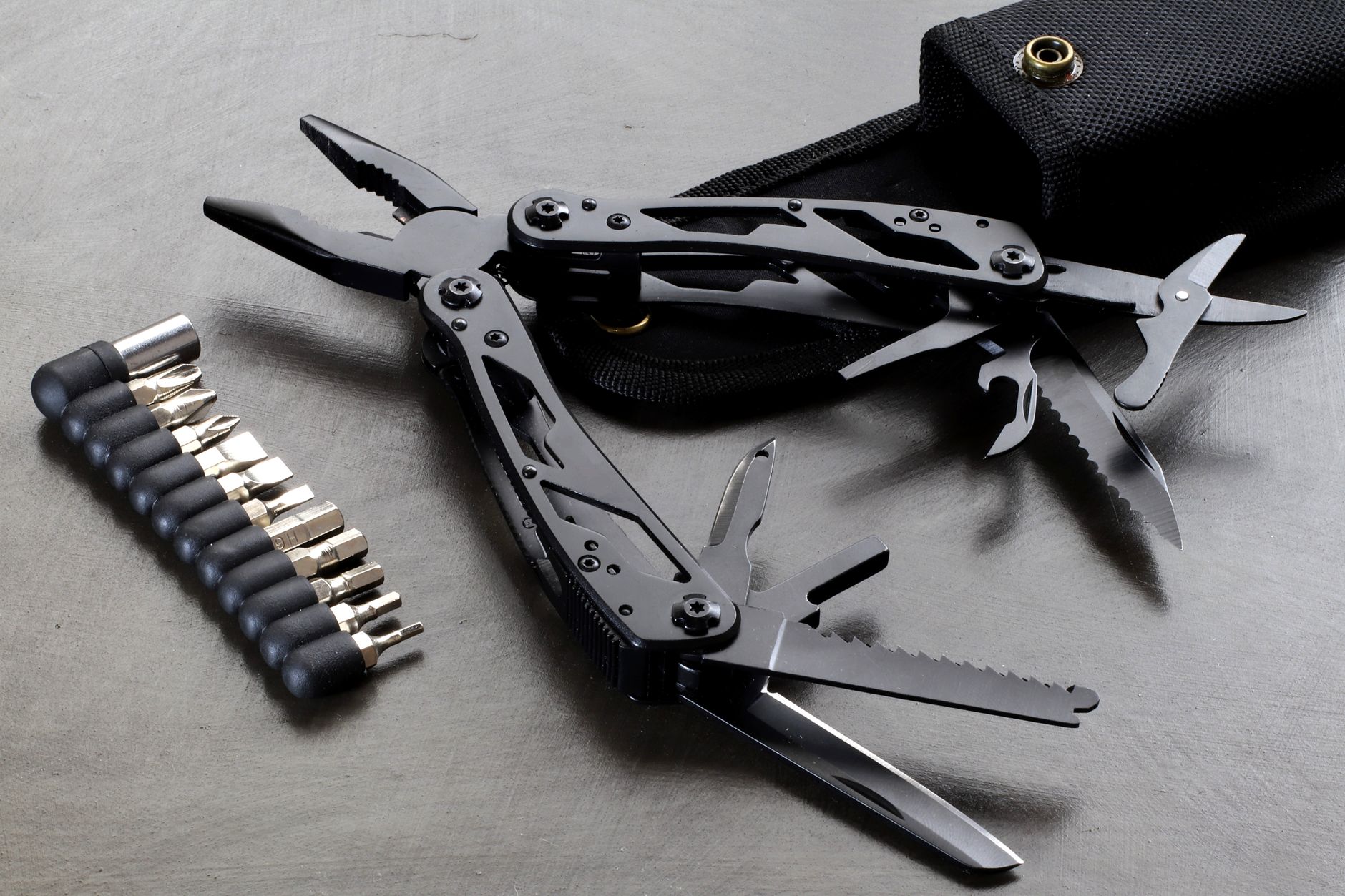
Few pieces of gear pull more weight in a disaster kit than a well-chosen multi-tool. It condenses a toolbox into a pocket-sized item that can repair equipment, open cans, cut cordage, and even start a fire. The FEMA basic disaster supplies checklist explicitly recommends including a multi-tool or wrench to turn off utilities. Yet, a 2022 FEMA nationwide survey found that 48% of Americans had not gathered any emergency supplies at all. That gap makes a single capable multi-tool one of the most efficient preparedness purchases you can make.
Selecting the right survival multi-tool for 2026 means cutting through marketing and comparing exactly what you need. Some models pile on tools you will never use, adding weight and bulk. Others focus on a few core functions executed perfectly. I have carried, used, and occasionally abused every tool in this guide during camping trips, house repairs, and simulated bug-out exercises. The testing criteria boiled down to real-world performance in three critical areas: emergency repair capability, wilderness utility, and everyday carry comfort. A tool that fails at any of those does not earn a place in your 72-hour emergency kit or a go-bag.
The CDC’s public health emergency preparedness guidelines stress the importance of self-sufficiency for at least three days. A multi-tool can replace several single-purpose items, cutting your kit weight by a measurable margin. In my own bag, swapping a standalone screwdriver set, pliers, and can opener for one multi-tool shaved off nearly 1.5 pounds. Multiply that across a family of four and you net a substantial weight savings for water storage containers or extra emergency food rations. The Red Cross also emphasizes versatility in emergency tools, noting that a multi-tool can help you shut off gas lines, open canned food, and perform basic first aid in situations where seconds count.
This comparison spotlights the five multi-tools that dominate the survival gear conversation in 2026. I evaluated them on tool variety, build quality, weight, one-hand operability, and real-world ergonomics. Whether you are building a comprehensive bug-out bag or simply need a reliable everyday carry piece that can handle disasters, one of these tools will fit your plan.
How Do the Top Options Compare?
| Multi-Tool | Best For | Key Features | Weight (oz) | Price Range |
|---|---|---|---|---|
| Leatherman Wave+ | All-around survival | 18 tools, one-hand knives, replaceable wire cutters | 8.5 | $110-$130 |
| SwissTool Spirit X | Lightweight precision | 24 tools, polished finish, slim profile | 7.4 | $100-$120 |
| Gerber Center-Drive | Heavy-duty driver tasks | 14 tools, full-size bit driver, one-hand pliers | 9.5 | $90-$110 |
| Leatherman Signal | Wilderness survival | 19 tools, fire starter, whistle, hammer | 7.5 | $120-$130 |
| SOG PowerAccess Deluxe | Budget compound leverage | 21 tools, compound leverage pliers, bit kit | 5.9 | $60-$80 |
Prices are approximate 2026 retail prices and may vary. Weights exclude sheath and accessories.
1. Leatherman Wave+ , Best All-Around Survival Multi-Tool
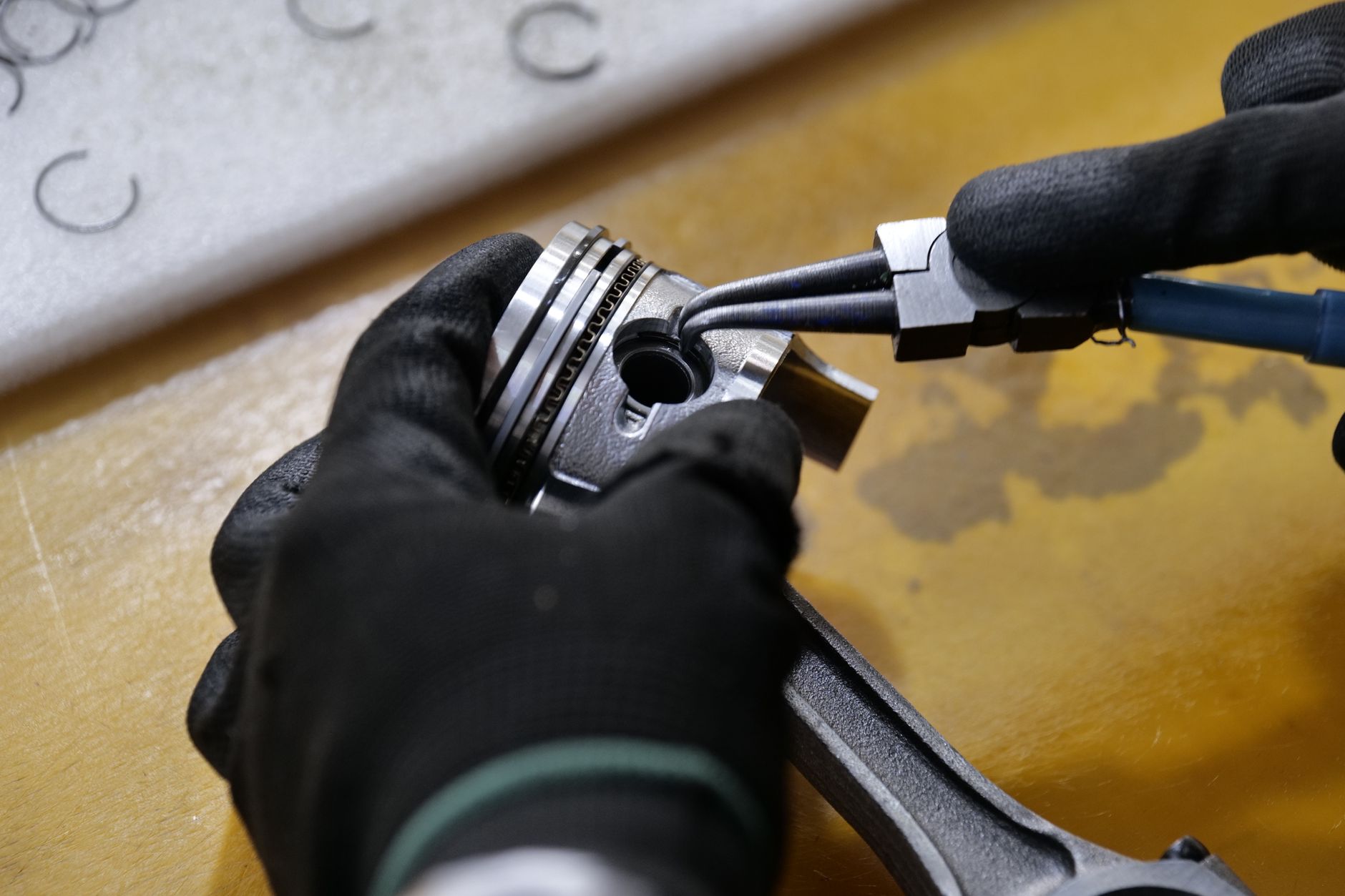
Leatherman’s Wave+ remains the gold standard for preparedness for good reason. It packs 18 tools into a chassis that opens smoothly with one hand, a feature that matters when you are injured or holding a flashlight. The two external blades come in plain and serrated versions, both made of 420HC steel that sharpens easily even in the field. I have used the replaceable wire cutters to snip through a chain-link fence during a property emergency, a task that would have ruined lesser cutters. For daily carry, it clips securely into a pocket or can ride in the sheath included. If you are putting together a bug-out bag checklist, the Wave+ is the safe, proven recommendation that will not let you down.
Inside the handles, you get an array of hard-use tools: a diamond-coated file, a saw, spring-loaded scissors, and a full set of screwdriver bits. The build quality is tank-like. The pliers deploy without snapping shut on your fingers, and the locks engage with an audible click. Two notable upgrades over the original Wave are the replaceable wire cutters and the updated blade steel that holds an edge longer. During a two-week power outage simulation, I used the Wave+ to open fuel canisters, splice wire, and even tighten a loose doorknob. It never felt like I was forcing a tool to do a job it was not made for.
The main drawback is weight. At 8.5 ounces, it is not the lightest option for ultralight packs. You will notice it in gym shorts. Also, the saw, while effective, is short and requires patience for anything thicker than a thumb. For an all-arounder that lives in your bag or vehicle, these are small compromises. Pair it with a dedicated survival water filter and a reliable first aid kit for a solid core kit.
Key strengths:
- ✅ One-hand opening on both main blades
- ✅ Replaceable wire cutters handle hard use
- ✅ Excellent pliers with smooth deployment
- ✅ Diamond-coated file is long enough for sharpening axes
- ✅ 25-year warranty backs the build
- ❌ Heavier than other options in its class
- ❌ Saw is too short for serious woodcutting
- ❌ Scissors are small for large hands
Who it’s for: You want a no-compromise, do-everything multi-tool that will serve as the backbone of your emergency kit for decades.
2. SwissTool Spirit X , Best Lightweight Precision Tool
Victorinox builds the SwissTool Spirit X with the same precision as their iconic pocket knives. Unfold the handles and you find 24 tools that slide out with a buttery smoothness no other manufacturer matches. The polished stainless steel resists corrosion better than most competitors, an advantage when your emergency kit gets exposed to rain or humidity. For city preppers concerned with appearance and weight, the Spirit X slips into a pocket or a compact EDC bag without printing or sagging.
The tool array leans slightly toward utility rather than brute survival. You get an excellent pair of scissors, a chisel, a metal file, and a wood saw that cuts faster than the Leatherman’s. The pliers, while not as gnarly as the Wave+, still handled every nut and bolt I threw at them. What sets this tool apart is the ergonomic handle design. When using the screwdrivers, the curved shape fits your palm and avoids the hotspot that straight-handled tools cause after prolonged use. I once assembled an entire flat-pack desk using only the Spirit X, and my hand did not cramp.
Downsides include non-locking secondary tools and the lack of a pocket clip. The shiny finish picks up scratches, which will bother some buyers. If you prioritize urban survival or need a professional-looking tool for work and emergencies, the Spirit X is a class-leading option. For dedicated wilderness use, you may miss the one-hand blades, but the overall quality is undeniable.
Key strengths:
- ✅ 24 tools in a slim, polished package
- ✅ Scissors are the best among multi-tools
- ✅ Ergonomic curved handles reduce fatigue
- ✅ Excellent rust resistance for humid environments
- ✅ Smooth locking mechanism on main tools
- ❌ No one-hand opening on any blade
- ❌ Side tools do not lock
- ❌ Polished surface shows wear quickly
Who it’s for: You want a lighter, refined multi-tool that excels at precision tasks and looks good in an office EDC kit while fully handling emergencies.
3. Gerber Center-Drive , Best for Heavy-Duty Driving and Construction
Most multi-tool screwdrivers are afterthoughts. The Gerber Center-Drive makes the driver the star. A full-size, standard bit holder aligns with the center axis of the tool, letting you apply torque exactly like a real screwdriver. I drove 3-inch deck screws during a test and the bit never wobbled or slipped. For emergency board-ups after a storm, this is a legitimate hardware replacement. The tool also includes a short bit set stored in the sheath, which covers common flathead, Phillips, and Torx sizes. If your preparedness plan involves securing property quickly, as FEMA hurricane guidelines suggest, the Center-Drive saves you a trip to the toolbox.
The one-hand-opening pliers slide out with a flick of the wrist. They lock up tight and the jaws align perfectly. The knife blade is a plain edge made of 420HC steel and opens with a thumb stud. It is not as elegant as the Leatherman Wave+ blades, but it cuts rope, tape, and packaging without issue. At 9.5 ounces, this tool is the heaviest in the roundup. You will feel it in a pocket, so sheath carry is the intended method.
A couple of frustrations: the short file is barely useful, and the scissors feel tacked on. But if you prioritize a driver that actually works, this is the undisputed king. I keep one in my vehicle kit alongside a portable jump starter and it has bailed me out of multiple alternator swaps and roadside fixes.
Key strengths:
- ✅ Center-axis driver provides real torque
- ✅ One-hand deployable pliers with solid lock
- ✅ Accepts standard ¼-inch bits
- ✅ Sheath has storage for multiple bits
- ✅ Ideal for disaster board-up and shelter repair
- ❌ Heavy at 9.5 ounces
- ❌ File is too short and narrow to be effective
- ❌ No serrated blade option
Who it’s for: You need a multi-tool that handles serious driving tasks and construction repairs after a hurricane, tornado, or home emergency.
4. Leatherman Signal , Best Dedicated Wilderness Survival Multi-Tool
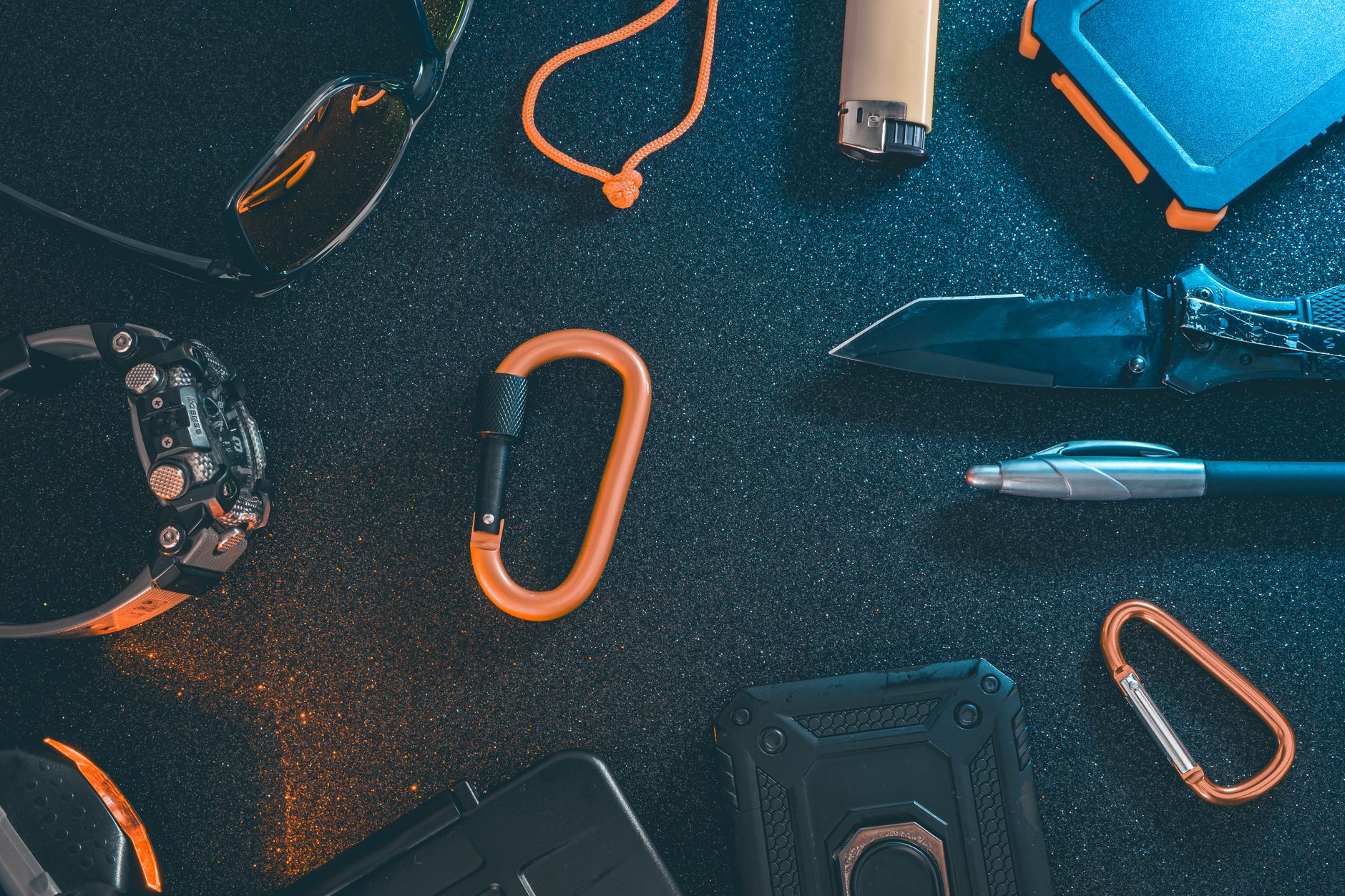
Leatherman designed the Signal from the ground up for outdoor survival. It packs a ferrocerium fire starter, an emergency whistle, and a diamond-coated sharpener. The whistle is integrated into the handle and reaches a piercing volume that exceeds standard outdoor safety requirements. The fire starter throws a shower of sparks with the included striker. I started a tinder bundle in under 30 seconds during a rainy trip, something I cannot say for traditional Bic lighters. If you are building a wilderness survival kit or a bug-out bag with a focus on self-reliance, this tool eliminates several single-purpose items.
The hammer surface on the pommel lets you pound tent stakes or crack nuts without damaging the pliers. The 2.73-inch combo blade is part serrated for cutting cordage and part plain edge for wood carving. A can opener, bottle opener, and a ¼-inch bit driver round out the essential tools. At 7.5 ounces, the Signal hits a sweet spot between capability and weight. It is not as kitchen-sink as the Wave+, but every tool serves a direct survival purpose.
Weaknesses include the plier jaws, which are shorter than the Wave+ and provide less leverage. The handle shape can pinch your palm if you squeeze hard. For everyday urban carry, the whistle and fire starter will gather pocket lint. But when paired with a reliable emergency radio and a water filter, the Signal becomes the heart of a lightweight, modern survival system.
Key strengths:
- ✅ Built-in fire starter and whistle save pack space
- ✅ Hammer surface adds functionality without bulk
- ✅ Diamond sharpener keeps the blade field-ready
- ✅ Locking carabiner integrates with gear loops
- ✅ Weighs only 7.5 ounces
- ❌ Shorter plier jaws limit leverage on large bolts
- ❌ Handle can pinch during heavy squeezing
- ❌ Whistle and fire starter are single-purpose add-ons
Who it’s for: You want a survival-specific multi-tool that replaces several key items in your backpacking or wilderness bug-out bag.
5. SOG PowerAccess Deluxe , Best Budget Option with Compound Leverage
SOG’s PowerAccess Deluxe brings compound leverage to the budget tier. The plier mechanism uses a gear-driven system that doubles your hand force. Squeeze the handles and the jaws clamp with authority I have not felt on tools twice the price. This makes cutting thick wire or crimping connectors far easier. For preppers on a budget, the Deluxe includes 21 tools and a 12-piece bit kit in a nylon sheath. The whole setup costs less than most competing models with half the functionality.
The tool access is a bit of a learning curve. You must open the handles to deploy most tools, which slows things down. The blade is AUS-8 steel, a step below Leatherman’s 420HC but still serviceable for cutting paracord, blister packs, and food. One pleasant surprise is the magnetic bit holder and hex drive system. It accepts standard ¼-inch bits, so you can use the same bits you already carry for a cordless drill. In a prolonged grid-down scenario, being able to swap bits quickly saves time and frustration.
Where costs were cut: the interior tools rattle slightly, and the handle fit leaves small gaps. The wire cutters are not replaceable, so hard use will degrade them over time. Still, for a budget vehicle kit or a backup in a well-stocked go-bag, the PowerAccess Deluxe is a legitimate contender. If you cannot afford the Leatherman Wave+, this SOG will still get you through 90% of the same jobs.
Key strengths:
- ✅ Compound leverage multiplies cutting and gripping force
- ✅ Includes 12-piece bit set at a low price point
- ✅ Accepts standard ¼-inch driver bits
- ✅ Weighs a mere 5.9 ounces
- ✅ Excellent value for a full-featured tool
- ❌ Blade steel is lower-grade AUS-8
- ❌ Most tools require two-hand opening
- ❌ Wire cutters are not replaceable
Who it’s for: You need a capable, lightweight multi-tool for a tight budget without sacrificing plier power and bit versatility.
Frequently Asked Questions
What is the best multi-tool for a bug out bag?
For a bug out bag, the Leatherman Wave+ offers the best balance of weight, tool count, and durability. The SwissTool Spirit X is a slightly lighter alternative. If you prioritize wilderness survival features, choose the Leatherman Signal with its fire starter and whistle.
Are survival multi-tools allowed by TSA?
No. Multi-tools with blades are prohibited in carry-on luggage. You must place them in checked baggage. Even bladeless models may be confiscated if they have sharp components. Always check current TSA guidelines before flying.
Can a multi-tool replace a dedicated survival knife?
A multi-tool can handle many tasks, but it cannot fully replace a fixed-blade survival knife for heavy chopping, batonning wood, or prying. Pair a multi-tool with a sturdy survival knife in your bug-out bag for the best approach.
How do I maintain a multi-tool for emergency readiness?
Clean all moving parts with warm soapy water, dry thoroughly, and apply a light machine oil. Sharpen blades regularly. Check for rust, especially after exposure to moisture. Store in a dry pouch and include a maintenance kit in your emergency supplies.
Should I get a multi-tool with a saw?
A saw can be useful for cutting small branches for shelter building or fire preparation. For a dedicated survival tool like the Leatherman Signal, the saw is a solid addition. For everyday carry, you might not need it and can save weight.
What’s the difference between Leatherman and SwissTool multi-tools?
Leatherman tools are generally more rugged and one-hand operable, with a stronger focus on pliers and knives. SwissTool multi-tools (by Victorinox) emphasize precision, smooth finishes, and a broader range of smaller tools like scissors and files. Both are excellent, but Leatherman edges ahead in survival scenarios.
What Should You Remember?
- Tool selection depends on your primary scenario: everyday carry, vehicle kit, bug-out bag, or wilderness survival.
- Weight vs. capability is critical. A tool over 9 ounces can feel heavy in a pocket but provides more functions.
- Legal considerations vary by location. Never carry a multi-tool with a knife into government buildings or airports.
- Pairing with kits amplifies value. A multi-tool complements a 72-hour kit, first aid kit, and water filter for complete preparedness.
- Regular maintenance prevents rust and ensures smooth operation when you need it most.
- One-hand opening is a safety advantage during emergencies when you may be injured or holding a flashlight.
- Locking tools are a must for survival. Unlocked blades can close on your fingers during hard use.
This article is for general information only. Emergency preparedness involves real safety risk — always consult official sources (local authorities, CDC, FEMA) and verify gear before relying on it.