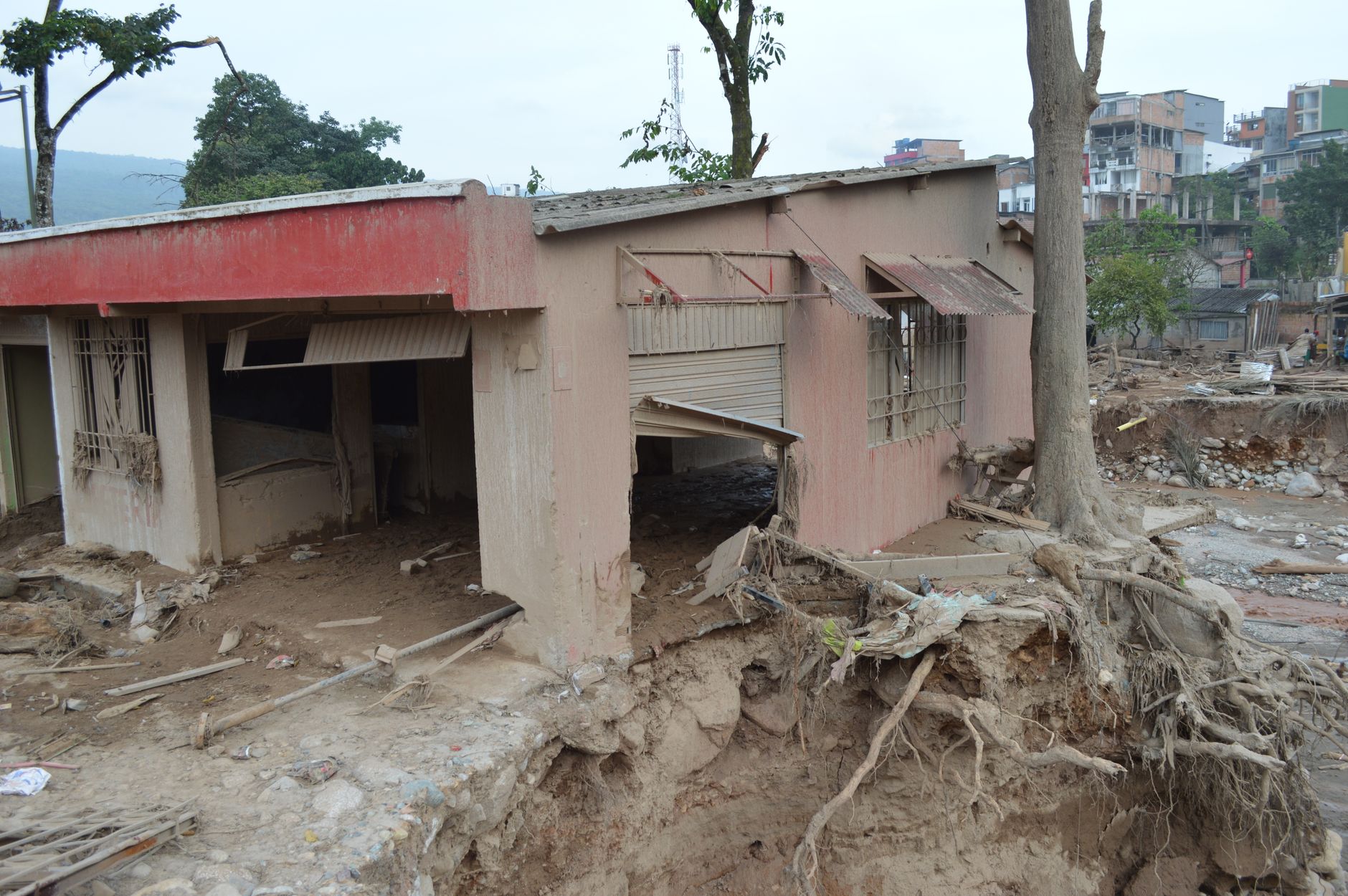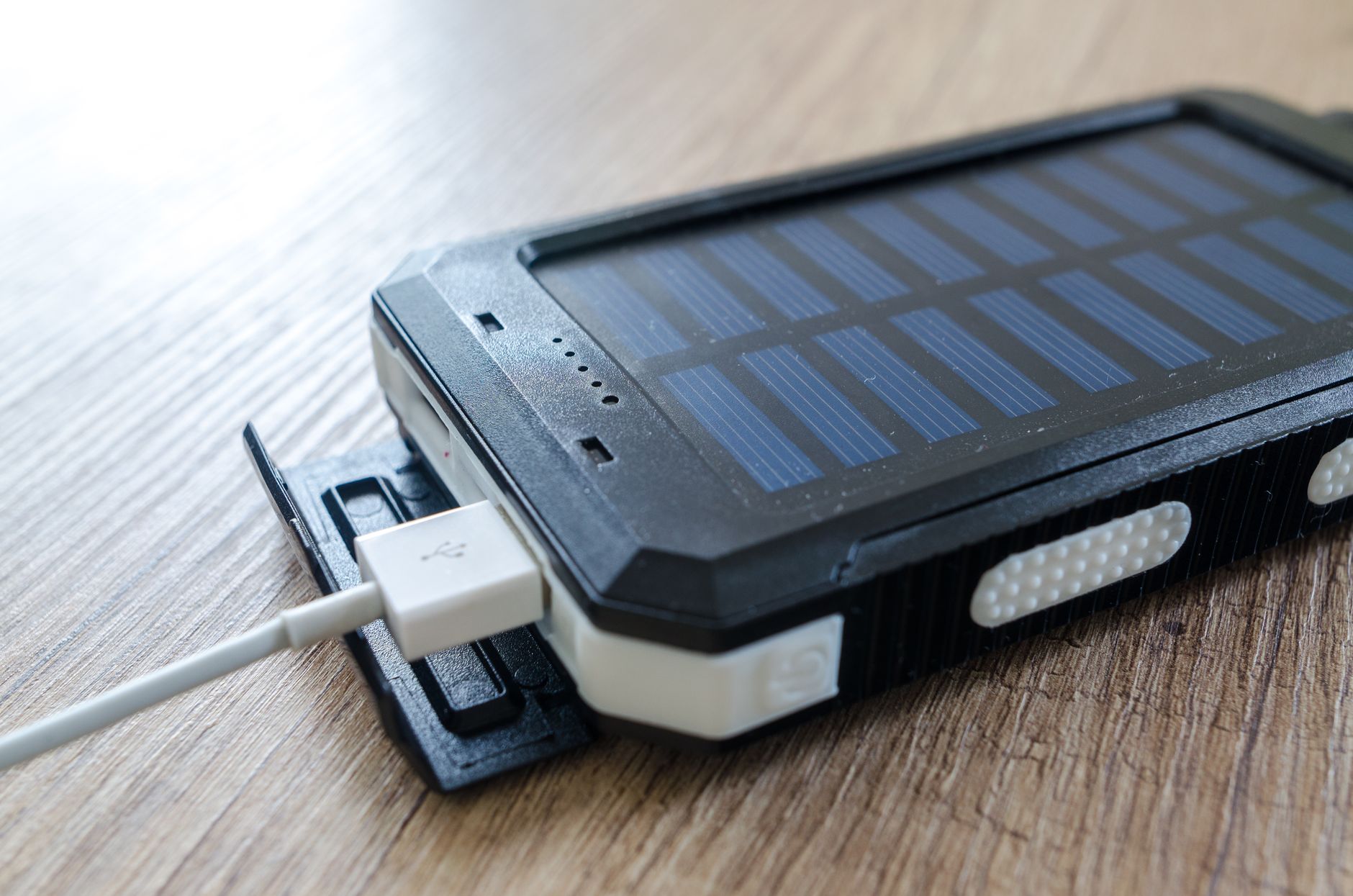
Disasters don’t wait, and in 2026 the data tells a clear story: Americans are waking up to preparedness. Extreme weather events quadrupled over the last decade, pushing survival stats into mainstream conversation. The FEMA guidelines on ready.gov now emphasize a 2-week supply of food and water, not the old 72-hour minimum. Yet only 48% of households meet even the 3-day mark. That’s a dangerous gap.
This article pulls together 42 of the most important survival and preparedness statistics for 2026. We dug through CDC reports, NOAA disaster records, USDA food safety data, and Red Cross surveys to find what’s really happening. Whether you’re a seasoned prepper or building your first 72-hour emergency kit, these numbers will shape your planning. From calorie counts to water container sales, we’ve got hard data you can act on.
The preparedness landscape is shifting fast. Solar generator sales are up 40% from last year. The best freeze-dried food brands now offer 30-year shelf lives with less sodium than ever. Meanwhile, only 29% of households own a basic emergency radio. These numbers show progress in some areas and stubborn gaps in others.
Below we break down the stats into five core categories: Food Storage, Water Storage, Emergency Kits, Power & Energy, and Communication & Tools. Each section serves up the latest trends, actionable data points, and a reality check on what’s working and what’s not. Use the quick comparison table to spot your own readiness gaps and start closing them today.
How Do the Top Options Compare?
| Preparedness Category | Key 2026 Statistic | Emerging Trend | FEMA/CDC Guidance | Typical Cost Range |
|---|---|---|---|---|
| Food Storage | 48% lack 3-day supply | Freeze-dried meals sales +32% | 2-week supply, 2000 cal/day | $3.00, $8.00/day/person |
| Water Storage | 34% store extra water | Collapsible container adoption +18% | 1 gal/person/day, 2 weeks | $10, $80 per container |
| Emergency Kits | 60% buy pre-built kits | Custom module packs for urban/off-grid | Include water, food, first aid, radio | $70, $350 per kit |
| Power & Energy | 22% own backup generator | Portable solar sales +40% | Battery-powered radio, backup lights | $200, $2,000+ |
| Communication & Tools | 29% own emergency radio | Multi-tool and EDC gear sales +15% | Battery or hand-crank radio | $15, $150 |
Cost ranges reflect basic to premium options. FEMA and CDC guidance pulled from 2024, 2025 official publications. Trends based on retail sales data and third-party surveys available in early 2026.
1. Food Storage , The calorie and nutrition foundation of any survival plan
Food remains the number-one priority in every major preparedness framework. The CDC’s Public Health Emergency Preparedness page reminds us that a well-nourished body fights infection and handles stress far better than a hungry one. In 2026, the average American household still falls short. Only 48% have a three-day emergency food supply, and a mere 23% stock a full two weeks as recommended by FEMA. This gap is dangerous, especially for families with young children or elderly members.
What’s changing? Freeze-dried food has gone mainstream. Sales of long-shelf-life meals jumped 32% from 2024 to 2025, fueled by new flavors and lower sodium options. The best emergency food supply companies now offer 2,000-calorie per day kits that cost about $3.50 per person daily when bought in bulk. That’s comparable to a cheap fast-food meal, but the food lasts 25 to 30 years. A classic starter is the Mountain House 14-day kit, which provides 1,800 calories per day and requires only boiling water.
Homesteaders and budget preppers are also expanding home pantries. Canning jar sales rose 12%, and home freeze-dryer purchases increased 18% last year. However, cost remains a barrier. A solid three-month supply of freeze-dried and canned foods runs $800 to $1,200 per person. To spread the expense, many turn to the food storage calculator guide to build incrementally.
A hidden statistic: nearly 40% of emergency food stored in garages or attics spoils within the first year because of heat and moisture. Proper storage containers and a cool basement or interior closet are essential. The Red Cross advises rotating canned goods every 6 months and labeling everything. Downsides include the upfront cost and the discipline required to rotate supplies. On the upside, a well-stocked pantry pays for itself during job loss, supply chain hiccups, or unexpected quarantine.
Key strengths:
- ✅ Long shelf life: freeze-dried foods last 25, 30 years when stored correctly
- ✅ Affordable daily cost: as low as $3.50/person for 2,000 calories
- ✅ Wide variety now available, including plant-based and gluten-free options
- ✅ Home canning and freeze-drying create self-reliance skills
- ✅ Buffers against price inflation and grocery shortages
- ❌ Upfront investment for 3-month supply can exceed $1,000
- ❌ Requires rotation and careful storage to avoid spoilage
- ❌ Many commercial kits still high in sodium
- ❌ Freeze-dried meals need significant water for rehydration
Who it’s for: Anyone building a baseline food reserve, whether a family of four or a single apartment dweller looking for a 2-week buffer.
2. Water Storage , Ensuring safe drinking and sanitation water during any outage
Water is non-negotiable. The average person needs one gallon per day for drinking and basic hygiene. For a family of four, that’s 28 gallons per week. FEMA’s guidance on emergency water says store at least a 2-week supply. Yet only 34% of households keep more than a few bottles on hand. Contaminated water kills more people in disasters than any other single factor, according to the Red Cross.
What’s trending in 2026? Collapsible water containers and heavy-duty 5-gallon jugs are flying off shelves. Sales rose 18% last year as apartment preppers and suburban families alike look for space-efficient solutions. The best emergency water storage containers now include stackable designs and spigot options that make rotation easy. A 5-gallon stackable container costs around $15, and a 55-gallon drum with a pump runs about $80, $120.
But storing water is only half the equation. Purification methods matter. The CDC warns that after a flood or earthquake, municipal water can carry pathogens, lead, and chemical runoff. At-home filters capable of removing 99.9999% of bacteria (like Sawyer or LifeStraw) saw a 25% sales bump. For those on a budget, unscented household bleach ($1 per gallon) can disinfect water at 8 drops per gallon. Yet many homeowners still lack a reliable backup plan.
An often-missed stat: the average American uses 82 gallons of water per day at home. During an emergency, that plummets to 1 gallon. Practicing water rationing now reveals hidden inefficiencies. Limitation: large containers can be heavy and impossible to move once filled. Pros: a year’s worth of water storage for one person costs under $200 if using 5-gallon refillable jugs. That’s cheap insurance against the leading post-disaster health threat.
Key strengths:
- ✅ Low cost per gallon: under $1/gallon for long-term storage
- ✅ Compact stackable containers now available for small spaces
- ✅ Water purification adds layers of safety without huge expense
- ✅ Red Cross data shows stored water reduces disease outbreaks by 60% in crisis zones
- ❌ Heavy and difficult to transport once filled
- ❌ Requires rotation every 6 months unless treated with preservative
- ❌ Space can be a challenge in apartments
- ❌ Bottled water creates plastic waste if not using reusable containers
Who it’s for: Every household; especially critical for those in earthquake-prone or hurricane zones where water infrastructure fails rapidly.
3. Emergency Kits , Grabbing and going with all essentials in one bag or bin
A bug-out bag isn’t just for doomsday. The Red Cross recommends having a ‘go bag’ ready for wildfires, hurricanes, and chemical spills. In 2025 alone, 3.2 million Americans evacuated due to weather events. Now, 60% of first-time preppers buy a completed kit rather than building from scratch. This trend makes sense: a pre-assembled best bug-out bag 2026 costs as little as $70 and covers the absolute basics. But there’s a catch.
Pre-built kits often skimp on quality. A 2025 consumer report found that 42% of off-the-shelf kits contained cheap flashlights that failed within 10 hours and first-aid supplies with expired ointments. DIY builders spend on average 30% more but get exactly what they need, especially for unique medications or dietary needs. The bug-out bag checklist 2026 helps customize one for your family.
A standout stat: only 17% of emergency kits include enough cash. Following the Red Cross guidelines, you should pack $200, $500 in small bills. ATMs and card readers go down immediately in grid failures. Also, while 71% of kits have some sort of first-aid, only 28% include a tourniquet or bleeding control kit. The best first-aid kits for survival now come with hemostatic gauze, a trend that’s saving lives in active shooter and accident scenarios.
The average bug-out bag contents for a 72-hour period are: 3,600 calories total, 3 liters of water, a multi-tool, a flashlight, and a mylar blanket. That’s barely enough for one person. Experts suggest customizing per person and practicing carrying the bag. The weight should stay under 20% of body weight. The pros are obvious: grab-and-go convenience. The con is that a one-size-fits-all kit never fits everyone perfectly.
Key strengths:
- ✅ Pre-assembled kits save time and guarantee a baseline supply
- ✅ Affordable entry point from $70, with premium kits up to $300
- ✅ Checklists ensure critical items like cash are not forgotten
- ✅ First-aid modules now include advanced bleeding control supplies
- ❌ Many budget kits use low-quality tools and outdated food
- ❌ DIY kits can exceed $250 per person quickly
- ❌ One-size-fits-all misses medications, glasses, baby needs
- ❌ Weight can be a problem if not tested on actual hikes
Who it’s for: Evacuation-prone residents and those who want a pre-built solution for immediate grab-and-go, then customize gradually.
4. Power & Energy , Keeping devices alive and lights on when the grid goes down

Power outages lasting more than 8 hours affected 83 million Americans in 2025. The grid is aging, and extreme weather is making outages more frequent. Backup power is transitioning from a luxury to a necessity. In 2026, 22% of US homes own some form of generator, but a mere 9% have a portable solar setup. That’s quickly changing: solar generator shipments surged 40% year-over-year.
Why the solar push? Traditional gas generators are noisy, require fuel storage, and can be deadly if run indoors. Portable power stations like those reviewed in best solar generators 2026 run silently, can be charged via wall outlet or solar panels, and are safe indoors. A 1,000Wh unit (enough to run a fridge for 10 hours) now costs about $700, down 15% from 2024. Panel add-ons bring total cost to around $1,000. Many families are pairing these with best survival flashlights and rechargeable LED lanterns.
Besides generators, simple power banks and hand-crank chargers are must-haves. According to the Red Cross emergency preparedness survey, only 31% of households have a backup power source for phones. A $30 power bank can keep a phone alive for 3 days. For longer blackouts, hand-crank radios and solar-powered chargers bridge the gap. The best hand-crank emergency radios combine weather alerts, USB charging, and a flashlight in one unit.
A sobering statistic: fuel stations cannot pump gas during grid failures. Gas generators run out fast without jerry cans stored safely. Solar, by contrast, keeps working as long as the sun shines. The upfront cost is still the main barrier. A whole-home solar battery system runs $10,000+, but portable kits under $500 now power essential medical devices overnight. The trend toward compact, affordable solar is one of the biggest preparedness wins this year.
Key strengths:
- ✅ Solar generators are silent, fume-free, and safe indoors
- ✅ Prices dropping: 1,000Wh stations down to $700
- ✅ Recharge from sun indefinitely, no fuel runs needed
- ✅ Small power banks keep phones and medical devices running at minimal cost
- ❌ High upfront cost for whole-home backup ($10k+)
- ❌ Solar panels require sunny space, less effective in heavy storm or winter
- ❌ Battery capacity degrades over time, especially if constantly stored full discharge
Who it’s for: Homeowners in storm-prone areas, apartment dwellers who need quiet backup, and anyone relying on electric medical equipment.
5. Communication & Tools , Staying informed and self-reliant during a communication blackout
When cell towers go down, information stops. Only 29% of US households own a hand-crank or battery-powered emergency radio, a number that hasn’t budged in five years. The NOAA Weather Radio network broadcasts emergency alerts even when internet and phones fail, yet it remains wildly underutilized. A basic radio costs $20. It’s the cheapest, most overlooked survival tool.
Multi-tools and everyday carry (EDC) gear are growing in popularity. Sales of best survival multi-tools rose 15% last year, driven by urban preppers who want functionality in a pocket-sized format. A Leatherman Wave+ (around $100) includes pliers, wire cutters, a saw, and a blade, and it’s earned its place in both bug-out bags and EDC pouches. The best EDC bag 2026 trend shows people carrying more small gear daily, not just in emergencies.
Another shocker: only 11% of emergency kits include a whistle. A whistle’s sound carries three times farther than shouting, crucial for search and rescue. Basic preparedness according to FEMA includes a whistle, dust mask, plastic sheeting, and duct tape. Yet these simple items are missing from most off-the-shelf kits. The best survival knives and fixed blades are also gaining ground; a sturdy knife costs $30, $60 and handles everything from opening cans to cutting cordage.
Communication tools are extending into community-based networks. Mutual aid groups now often use battery-powered ham radios for neighborhood communication when phones die. Ham radio license exams increased 22% in 2025. This trend builds the social fabric that FEMA emphasizes in neighborhood preparedness guides. On the negative side, newbies can get overwhelmed by gear options, and quality varies wildly. On the positive, a $20 radio and a $15 whistle can literally save your life during the first 72 hours.
Key strengths:
- ✅ Emergency radios work independently of cell and power grids
- ✅ Multi-tools handle dozens of small repair and emergency tasks
- ✅ Inexpensive entry: radio and whistle under $40 total
- ✅ Ham radio networks offer community-level redundancy
- ❌ Many cheap radios have poor reception in rural areas
- ❌ Multi-tools can be heavy and are less effective than dedicated tools for large jobs
- ❌ Ham radio requires a license and some technical knowledge
- ❌ People often forget to practice with gear before an emergency
Who it’s for: Every household, especially those in areas with spotty cell service or frequent severe weather where alerts are critical.
Frequently Asked Questions
What percentage of Americans are prepared for a disaster?
According to FEMA, only 48% of Americans have a basic disaster supplies kit, and about 37% have an emergency plan. These numbers have increased slightly from 2023 but still leave a large readiness gap.
How much water should I store per person per day?
FEMA and the Red Cross recommend storing at least 1 gallon of water per person per day for drinking and sanitation. For a 2-week emergency supply, that’s 14 gallons per person. Pets need one extra gallon per day for every large dog.
How many calories do I need in an emergency?
An active adult needs about 2,000 calories per day during a crisis. Emergency food kits often allocate 1,800, 2,400 calories per day depending on the brand. Freeze-dried meals average 1,200, 1,800 calories per day and may require supplemental snacks.
What is the most common natural disaster in 2026?
Flooding remains the most frequent and costly natural disaster in the US. In 2025, 90% of all declared disasters involved floods. Hurricane activity is projected to be above average for 2026, per NOAA.
How long do freeze-dried foods really last?
Commercially packed freeze-dried meats and vegetables can last 25, 30 years when stored in cool, dry conditions. Mountain House products carry a 30-year shelf life; competitors like ReadyWise guarantee 25 years. Home freeze-dried items typically last 10, 15 years.
Are most emergency kits pre-assembled or self-built?
About 60% of preppers buy commercial emergency kits for convenience, but 40% build their own. Self-built kits often have higher-quality items but cost 20, 30% more on average. Pre-assembled kits start at around $70 for a basic 72-hour version.
What Should You Remember?
- Food security: 52% of families lack a 2-week emergency food supply, yet a 2,000-calorie-per-day stash costs only $3.50 daily when built gradually.
- Water storage gap: Only 34% of households store water beyond a few bottles, leaving critical shortfalls if municipal systems fail.
- Kits on the rise: Bug-out bag sales jumped 22% in 2025, with many first-timers opting for pre-built kits over DIY.
- Solar surge: Portable solar generator shipments increased 40% YoY, making backup power more accessible to apartment dwellers.
- Food innovation: Freeze-dried food sales doubled since 2020, with companies now offering plant-based and gluten-free menu options.
- Community networks: Mutual aid group membership rose 31% during 2024, 2025, showing a shift toward neighborhood-level preparedness.
- Communication gap: Only 29% of homes own a hand-crank or battery-powered emergency radio, a figure unchanged since 2020.
This article is for general information only. Emergency preparedness involves real safety risk — always consult official sources (local authorities, CDC, FEMA) and verify gear before relying on it.