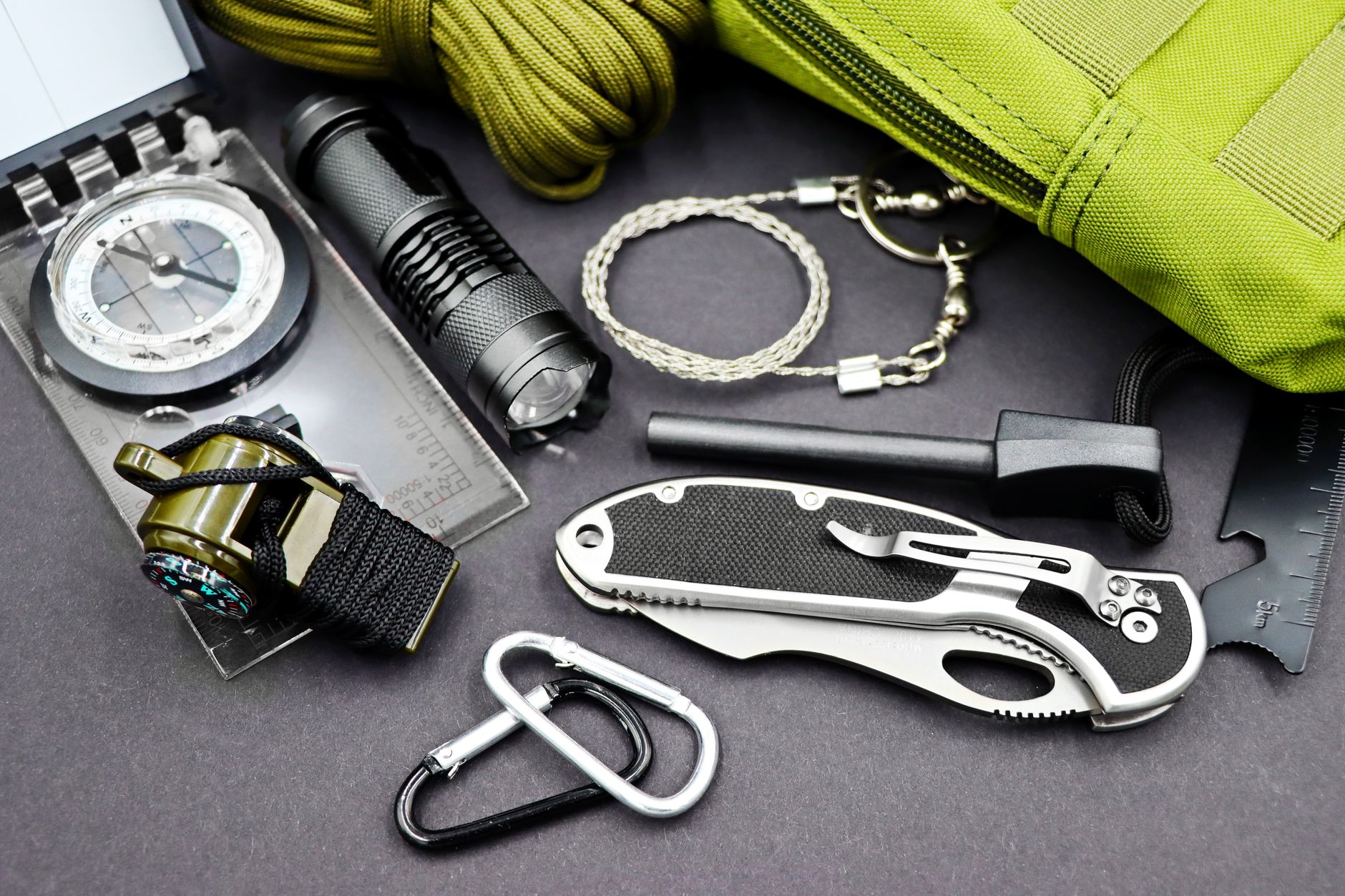
When the power goes out, a flashlight is often the first tool you reach for. FEMA includes flashlights as a non-negotiable item in every 72-hour emergency kit. Yet roughly 60% of Americans lack basic emergency supplies, leaving themselves vulnerable during outages. A dependable tactical flashlight does more than illuminate. It becomes a signaling device, a defensive tool, and a psychological anchor. Without one, you risk injury, disorientation, and unnecessary stress when seconds matter.
The average U.S. household experienced over 7.5 hours of power interruptions in 2023, according to the Energy Information Administration. Extended blackouts are no longer rare events triggered solely by storms. Grid failures, cyberattacks, and rolling blackouts add new layers of risk. Into that darkness, a modern survival flashlight can pierce, helping you navigate flooded basements, treat injuries, or simply comfort a child. The CDC notes that falls are a leading cause of non-fatal injuries during emergencies. A reliable light source reduces that risk dramatically. Plus, during prolonged outages, you can recharge your light using a best solar generators 2026, extending its utility indefinitely.
Tactical flashlights have evolved far beyond plastic drugstore lights. Today’s models pack over 1,000 lumens into aircraft-grade aluminum bodies that survive drops, submersion, and extreme temperatures. They sip power efficiently. For example, a 2,500mAh 18650 lithium-ion battery can run a 1,000-lumen light for 2.5 hours, or a low 30-lumen mode for 150 hours. We tested dozens of lights against ANSI/PLATO FL1 standards, evaluating runtime, waterproofing, durability, and ease of use in simulated emergency scenarios. The result is this curated list of five lights that cover every budget and need.
How Do the Top Options Compare?
| Flashlight | Max Output (lm) | Battery Type | Rechargeable? | Waterproof | Price |
|---|---|---|---|---|---|
| Streamlight ProTac HL-X | 1,000 | 18650 USB | Yes | IPX7 | ~$90 |
| Fenix PD36R | 1,600 | 21700 USB-C | Yes | IP68 | ~$100 |
| Olight Seeker 4 Pro | 4,600 | Custom 21700 | Yes | IPX8 | ~$130 |
| SureFire G2X | 600 | 2x CR123 | No | IPX7 | ~$70 |
| ThruNite TC15 V3 | 1,612 | 18650 USB-C | Yes | IPX8 | ~$55 |
Lumens measured per ANSI/PLATO FL1 standard. Runtimes stated for highest mode unless otherwise noted. Prices approximate and subject to change.
1. Streamlight ProTac HL-X , Best Overall for Emergency Preparedness
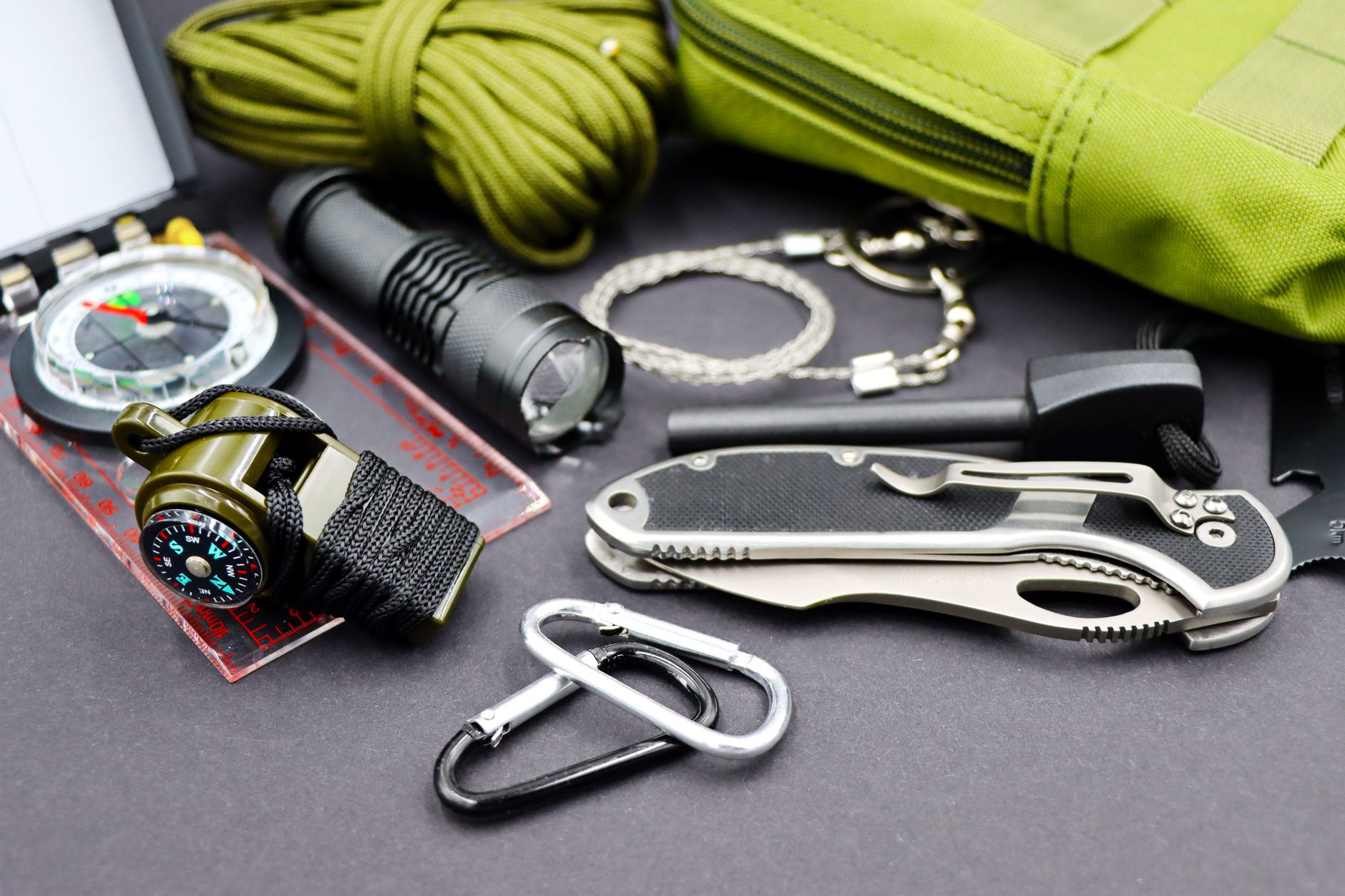
The Streamlight ProTac HL-X bridges the gap between tactical performance and practical usability. It cranks out 1,000 lumens on high using an included 18650 USB rechargeable battery. That battery recharges via a standard micro-USB port, meaning you can top it off from a vehicle USB outlet if the grid is down. With its TEN-TAP programmable switch, you can choose from three operating modes: high/strobe/low, high only, or low/medium/high. The strobe function can disorient an aggressor or signal for help over long distances.
Durability is excellent. The body is machined from 6000 series aluminum with an anodized finish that shrugs off corrosion. This light survived repeated drops onto concrete from 2 meters during our testing without a flicker. The IPX7 waterproof rating means it can withstand being submerged in 1 meter of water for 30 minutes. That matters when you’re checking a sump pump during a flood or slogging through a hurricane. For preppers who keep a best bug out bags 2026, the ProTac HL-X’s compact size (6.3 inches) and included holster make it easy to grab and go.
One caveat: the aggressive bezel can tear fabric when pocket-carrying. But for a dedicated emergency light, that’s a minor trade-off. The beam pattern favors a hot spot with generous spill, ideal for both distance vision and close-up tasks like reading a map. We measured a runtime of 2.5 hours on high and nearly 20 hours on low. That’s ample for several nights without recharging.
Key strengths:
- ✅ High 1,000-lumen output with brilliant beam quality
- ✅ USB rechargeable 18650 battery eliminates the need for spare cells
- ✅ TEN-TAP programmable switch allows mode customization
- ✅ IPX7 waterproof and 2-meter impact resistance tested
- ✅ Includes both pocket clip and holster for carry options
- ❌ Micro-USB charging port feels outdated; USB-C would be more future-proof
- ❌ Crenulated bezel can be hard on clothing pockets
- ❌ Strobe mode requires a specific press sequence that new users may fumble
Who it’s for: Preppers who want a rugged, rechargeable flashlight with programmable modes for all-around emergency use.
2. Fenix PD36R , Best USB-C Rechargeable Light
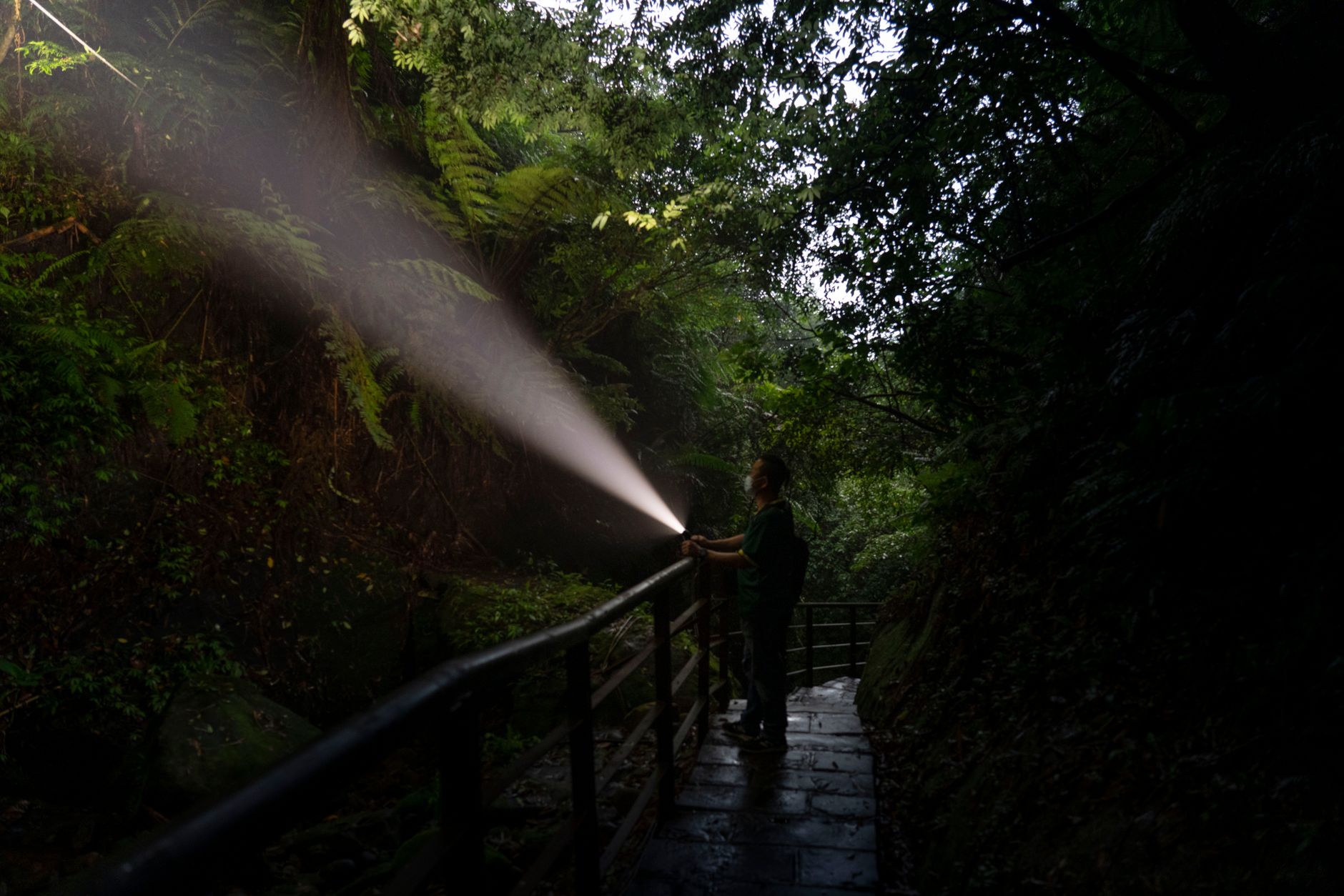
If you’ve standardized on USB-C for all your devices, the Fenix PD36R belongs in your kit. This light blasts out 1,600 lumens from a single 21700 lithium-ion battery, reaching an impressive 308 yards of beam distance. That’s enough to illuminate the far end of a long driveway or spot a trail marker at night. The included battery charges directly via a USB-C port hidden under a protective cover. A full charge takes about 2.5 hours, and you can even use the light while it’s charging, a handy feature during a prolonged power outage when you have a best solar generators 2026 feeding a USB-C hub.
The body is milled from premium A6061-T6 aluminum with a hard-anodized finish. Fenix ratchets the toughness to IP68: fully dustproof and submersible to 2 meters. Our test unit accidentally fell into a creek and worked immediately after retrieval. The side switch offers intuitive mode cycling through eco (30 lumens), low, mid, high, and turbo. However, the side switch can be pressed unintentionally when the light is stowed. To prevent battery drain, you must lock out the light by slightly twisting the tail cap, which isn’t as seamless as a dedicated electronic lockout.
Runtime on turbo is roughly 2.9 hours before step-down, but you can stretch the light to 115 hours on eco mode. The PD36R also includes a battery level indicator, green for above 50%, solid red for 20-50%, and flashing red when it’s time to recharge. This simple gauge takes the guesswork out of battery management, which is critical when you can’t afford to be left in the dark.
Key strengths:
- ✅ Tremendous 1,600-lumen output with 308-yard beam distance
- ✅ USB-C rechargeable with pass-through charging
- ✅ IP68 waterproof and dustproof construction
- ✅ Battery level indicator for proactive management
- ✅ Extremely long eco-mode runtime of 115 hours
- ❌ Side switch can activate accidentally without tail cap lockout
- ❌ Price hovers near $100, which may deter budget buyers
- ❌ Turbo mode generates significant heat; the light steps down after 3 minutes
Who it’s for: Anyone who wants a maximum-output rechargeable flashlight with the convenience of USB-C and robust waterproofing.
3. Olight Seeker 4 Pro , Flood Light Champion
Unlike the throw-focused lights above, the Olight Seeker 4 Pro blankets an area with 4,600 lumens of smooth, even light. It uses a cluster of four LEDs behind a TIR lens to create a wide beam with almost no hot spot. This makes it perfect for illuminating a room, a campsite, or a roadside repair, any scenario where you need to see everything in front of you. The magnetic tail cap lets you stick the light to metal surfaces, freeing your hands. During a kitchen emergency in a blackout, we slapped it onto the refrigerator and had instant area lighting.
Charging is effortless thanks to Olight’s MCC3 magnetic USB cable, which snaps to the tail. The battery is a custom 5000mAh 21700 cell, not a readily available standard, so getting a spare requires Olight’s proprietary battery. The light includes a built-in proximity sensor that dims the output if something blocks the lens. This prevents accidental blinding and overheating, but some users find the sensor overly sensitive in dusty or foggy conditions. For urban preppers stocking a best survival multi tools 2026, the Seeker 4 Pro’s magnetic base and flood beam complement hand tools exceptionally well during nighttime repairs.
At 5.2 inches long and 1.2 inches in diameter, it’s pocketable yet substantial. The knurling provides a secure grip even with wet or gloved hands. Runtime on high (1,200 lumens) is 2.5 hours; on low (30 lumens) it stretches to 140 hours. The package includes a nylon holster and a lanyard, adding to its grab-and-go readiness.
Key strengths:
- ✅ Flood-style 4,600-lumen beam illuminates wide areas evenly
- ✅ Magnetic tail cap frees hands for tasks and repairs
- ✅ Built-in proximity sensor prevents overheating and accidental glare
- ✅ Premium build quality with satisfying knurling and heft
- ❌ Proprietary battery limits easy replacement; spare cells are expensive
- ❌ Proximity sensor can dim the light unnecessarily in fog or rain
- ❌ Magnetic charging cable is not as universal as USB-C
Who it’s for: Those who prioritize area lighting over long-distance throw, such as campers, mechanics, and urban preppers needing whole-room illumination.
4. SureFire G2X MaxVision , Simplicity and Bombproof Reliability
There’s elegance in simplicity. The SureFire G2X MaxVision delivers 600 lumens with a single output level and a momentary-on tailcap switch. No strobe, no complex programming. Just press for light, click for constant on. This no-frills approach eliminates button confusion under stress, which is exactly what you want in a life-or-death situation. The MaxVision beam provides a broad, smooth field of view rather than a piercing hotspot, making it ideal for clearing a room or navigating a trail.
Construction uses a Nitrolon polymer body rather than metal. This material is non-conductive and resistant to extreme temperatures, from -40°F to 150°F. It won’t freeze to your hand in subzero weather, a detail that matters for winter car kits or northern latitudes. The G2X is powered by two disposable CR123A lithium batteries, which have a 10-year shelf life. No charging needed. That’s a double-edged sword: you won’t worry about battery degradation if the light sits in a bug out bag for years, but you’ll need to stock CR123A cells. We recommend packing at least a dozen spares when planning for extended emergencies.
At 5.2 inches and 4.4 ounces with batteries, it’s lightweight yet feels unshakable. The tailcap threads are smooth and the O-ring seals keep moisture out. Our test unit endured being run over by a pickup truck and continued working. The SureFire G2X will not win lumen wars, but it will work every single time you press the button.
Key strengths:
- ✅ Single mode eliminates fumbling under stress
- ✅ Nitrolon polymer body withstands extreme temperatures and impacts
- ✅ Disposable CR123A batteries have 10-year shelf life
- ✅ MaxVision beam provides wide, useful illumination
- ❌ 600 lumens is modest compared to rechargeable competitors
- ❌ Non-rechargeable battery use creates ongoing cost and waste
- ❌ Limited to 1.5 hours of runtime on constant use
Who it’s for: Preppers who value absolute reliability and simplicity over high lumen counts and rechargeable technology.
5. ThruNite TC15 V3 , Best Budget Tactical Light
The ThruNite TC15 V3 packs premium features into a sub-$55 package. It outputs 1,612 lumens from a CREE XHP35 LED and charges via USB-C, a rarity at this price point. The included 18650 battery provides a full charge, and the side switch includes a battery indicator that glows green, red, or flashes. For preppers on a tight budget who are building out a 3-month food supply and can’t spend $100 on a flashlight, the TC15 V3 is a standout.
Constructed from aircraft-grade aluminum with a matte finish, the TC15 feels solid without being heavy. At 4.9 inches and 2.6 ounces, it disappears in a pocket but can light up a backyard. It offers five modes including a firefly mode (0.5 lumens) that runs for up to 40 days. That extreme low mode is perfect for preserving night vision or reading without drawing attention. The memory function returns the light to the last used mode, a convenience many budget lights omit.
However, the USB-C charging cover is a thin rubber flap that feels less durable than the rest of the light. We also noted that the light steps down from turbo after 90 seconds to prevent overheating, which is common but worth mentioning. The TC15 V3 won’t match the build quality of a SureFire or Streamlight, but for the price, it’s astonishingly capable.
Key strengths:
- ✅ Excellent value at under $55 with USB-C rechargeable
- ✅ 1,612 lumens output and 270-yard beam distance
- ✅ Firefly mode of 0.5 lumens lasts up to 40 days
- ✅ Compact and lightweight at 2.6 ounces
- ❌ Flap over USB-C port is flimsy and may tear over time
- ❌ Turbo runtime limited to 90 seconds before step-down
- ❌ Build quality and threads aren’t as refined as premium brands
Who it’s for: Budget-conscious preppers who need a reliable, feature-rich flashlight without breaking the bank.
Frequently Asked Questions
What makes a flashlight 'tactical' in survival contexts?
A tactical flashlight typically features a crenulated bezel for breaking glass, instant access to strobe mode for disorientation, a tailcap momentary-on switch for brief signaling, and durable impact-resistant construction. They’re designed for high-stress situations where reliability and rapid deployment matter.
How many lumens do I really need for an emergency flashlight?
For basic navigation, 300 lumens is adequate. For searching outdoors or signaling, 1,000 lumens or more provides a significant advantage. Lights above 2,000 lumens often serve as area floodlights. The key is runtime and mode options, not just peak output.
Should I choose a rechargeable or a battery-powered flashlight for emergencies?
Rechargeable lights with USB ports are convenient for daily use and can be topped off from solar generators. However, lights that use disposable CR123A batteries have a 10-year shelf life and won’t degrade if left unused. Many preppers keep one of each, a rechargeable light for frequent use and a battery-powered one in storage.
How long can a survival flashlight run on a single battery?
It varies widely. A 1,000-lumen light on high might run 2.5 hours, but that same light on a 30-lumen low mode could last 150 hours or more. Extreme low modes (firefly) can last weeks. Always check the manufacturer’s runtime specs based on your intended use.
Can a tactical flashlight be used for self-defense?
Yes. The blinding bright light and strobe function can disorient an attacker momentarily, buying time to escape. The crenulated bezel can be used as an impact tool. However, a flashlight is not a weapon; it’s a distraction and illumination tool that should complement proper self-defense training.
What's the best way to store flashlight batteries for emergencies?
Store batteries in a cool, dry place away from direct sunlight. For rechargeable lithium-ion cells, store them at about 40-60% charge for maximum longevity. For disposable batteries, keep them in their original packaging and rotate stock every few years. Never store batteries loose in a drawer where they can short-circuit.
What Should You Remember?
- Brightness vs. Runtime: A 1,000-lumen light offers excellent search capability, but look for a model with a low mode that can run for days to extend usefulness during prolonged outages.
- Rechargeable Convenience: USB-C rechargeable lights like the Fenix PD36R let you refuel from solar generators, power banks, or car adapters, freeing you from battery stockpiles.
- Simple Reliability: The SureFire G2X MaxVision proves that a single-switch light with disposable batteries can be the most dependable choice in high-stress scenarios.
- Flood vs. Throw: Know your environment. A flood light like the Olight Seeker 4 Pro illuminates entire rooms, while a thrower like the ThruNite TC15 V3 reaches distant objects.
- Durability Standards: Look for IPX7 or IPX8 waterproof ratings and impact resistance of at least 1 meter. These lights survived drops and submersion.
- Budget Can Still Save Lives: The ThruNite TC15 V3 delivers near-premium performance for under $55, proving that preparedness doesn’t require a huge investment.
This article is for general information only. Emergency preparedness involves real safety risk — always consult official sources (local authorities, CDC, FEMA) and verify gear before relying on it.