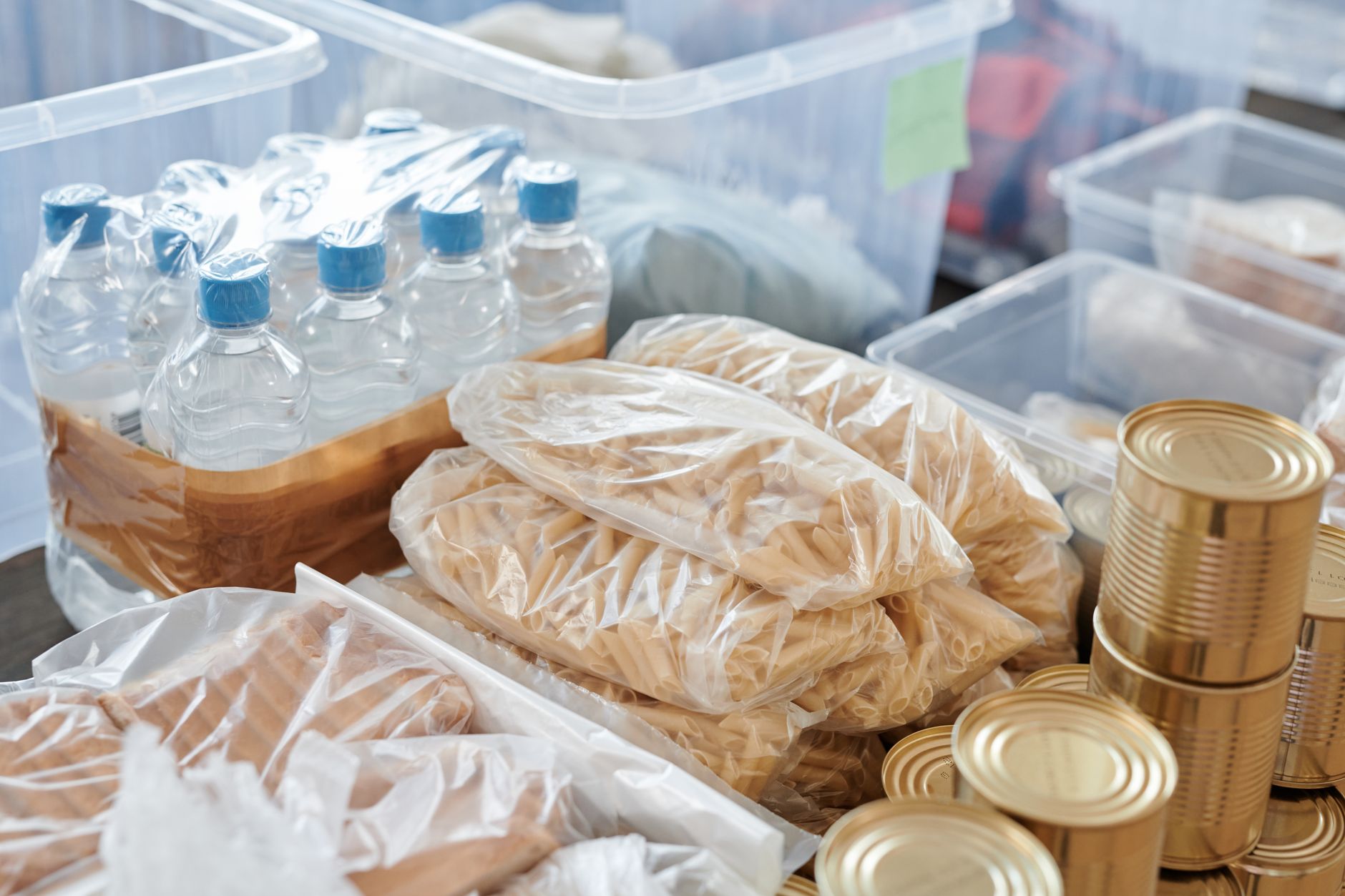
Water is the first supply to fail in a real emergency, and it is the one you cannot ration for long. The FEMA and Ready.gov guidance sets the planning baseline at one gallon per person per day for drinking and basic hygiene, which puts a family of four at 28 gallons a week and 56 gallons for a two-week disruption. That number changes everything about how you shop. A case of bottled water is a weekend fix. A large scale system is what keeps a household running when the trucks stop and the boil-water notice stays up for a month. Start by calculating your own volume with our guide to how much water to store for emergencies, then pick hardware that can produce that volume day after day.
Most comparisons in this space rank camp filters against countertop pitchers, which tells you nothing useful. I split large scale filtration into three tiers instead: grid-tied whole-house treatment that filters every tap, off-grid bulk systems that work without power or pressure, and field units built for groups pulling water from lakes and streams. Every pick below was judged on five things: output in gallons per day, which contaminants it actually removes, whether it needs electricity, how often you service it, and cost per gallon across the life of the filter media. A reverse osmosis membrane rejects 95 to 99 percent of dissolved solids. A carbon block does not touch them. The EPA maximum contaminant level for lead sits at 15 parts per billion, and nitrate at 10 milligrams per liter. Those differences decide which tier you need.
Power dependency is the detail most buying guides bury. Whole-house UV chambers, booster pumps, and reverse osmosis units all stop dead when the grid drops. During hurricane season or a winter ice storm, the water sitting in your pipes is still there, but nothing is treating it. This is exactly why the power outage survival guide argues for two separate systems: one tied to your plumbing for normal days, and one that needs nothing but gravity and a clean bucket. Budget for both if you can. If you can only afford one, buy the one that works in the dark.
Test your source water before you buy anything. A basic lab panel or a home test kit tells you whether you are fighting bacteria, nitrates, lead, hardness, or just chlorine taste. A well with coliform needs UV or boiling. A farmhouse with fertilizer runoff needs reverse osmosis or an ion exchange stage. City water in an older neighborhood with lead service lines needs a different answer than city water from a surface reservoir. The comparison table below summarizes output, power needs, and whether each system removes dissolved salts. The five sections after it explain the trade-offs in plain terms, including the parts most reviewers leave out.
How Do the Top Options Compare?
| System | Best For | Output | Power Needed | Removes Dissolved Salts | Check Price |
|---|---|---|---|---|---|
| Whole-house sediment, carbon and UV | Every tap in a grid-tied home | 8 to 15 gallons per minute | Yes, 110V for the UV lamp | No | Check price |
| Whole-house reverse osmosis | Heavy metals, nitrate, high TDS water | 0.5 to 1 gallon per minute | Yes, 110V and 40+ psi | Yes, 95 to 99 percent rejection | Check price |
| Gravity-fed stainless filter | Off-grid bulk drinking water | 0.5 to 1 gallon per hour | No | No | Check price |
| Expedition hollow-fiber hand pump | Group and basecamp field water | 2.5 to 4 liters per minute | No | No | Check price |
| Rainwater harvest with first flush and UV | Rural properties with roof catchment | 100 to 1,000+ gallons stored | Yes, pump and UV | No | Check price |
Output figures are manufacturer ratings under ideal conditions. Real flow drops with cold water, low pressure, and clogged media. No single system on this list covers every contaminant, and stacking stages is normal for households facing both biological and chemical risks.
1. Whole-House Sediment, Carbon and UV Systems , Best for Grid-Tied Homes That Want Every Tap Filtered
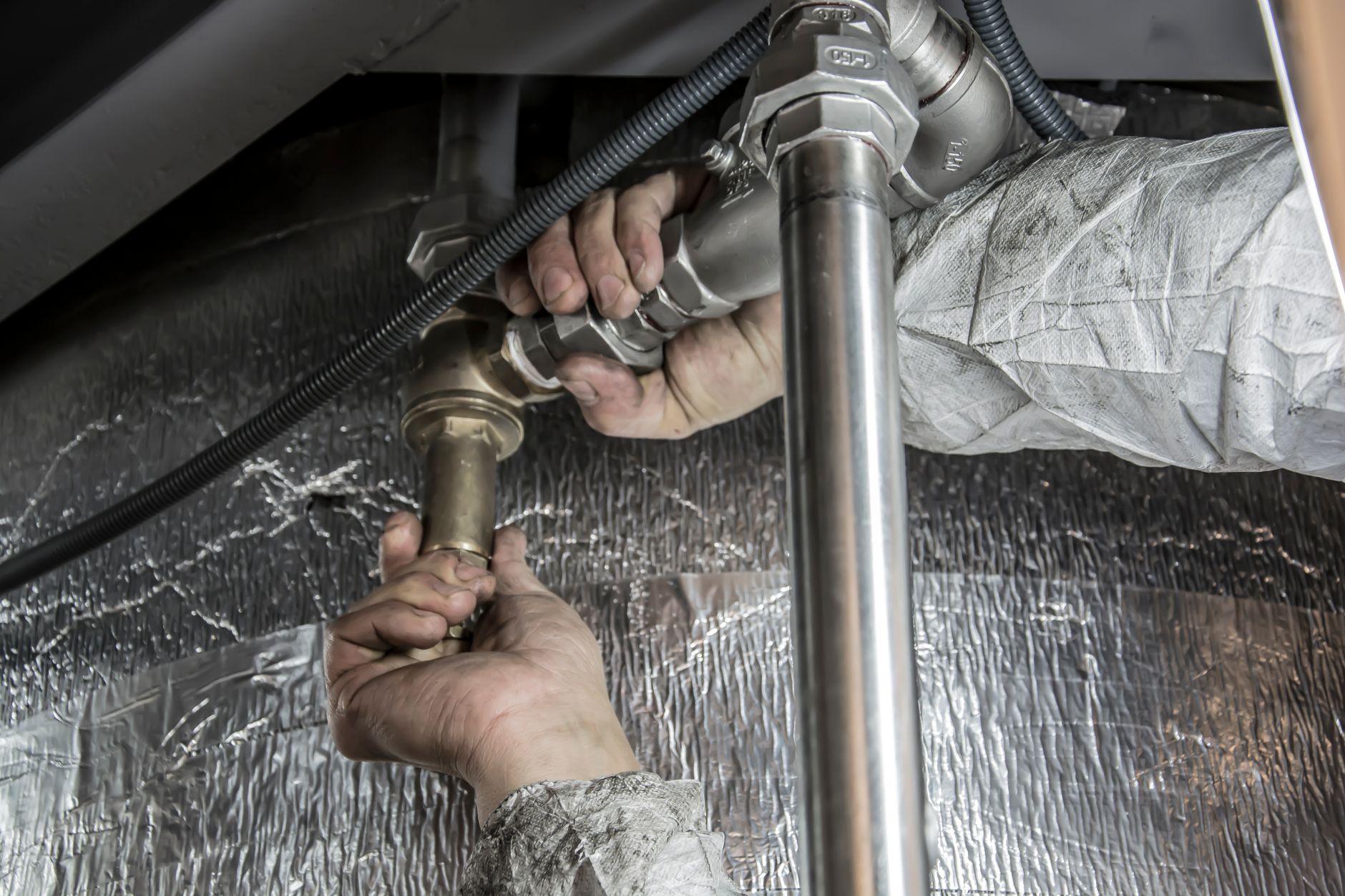
Whole-house treatment is the only option that filters every tap at once. Water enters through a 5-micron sediment cartridge that catches rust, sand, and pipe scale, then passes a carbon block that pulls chlorine, chloramine, and most taste and odor compounds. A UV chamber sits last in the chain and scrambles the DNA of anything biological that survived the first two stages. Systems in the SpringWell CF1 class move 8 to 15 gallons per minute, enough for two showers and a dishwasher running at the same time. Check the SpringWell CF1 on Amazon if you want a single install that covers the whole house.
What it will not do is remove dissolved minerals or dissolved metals on its own. Chlorine and sediment are easy. Lead, arsenic, and nitrate need dedicated media or a reverse osmosis stage. If your water comes from a private well, the CDC’s public health preparedness guidance is a useful starting point for building a testing schedule before you spend money on hardware.
The UV lamp needs 110-volt power around the clock, and the lamp itself is a consumable. Expect to replace it annually, and expect the entire system to stop the moment the grid drops. That single fact is why so many preppers run a whole-house unit for daily life and a gravity filter as the outage backup. The grid-down survival guide covers how to sequence those two systems so you are never caught without drinking water.
Key strengths:
- ✅ Filters chlorine, sediment, and biological contaminants at every faucet, not just one.
- ✅ Flow rates of 8 to 15 gallons per minute keep up with normal household demand.
- ✅ No manual filling or daily chores once the unit is installed.
- ✅ Carbon cartridges often last a year or more before replacement.
- ❌ Needs constant 110-volt power and line pressure, so it fails in a blackout.
- ❌ Does not remove dissolved lead, arsenic, nitrate, or salt without extra stages.
- ❌ Installation requires cutting into the main line, which renters usually cannot do.
Who it’s for: Homeowners on city water or a tested well who want one installation to cover the entire house.
2. Whole-House Reverse Osmosis (iSpring RCS5T) , Best for Heavy Metals and High TDS Water
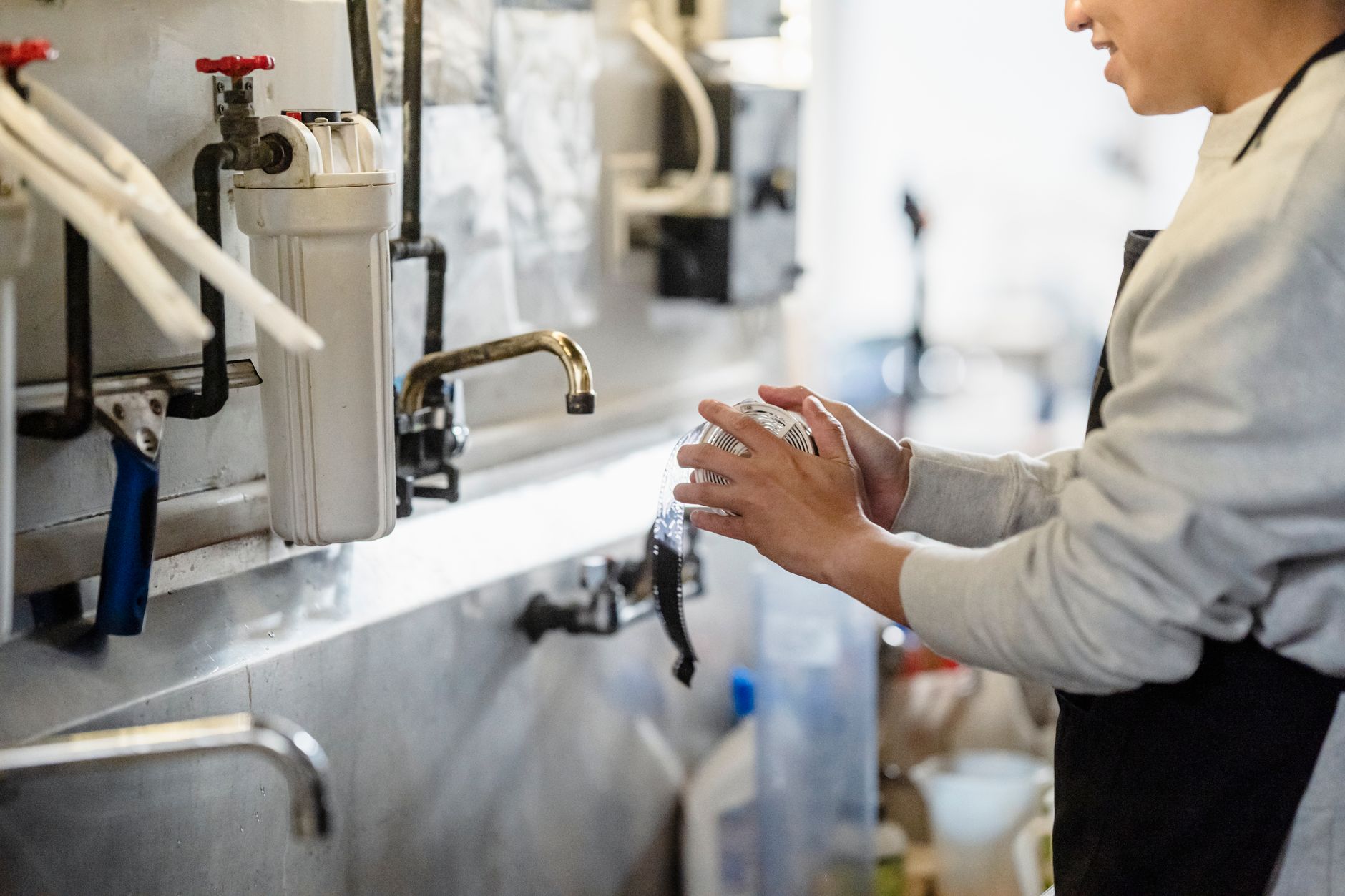
Reverse osmosis pushes water through a semipermeable membrane with pores around 0.0001 microns wide. Nothing dissolved gets through easily. A unit in the iSpring RCS5T class rejects 95 to 99 percent of dissolved solids, which covers arsenic, lead, nitrate, fluoride, radium, and a long list of industrial compounds that carbon alone ignores. Pre-filters catch sediment and chlorine first so the membrane is not asked to do work it cannot do.
The trade-offs are real. Standard tank-style units send two to four gallons to the drain for every gallon of clean water produced, and tankless designs cut that closer to one to one at a higher upfront cost. The membrane strips calcium and magnesium along with the contaminants, so the water tastes flat and many households add a remineralizer afterward. Pressure matters too. Most membranes want at least 40 psi at the inlet, and tired well pumps often cannot deliver it.
Storage is the other limit. An 11-gallon pressure tank holds roughly three gallons of usable water, which is why large scale reverse osmosis usually runs as point-of-use at the kitchen sink rather than feeding the whole house. Households that need drinking water during an outage should pair it with a gravity system or a stored reserve. The Red Cross emergency preparedness resources keep the baseline simple: store what you need before you need it.
Key strengths:
- ✅ Removes dissolved contaminants that carbon and UV cannot touch, including arsenic and nitrate.
- ✅ Rejection rates of 95 to 99 percent on dissolved solids.
- ✅ No chemicals, no boiling, and no manual labor once installed.
- ✅ Pre-filters are inexpensive and simple to swap.
- ❌ Wastes water, often two to four gallons sent to drain per gallon produced.
- ❌ Requires steady line pressure and electricity to run.
- ❌ Strips beneficial minerals and leaves the water tasting flat.
Who it’s for: Well owners dealing with nitrate, arsenic, or high total dissolved solids who need aggressive removal.
3. Gravity-Fed Stainless Filter (Big Berkey) , Best for Off-Grid Bulk Water Without Power
Gravity systems are the oldest design still in daily use, and they still win on one metric: they work when nothing else does. Raw water goes in the top chamber, passes through two or more filter elements, and collects in the bottom. A two-element Big Berkey is rated for roughly 3,000 gallons per element, so 6,000 gallons before replacement, which works out to a few cents per gallon over the life of the set. Check the Big Berkey on Amazon if you want the stainless body without hunting for a dealer.
Speed is the cost. Expect half a gallon to a gallon per hour from a two-element unit, faster if you add elements. Filling a 3.25-gallon reservoir for a family of four takes most of an evening, and the unit weighs close to 30 pounds once it is full. The manufacturer claims virus and heavy metal reduction for its black elements, but independent NSF certification for those specific claims is limited, so treat the numbers as manufacturer data rather than lab-verified results.
What the system will not do is remove dissolved salts, and it will not help if your only source is seawater or brine-contaminated groundwater. For rain barrels, stock tanks, streams, and stored tap water, it is more than enough. Our roundup of the best survival water filters covers the smaller portable versions if you need something that fits in a pack.
Key strengths:
- ✅ Runs on gravity alone with no power, plumbing, or pressure required.
- ✅ Roughly 3,000 gallons per filter element before replacement.
- ✅ Stainless housing can last decades and stores dry without damage.
- ✅ Handles cloudy water from rain barrels, stock tanks, and streams.
- ❌ Slow output, often a gallon per hour or less.
- ❌ You fill it by hand, which adds up over a week of use.
- ❌ Contaminant claims lack broad independent certification.
Who it’s for: Preppers who want drinking water during an outage without depending on the grid.
4. Expedition Hollow-Fiber Hand Pumps (Katadyn and MSR) , Best for Group and Basecamp Field Water
Field pumps are built for volume and speed. The Katadyn Expedition moves about four liters per minute, and the MSR Guardian runs around 2.5 liters per minute while filtering to 0.02 microns and removing viruses, which most hollow-fiber units cannot claim. Check the MSR Guardian on Amazon if virus removal is your priority. Hollow fiber pores are smaller than bacteria and protozoa, so the mechanical barrier does the work without chemicals or waiting.
Cartridge life is where these units justify the price. The Guardian is rated for thousands of liters between replacements, and the Expedition is rated far higher with regular backflushing. A five-gallon jerry can fills in about five minutes with either pump. On a group trip or at a basecamp, that speed is the difference between a functioning camp and a line of people waiting.
They are not water treatment plants. Hollow fiber does not remove dissolved lead, nitrate, arsenic, or pesticide residue, and heavy sediment clogs the cartridge fast. Prefilter through cloth when the source is muddy. Pump seals and o-rings need annual attention, and a torn membrane means the unit is done until you replace it. Our breakdown of water purification methods explains where boiling still beats any filter.
Key strengths:
- ✅ Pumps 2.5 to 4 liters per minute, fast enough for group use.
- ✅ No power, no batteries, and no chemicals required.
- ✅ Hollow fiber blocks bacteria and protozoa, and the Guardian also removes viruses.
- ✅ Cartridges are rated for thousands of liters with backflushing.
- ❌ Hand pumping is physical work in the cold, and it does not get easier.
- ❌ Clogs quickly in muddy or algae-heavy water.
- ❌ Leaves dissolved chemicals completely untouched.
Who it’s for: Groups, basecamps, and backcountry travelers pulling drinking water from lakes and streams.
5. Rainwater Harvest with First Flush and UV (Viqua VH200) , Best for Rural Properties With Roof Catchment
Roof catchment is the only method that scales to thousands of gallons without a municipal connection. One inch of rain on 1,000 square feet of roof sheds about 600 gallons. A 2,000-square-foot metal roof in a region that gets 30 inches of rain a year theoretically collects 37,000 gallons, though real-world capture after first flush losses and evaporation runs lower. First flush diverters dump the first 10 to 20 gallons per 1,000 square feet, which carries off bird droppings, pollen, and roof grit before it reaches the tank.
Treatment after the tank matters as much as collection. A sediment filter catches the remaining particulate, carbon removes taste and organic compounds, and a UV chamber sized for the flow rate finishes the job. NSF/ANSI 55 Class A UV systems must deliver a 40 millijoule per square centimeter dose, which is the number to look for on the spec sheet. The Viqua VH200 class of unit is built for whole-house flow rates rather than a single tap.
Roof material decides whether the water is worth harvesting at all. Metal, concrete, and clay tile are fine. Asphalt shingles shed grit and petroleum compounds that no carbon block wants to deal with. Warm tanks grow algae, standing water breeds mosquitoes, and every pump and UV lamp in the chain needs electricity. Local rules on rainwater capture vary by state, and some western states restrict storage volume. Once the tank is paid for, the cost per gallon drops below every other option here. Storing the treated water safely is a separate problem, and our guide to emergency water storage containers covers the food-grade options.
Key strengths:
- ✅ About 600 gallons captured per inch of rain on 1,000 square feet of roof.
- ✅ Scales from a 55-gallon barrel to a 10,000-gallon cistern.
- ✅ Lowest cost per gallon once the tank and pump are in place.
- ✅ Works without a municipal supply or a producing well.
- ❌ Roof contaminants, bird droppings, and algae are constant problems.
- ❌ Pump, UV lamp, and controls all need power.
- ❌ State and local rules can limit how much you may legally store.
Who it’s for: Rural households with a metal roof, available space, and at least a quarter acre of land.
Frequently Asked Questions
How much water does a large scale filtration system need to produce?
Start with one gallon per person per day for drinking and basic hygiene, then add more for cooking, pets, and cleaning. A family of four should plan on at least 28 gallons a week and 56 gallons for a two-week disruption.
Can a whole-house UV or reverse osmosis system run during a power outage?
No. Both need 110-volt power, and most reverse osmosis units also need steady line pressure above 40 psi. Keep a gravity filter or a hand pump as the outage backup.
Do gravity filters remove viruses?
Manufacturers of black carbon gravity elements claim virus reduction, but independent certification for those specific claims is limited. If virus removal matters, a hollow-fiber purifier rated for it or boiling is the safer choice.
How often do filter media need replacing?
Sediment and carbon cartridges usually last six to twelve months. UV lamps are typically replaced annually. Reverse osmosis membranes run two to three years. Gravity elements are rated around 3,000 gallons each.
Is harvested rainwater safe to drink after UV treatment?
It can be, but only with the full chain in place: first flush diversion, sediment filtration, carbon, and a properly sized UV dose. Roof material and local air quality matter, so test the finished water before trusting it.
What is the difference between a water filter and a water purifier?
A filter removes protozoa and bacteria by physically blocking them. A purifier also removes viruses, which are small enough to pass through most filter media. Boiling, distillation, and certified purifiers all meet the stricter standard.
What Should You Remember?
- Size from your daily volume. One gallon per person per day is the FEMA floor, and a family of four needs 56 gallons to cover two weeks.
- Power is the weak point. Whole-house UV and reverse osmosis both die in a blackout, so pair them with a gravity filter or hand pump.
- Carbon does not remove dissolved metals. Lead, arsenic, and nitrate need reverse osmosis, ion exchange, or dedicated media.
- Gravity filters trade speed for independence. Roughly 3,000 gallons per element, but only about a gallon per hour of output.
- Field pumps win on speed. Two and a half to four liters per minute is enough for a basecamp of a dozen people.
- Test before you buy. A lab panel on your source water costs less than the wrong filter and tells you exactly what to target.
This article is for general information only. Emergency preparedness involves real safety risk , always consult official sources (local authorities, CDC, FEMA) and verify gear before relying on it.