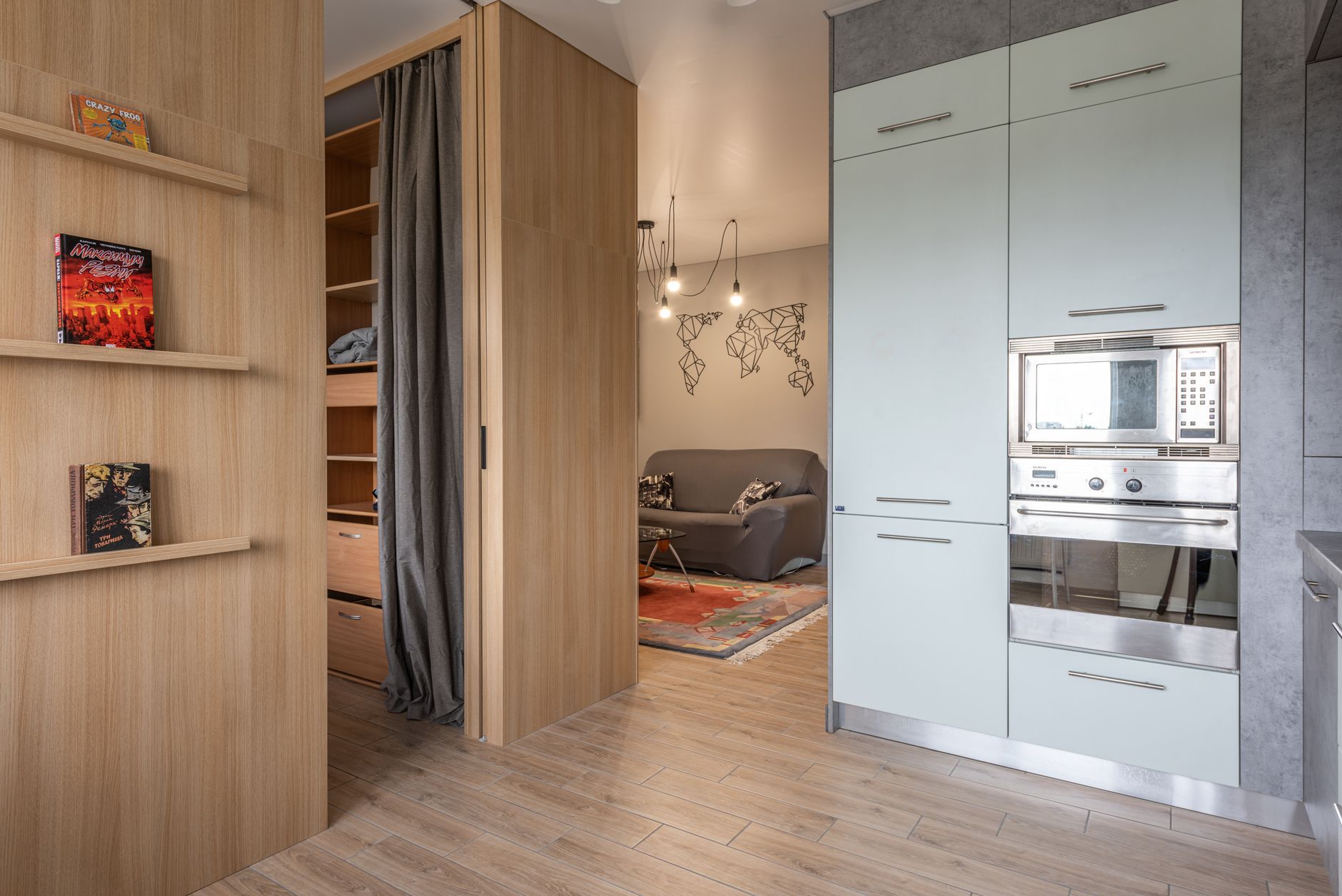
According to FEMA, only 48% of Americans have an emergency plan. In a small apartment, limited square footage often feels like a barrier. Floor space is scarce. Closets are tiny. You might think you can’t store enough supplies. But with smart storage and compact gear, you can meet the same readiness standards as any homeowner. The secret is using vertical height, under-furniture voids, and multi-purpose items that replace bulky single-task tools. Your 400-square-foot studio can hold everything you need for 72 hours or more.
The CDC stresses that every household should stock at least a 3-day supply of water and food. The Red Cross adds that a go-bag is essential, especially for apartment residents who may need to evacuate quickly. City dwellers face unique risks: power failures, water main breaks, structural fires, and extended outages from weather events. A little tight-space planning ensures you are not left scrambling when the elevator stops or the tap runs dry. This guide shows you how to tailor those recommendations to 500 square feet or less.
From water storage that fits under your couch to vertical shelving for freeze-dried meals, we cover everything. We also discuss power outages, sheltering in place, and evacuation from high-rises. Use our checklist to build your 72-hour emergency kit without clutter. You do not need a basement or a garage. You only need the right strategy and a handful of space-savvy products. Let’s turn your apartment into an urban sanctuary.
| Product Type | Capacity | Footprint | Best Use |
|---|---|---|---|
| WaterBrick 4-pack | 14 gallons | 1.5 cubic feet | Modular stacking under bed or in closet |
| AquaPod bathtub kit | 65 gallons | Temporary bathtub fill | Last-minute storm water capture |
| Collapsible 5-gal jugs | 5 gallons each | 0.5 sq ft flat | Portable, refillable, store in narrow gaps |
| 55-Gallon Drum (comparison) | 55 gallons | 12 sq ft floor | Not suitable for most apartments |
How Much Water Should You Store in a Small Apartment?
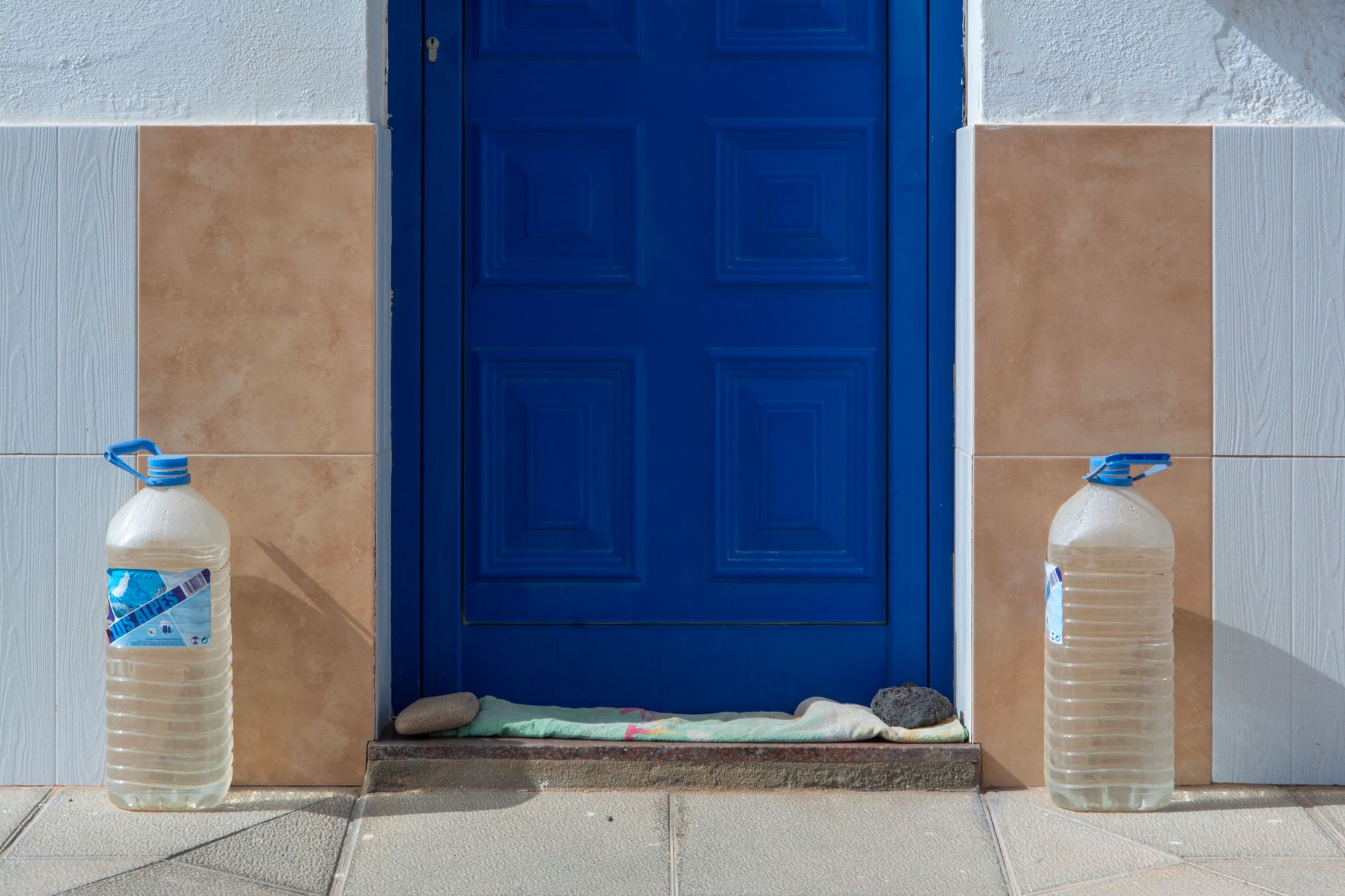
FEMA recommends at least one gallon of water per person per day. That seems simple. But in a 300-square-foot studio, a 55-gallon drum is impossible. You must think modular. Stackable containers like WaterBricks or AquaBricks let you build a water supply in tight spaces. A four-pack of 3.5-gallon bricks holds 14 gallons. It occupies only 1.5 cubic feet. Tuck it under the bed or stack it in a closet corner. For a single person, 14 gallons gives a two-week cushion for drinking if rationed strictly.
A common stat from FEMA’s 2022 survey reveals that 1 in 3 households lacks any stored water. Don’t be one of them. A guide on how much water to store explains the baseline and includes a calculator. For apartment living, supplement stored water with portable purification. A pump filter or purification tablets let you use water from odd sources like a water heater tank or a nearby stream. Small apartments can also accommodate a collapsible bathtub bladder for last-minute fills before a storm hits. Weigh the option of a compact emergency water storage kit designed for tiny homes.
Rotate your stored water every six months. Mark dates on the containers. If you keep fewer bricks, layer them in by stacking them behind a curtain or inside an ottoman. In a true emergency, your building’s water might fail. City water pipes can break during earthquakes or extreme cold. A landlord cannot always restore service quickly. Having your own supply means you won’t join the panic line at the grocery store. For long-duration events, add a water purification method to turn suspect water into safe hydration. A small UV pen or a gravity bag filter takes up almost no space.
- WaterBricks (stackable 3.5-gallon containers) double as furniture risers.
- A 5-gallon collapsible jug stores flat until you need it.
- AquaPod bathtub bladder holds 65 gallons for short-notice storms.
- Stainless steel water bottles can serve as daily use and emergency storage.
- Water purification tablets weigh less than a set of keys.
What Food Supplies Fit Best in Limited Space?
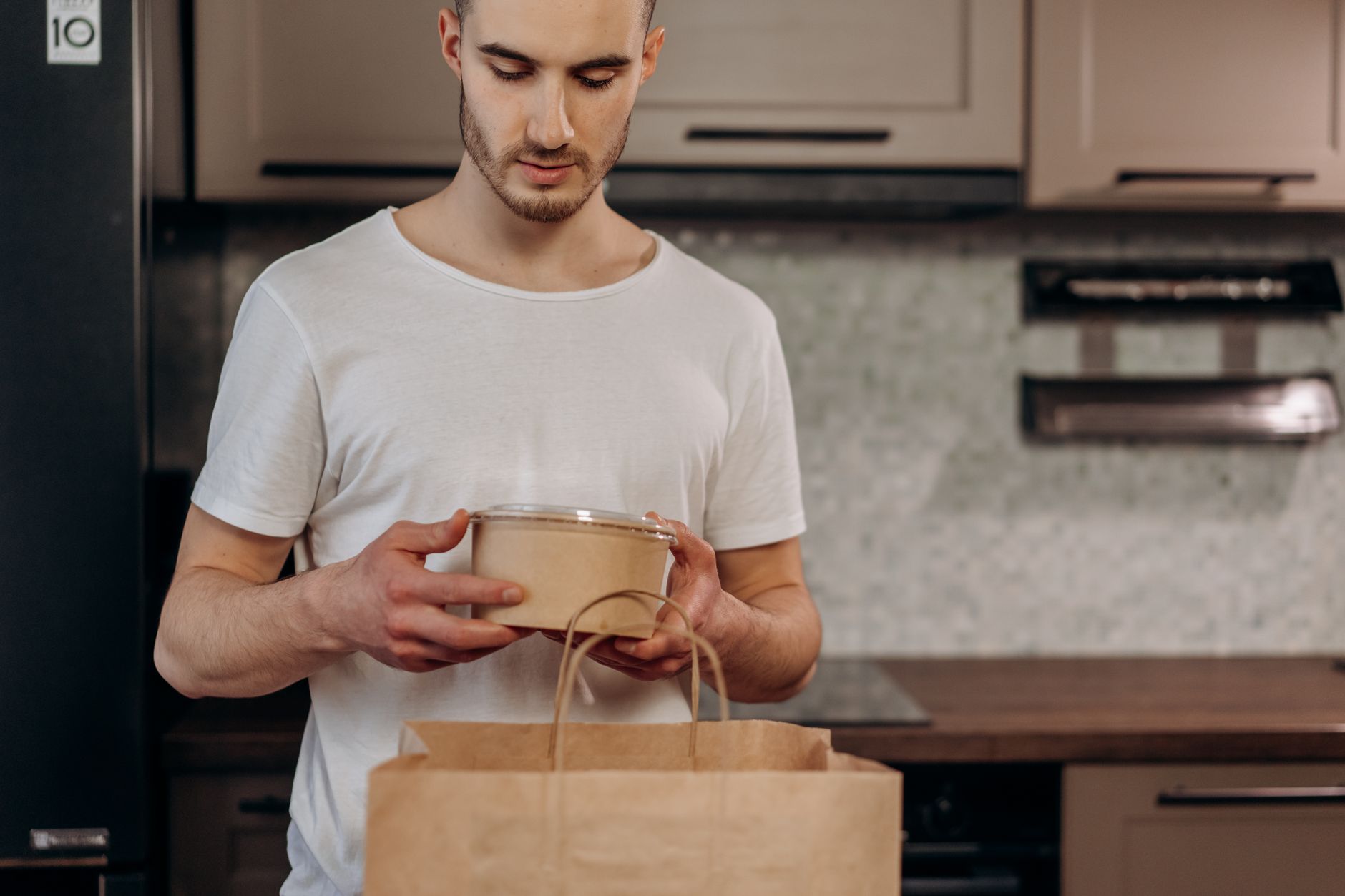
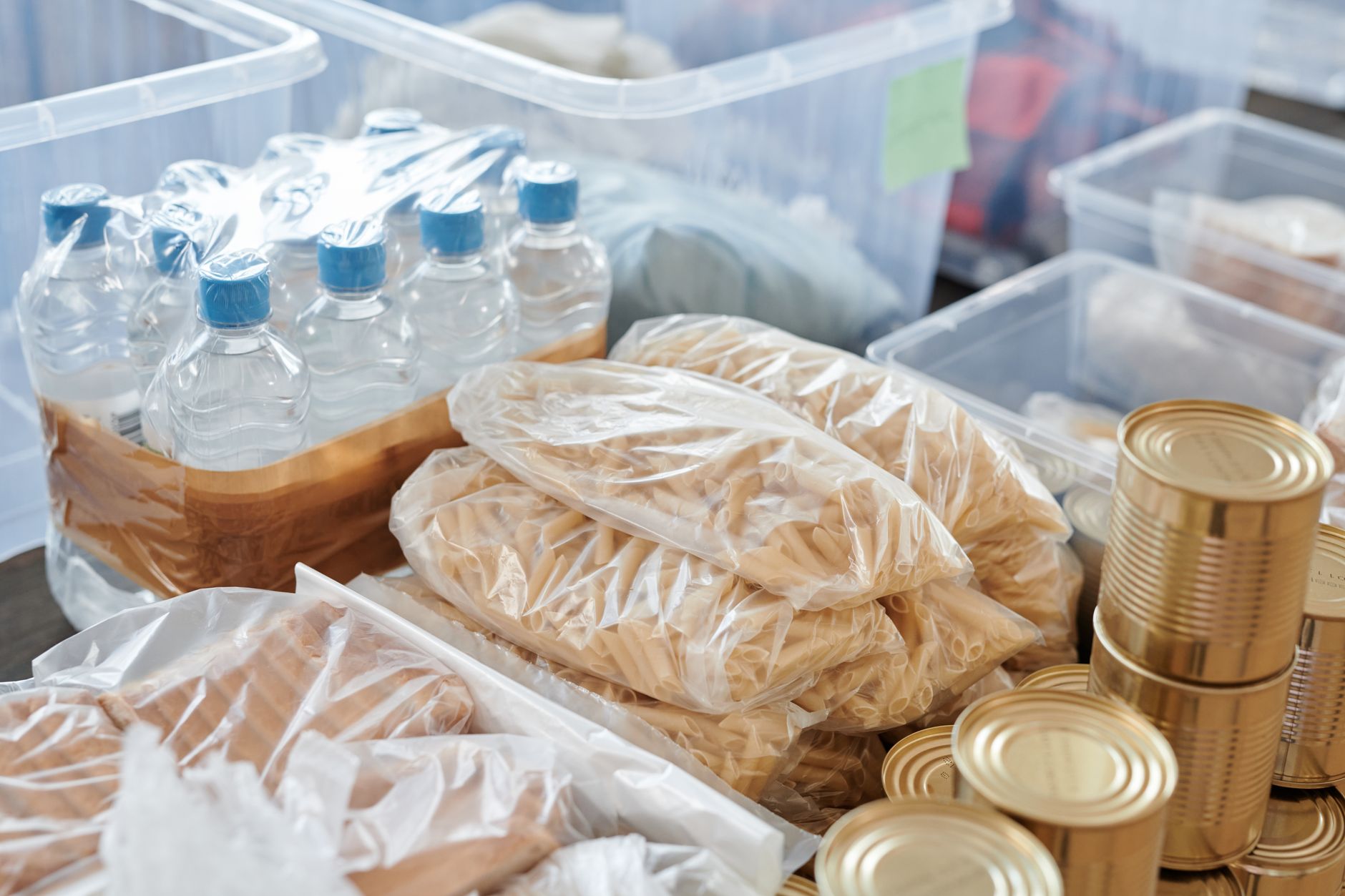
Focus on calorie density and packaging. Freeze-dried meals remove up to 90% of water weight and 80% of volume compared to canned goods. A two-week supply for one person can fit in a standard carry-on suitcase. In a tiny kitchen, every cubic inch matters. You can store freeze-dried pouches under the sofa, in a suitcase, or on a high shelf above the fridge. Pair them with a compact backpacking stove. A tiny butane burner boils water in minutes. Your stove becomes your cooking solution when the power goes out.
Canned goods are heavy and bulky. Use them sparingly. Instead, layer shelf-stable pouches of tuna, peanut butter packets, and vacuum-sealed rice mixes. For building a deeper pantry, consult our 2-week food supply guide tailored for limited spaces. The best approach is to store what you eat and eat what you store. Keep a rotating stock of protein bars, oats, and dried fruit in airtight bins. That way your emergency food does not occupy its own separate stockpile. It lives in your daily pantry, just in greater quantity. For freeze-dried brands that maximize shelf life, see the best freeze-dried food brands. Their mylar pouches slip into narrow gaps between wall studs or behind books.
Don’t forget a manual can opener. Every apartment kit needs one. The smallest detail can cripple your plan. You should also store multivitamins. They compensate for nutrient gaps when fresh produce runs out. According to the USDA, a well-planned emergency food supply should deliver at least 2,000 calories per adult per day. Freeze-dried entrees hit that mark with just two pouches per person. You can stash 30 pouches in a plastic bin that slides under your bed. That’s 15 days of dinners. Add oatmeal packets and instant coffee for morale. Comfort matters in crisis.
- Freeze-dried meal pouches (30-year shelf life) for main entrees.
- Instant oatmeal and dried fruit for no-cook breakfasts.
- Peanut butter packets and crackers for dense energy.
- Vitamin tablets and electrolyte powders to support health.
- A tiny butane stove and 4 fuel canisters for hot meals.
How Can You Light and Power Your Apartment During an Outage?
In 2023, power outages affected more than 27 million people in the United States. Apartment buildings with electric stoves and central heating become unlivable fast. But you can prepare a compact power kit that fits in a shoebox. Start with two high-quality LED flashlights and a headlamp. LED bulbs stretch battery life tenfold compared to old incandescent lights. Keep a set of rechargeable batteries and a USB-powered charger. A small solar panel that sticks to a window can top off your phone and lights. For more robust options, check the power outage survival guide that covers everything from generators to hand cranks.
A portable power station (solar generator) is the apartment dweller’s best friend. Units like the Jackery 300 or EcoFlow River weigh under 10 pounds. They store in a closet and can run a mini fridge for hours. They power phones, medical devices, and even a small fan. Although not cheap, a solar generator eliminates the noise and fumes of a gas generator. Many apartment leases forbid gas generators on balconies. A quiet battery bank solves that problem. Learn about the best solar generators for emergencies to pick one that matches your wattage needs. For lighting alone, rechargeable lanterns and motion-sensor puck lights are cheap and easy.
Never rely on candles. Candles cause thousands of apartment fires each year. Stick to battery or solar lights. Keep a small supply of backup batteries. Use that shoebox to store a power bank, cables, a headlamp, and a small radio. An emergency radio with NOAA weather alerts is critical. The hand crank emergency radio never needs batteries. Tuck it next to your water bricks. When the whole block goes dark, you will have light, news, and the ability to call family. That mental edge is priceless in a crisis.
- Two LED flashlights and a headlamp with extra batteries.
- A 300Wh solar generator for phones and small appliances.
- Foldable 21W solar panel that fits on a windowsill.
- NOAA weather radio with hand crank and USB port.
- Rechargeable power bank (20,000 mAh) to top off devices.
Where Should You Shelter in a Small Apartment?
During a tornado warning, chemical spill, or extreme violence outside, you need a safe room. In a small apartment, that might feel impossible. But you can designate an interior closet or a bathroom without windows. Remove clutter now so that space is always ready. The Red Cross advises sheltering in a windowless interior room on the lowest floor possible. If your unit has no interior rooms, pick a corner away from glass. Cover yourself with a mattress or heavy blankets. Keep a grab-and-go bag with shoes, a flashlight, and a whistle in that spot.
For hurricane or severe wind events, the same principle applies. Stay away from windows. If you live in a high-rise, go to a central hallway or stairwell. Your building’s core often has reinforced concrete. Talk to your landlord about designated shelters. In an urban survival situation, knowing the safest spot in your apartment reduces panic. Practice moving there with your family. Do it in the dark. Your body will remember the path when sirens sound.
When sheltering in place for an extended period, seal the room with plastic sheeting and duct tape. This is vital for chemical or biological threats. Cut pre-sized plastic sheets and label them. Store them under the bed alongside a roll of duct tape. That prep consumes no floor space. Add a bucket toilet with a lid and absorbent gel packets. In a small apartment, a portable toilet preserves sanitation when plumbing fails. A 5-gallon bucket with a snap-on seat hides in a closet corner. It is uncomfortable to think about, but it prevents a health crisis inside your only living quarters. FEMA’s shelter-in-place guidelines cover sealing procedures in detail. Practice them once a year.
- Designated interior closet void of windows.
- Mattress or thick blankets to shield from flying debris.
- Pre-cut plastic sheeting and duct tape for sealing.
- 5-gallon bucket toilet with chemicals and heavy-duty bags.
- Shoes, flashlight, and a whistle stored in the shelter spot.
- Copy of FEMA shelter-in-place instructions taped to the wall.
How Do You Plan an Evacuation from an Apartment Building?

High-rise evacuations are not like leaving a house. Elevators stop working. Stairwells can fill with smoke. You need a bug-out bag that is light, wearable, and always packed. A school-style backpack is ideal because it leaves your hands free. Consolidate your most critical items: water, food, first aid, documents, and cash. Review our bug-out bag checklist to build a bag that weighs under 15 pounds. Smaller bags slide under the bed or hang on a hook. They do not demand dedicated storage closets.
Know all exit routes. Most apartment buildings have two stairwells. Walk them quarterly. In a fire, the nearest exit might be blocked. Count the doors between your unit and the stairs. Feel the door with the back of your hand before opening it. These small drills build muscle memory. A 2022 Red Cross survey found that fewer than 30% of renters practice their evacuation plan. Don’t be part of that statistic. Have a rendezvous point across the street. It could be a coffee shop or a park bench. Make sure everyone in your household knows it.
Your bag should reflect the most likely scenario where you live. In earthquake zones, add dust masks and a pry bar. In flood-prone cities, keep identity documents in a waterproof pouch. The best bug-out bags of 2026 offer templates for different budgets. A small safe bolted to the wall gives you quick access to passports and cash. Bolt it inside a closet if your lease allows. If not, a hidden diversion safe disguised as a book works too. The goal is to grab and go in under 60 seconds. With a small bag and a practiced plan, you can exit faster than neighbors who panic. That head start matters.
- Lightweight backpack under 15 pounds, stored near the door.
- Printed map of local area and two alternative rally points.
- Waterproof pouch with copies of IDs, insurance, and emergency contacts.
- Dust mask, safety goggles, and a multi-tool with a seatbelt cutter.
- Small first aid kit and any prescription medications.
- Cash in small bills and a prepaid phone card.
Frequently Asked Questions
How much water can I realistically store in a studio apartment?
You can store 14-28 gallons easily using stackable bricks under a bed or in a closet. That covers a single person for two weeks of drinking water. Supplement with a bathtub bladder for storms and portable purification to stretch your supply.
What is the smallest bug-out bag I can build?
A 20-liter daypack weighing under 12 pounds is realistic. Include a water filter, 2,000 calories of food, a mylar blanket, first aid, and documents. Every ounce counts when you must walk down dozens of flights of stairs.
Can I use a gas generator on my apartment balcony?
Nearly all apartment leases forbid gas generators due to fire and carbon monoxide risks. Use a lithium battery power station instead. They run clean and quiet, and many property managers approve them.
How do I practice sheltering in place with no interior rooms?
Choose a corner farthest from windows. Move heavy furniture like a mattress against the outer wall as a shield. Pre-stage a bucket toilet, water, and a sealed container with plastic sheeting to block airborne threats.
What foods will last the longest in a small pantry?
Freeze-dried meals in #10 cans or mylar pouches last 25-30 years. Dried beans, rice, rolled oats, and honey also store indefinitely. Rotate them into your daily meals so your emergency supply stays fresh.
Should I store water in commercial plastic bottles or dedicated containers?
Dedicated water bricks or jerry cans block light and stack better. Clear plastic bottles degrade faster and leak over time. Look for BPA-free containers designed for long-term storage and label them with a fill date.
What Should You Remember?
- Stackable water bricks let you store a two-week supply under a bed or in a closet.
- Freeze-dried food pouches shrink your pantry to a fraction of the space of canned goods.
- A portable solar generator powers phones and lights without violating apartment rules on fuel.
- Pre-cut plastic sheeting and a designated interior room give you a chemical-biological shelter with zero floor footprint.
- A lightweight bug-out bag under 15 pounds lets you evacuate a high-rise in under a minute.
- Run quarterly fire drills to memorize stairwell locations and build muscle memory for fast exit.
- Rotate stored water and food into daily use to keep supplies fresh and your apartment clutter-free.
This article is for general information only. Emergency preparedness involves real safety risk — always consult official sources (local authorities, CDC, FEMA) and verify gear before relying on it.